100% Free & Public Domain 16,000+ Esoteric Books No Registration Needed
Home Collections Paganism
🌿

Uncover Paganism: Free Esoteric Books & Ancient Lore

Welcome to the Esoteric Library's collection on Paganism, a vast and vibrant tapestry of spiritual traditions that predate and run parallel to many mainstream religions. This collection offers a unique journey through historical texts, folklore, and literary works that explore the multifaceted concept of Paganism, from its ancient roots to its modern interpretations. Here, you'll find public domain works that shed light on polytheistic beliefs, nature worship, animism, and the diverse spiritual practices that have shaped human history.

Historically, the term "Paganism" has been used as an umbrella for a wide array of non-Abrahamic belief systems, often characterized by a reverence for nature, multiple deities, and cyclical understandings of time. Our collection delves into these foundational elements, offering insights into the spiritual landscapes of ancient civilizations and the folk traditions that persisted through centuries. You'll encounter texts that examine the philosophical underpinnings of these beliefs, as well as those that reflect societal perceptions of Paganism throughout different eras, including the often-misunderstood connection to witchcraft.

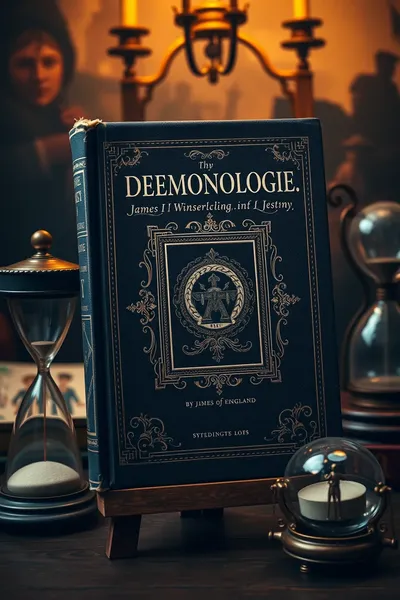
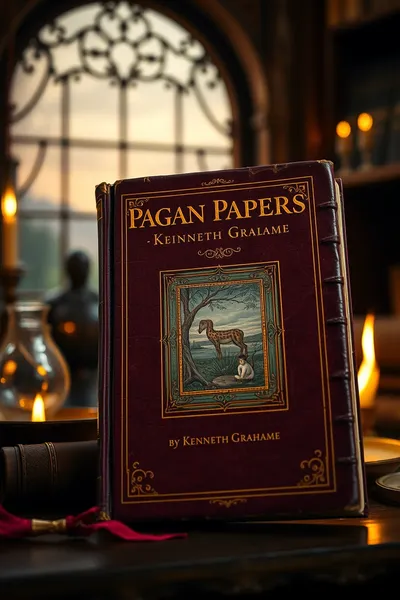
The narratives surrounding Paganism are complex, frequently intertwined with the history of witchcraft and demonology, particularly during periods of intense persecution. Works like James I, King of England's chilling "Daemonologie." offer a direct window into the fears and justifications behind the witch hunts, illustrating how deviations from orthodox religion were often conflated with malevolent magic. Conversely, literary treasures such as Kenneth Grahame's "Pagan Papers" provide a more romanticized, reflective view of nature-centric spirituality, evoking a gentle longing for pre-Christian sensibilities. These texts help us understand the historical evolution of how Paganism was perceived and represented.

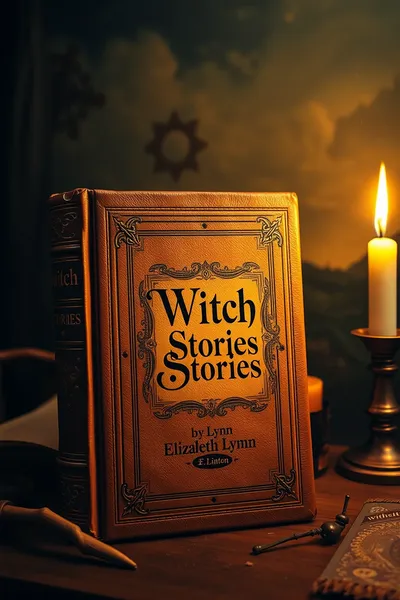
As you explore this collection, you'll discover how the concept of Paganism has been both demonized and celebrated, suppressed and revived. Many of the books here, including historical fiction and scholarly analyses like Linton, E. Lynn (Elizabeth Lynn)'s "Witch Stories," offer crucial context for understanding the cultural anxieties and fascinations surrounding these ancient practices. While some titles reflect the historical fear of the 'witch,' a figure often associated with perceived Paganism, others explore the rich folklore and spiritual depth inherent in these traditions.

This collection is an invitation to explore the spiritual paths, mythologies, and cultural narratives that fall under the broad banner of Paganism. For those interested in contemporary expressions, our related Neopaganism collection offers further exploration. All books are available for free, providing an unparalleled resource for students, practitioners, and anyone curious about the esoteric heritage of Paganism and its enduring influence on our world.

Top Paganism Books

25 Paganism books
Witch-Doctors
📖
Witch-Doctors
Beadle, Charles
4.3
69
Witch-Burning
📖
Witch-Burning
Counselman, Mary Elizabeth
4.2
68
TIMELESS
The Shadow Witch
📖
The Shadow Witch
Crownfield, Gertrude
4.2
69
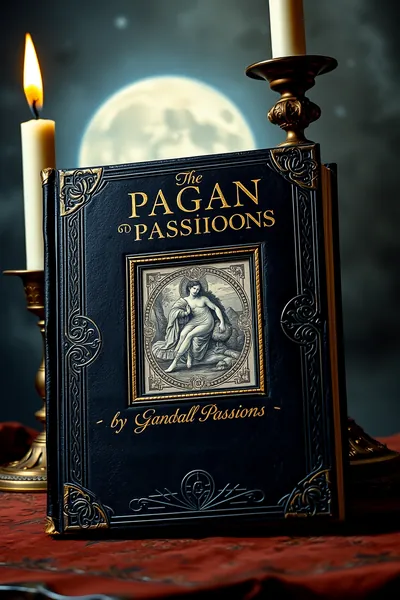
Pagan Passions
📖
Pagan Passions
Garrett, Randall
4.2
69
PAGE-TURNER
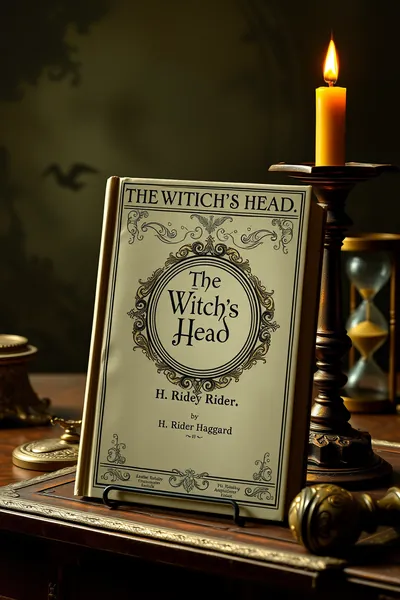
The Witch's Head
📖
The Witch's Head
Haggard, H. Rider (Henry Rider)
4.2
69
MUST READ
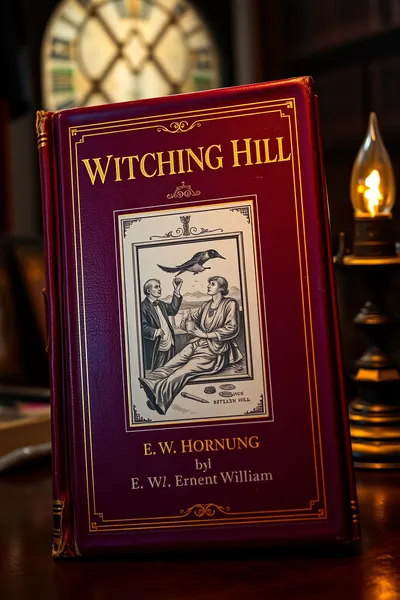
Witching Hill
📖
Witching Hill
Hornung, E. W. (Ernest William)
4.2
68
Daemonologie.
📖
Daemonologie.
James I, King of England
4.3
71
Notes on witchcraft
📖
Notes on witchcraft
Kittredge, George Lyman
4.3
69
Witch Stories
📖
Witch Stories
Linton, E. Lynn (Elizabeth Lynn)
4.3
70
The Timeless Ones
📖
The Timeless Ones
Long, Frank Belknap
4.2
68
The Pagan Madonna
📖
The Pagan Madonna
MacGrath, Harold
4.2
69
A Witch in Time
📖
A Witch in Time
Williams, Herb
4.2
68

Reading Order

Three paths · pick by your level

🌱

Beginner

  1. Pagan Papers Offers a gentle, literary introduction to nature-centric themes and pre-Christian sensibilities through reflective essays by Kenneth Grahame.
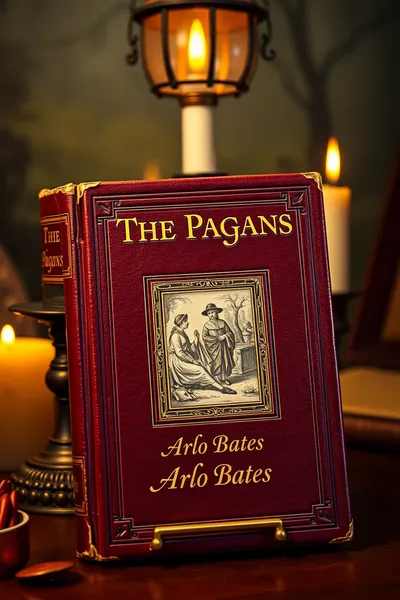
  2. The Pagans Explores the concept of 'pagan' in a social context, examining characters who challenge conventional norms in 19th-century Boston by Arlo Bates.
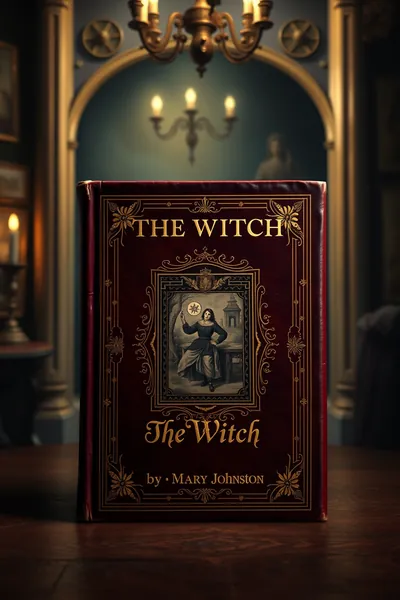
  3. The Witch Provides an accessible historical fiction narrative about a woman accused of witchcraft in 17th-century England by Mary Johnston.
🌿

Intermediate

  1. Witch Stories Dives deeper into historical accounts and folklore surrounding witchcraft, offering a Victorian perspective on societal fears by E. Lynn Linton.
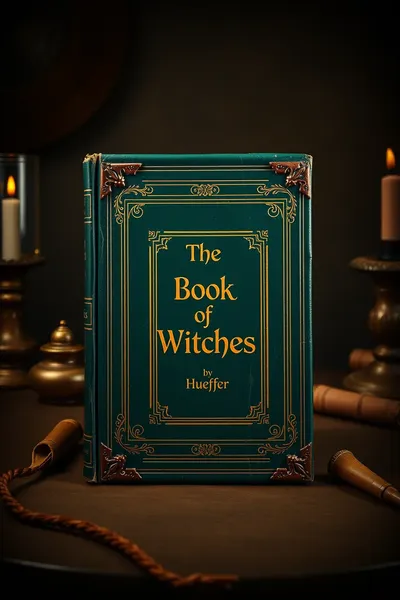
  2. The book of witches Presents a broader historical and cultural overview of witches, aiding in understanding the diverse perceptions throughout time by Oliver Madox Hueffer.
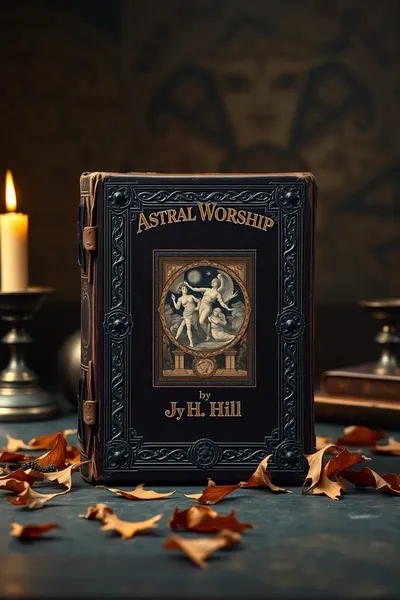
  3. Astral Worship Explores the ancient practice of venerating celestial bodies and their spiritual significance, a key aspect of many historical Pagan traditions by J. H. Hill.
🌳

Advanced

  1. Daemonologie. A crucial primary source from James I, King of England, detailing beliefs on demonology and witchcraft that fueled historical persecutions.
  2. Notes on witchcraft Offers a scholarly and authoritative study of witchcraft beliefs, particularly in colonial New England, providing academic depth by George Lyman Kittredge.
  3. The Witch of Atlas A complex lyrical poem by Percy Bysshe Shelley that offers a philosophical and romanticized portrayal of a magical, nature-connected being, rich with mythological allusions.

Why Each Book Matters

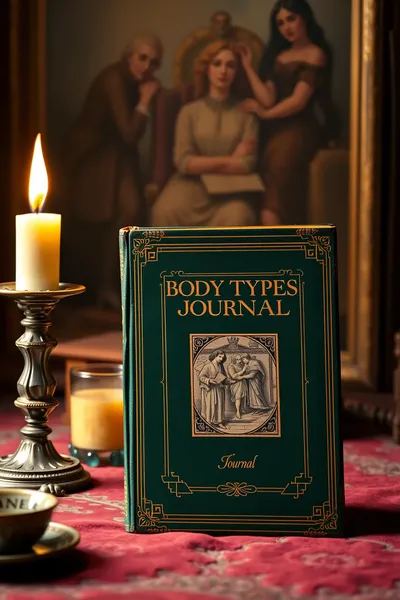
Body Types Journal

Body Types Journal

This item appears to be a general journal or perhaps a study on physical characteristics, rather than a text directly related to Paganism or occult subjects. Its inclusion in the Esoteric Library might be due to a broader collection of historical documents or an accidental categorization. While not offering insight into ancient religions or witchcraft, it represents a different facet of historical documentation, perhaps related to early anthropometry or health observations, though its direct link to the "Paganism" collection is tangential.

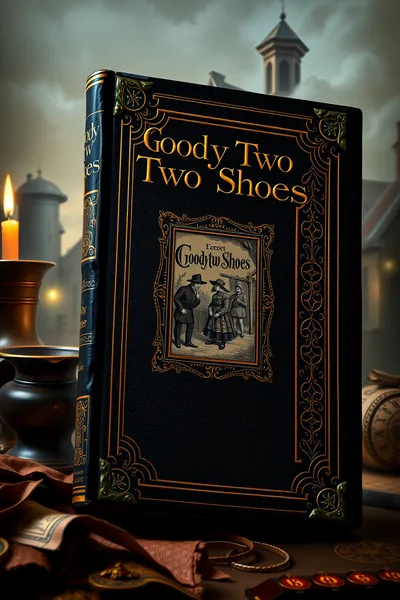
Goody Two Shoes

Goody Two Shoes

Similar to ID 192833, this version of "Goody Two Shoes" is a timeless children's tale, dating back to the 18th century and often credited to John Newbery. It follows the virtuous Margery Meanwell, who receives a pair of shoes and dedicates herself to learning and helping others. While not an esoteric text, its enduring popularity highlights the moral narratives prevalent in historical children's literature. Its presence here offers a general cultural artifact from a period when public perceptions of Paganism and witchcraft were often intertwined with folklore and didactic storytelling.

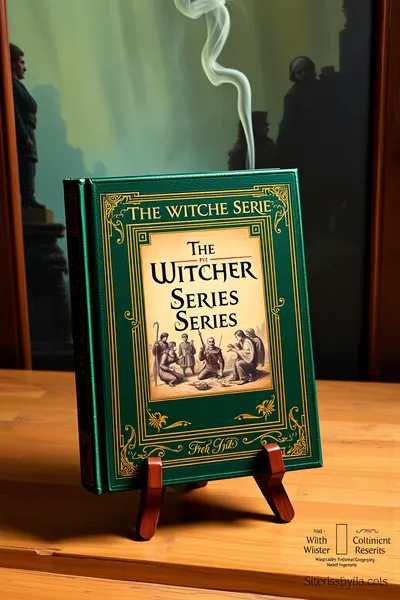
The Witcher Series

The Witcher Series

This entry likely refers to the collection of fantasy novels by Polish author Andrzej Sapkowski, which were first published in 1990, or the popular video game adaptations. The series is deeply inspired by Slavic mythology, folklore, and pre-Christian Pagan beliefs, featuring monsters, magic, and characters like Geralt of Rivia, a monster hunter who navigates a morally ambiguous world. While modern fantasy, its roots in ancient European Paganism and folk traditions make it highly relevant for exploring how these themes are reinterpreted and celebrated in contemporary culture.

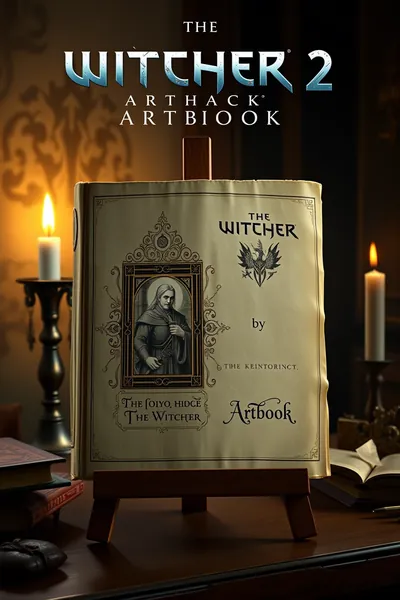
Witcher 2 Artbook

Witcher 2 Artbook

This artbook serves as a visual companion to "The Witcher 2: Assassins of Kings," a critically acclaimed video game released in 2011, based on the fantasy novels by Andrzej Sapkowski. While not a textual work on Paganism, it offers rich visual inspiration drawn from Slavic folklore and mythology, which are deeply rooted in pre-Christian Pagan traditions. The artwork showcases character designs, environments, and creatures that reflect a world steeped in ancient magic, nature spirits, and a complex moral landscape, providing a modern artistic interpretation of themes often associated with Paganism.

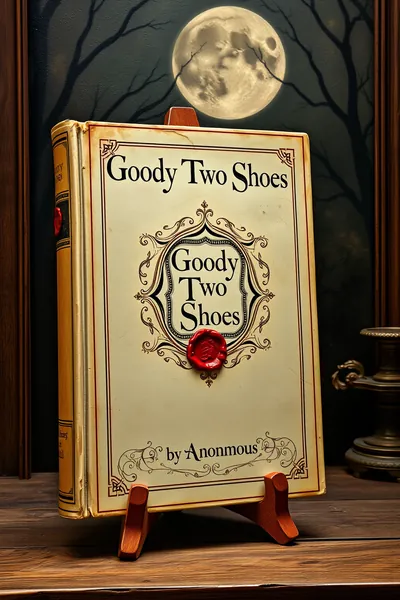
Goody Two Shoes

Goody Two Shoes

by Anonymous

This classic children's story, often attributed to John Newbery and first published in 1765, tells the tale of an orphaned girl, Margery Meanwell, who rises from poverty through her virtue and diligence. While not directly related to Paganism or occult topics, it is a foundational work of English children's literature, reflecting the moral and educational values of the 18th century. Its inclusion in this collection offers a historical context for popular narratives and folklore of the period, providing a glimpse into the broader cultural landscape that existed alongside evolving beliefs about Paganism and witchcraft.

The Pagans

The Pagans

by Arlo Bates

Published in 1884, this novel by American writer Arlo Bates explores the lives and philosophies of a group of unconventional artists and intellectuals in Boston. They label themselves "Pagans" due to their rejection of traditional societal norms and their embrace of aestheticism and individual freedom, often challenging Victorian morality. Bates uses their interactions and internal conflicts to examine the tension between artistic ideals and conventional expectations, providing a fascinating social commentary on what it meant to be an outsider or a "pagan" in late 19th-century American society.

Witch-Doctors

Witch-Doctors

by Beadle, Charles

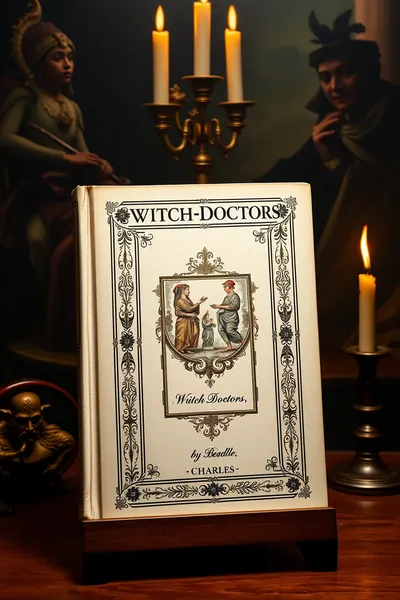
Published in 1913, Charles Beadle's "Witch-Doctors" likely explores the practices and beliefs surrounding traditional healers, shamans, and spiritual practitioners, particularly within indigenous cultures. The term "witch-doctor" itself reflects a colonial perspective, often misinterpreting complex spiritual roles through a Western lens. This work offers a historical perspective on how such figures were perceived and documented, providing insight into the diverse spiritual practices that, while distinct from European Paganism, share common threads of animism, ritual, and connection to the spirit world.

Witch-Burning

Witch-Burning

by Counselman, Mary Elizabeth

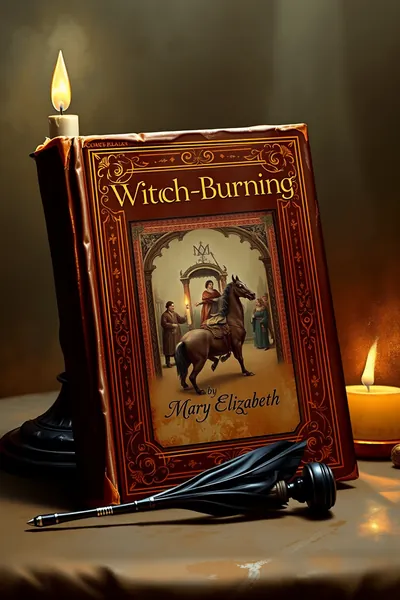
This short story by American horror writer Mary Elizabeth Counselman, published in 1953, delves into the dark and tragic history of witch trials and executions. While a work of fiction, it vividly portrays the terror and injustice faced by those accused of witchcraft, often highlighting the mob mentality and societal paranoia that fueled such atrocities. Counselman's narrative serves as a chilling reminder of the historical persecution rooted in fear of the unknown and suspicion of non-conformist spiritual practices, which frequently targeted individuals associated with perceived Paganism.

The Shadow Witch

The Shadow Witch

by Crownfield, Gertrude

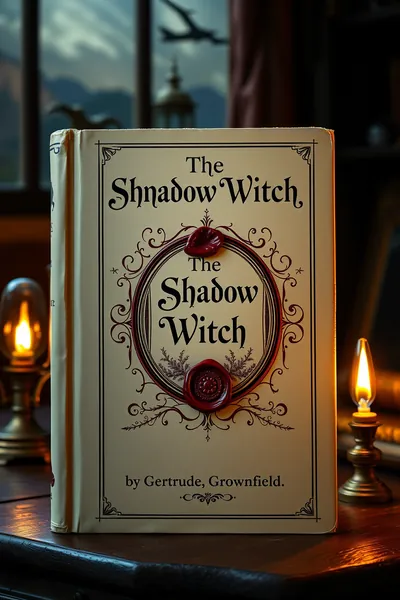
Gertrude Crownfield's "The Shadow Witch" is likely a children's or young adult fantasy novel, published in 1930, that introduces readers to a magical world where a witch figure plays a central role. These stories often explore themes of good versus evil, courage, and the discovery of hidden powers, presenting witches in a more nuanced or even benevolent light than historical accounts. It contributes to the evolving literary portrayal of witches, moving beyond purely negative stereotypes to explore the complexities of magic and its practitioners within a narrative framework.

Pagan Passions

Pagan Passions

by Garrett, Randall

This science fiction novel by Randall Garrett, published in 1959, explores a futuristic society where ancient "pagan" impulses and desires clash with advanced technology and societal structures. Garrett often blends elements of fantasy and social commentary, using the term "Pagan" to represent primal human emotions, desires, and perhaps even suppressed spiritual instincts. The story likely delves into how these deep-seated passions manifest in a highly rationalized world, offering a speculative look at the enduring nature of human spirit, even when confronted with a seemingly post-Pagan future.

The Witch's Head

The Witch's Head

by Haggard, H. Rider (Henry Rider)

Published in 1885 by the renowned adventure novelist H. Rider Haggard, "The Witch's Head" is set in South Africa and blends elements of romance, adventure, and the supernatural. The story features a powerful Zulu witch doctor, or "Isanusi," whose mystical abilities and prophecies significantly impact the lives of the characters, particularly during the Anglo-Zulu War. Haggard's portrayal, while reflecting colonial perspectives, introduces readers to indigenous spiritual practices and the concept of powerful magical figures, offering a glimpse into non-Western belief systems often categorized alongside broader Paganism.

Witching Hill

Witching Hill

by Hornung, E. W. (Ernest William)

Authored by E. W. Hornung, known for his Raffles stories, this 1913 novel presents a series of interconnected tales centered around a mysterious English estate. The stories often involve supernatural occurrences, ancient curses, and the lingering presence of dark forces, hinting at a deep, unsettling history tied to the land. While not explicitly about Paganism, the title and themes evoke a sense of pre-Christian lore and the enduring power of place, where old magic and forgotten rituals might still hold sway, influencing the lives of those who inhabit "Witching Hill."

The book of witches

The book of witches

by Hueffer, Oliver Madox

Published in 1908 by Oliver Madox Hueffer, this work likely provides a historical and cultural survey of witchcraft, exploring its origins, practices, and the various beliefs surrounding it across different eras and geographies. Hueffer's approach would typically involve examining folklore, historical accounts, and perhaps literary portrayals of witches. This book serves as a valuable resource for understanding the multifaceted phenomenon of witchcraft, often intertwined with the historical suppression and misunderstanding of diverse spiritual practices, including Paganism.

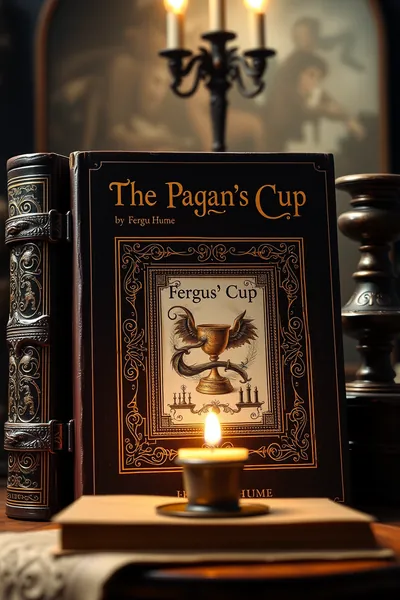
The Pagan's Cup

The Pagan's Cup

by Hume, Fergus

Written by the prolific Australian author Fergus Hume, known for his detective fiction, and published in 1905, "The Pagan's Cup" is a mystery novel that likely involves an artifact with ancient, possibly occult, significance. Hume's narratives often incorporate elements of suspense, intrigue, and historical secrets, suggesting that the "pagan's cup" itself might be central to a crime or a hidden ritual. The story promises a thrilling exploration of how ancient relics and their associated lore can stir up trouble in the modern world, hinting at forgotten spiritual practices.

Astral Worship

Astral Worship

by J. H. Hill

Published in 1895, J. H. Hill's "Astral Worship" explores the ancient practice of venerating celestial bodies and their perceived influence on human affairs and destiny. This work delves into the historical roots of astrology, sky deities, and the spiritual significance attributed to the stars and planets across various ancient cultures, including those often categorized under Paganism. It examines how these cosmic beliefs shaped early religions, mythologies, and esoteric traditions, offering a scholarly look at a foundational aspect of many pre-modern spiritual systems.

Daemonologie.

Daemonologie.

by James I, King of England

Penned by King James VI of Scotland (later James I of England) and published in 1597, this influential philosophical dissertation on demonology and witchcraft was a primary text during the height of the European witch hunts. The King, a staunch believer in the reality of witches and their pacts with the Devil, details various forms of magic, the nature of demons, and methods for identifying and prosecuting witches. This work profoundly shaped legal and public opinion, contributing to the persecution of countless individuals accused of practicing what was often conflated with Paganism.

The Witch

The Witch

by Johnston, Mary

This 1914 historical novel by the American author Mary Johnston transports readers to 17th-century England, amidst the fervent witch hunts of the era. The story centers on a young woman accused of witchcraft, exploring themes of superstition, societal fear, and the struggle for individual freedom against oppressive religious dogma. Johnston masterfully weaves historical detail with a compelling narrative, offering a poignant look at the tragic consequences of accusations and the enduring power of belief, whether in magic or in justice. It provides a fictional yet insightful window into the historical anxieties surrounding perceived Paganism.

Pagan Papers

Pagan Papers

by Kenneth Grahame

This delightful collection of essays, first published in 1893 by the beloved author of "The Wind in the Willows," Kenneth Grahame, offers a series of reflective and whimsical observations on nature, childhood, and a romanticized view of ancient, pre-Christian sensibilities. Grahame's prose evokes a gentle longing for a simpler, more animistic world, where streams and woods hold ancient spirits. The essays are imbued with a quiet charm and a deep appreciation for the natural world, providing a literary, almost nostalgic, connection to themes often associated with Paganism.

Notes on witchcraft

Notes on witchcraft

by Kittredge, George Lyman

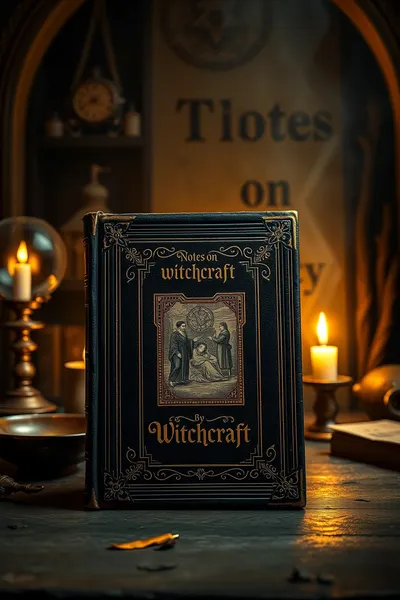
George Lyman Kittredge's "Notes on Witchcraft," originally published in 1907, is a scholarly and authoritative study on the history and sociology of witchcraft beliefs, particularly in New England during the colonial period. Kittredge, a renowned Harvard professor, meticulously examines primary sources, legal documents, and cultural contexts to provide a comprehensive analysis of the Salem witch trials and broader European traditions. This academic work offers crucial insights into the historical persecution of alleged witches, which often targeted individuals whose practices or beliefs deviated from mainstream Christianity, sometimes echoing ancient Paganism.

Witch Stories

Witch Stories

by Linton, E. Lynn (Elizabeth Lynn)

This collection, authored by the prolific Victorian writer E. Lynn Linton and published in 1861, compiles various tales and historical accounts surrounding witchcraft and supernatural phenomena. Linton explores the folklore, superstitions, and documented cases of accused witches, often with a critical eye towards the social hysteria and gender biases prevalent in past eras. The book offers a fascinating, albeit often sensationalized, glimpse into the cultural imagination of witchcraft, shedding light on how these narratives shaped public perception of those deemed outside conventional Christian belief, including historical Paganism.

The Timeless Ones

The Timeless Ones

by Long, Frank Belknap

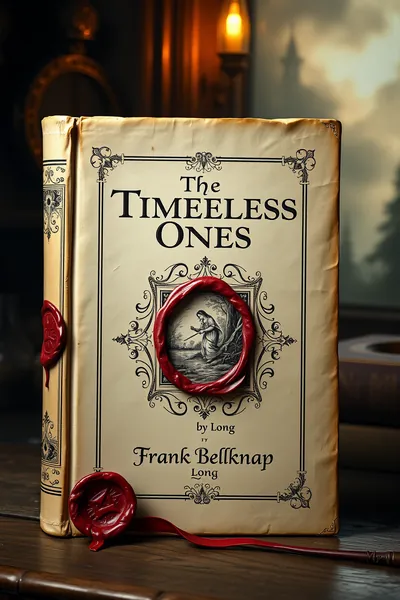
This science fiction or horror story by Frank Belknap Long, a prominent figure in the Weird Fiction genre, published in 1957, likely involves ancient, perhaps cosmic, entities or beings that exist outside conventional time. Long's work often draws on themes of cosmic horror and forgotten civilizations. While not explicitly about historical Paganism, the concept of "timeless ones" often echoes ancient mythologies and pre-human deities, tapping into a primal fear and reverence for forces beyond human comprehension, reminiscent of the awe inspired by ancient pagan pantheons.

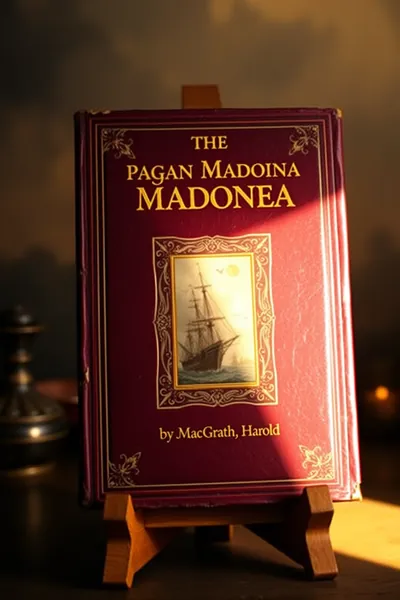
The Pagan Madonna

The Pagan Madonna

by MacGrath, Harold

Harold MacGrath's "The Pagan Madonna," published in 1921, is likely a romantic adventure or mystery novel. The title suggests a central female character who embodies a captivating, perhaps unconventional, beauty and spirit, challenging traditional notions of femininity with a "pagan" allure. MacGrath's work often features intriguing plots and exotic settings. This novel probably explores the allure of the unconventional and the clash of ancient, instinctual passions with modern societal expectations, using the "Pagan" descriptor to evoke a sense of wildness and natural charm.

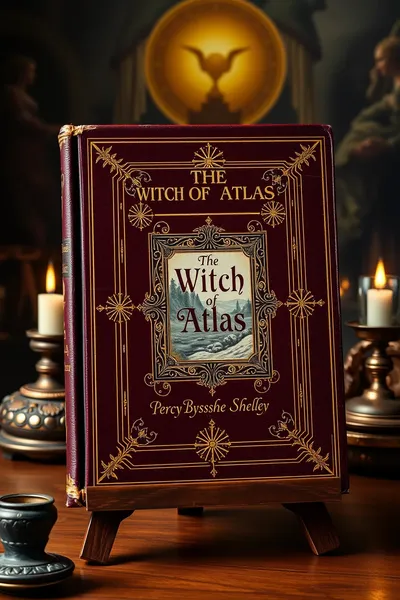
The Witch of Atlas

The Witch of Atlas

by Percy Bysshe Shelley

This lyrical narrative poem by Percy Bysshe Shelley, written in 1820, tells the story of an ethereal witch who dwells on Mount Atlas. She is a benevolent, nature-connected figure, distinct from the malevolent witches of folklore. Shelley's poem is rich with mythological allusions and symbolic imagery, exploring themes of beauty, imagination, and the harmonious relationship between humanity and nature. It offers a romanticized, philosophical portrayal of a magical being, aligning with a more idealized, spiritual understanding of Paganism rather than its historical persecution.

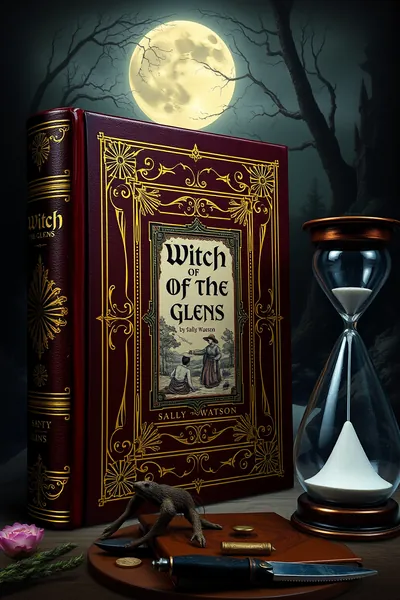
Witch of the Glens

Witch of the Glens

by Watson, Sally

Sally Watson's "Witch of the Glens," published in 1960, is likely a historical fiction or young adult novel set in Scotland, exploring themes of folklore, magic, and perhaps the Scottish witch trials. The "glens" suggest a connection to the wild, untamed landscapes often associated with ancient Celtic beliefs and folk magic. Watson's narrative would typically portray a strong female character navigating a world where ancient traditions and superstitions clash with emerging societal norms, providing a vivid, albeit fictional, look at the cultural context surrounding perceived Paganism in historical Scotland.

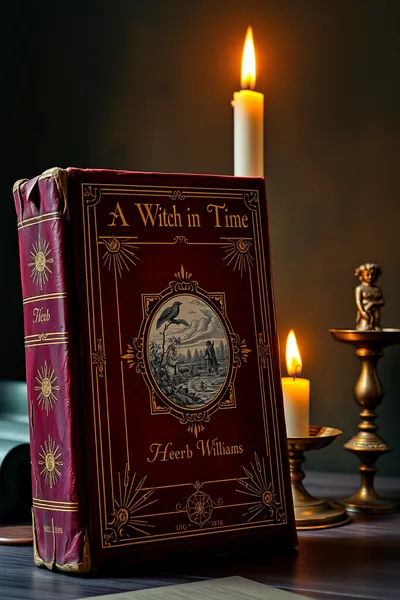
A Witch in Time

A Witch in Time

by Williams, Herb

This fantastical tale, likely a work of fiction, explores themes of magic, time travel, and the enduring power of witches across different eras. Such narratives often blend historical elements with imaginative storytelling, allowing for a creative reinterpretation of the witch figure – sometimes as a persecuted outsider, other times as a powerful magical practitioner. The book contributes to the rich literary tradition that has both demonized and romanticized witches, reflecting changing societal attitudes towards figures often historically associated with Paganism or folk magic.

Glossary

Paganism
An umbrella term referring to pre-Christian polytheistic or animistic religious traditions, often characterized by nature worship and reverence for multiple deities. It encompasses a wide array of ancient spiritual paths and belief systems.
Witchcraft
Historically, a practice often associated with magic, sorcery, and perceived communion with malevolent spirits, frequently conflated with Paganism during periods of persecution. Modern interpretations vary widely, from folk practices to neo-pagan spiritual paths.
Animism
The belief that all objects, places, and creatures possess a distinct spiritual essence. Animism is a foundational aspect of many ancient Pagan traditions, recognizing the sacredness and sentience within the natural world.
Polytheism
The belief in and worship of multiple gods. Many historical Pagan religions, such as those of ancient Greece, Rome, and Egypt, were polytheistic, featuring pantheons of deities governing various aspects of life and nature.
Esoteric
Pertaining to knowledge that is intended for or understood by only a small number of people with specialized knowledge or interest. Paganism often contains esoteric elements, involving hidden meanings, symbolic rituals, and deeper spiritual insights.

FAQ

What is Paganism?

Paganism is an umbrella term for diverse spiritual traditions, typically pre-Christian, characterized by polytheism, animism, and nature reverence. It encompasses ancient belief systems and modern revivals, celebrating the divine in the natural world and often honoring multiple deities or spirits.

How do I start with Paganism?

Starting with Paganism involves research and introspection, as it's a diverse path. Begin by exploring historical texts, mythologies, and modern interpretations available in this collection to understand its various forms. Reflect on what resonates with your personal spiritual inclinations before seeking specific practices.

What's the best book on Paganism?

The 'best' book on Paganism depends on your interest, whether historical, fictional, or spiritual. For a literary reflection on pagan themes, consider Kenneth Grahame's "Pagan Papers." For historical context on witchcraft, James I's "Daemonologie." offers a primary source perspective on the persecution of perceived Paganism.

Is Paganism difficult to learn?

Learning about Paganism is not inherently difficult, but it requires an open mind and a willingness to explore diverse traditions. The challenge lies in its breadth and the absence of a single dogma, encouraging personal research and interpretation. Our collection provides foundational texts to aid your journey into Paganism.

Can I download Paganism books for free?

Yes, you can download all Paganism books in the Esoteric Library for free. Our collection consists of public-domain works, making them freely accessible for anyone interested in exploring the history, folklore, and spiritual aspects of Paganism without cost.

Esoteric Library
Browse Esoteric Library
📚 All 16,000+ Books 🜍 Alchemy & Hermeticism 🔮 Magic & Ritual 🌙 Witchcraft & Paganism Astrology & Cosmology 🃏 Divination & Tarot 📜 Occult Philosophy ✡️ Kabbalah & Jewish Mysticism 🕉️ Mysticism & Contemplation 🕊️ Theosophy & Anthroposophy 🏛️ Freemasonry & Secret Societies 👻 Spiritualism & Afterlife 📖 Sacred Texts & Gnosticism 👁️ Supernatural & Occult Fiction 🧘 Spiritual Development 📚 Esoteric History & Biography
Esoteric Library
📑 Collections 📤 Upload Your Book
Account
🔑 Sign In Create Account
Info
About Esoteric Library