The world of the occult is vast, and within it, Ceremonial Magic stands as a towering tradition, often associated with elaborate rituals, complex symbolism, and the pursuit of spiritual transformation. Unlike more spontaneous forms of spellcraft, Ceremonial Magic typically involves precise procedures, specific tools, and a structured approach to invoking or evoking spiritual entities, divine forces, or internal states of consciousness. It is a path that demands discipline, study, and a deep understanding of esoteric principles. For centuries, practitioners have sought to bridge the mundane and the divine through carefully orchestrated ceremonies, aiming for personal enlightenment, magical effects, or communion with higher intelligences. This structured approach distinguishes it, emphasizing preparation, purification, and the creation of a sacred space to ensure the efficacy and safety of the magical operation.
Historically, the roots of Ceremonial Magic stretch back to ancient civilizations, drawing from Egyptian, Babylonian, Greek, and Hebrew mystical traditions. The Hermetic texts, the Qabalah, and the magical papyri of antiquity laid much of the groundwork. During the Renaissance, figures like Marsilio Ficino and Giovanni Pico della Mirandola integrated these ancient streams with Christian mysticism, paving the way for the grimoires that would define much of later Ceremonial Magic. These grimoires, such as the famous Key of Solomon, provided detailed instructions for constructing magical circles, preparing talismans, and performing invocations, often with a focus on angelic or planetary spirits. The resurgence of interest in these practices in the 19th and 20th centuries led to the formation of influential orders like the Hermetic Order of the Golden Dawn, which systematized many of these ancient teachings into a coherent curriculum of Ritual Magic, influencing countless modern practitioners.
At its core, Ceremonial Magic is often seen as a form of High Magic, distinguished from Low Magic or folk magic by its intellectual rigor, ethical considerations, and often, its goal of spiritual advancement rather than purely mundane concerns. Practitioners engage in rituals that might involve intricate robes, consecrated weapons, specific incantations, and carefully timed astrological alignments. The intent is to create a sacred space and a powerful energetic current to achieve specific magical or spiritual outcomes. This can range from the evocation of spirits for knowledge or power, as explored in texts like The Magus by Francis Barrett, to the inner alchemical transformation sought by many Hermeticists. The discipline required for Ceremonial Magic fosters a deep connection between the individual and the cosmos, viewing the magician as a microcosm reflecting the macrocosm.
Modern Ceremonial Magic continues to evolve, incorporating elements from various traditions while maintaining its core principles of structured ritual. Contemporary practitioners might draw from ancient Egyptian practices, as found in texts on Enochian Magic, or integrate concepts from Chaos Magic, adapting classical techniques to a more personal and experimental framework. The emphasis on personal gnosis and direct experience with spiritual forces remains central. Whether through the elaborate temple workings of the Golden Dawn tradition or the more focused invocations found in specialized grimoires, the essence of Ceremonial Magic lies in its deliberate, intentional approach to manifesting change and achieving spiritual insight through sacred performance.
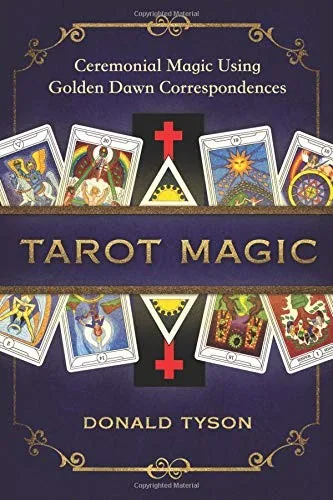
The Esoteric Library offers a unique opportunity to explore the rich tapestry of Ceremonial Magic through its collection of free public domain occult texts. Here, you can find foundational works that illuminate the intricate rituals and philosophical underpinnings of this profound tradition. Whether you are interested in the historical development, the practical application, or the spiritual philosophy behind Ceremonial Magic, our curated selection provides invaluable resources. From the detailed instructions of classical grimoires to modern interpretations of ritual practice, these books offer a gateway to understanding the art and science of working with unseen forces. Discover the principles of Ritual Magic and explore the paths laid out by influential authors such as Donald Tyson and M. Isidora Forrest, who bring contemporary insights to ancient practices. This collection is an indispensable resource for anyone seeking to understand or practice Ceremonial Magic.