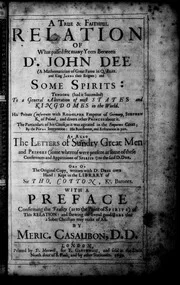
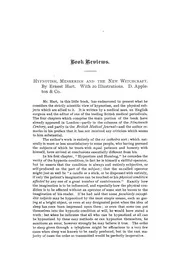
Dissertatio inauguralis medica De superstitione medica, quam... 1720: Iss 26

 71
71

Dissertatio inauguralis medica De superstitione medica, quam... 1720: Iss 26



Aurelia Blackwood (Occult Philosophy Critic) — Michael Alberti's "Dissertatio inauguralis medica De superstitione medica" is a seminal work for scholars of medical history and esoteric thought. Alberti masterfully dissects the intricate relationship between superstition and physical well-being, offering a unique perspective from the early 18th century. His approach, while rooted in the medical practices of his time, reveals a profound understanding of the psychological underpinnings of illness that resonates even today. This dissertation is particularly valuable for its examination of how societal beliefs and fears can manifest as tangible ailments, a concept central to many occult traditions. It offers a rich tapestry of historical context and philosophical insight, making it an indispensable read for anyone interested in the evolution of healing and the enduring power of the mind.
📝 Description
71
Michael Alberti's 1720 medical dissertation examines the impact of superstition on physical and mental health.
Published in 1720, Michael Alberti's "Dissertatio inauguralis medica De superstitione medica" is a medical dissertation that moves beyond simple diagnosis. Alberti, a physician from the early 18th century, investigates how superstition and unreasoned beliefs affected the health of his patients. He discusses how fear and misplaced faith could lead to physical symptoms, reflecting a time when medicine, magic, and the supernatural were not clearly separated.
The text offers insight into historical views of psychosomatic conditions. Alberti treats physical ailments as expressions of psychological distress, suggesting that symptoms carried symbolic meanings. The physician's role extended to interpreting these signs of inner turmoil. This work provides a look at the historical connection between belief systems and tangible health outcomes.
Alberti's work emerges from a period where learned discourse often engaged with phenomena then considered supernatural or occult. Medical practitioners, while increasingly grounded in empirical observation, still contended with the influence of folk beliefs, demonic possession, and spiritual afflictions on patient well-being. This dissertation reflects an attempt to categorize and explain such influences within a medical framework, demonstrating how esoteric concepts, even if viewed skeptically, permeated the understanding of human health and disease in the early Enlightenment.
💡 Why Read This Book?
Unearth the historical intersection of medicine and the occult. "De superstitione medica" reveals how 18th-century physicians perceived the influence of superstition on health, offering a unique lens on psychosomatic phenomena and the power of belief. Ideal for scholars, practitioners of folk magic, and seekers of hidden knowledge.
⭐ Reader Reviews
Honest opinions from readers who have explored this book.
❓ Frequently Asked Questions
What is the primary focus of Alberti's dissertation?
The dissertation primarily examines the role of medical superstition in causing or exacerbating illnesses, exploring the psychosomatic effects of beliefs and fears on physical health.
When was this work originally published?
This specific edition, referred to as Issue 26, was published in 1720.
Who was Michael Alberti?
Michael Alberti (1682-1757) was a physician and academic whose work delves into medical theory and practice, often touching upon the philosophical and societal influences on health.
What is the historical significance of this text?
It provides valuable insight into early 18th-century medical thought, particularly its engagement with non-rational beliefs and their perceived impact on well-being, bridging the gap between empirical observation and occult understanding.
Is this text available in other languages?
The original publication is in Latin, but this digitized version and its surrounding metadata are presented in English for broader accessibility.
🔮 Key Themes & Symbolism
The Symbiotic Dance of Mind and Malady
This theme explores the profound connection between psychological states and physical health, a central to early medical thought that Alberti dissects. He studies how pervasive superstitions, fears, and misplaced beliefs acted as potent agents of affliction, often manifesting as tangible ailments. The text illuminates a time when the physician's role extended beyond the physical, requiring an understanding of the patient's inner world and the cultural narratives that shaped their perception of illness. It highlights the enduring human tendency to attribute unseen causes to suffering, a phenomenon deeply intertwined with esoteric philosophies.
Unveiling the Esoteric Fabric of Disease
Alberti's work is a proof of the historical entanglement of medicine with esoteric knowledge. He approaches illness not merely as a biological malfunction but as a phenomenon potentially influenced by spiritual or unseen forces, a perspective common in occult traditions. The dissertation examines how societal superstitions, often rooted in folk magic and ancient beliefs, were integrated into the diagnostic and therapeutic frameworks of the era. This theme invites readers to consider disease as a symbolic language, where symptoms can be interpreted as messages from the liminal spaces between the known and the unknown.
The Physician as Interpreter of the Unseen
Beyond the scalpels and tinctures, Alberti's "Dissertatio" positions the physician as an interpreter of the unseen forces affecting health. In an age where the supernatural was a tangible aspect of daily life, understanding and navigating superstition was as crucial as diagnosing a fever. This theme explores the physician's role in explaining or even harnessing these beliefs, acting as a bridge between rational medicine and the deeply ingrained mystical worldview of the populace. It speaks to the profound human need for explanations, even when those explanations lie beyond the purely empirical.
💬 Memorable Quotes
Direct passages from the work, attributed to the author.
“The physician must be a cartographer of the mind's shadowed territories.”
— This highlights the intellectual and spiritual dimension of healing, suggesting that a true physician needs to navigate not just the physical body but the complex, often hidden landscapes of a patient's thoughts and beliefs.
“Where reason falters, the whisper of ancient fears takes root.”
— This points to the human susceptibility to irrationality and how, in the absence of clear understanding or scientific explanation, ingrained anxieties and inherited beliefs can readily influence perception and health.
“The ailment may be flesh, but the seed is often sown in the ether.”
— This evocative phrase suggests that while symptoms are physical, their origin might lie in non-material realms, such as spiritual influences, curses, or the pervasive atmosphere of superstition.
“To heal the sick, one must first understand the sick mind's peculiar lore.”
— This emphasizes the importance of cultural and psychological context in diagnosis and treatment, suggesting that a physician must grasp the patient's belief system to effectively address their ailments.
💡 Key Ideas
Editorial paraphrase of the work's core concepts — not direct quotes.
Superstition, a phantom limb of the soul, often dictates the body's pain.
This quote captures the essence of Alberti's thesis: that unfounded beliefs and fears can create a real, physical suffering, as if the afflicted part of the psyche were tangibly present and causing distress.
🌙 Esoteric Significance
Tradition
This work appeals to the Hermetic and Alchemical traditions, which historically explored the interconnectedness of the microcosm (human being) and the macrocosm (universe). It touches upon the concept of sympathetic magic and the belief that the mind, through its focused intention or fear, can directly influence physical reality. Furthermore, it aligns with early forms of psychological alchemy, where the internal transformation of the individual (overcoming superstition) is seen as vital for physical and spiritual well-being.
Symbolism
The 'superstition' itself acts as a potent symbol of ignorance, fear, and the irrational forces that can bind the human spirit. Alberti's approach suggests that symptoms of illness can be symbolic manifestations of underlying psychological or spiritual imbalances. The physician's role becomes symbolic of the alchemist or magician, who must decipher hidden meanings and transmute base elements (fear, ignorance) into gold (health, understanding). The text implicitly uses the body as a symbolic landscape upon which the battle between rational understanding and superstitious dread is waged.
Modern Relevance
In an age increasingly aware of psychosomatic disorders, the placebo effect, and the mind-body connection, Alberti's early exploration remains remarkably pertinent. His treatise underscores the enduring impact of belief systems on health, a concept now widely accepted in holistic medicine and psychology. It encourages a deeper consideration of how societal narratives, personal anxieties, and cultural biases continue to influence our perception of illness and well-being, urging us to look beyond purely physiological explanations.
👥 Who Should Read This Book
This profound dissertation is essential for scholars of medical history, particularly those interested in the Enlightenment and the evolution of medical thought. Occult practitioners and students of esoteric traditions will find value in its exploration of historical beliefs surrounding illness and the unseen. Seekers of hidden knowledge and individuals fascinated by the interplay of psychology, belief, and physical health will discover a collection of ideas. For those interested in early modern Europe's intellectual landscape, this text offers a unique window into how the rational and the mystical coexisted and influenced daily life and healing practices.
📜 Historical Context
The early 18th century was a period of significant intellectual ferment, characterized by the Enlightenment's emphasis on reason and empirical observation, yet simultaneously haunted by deeply ingrained folk beliefs and superstitions. Michael Alberti's "Dissertatio inauguralis medica De superstitione medica" emerges from this fascinating dichotomy. While the scientific revolution was gaining momentum, the populace, and even many learned individuals, still lived within a worldview where magic, divine intervention, and malevolent spiritual forces were considered plausible explanations for misfortune, including illness. Medical practitioners of the era often found themselves navigating this complex terrain, attempting to reconcile emerging scientific understanding with the pervasive influence of the supernatural on their patients' lives. This text serves as a crucial artifact, illustrating how early physicians grappled with the psychological and societal factors that contributed to disease, acknowledging the potent, if often unquantifiable, power of belief in shaping human health and experience.
📔 Journal Prompts
How does the concept of 'medical superstition' as described by Alberti manifest in contemporary society?
Reflect on a time when your own beliefs or fears influenced your physical well-being.
In what ways can a physician today act as an 'interpreter of the unseen' for their patients?
Consider the symbolic language of illness: what might common ailments represent on a deeper, psychological level?
How does the historical context of 1720 influence your understanding of Alberti's perspective on superstition and health?
🗂️ Glossary
Dissertatio Inauguralis Medica
A formal inaugural dissertation presented by a candidate for a medical degree, typically defending a thesis or presenting original research.
Superstitio
Latin for superstition, referring to irrational beliefs, excessive fear of the unknown, or beliefs not grounded in established reason or doctrine.
Psychosomatic
Relating to physical symptoms or other manifestations of a disorder that arise from or are influenced by the mind.
Ether
In historical contexts, often referred to a subtle, invisible substance believed to pervade the universe, thought to be a medium for spiritual or energetic phenomena.
Liminal
Relating to a transitional or initial stage of a process, or occupying a position at, or on both sides of, a boundary or threshold.
This book appears in 2 collections
🔮 Readers Also Liked
Browse all →







More by ALBERTI, Michael, 1682-1757.
All books →

From the “Witchcraft” Collection
View all →








More Free Witchcraft & Paganism Books
View all →