Dialogicall discourses of spirits and divels, ... 1601: Iss 254
 76
76

Dialogicall discourses of spirits and divels, ... 1601: Iss 254



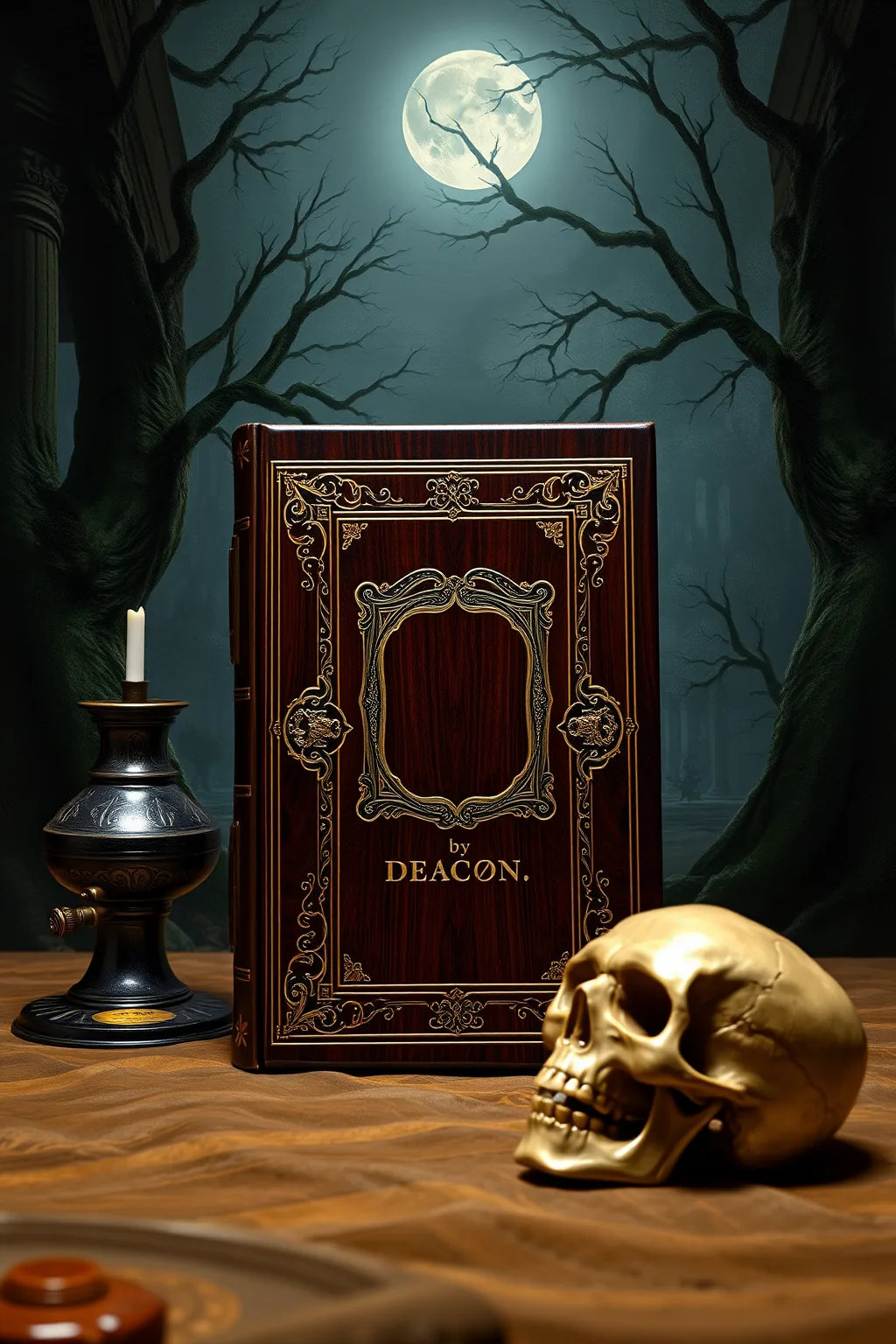
John Deacon's "Dialogicall Discourses" is a formidable scholarly artifact, offering an unflinching gaze into the demonological anxieties of 1601. Eschewing sensationalism, Deacon meticulously dissects the perceived machinations of spirits and devils, grounding his arguments in theological discourse and contemporary beliefs. This work is invaluable for understanding the intellectual climate that birthed widespread witch hunts and shaped popular understanding of the occult. While dense, its value lies in its detailed examination of spiritual hierarchies and the perceived interaction between the human and infernal planes. Recommended for serious students of demonology, early modern religious history, and those seeking to grasp the foundational texts of Western esotericism.
📝 Description
76
John Deacon's 1601 "Dialogicall Discourses of Spirits and Divels" examines the nature of infernal entities.
Published in 1601, John Deacon's "Dialogicall Discourses of Spirits and Divels" investigates the perceived nature and influence of demonic beings. Deacon, attuned to the spiritual climate of his era, provides a carefully constructed, though fearful, analysis of the supernatural world. The book reflects the anxieties and strong convictions of a time when the boundary between the physical and spiritual was thought to be easily crossed.
Through a series of dialogues, the work confronts theological arguments, popular folklore, and the tangible societal fears that contributed to accusations of witchcraft and alleged pacts with malevolent forces. It represents an examination of the philosophical basis of spiritual conflict, mirroring humanity's constant interest in hidden powers that shape fate and inspire terror. This text is more than just a historical document; it is a view into the shared consciousness of a past era.
This work fits within the early modern tradition of demonological texts, which often blended theological reasoning with accounts of folk belief and contemporary anxieties about witchcraft. Such books served to categorize and understand perceived spiritual threats, reflecting a worldview where supernatural forces played an active role in human affairs. Deacon's approach, while fearful, engages with the established intellectual frameworks of the period for discussing spirits and their influence.
💡 Why Read This Book?
This book offers a rare, unvarnished look at early modern demonology, revealing the intricate theological and social frameworks surrounding beliefs in spirits and devils. It's essential for scholars of witchcraft history, occult philosophy, and anyone seeking to understand the deep-seated fears and symbolic language that shaped perceptions of the supernatural in the Renaissance. Discover hidden dialogues on spiritual warfare and the human condition.
⭐ Reader Reviews
Honest opinions from readers who have explored this book.
❓ Frequently Asked Questions
What is the primary focus of Deacon's "Dialogicall Discourses"?
The primary focus is a detailed, dialogical examination of the nature, influence, and perceived interactions of spirits and devils within the theological and societal context of 1601 England.
Who was John Deacon?
John Deacon was an English writer and cleric active in the late 16th and early 17th centuries, known for his theological works, including this significant treatise on demonology.
Is this book suitable for beginners in occult studies?
While historically significant, the dense theological and philosophical language may be challenging for absolute beginners. It is best suited for those with some background in early modern history or religious studies.
What historical period does this book illuminate?
This book vividly illuminates the late Renaissance period (specifically 1601), a time of intense spiritual questioning, burgeoning scientific inquiry, and widespread fear of the supernatural and demonic influence.
How does this text relate to witchcraft history?
It provides crucial insight into the intellectual and theological justifications used to understand and prosecute alleged witchcraft, detailing the perceived roles and powers of demonic entities in such accusations.
🔮 Key Themes & Symbolism
The Nature of Spirits and Devils
Deacon meticulously dissects the perceived characteristics, hierarchies, and modus operandi of both celestial and infernal spirits. The "dialogicall" format allows for a multi-faceted exploration, presenting arguments and counter-arguments regarding their existence, their influence on human affairs, and the theological implications of their dominion. This theme studies the fundamental questions of spiritual ontology and the perceived cosmic battle between good and evil that defined early modern thought, offering a structured yet deeply unsettling view of the unseen forces believed to govern reality.
Spiritual Warfare and Human Agency
Central to the "Dialogicall Discourses" is the concept of spiritual warfare, where humanity finds itself caught between divine providence and demonic temptation. Deacon explores how individuals are susceptible to infernal influence, the mechanisms through which devils operate (temptation, possession, deception), and the theological imperative for vigilance and faith. The text examines the boundaries of human free will in the face of such potent spiritual adversaries, reflecting a profound concern with salvation, damnation, and the constant struggle for the soul. It illuminates the era's understanding of moral responsibility in a world perceived as saturated with spiritual conflict.
Theological Debates and Esoteric Interpretation
This work is a evidence of the complex theological debates of the late Renaissance, particularly concerning demonology and the interpretation of scripture and ancient texts. Deacon engages with established doctrines while also exploring more esoteric interpretations of spiritual phenomena. The "discourses" serve as a vehicle for interrogating established dogmas and probing the subtle nuances of divine and infernal power. It reveals how religious scholarship of the time sought to reconcile faith with observed or imagined supernatural events, often venturing into speculative territories that bordered on the occult, offering a glimpse into the intellectual currents shaping esoteric thought.
💬 Memorable Quotes
Direct passages from the work, attributed to the author.
“The subtle serpent doth insinuate his poisons.”
— This aphorism speaks to the insidious nature of evil, suggesting that demonic influence operates not through brute force, but through cunning deception and gradual corruption, subtly undermining virtue.
“Spirits do hold their courses, unseen, yet felt.”
— This highlights the perceived omnipresence and impact of the spiritual world, acknowledging its hidden nature yet emphasizing its tangible effects on human lives and events.
“A dialogue of doubt doth breed a fertile ground for fear.”
— This proverb underscores the psychological impact of uncertainty and questioning regarding the spiritual realm, indicating how doubt can amplify fear and susceptibility to negative influences.
“The understanding of their wiles is our first defence.”
— This suggests that knowledge, even of dark subjects, is crucial for protection. By comprehending the strategies and tricks of malevolent spirits, one can better resist their influence.
💡 Key Ideas
Editorial paraphrase of the work's core concepts — not direct quotes.
Divels do work by feare, and feare by malice.
This quote articulates a perceived causal chain: devils employ fear as a primary weapon, and this fear is fueled by their inherent malice and desire to cause harm and despair.
🌙 Esoteric Significance
Tradition
This work is a reference for understanding the Western esoteric tradition's engagement with demonology and early modern spiritualism. It reflects the theological underpinnings of occult beliefs, demonstrating how religious doctrine was interpreted and adapted to explain supernatural phenomena. It provides context for later developments in magic and spiritualism by illustrating the established frameworks for understanding spiritual hierarchies and the interaction between the human and non-human realms. Its intellectual rigor, even within a fearful framework, contributes to the historical range of esoteric thought.
Symbolism
The text is rich in symbolic language, where 'spirits' and 'divels' are not merely theological concepts but potent archetypes representing temptation, divine inspiration, chaos, and order. The 'dialogue' itself is a symbolic representation of internal and external conflict, the wrestling of ideas, and the human condition caught between opposing forces. Concepts like 'insinuation,' 'poison,' and 'wiles' symbolize the subtle, often unseen, methods of spiritual influence. The very act of discourse on these subjects symbolizes humanity's enduring quest to comprehend the ineffable and confront the shadowed aspects of existence.
Modern Relevance
While the explicit demonological framework may seem archaic, the core themes of "Dialogicall Discourses" resonate with modern inquiries into psychology, consciousness, and the nature of belief. The text's exploration of fear, temptation, and the perceived influence of unseen forces can be reinterpreted through the lens of psychological archetypes and societal conditioning. For contemporary practitioners of esoteric arts, it offers historical context for understanding the evolution of spiritual warfare concepts and the symbolic language used to describe internal and external struggles for self-mastery. It reminds us of humanity's persistent fascination with the hidden dimensions of reality.
👥 Who Should Read This Book
This important work is essential for scholars and researchers exploring early modern religious history, demonology, and the history of witchcraft. Occult practitioners seeking to understand the historical roots of spiritual warfare concepts and the symbolic language of spiritual conflict will find it invaluable. Esoteric bibliophiles and collectors of rare occult texts will appreciate its historical significance and unique perspective. While its density may be challenging for absolute beginners, determined seekers of hidden knowledge and those interested in the philosophical underpinnings of fear and belief will discover useful insights within its pages.
📜 Historical Context
Published in 1601, John Deacon's "Dialogicall Discourses" emerges from a period of profound societal and intellectual upheaval in England. The late Renaissance was a time when the rigid structures of medieval thought began to fray, giving way to burgeoning scientific inquiry, religious reformation, and exploration. Yet, alongside this intellectual ferment, anxieties about the supernatural remained potent. The fear of witchcraft, demonic influence, and spiritual corruption permeated daily life, fueled by religious schisms and the perceived instability of the world. This era saw a proliferation of demonological texts, often serving a dual purpose: to instruct the faithful on spiritual defense and to provide justification for persecution. Deacon's work, therefore, is not an isolated curiosity but a product of its time, reflecting a society grappling with the visible and invisible forces it believed shaped its destiny, a society simultaneously pushing the boundaries of knowledge while clinging to ancient fears.
📔 Journal Prompts
Reflect on the concept of 'spiritual warfare' presented in the text. How does this concept manifest in your own life or in contemporary society?
Deacon describes 'subtle serpents' and 'insinuating poisons.' How do you perceive subtle forms of negative influence or temptation operating in the modern world?
Consider the 'dialogicall' nature of the text. What does this format reveal about the author's approach to understanding complex theological or spiritual issues?
The text emphasizes that 'understanding their wiles is our first defence.' What 'wiles' or strategies of negative influence do you believe are most prevalent today, and how can knowledge serve as a defense?
How has the understanding of 'spirits and divels' evolved from Deacon's time to the present, and what enduring aspects of these beliefs persist?
🗂️ Glossary
Dialogicall
Pertaining to or characterized by dialogue; engaging in conversation or discourse, often presenting multiple viewpoints or arguments in a structured discussion.
Divels
An archaic spelling of 'devils,' referring to malevolent supernatural beings, often considered fallen angels, believed to tempt humans and oppose divine will.
Insinuate
To suggest or impart indirectly or stealthily; to introduce or insert gradually or artfully, often with a negative or harmful intent.
Wiles
Cunning or artful stratagems; tricks or devices used to entice, deceive, or gain an advantage, often employed by adversaries.
Archaic
Belonging to or characteristic of an earlier period, typically more ancient than the current or recent past; no longer in common use.
This book appears in 2 collections
🔮 Readers Also Liked
Browse all →



From the “Witchcraft” Collection
View all →





More Free Witchcraft & Paganism Books
View all →