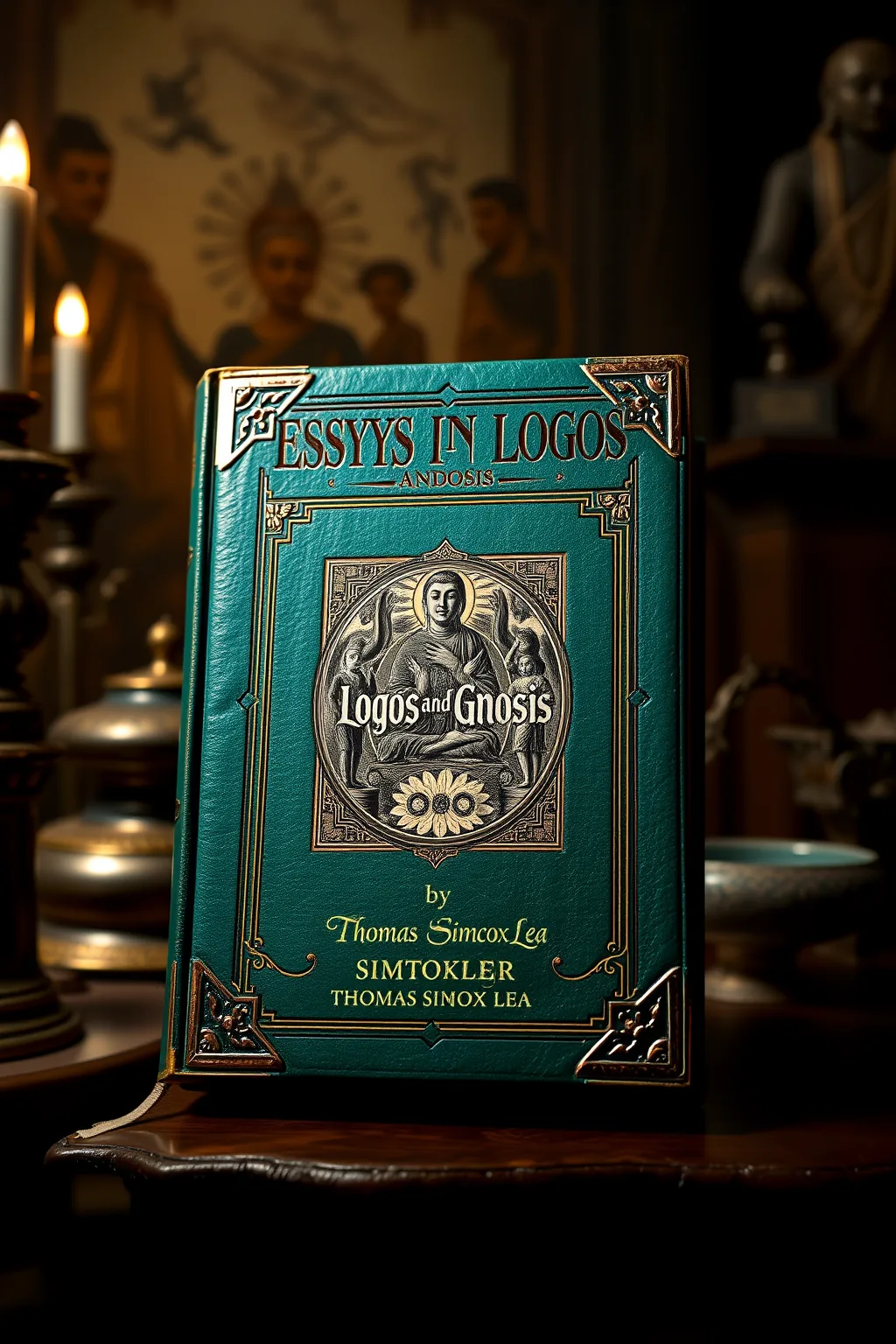
Essays in Logos and Gnosis Mainly in Relation to the Neo-Buddhist Theosophy
 71
71

Essays in Logos and Gnosis Mainly in Relation to the Neo-Buddhist Theosophy



'Essays in Logos and Gnosis' by Thomas Simcox Lea is a treasure for modern esoteric seekers, offering a deep dive into the mystical and philosophical underpinnings of Neo-Buddhist Theosophy. Lea's insights into logos and gnosis are particularly relevant today, as they encourage a holistic understanding of spiritual practices and philosophical inquiry. The book's historical context adds depth, providing readers with a glimpse into the early 20th-century esoteric landscape. While the language and style may be somewhat dense for casual readers, those with a background in Theosophy or Anthroposophy will find it immensely rewarding. The text's synthesis of Eastern and Western thought is a testament to Lea's scholarly prowess and spiritual insight. For those seeking to expand their understanding of esoteric traditions, this book is a must-read.
📝 Description
71
Thomas Simcox Lea's 1917 essays examine the connection between Neo-Buddhist Theosophy and older mystical thought.
Published in 1917, 'Essays in Logos and Gnosis' by Thomas Simcox Lea investigates the parallels between Neo-Buddhist Theosophy and earlier mystical traditions. Lea's essays focus on the concepts of Logos and Gnosis, drawing connections to esoteric symbolism and philosophical inquiry. The work encourages readers to question established views on reality and the divine, promoting a path of contemplative introspection. It addresses those interested in uncovering hidden knowledge and exploring the occult. Lea's writing aims to guide readers toward a deeper understanding of spiritual concepts beyond everyday experience.
This book sits within the early 20th-century esoteric revival, a period when figures like Helena Blavatsky's Theosophical Society had already popularized Eastern religious concepts in the West. Lea's work engages with this milieu, specifically Neo-Buddhism, by applying its ideas to Western concepts of Logos and Gnosis. It reflects an effort to synthesize Eastern and Western mystical philosophies, a common aim in esoteric circles of the time, seeking universal spiritual truths.
💡 Why Read This Book?
Reading 'Essays in Logos and Gnosis' today offers readers a unique opportunity to explore the rich tapestry of Neo-Buddhist Theosophy. The book provides valuable insights into the intersection of Eastern and Western mystical thought, making it an essential read for scholars and spiritual seekers alike. By engaging with Lea's essays, readers can deepen their understanding of logos and gnosis, two fundamental concepts in esoteric traditions. This book is particularly beneficial for those interested in the historical development of Theosophy and Anthroposophy, offering a glimpse into the early 20th-century esoteric landscape.
⭐ Reader Reviews
Honest opinions from readers who have explored this book.
❓ Frequently Asked Questions
What is the main focus of 'Essays in Logos and Gnosis'?
The main focus of the book is the exploration of logos and gnosis within the context of Neo-Buddhist Theosophy. Lea delves into the philosophical and mystical concepts that bridge Eastern and Western thought, providing a unique perspective on spiritual enlightenment.
Is this book suitable for beginners in esoteric studies?
While the book offers valuable insights, it may be more suited for readers with some background in Theosophy or Anthroposophy due to its dense language and complex themes.
Where can I find a copy of this book?
The book has been digitized by Google from the library of the University of Michigan and is available on the Internet Archive, uploaded by user tpb.
🔮 Key Themes & Symbolism
Neo-Buddhist Theosophy
Lea's essays look at the mystical aspects of Neo-Buddhist Theosophy, revealing hidden knowledge and esoteric symbolism that have long captivated spiritual seekers. The book explores the philosophical underpinnings of this tradition, offering a deep dive into the nature of reality and the divine. Readers will gain a new appreciation for the interconnectedness of all things and the profound wisdom embedded within ancient texts.
Esoteric Symbolism
One of the book's standout features is its exploration of esoteric symbolism, which permeates every aspect of Neo-Buddhist Theosophy. Lea uncovers the hidden meanings behind ancient symbols, providing readers with a deeper understanding of their spiritual significance. This theme is particularly resonant for those interested in the occult and the mystical, as it offers a glimpse into the hidden language of the universe.
Philosophical Inquiry
Throughout the essays, Lea challenges readers to question their perceptions of reality and the divine. This theme of philosophical inquiry is central to the book's message, encouraging readers to engage in contemplative introspection and explore the mysteries of existence. Lea's insights are both thought-provoking and enlightening, making this book a valuable resource for anyone on a spiritual journey.
💬 Memorable Quotes
Direct passages from the work, attributed to the author.
“Symbolism is the language of the divine.”
— Lea's exploration of esoteric symbolism reveals the profound wisdom embedded within ancient symbols, inviting readers to decipher their hidden meanings.
“Philosophical inquiry is the key to spiritual enlightenment.”
— Lea encourages readers to question their perceptions of reality, urging them to engage in contemplative introspection and explore the mysteries of existence.
💡 Key Ideas
Editorial paraphrase of the work's core concepts — not direct quotes.
The path to enlightenment lies in the exploration of hidden truths.
This quote underscores the book's emphasis on uncovering esoteric knowledge and the transformative power of spiritual inquiry.
The divine is not separate from us, but an integral part of our existence.
This quote highlights the interconnectedness of all things, a central theme in Neo-Buddhist Theosophy and a key insight offered by Lea.
The path to enlightenment is a journey of self-discovery and spiritual growth.
This quote emphasizes the transformative power of spiritual seekers' journeys, encouraging readers to embrace the mystical and the esoteric.
🌙 Esoteric Significance
Tradition
'Essays in Logos and Gnosis' belongs to the Hermetic and Gnostic traditions, drawing on ancient wisdom and esoteric symbolism to illuminate the path of spiritual seekers. Lea's exploration of Neo-Buddhist Theosophy is rooted in these mystical traditions, offering a deep dive into the nature of reality and the divine.
Symbolism
Key symbols in the book include ancient glyphs, mystical icons, and esoteric emblems, each carrying hidden meanings that reveal the profound wisdom of the universe. Lea's analysis of these symbols provides readers with a deeper understanding of their spiritual significance, inviting them to decipher the hidden language of the divine.
Modern Relevance
The book's insights are as relevant today as they were when written, offering a valuable resource for modern practitioners of spiritual disciplines. Contemporary seekers of hidden knowledge and esoteric wisdom will find Lea's exploration of Neo-Buddhist Theosophy both enlightening and transformative, providing a fresh perspective on timeless mysteries.
👥 Who Should Read This Book
Beginners interested in esoteric traditions will find 'Essays in Logos and Gnosis' an accessible introduction to theosophy and anthroposophy. Scholars of the occult will appreciate Lea's scholarly approach and deep exploration of mystical themes. Spiritual seekers will be drawn to the book's emphasis on hidden knowledge and symbolic significance. Practitioners of spiritual disciplines will benefit from the book's insights into the nature of reality and the divine, enriching their spiritual journeys.
📜 Historical Context
Written in an era of spiritual renewal and philosophical inquiry, 'Essays in Logos and Gnosis' reflects the growing interest in esoteric traditions and the search for hidden knowledge. Lea's work was instrumental in bridging ancient wisdom with modern thought, providing a fresh perspective on timeless mysteries. The book's influence can be seen in the continued exploration of theosophy and anthroposophy, as well as in the ongoing quest for spiritual enlightenment and self-discovery.
📔 Journal Prompts
How do Lea's insights into Neo-Buddhist Theosophy challenge your perceptions of reality?
What hidden meanings have you uncovered in ancient symbols after reading this book?
In what ways has philosophical inquiry deepened your spiritual understanding?
How does the interconnectedness of all things resonate with your personal experiences?
What steps can you take to embrace the mystical and esoteric in your spiritual journey?
🗂️ Glossary
Logos
The divine reason or plan that underlies the creation and order of the universe, often associated with the concept of the divine word.
Gnosis
Hidden knowledge or spiritual insight gained through direct, personal experience, often associated with Gnostic traditions.
Theosophy
A philosophical and religious movement that seeks to understand the divine and the mysteries of existence through spiritual inquiry and esoteric wisdom.
Anthroposophy
A spiritual philosophy developed by Rudolf Steiner, emphasizing the interconnectedness of the spiritual and the physical worlds.
Esoteric Symbolism
The use of symbols and icons to convey hidden meanings and spiritual truths, often associated with mystical and occult traditions.
This book appears in 2 collections
🔮 Readers Also Liked
Browse all →






From the “Theosophy” Collection
View all →


More Free Theosophy & Anthroposophy Books
View all →