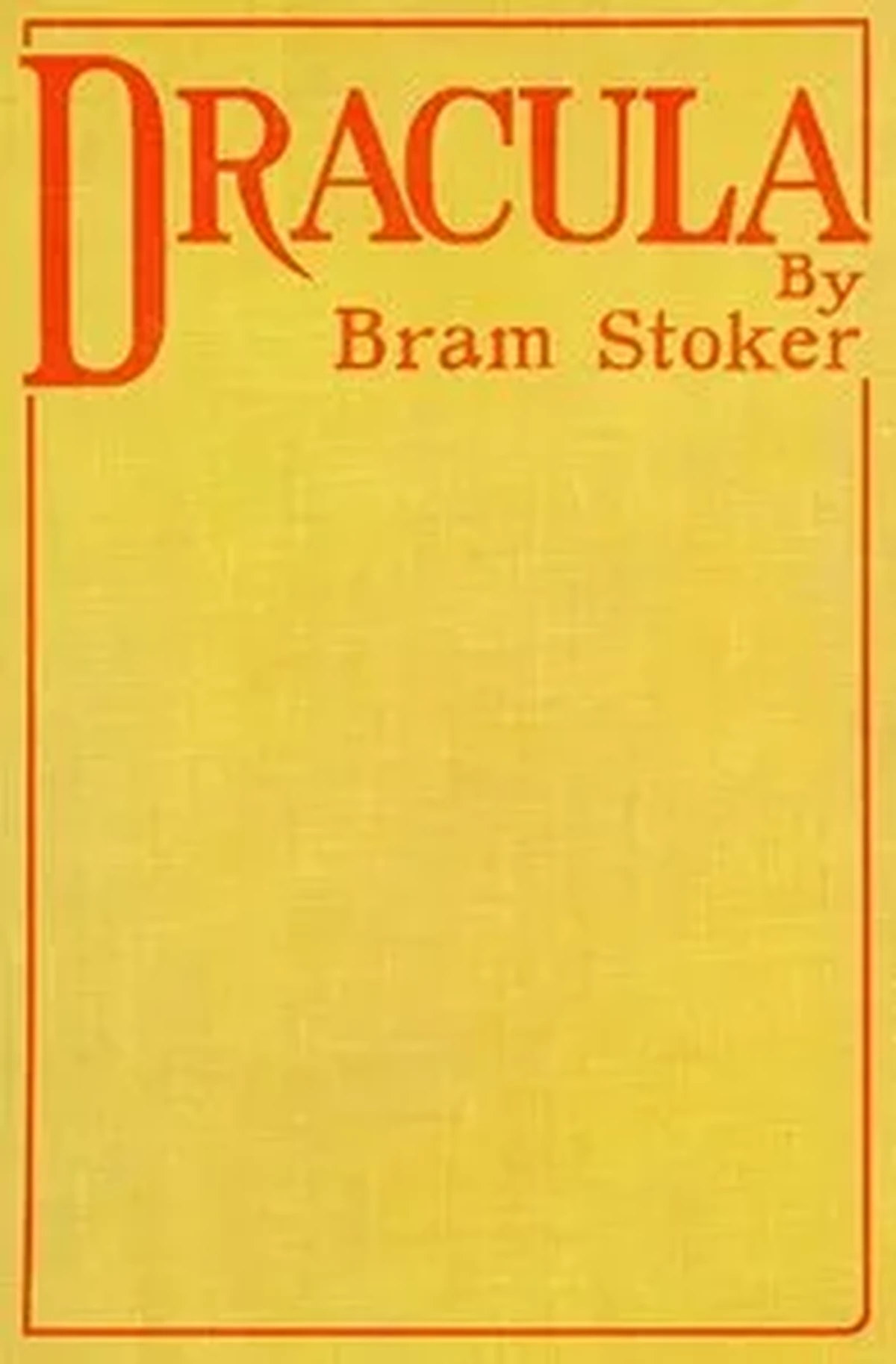
Dracula
 78
78

Dracula
Bram Stoker’s *Dracula* remains a singular achievement in horror, less for its overt scares and more for its chilling depiction of an ancient, predatory force intersecting with the ordered world of Victorian England. The epistolary format, while occasionally demanding, is the work’s greatest strength, allowing dread to accumulate through disparate accounts – Jonathan Harker’s unnerving confinement in Transylvania, the growing unease in Whitby, and the desperate scientific efforts of Van Helsing. The limitation lies in some of the characterizations, which can feel archetypal rather than fully fleshed out, particularly outside the central trio of Harker, Mina, and Van Helsing. The passage describing Dracula’s unnatural movement down the castle wall, defying gravity and human form, is particularly striking, establishing his otherness with visceral horror. It is a foundational text that continues to inform our understanding of the vampire mythos.
📝 Description
78
Bram Stoker's *Dracula*, published in 1897, uses an epistolary format to tell its story.
Bram Stoker's 1897 novel *Dracula* is structured as a collection of journal entries, ship logs, and newspaper clippings. These documents recount Count Dracula's arrival in England and the efforts of a group of individuals to survive his influence. The narrative unfolds through multiple perspectives, building suspense and mystery as ancient evil confronts modern society. The novel examines themes of fear's psychological impact, the tension between old aristocracy and a changing world, and the subversion of social norms. Its form, using fragmented accounts, enhances the story's suspense and draws readers into its world.
Published during a time of interest in the occult and psychology, *Dracula* reflects anxieties about immigration, disease, and foreign influence prevalent in the 1890s. Stoker's portrayal of the vampire is not simply a monster but a powerful, aristocratic predator who understands human weakness. This depiction has shaped subsequent literature and folklore, establishing enduring concepts about the vampire figure.
The late Victorian era saw a surge in occult fascination, spiritualism, and explorations of the subconscious. *Dracula* emerged from this climate, tapping into contemporary anxieties about science versus superstition, and progress versus decay. Stoker's work engages with these liminal spaces, reflecting a society grappling with rapid change and the perceived threats of the unknown, whether through immigration or the darker aspects of human nature. It sits within a tradition of gothic literature that often uses the supernatural to comment on societal fears.
💡 Why Read This Book?
• Gain insight into the Victorian era's anxieties regarding foreign influence and societal change, specifically through the narrative of Dracula’s arrival in England in the late 1890s. • Experience the power of fragmented storytelling, as the epistolary style uses journal entries and telegrams to build suspense and a sense of encroaching doom. • Understand the evolution of the vampire archetype, moving beyond simple folklore to a complex, aristocratic antagonist whose threat is both physical and psychological.
⭐ Reader Reviews
Honest opinions from readers who have explored this book.
❓ Frequently Asked Questions
When was Bram Stoker's Dracula first published?
Bram Stoker's *Dracula* was first published on May 26, 1897, by Archibald Constable and Company in London.
What is the literary genre of Dracula?
*Dracula* is primarily classified as Gothic horror, with elements of mystery, thriller, and early science fiction due to its exploration of scientific remedies against supernatural threats.
Who are the main protagonists fighting Dracula?
The main protagonists include Professor Abraham Van Helsing, a Dutch vampire hunter; Jonathan Harker, a solicitor who first encounters Dracula; his fiancée Mina Murray (later Harker); Dr. John Seward, the director of an asylum; and Quincey Morris and Arthur Holmwood, friends of Mina and fiancé of Lucy Westenra.
What is the significance of the epistolary format in Dracula?
The epistolary format, using letters, diaries, and newspaper clippings, creates a sense of realism and immediacy, allowing readers to piece together the unfolding horror from multiple, often unreliable, perspectives.
Does Dracula draw on any specific folklore?
Yes, Stoker drew upon Eastern European folklore regarding vampires, including beliefs about their powers, weaknesses, and the methods used to combat them, particularly from regions like Transylvania.
What are some key themes explored in Dracula?
Key themes include the battle between good and evil, the nature of sanity versus madness, the fear of the foreign and the 'other,' the repression of sexuality, and the conflict between science and superstition.
🔮 Key Themes & Symbolism
The Vampire as Other
Dracula embodies the Victorian fear of the foreign 'other,' a predatory force from the East that infiltrates and corrupts the civilized West. His aristocratic bearing masks a primal, vampiric nature that preys on the innocent and disrupts social order. The novel explores anxieties about immigration, disease transmission, and the erosion of national identity, portraying Dracula as a physical manifestation of these societal fears. His existence challenges established scientific and religious paradigms, forcing characters to confront a reality beyond rational explanation.
Contagion and Corruption
The narrative presents vampirism not just as a physical affliction but as a form of spiritual and psychological contagion. Dracula's bite transforms his victims, not only physically but also morally, turning them into extensions of his will. This theme of corruption extends to the violation of boundaries—personal, societal, and even national. The fight against Dracula becomes a desperate attempt to prevent this contagion from spreading, mirroring contemporary anxieties about epidemics and the unseen forces that could undermine society from within.
Science vs. Superstition
Stoker places the rational, scientific world of Victorian England in direct conflict with ancient, supernatural forces. Professor Van Helsing represents the bridge between these worlds, utilizing his scientific knowledge (medicine, botany, chemistry) alongside esoteric lore and superstitious practices to combat Dracula. The novel grapples with the limitations of empirical knowledge when faced with phenomena that defy logical explanation. The characters must learn to accept and integrate seemingly archaic beliefs and rituals to defeat an enemy that operates outside conventional understanding.
Repressed Sexuality and the Feminine
Beneath the surface of Victorian propriety, *Dracula* engages with themes of repressed sexuality and the monstrous feminine. Lucy Westenra’s transformation into a vampire and her predatory advances towards children, along with Mina Harker’s violation by Dracula, can be interpreted as manifestations of Victorian anxieties surrounding female agency and desire. Dracula himself, in his control over women, represents a dark, potent phallic symbol, while the female vampires are depicted as alluring yet deadly seductresses, embodying the 'femme fatale' archetype.
💬 Memorable Quotes
Direct passages from the work, attributed to the author.
“The blood is the life, and it shall be mine.”
— A direct declaration of Dracula's vampiric nature and his parasitic relationship with humanity. It reveals his fundamental intent: to drain the life force from his victims, asserting his dominance and perpetuating his unnatural existence.
“Welcome to my house! Come freely and go freely!”
— This seemingly hospitable invitation, delivered by Dracula to Jonathan Harker upon arrival, is laced with dark irony. It highlights Dracula's deceptive nature and the sinister trap he lays, foreshadowing Harker's imprisonment and the violation of his free will.
“I am Dracula. And I bid you welcome.”
— A formal introduction that carries immense weight. It signifies the arrival of an ancient, powerful entity into the modern world, marking the beginning of the conflict and the intrusion of the supernatural into the lives of the protagonists.
“He is a strong man, and I am a strong man. His physical strength is much greater than mine. He is young and I am old. He is a man and I am—something else.”
— This self-assessment by Dracula, as he confronts Jonathan Harker, underscores the unnatural power he wields. It emphasizes his transformation and the unsettling realization that he is no longer bound by human limitations, but by something far more ancient and terrifying.
💡 Key Ideas
Editorial paraphrase of the work's core concepts — not direct quotes.
There are things done tonight that will make the angels weep.
This line, spoken by the asylum inmate Renfield, expresses the profound sense of dread and the sheer unnaturalness of Dracula's actions. It suggests that the evil unfolding is so potent it transgresses divine order, highlighting the spiritual stakes of the conflict.
🌙 Esoteric Significance
Tradition
While not explicitly adhering to a single esoteric tradition, *Dracula* draws heavily on Gnostic themes of a fallen spiritual hierarchy and the intrusion of an ancient, malevolent force into the material world. Dracula can be seen as an allegorical figure for a type of primal, corrupting power that operates outside conventional moral and spiritual laws. The struggle against him mirrors Gnostic narratives of reclaiming spiritual sovereignty from forces of ignorance and material corruption. The emphasis on blood as life force also echoes certain alchemical and mystical understandings of vital energies.
Symbolism
The castle represents a primal, ancestral stronghold, a place of ancient power and isolation, often symbolizing the subconscious or the primal self. Dracula's transformation into mist or vermin symbolizes his ability to transcend physical limitations and operate in liminal states, akin to shapeshifting or astral projection described in some occult traditions. The stake through the heart signifies the need for direct, forceful intervention to disrupt the corrupted life force, a symbolic act of severing an unnatural connection and restoring spiritual integrity.
Modern Relevance
Contemporary occult practitioners and scholars of esoteric literature often analyze *Dracula* for its symbolic representation of primal energies, the shadow self, and the archetypal struggle against corrupting influences. Modern interpretations frequently explore the novel through lenses of Jungian psychology, examining Dracula as a manifestation of the collective unconscious's darker aspects. The novel's themes of contagion and the violation of boundaries remain relevant in discussions of societal health, cultural anxieties, and the persistent human fascination with the monstrous and the forbidden.
👥 Who Should Read This Book
• Students of Gothic literature and Victorian-era cultural studies seeking to understand the era's anxieties about foreignness, sexuality, and societal change. • Aspiring occultists and students of comparative mythology interested in the archetypal representation of the 'undead' and ancient predatory forces. • Readers of psychological thrillers and horror fiction who appreciate layered narratives and the exploration of fear's impact on the human psyche.
📜 Historical Context
Bram Stoker's *Dracula*, published in 1897, emerged during a fin-de-siècle period characterized by societal anxieties and burgeoning interest in the occult. The late Victorian era was a time of rapid industrialization, changing social norms, and a pervasive sense of unease about the perceived threats of foreign influence and moral decay. The novel tapped into these fears, presenting Count Dracula as an aristocratic, predatory outsider who infiltrates and corrupts English society. Stoker was aware of earlier vampire fiction, such as Sheridan Le Fanu's *Carmilla* (1872), and contributed significantly to solidifying the vampire archetype in popular culture. The work also reflects contemporary debates surrounding Darwinism, degeneration, and the subconscious, influenced by thinkers like Cesare Lombroso. While not immediately a critical sensation, its enduring power lies in its synthesis of folklore, psychological horror, and the socio-political climate of its time, resonating with contemporary concerns about contagion and the 'other'.
📔 Journal Prompts
Jonathan Harker's journal entries detailing his growing unease in Castle Dracula.
The thematic recurrence of blood as both life and corruption throughout the narrative.
Professor Van Helsing's mix of scientific and esoteric knowledge.
The transformation of Lucy Westenra and its implications for Victorian femininity.
Dracula's presence as an aristocratic 'other' disrupting English society.
🗂️ Glossary
Epistolary Novel
A novel told through a series of documents such as letters, diary entries, or newspaper clippings. This format allows for multiple perspectives and builds suspense by fragmenting the narrative.
Gothic Horror
A genre characterized by elements of terror, mystery, supernatural events, and a sense of dread, often set in old castles or isolated locations.
Vampire
In folklore and literature, a creature that subsists by feeding on the vital essence (typically blood) of the living. Stoker's depiction popularized many modern traits associated with vampires.
Transylvania
A historical region in Romania, known in folklore for its association with vampires and Dracula's supposed homeland in Stoker's novel.
Liminal Space
A transitional or in-between state or place, often associated with the supernatural or psychological thresholds. Dracula often operates in these spaces.
Fin de Siècle
French for 'end of the century,' referring to the period of the late 19th century, often associated with decadence, anxiety, and artistic innovation.
Archetype
A recurring symbol or motif in literature, art, or mythology that represents universal patterns of human nature. Dracula is often analyzed as a powerful archetype.
🔮 Readers Also Liked
Browse all →









More by Bram Stoker
All books →





More Free Spiritualism & Afterlife Books
View all →