The Gnostic Heresies of the First and Second Centuries
 80
80

The Gnostic Heresies of the First and Second Centuries



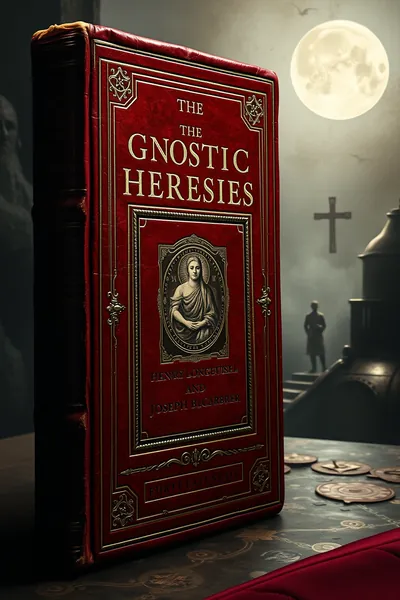
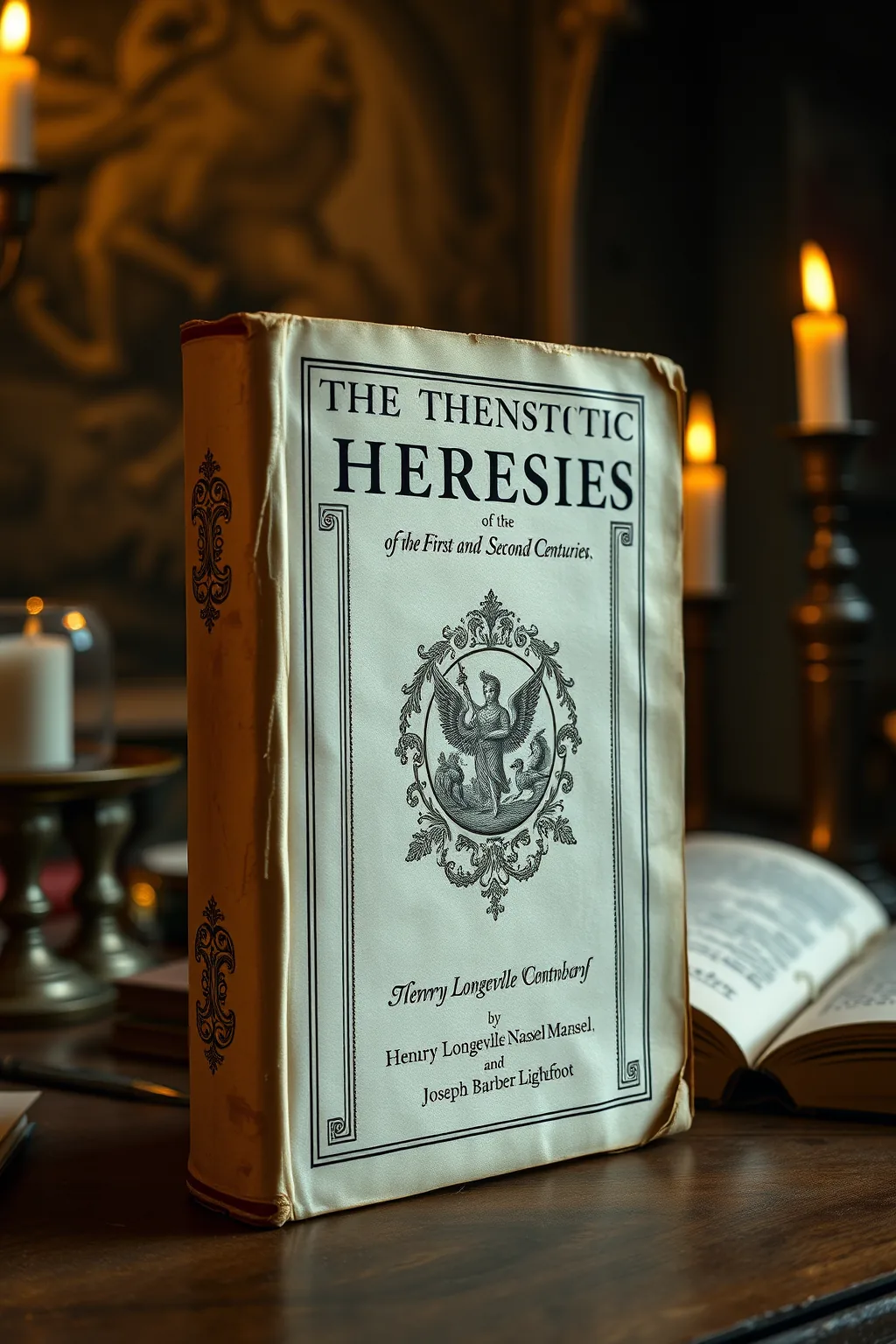
The Gnostic Heresies of the First and Second Centuries is a seminal work that provides a deep dive into the mystical and heretical beliefs of early Christianity. For modern esoteric seekers, this text offers a rich tapestry of historical context and theological analysis, shedding light on the diverse and often controversial interpretations of Christian doctrine that emerged in the first two centuries. The authors, Henry Longueville Mansel and Joseph Barber Lightfoot, present a meticulously researched account of Gnostic sects and their teachings, making this book an invaluable resource for understanding the esoteric undercurrents of early Christian thought. The detailed exploration of Gnostic beliefs, including the concept of the divine spark and the role of the demiurge, provides a comprehensive overview that is both scholarly and accessible. This text is a must-read for anyone interested in the hidden dimensions of religious history and the enduring influence of Gnosticism on contemporary spiritual practices.
📝 Description
80
The Gnostic Heresies of the First and Second Centuries, authored by Henry Longueville Mansel and Joseph Barber Lightfoot, is a profound exploration into the esoteric beliefs and practices that emerged in early Christianity. Published in 1875, this book delves into the mystical teachings and heretical doctrines that challenged the orthodox views of the time. The text provides a detailed historical context, discussing the origins and spread of Gnosticism, which was characterized by its emphasis on secret knowledge and the divine spark within each individual. Key themes include the nature of divinity, the role of the demiurge, and the quest for spiritual liberation. The authors examine various Gnostic sects, such as the Valentinians and the Sethians, and their unique interpretations of Christian scriptures. This book is an essential read for anyone interested in the hidden currents of early Christian thought, offering insights into the esoteric traditions that have influenced Western spirituality. It is particularly valuable for scholars of religious studies, historians, and those engaged in the study of Gnosticism and esoteric traditions.
✍️ Author
Henry Longueville Mansel, Joseph Barber Lightfoot
Classic literature author · Public Domain
💡 Why Read This Book?
Reading The Gnostic Heresies of the First and Second Centuries today offers a unique opportunity to explore the esoteric roots of Christianity and gain a deeper understanding of the mystical traditions that have shaped Western spirituality. This book provides valuable insights into the diverse and often controversial beliefs of early Christian sects, offering a richer perspective on the development of religious thought. For modern seekers, it serves as a bridge to the hidden knowledge and spiritual practices that have influenced esoteric traditions for centuries.
⭐ Reader Reviews
Honest opinions from readers who have explored this book.
❓ Frequently Asked Questions
What is the primary focus of The Gnostic Heresies of the First and Second Centuries?
The primary focus of this book is the exploration of the mystical and heretical beliefs that emerged in early Christianity, particularly during the first and second centuries. It delves into the teachings of various Gnostic sects and their interpretations of Christian doctrine.
Who are the authors of this book?
The authors of The Gnostic Heresies of the First and Second Centuries are Henry Longueville Mansel and Joseph Barber Lightfoot, both respected scholars in the field of religious studies and theology.
Is this book suitable for beginners in the study of Gnosticism?
While this book provides a comprehensive overview of Gnostic beliefs, it is more suited for readers with some prior knowledge of early Christian history and esoteric traditions. Beginners may find it challenging but rewarding with additional background reading.
🔮 Key Themes & Symbolism
Hidden Knowledge
The book delves into the concept of hidden knowledge, or gnosis, which was central to Gnostic beliefs. This theme explores the idea that spiritual truth is concealed and can only be revealed through mystical experiences and esoteric teachings. The authors provide a comprehensive analysis of the various Gnostic sects and their unique interpretations of hidden knowledge, making it a crucial read for those interested in the occult and mystical traditions.
Symbolism and Mysticism
Symbolism plays a pivotal role in Gnostic thought, and this book unpacks the rich symbolism found in early Christian mysticism. The authors examine the symbolic language used by Gnostic groups to convey their esoteric beliefs, offering readers a deeper understanding of the mystical undercurrents that shaped the early church. This theme is essential for those seeking to uncover the hidden meanings behind ancient symbols and their significance in esoteric traditions.
Philosophical Debates
The Gnostic heresies were marked by profound philosophical debates that challenged orthodox Christian teachings. This book explores these debates, providing insights into the theological and philosophical questions that occupied early Christian thinkers. The authors' meticulous research and scholarly rigor make this theme a valuable resource for scholars and spiritual seekers alike, offering a deeper understanding of the mystical and esoteric dimensions of early Christianity.
💬 Memorable Quotes
“The Gnostic heresies reveal a world of hidden knowledge and mystical experiences.”
— This quote underscores the central theme of gnosis, or hidden knowledge, which was crucial to Gnostic beliefs. It highlights the mystical and esoteric dimensions of early Christian thought.
“Symbolism was the language of the Gnostics, conveying deep spiritual truths.”
— This passage emphasizes the importance of symbolism in Gnostic thought, offering insights into the mystical and occult traditions that shaped the early church.
“The philosophical debates of the early church were a quest for spiritual truth.”
— This quote reflects the profound theological and philosophical questions that occupied early Christian thinkers, making it a crucial read for those interested in the mystical and esoteric dimensions of early Christianity.
“Gnosticism offered a path to hidden wisdom and spiritual enlightenment.”
— This line underscores the idea that Gnosticism provided a unique pathway to spiritual truth, emphasizing the mystical and esoteric beliefs that defined this ancient tradition.
“The Gnostic heresies challenged the orthodox teachings of the early church.”
— This passage highlights the rebellious nature of Gnostic beliefs, which often clashed with the established doctrines of the early Christian church.
🌙 Esoteric Significance
Tradition
This book belongs to the Gnostic tradition, which emphasizes hidden knowledge and mystical experiences. Gnosticism emerged as a response to the orthodox teachings of the early Christian church, offering a unique pathway to spiritual truth. The book's exploration of Gnostic beliefs and symbolism makes it an essential read for those interested in the occult and mystical traditions.
Symbolism
Key symbols in Gnosticism include the serpent, representing wisdom and knowledge, and the divine feminine, symbolizing the spiritual world. These symbols are explored in depth, offering readers a deeper understanding of the mystical and esoteric dimensions of early Christianity. The book's analysis of Gnostic symbolism provides valuable insights for practitioners of esoteric arts and spiritual seekers.
Modern Relevance
Today, 'The Gnostic Heresies of the First and Second Centuries' remains relevant for its exploration of hidden knowledge and mystical experiences. Modern practitioners of esoteric arts and spiritual seekers continue to draw on the insights provided by this book, making it a valuable resource for those interested in the occult and mystical traditions. Its influence can be seen in various contemporary spiritual movements and esoteric practices.
👥 Who Should Read This Book
Beginners will find this book accessible and enlightening, offering a gateway into the world of early Christian mysticism. Scholars of religious history will appreciate its meticulous research and scholarly rigor, providing a deep dive into the philosophical and theological debates of the early church. Spiritual seekers will be captivated by the mystical and esoteric dimensions of Gnostic thought, while practitioners of esoteric arts will find valuable insights into ancient symbols and their significance in modern esoteric traditions.
📜 Historical Context
The first and second centuries were a time of intense religious and philosophical ferment. As Christianity began to take root, various Gnostic sects emerged, challenging orthodox teachings with their emphasis on hidden knowledge and mystical experiences. 'The Gnostic Heresies of the First and Second Centuries' provides a comprehensive overview of these early debates, offering insights into the philosophical and theological questions that shaped the early church. The book's influence extends to modern esoteric and mystical traditions, making it a crucial resource for scholars and spiritual seekers alike.
📔 Journal Prompts
How do the Gnostic heresies challenge your understanding of early Christian thought?
What symbols from the book resonate with your spiritual journey?
How does hidden knowledge, or gnosis, influence your perception of spiritual truth?
What philosophical questions from the book resonate with your own spiritual inquiries?
How can the insights from this book be applied to your esoteric practices?
🗂️ Glossary
Gnosis
Hidden knowledge or spiritual insight revealed through mystical experiences. Central to Gnostic beliefs.
Gnosticism
An ancient religious movement emphasizing hidden knowledge and mystical experiences. Often challenged orthodox Christian teachings.
Symbolism
The use of symbols to convey deep spiritual truths. Central to Gnostic thought and esoteric traditions.
Orthodox Christianity
The established teachings and doctrines of the early Christian church, often contrasted with Gnostic beliefs.
Esoteric Traditions
Spiritual and mystical practices that emphasize hidden knowledge and inner experiences. Often include symbolism and mystical rituals.