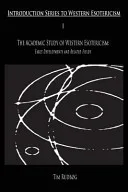
The Academic Study of Western Esotericism
 80
80

The Academic Study of Western Esotericism
Tim Rudbog's "The Academic Study of Western Esotericism" offers a commendable, if somewhat dry, primer for navigating this complex academic discipline. Its strength lies in its systematic cataloging of theoretical developments and its clear demarcation of the field's scope, covering traditions from Gnosticism to Hermeticism. The work meticulously outlines the intellectual scaffolding required for scholarly engagement. However, the prose, while precise, can feel dense for newcomers. A notable passage early on delineates the distinctions between 'magic' as an academic object of study versus its practical application, a crucial point for any student. While a vital resource for serious academic inquiry, its accessibility might be a limitation for those seeking a more narrative introduction to esoteric thought. It is an indispensable reference for the dedicated student of the academic West.
📝 Description
80
Tim Rudbog's 2013 volume provides a systematic introduction to the academic study of Western Esotericism.
This book serves as a handbook for those beginning the academic examination of Western Esotericism. It maps out the field for students and scholars interested in mysticism, Hermeticism, Traditionalism, occultism, Gnosticism, Kabbalah, and related philosophical and religious currents. Rudbog outlines the core theoretical frameworks and intellectual developments pertinent to this interdisciplinary area. The work is primarily for students and academic researchers new to Western Esotericism, but practitioners seeking a scholarly viewpoint will also find it valuable. It offers a structured overview of the academic methodologies and historical paths used in studying esoteric thought, guiding readers through central ideas and concepts. The book systematically defines key concepts for the academic study of Western Esotericism. It discusses theoretical models for analyzing esoteric phenomena, the historiographical difficulties involved, and how esoteric traditions connect with broader intellectual history. Rudbog covers the main arguments that shape scholarly discussions on topics from Hermeticism and Kabbalah to Gnosticism and occultism.
Published in 2013, Rudbog's work arrived as the academic study of Western Esotericism gained greater acceptance. Following the work of scholars like Antoine Faivre and Wouter J. Hanegraaff in the late 20th century, the field aimed to move beyond purely historical or theological analyses. Rudbog's contribution supports this shift by systematically introducing the theoretical foundations and disciplinary conversations that shape scholarly understanding of esoteric traditions. It addresses the academic approaches to understanding phenomena previously on the margins of mainstream scholarship.
💡 Why Read This Book?
• Gain a structured understanding of the academic methodologies for studying Western Esotericism, as outlined by Rudbog, enabling critical analysis of mysticism and occultism. • Grasp the historical development and theoretical frameworks that underpin scholarly discourse on esoteric traditions since the book's 2013 publication, providing context for movements like Traditionalism. • Learn to differentiate academic study from practical application concerning concepts like magic, a distinction crucial for scholarly integrity and informed research into Hermeticism and Kabbalah.
⭐ Reader Reviews
Honest opinions from readers who have explored this book.
❓ Frequently Asked Questions
What are the main esoteric traditions discussed in "The Academic Study of Western Esotericism"?
The book covers central ideas concerning mysticism, the Hermetic tradition, Traditionalism, the occult, Gnosticism, Kabbalah, and related currents, providing a broad overview for academic study.
Who is the primary audience for this book?
This handbook is primarily designed for students and scholars who are beginning their academic work in the field of Western Esotericism, offering a foundational understanding.
When was "The Academic Study of Western Esotericism" first published?
The book was first published in August 2013, positioning it within the modern academic discourse on esoteric subjects.
What is the main purpose of this introductory volume?
Its purpose is to serve as a handbook that better explains the academic treatment of central ideas and theses concerning various Western esoteric traditions.
Does the book explore practical esoteric practices?
While it discusses concepts like magic and mysticism, the focus is on their academic study and theoretical frameworks, rather than practical instruction.
What does the book mean by 'early developments and related fields'?
This refers to the initial theoretical advancements and the broader intellectual landscape that shaped the academic study of Western Esotericism, as outlined by Dr. Rudbog.
🔮 Key Themes & Symbolism
Academic Methodologies
This work meticulously details the scholarly approaches and theoretical models employed in the academic study of Western Esotericism. It addresses the historiographical challenges and the epistemological considerations necessary for engaging with subjects like Gnosticism and Kabbalah. The book emphasizes the importance of critical distance and analytical frameworks, distinguishing scholarly inquiry from devotional or practical engagement with esoteric traditions.
Defining the Field
Rudbog’s volume serves to delineate the boundaries and scope of Western Esotericism as an academic discipline. It outlines the central theses and key currents, including Hermeticism, Traditionalism, and occultism, that constitute its subject matter. By mapping these diverse traditions and their academic treatment, the book provides a crucial orientation for students and researchers entering this interdisciplinary field.
Historical and Intellectual Currents
The book situates the academic study of Western Esotericism within broader intellectual history. It explores how concepts and traditions such as mysticism and magic have been understood and debated across different eras. By examining the evolution of these ideas and their reception, Rudbog highlights the dynamic relationship between esoteric thought and mainstream philosophical and religious discourse.
Core Esoteric Traditions
Central to the work is an examination of the foundational traditions that comprise Western Esotericism. This includes in-depth consideration of Hermeticism, Gnosticism, Kabbalah, and related mystical and occult movements. The book explains how these traditions are approached and analyzed within an academic context, providing essential background for understanding their significance and scholarly interpretation.
💬 Memorable Quotes
“The academic study of Western Esotericism involves understanding its central ideas and theses.”
— This paraphrased concept highlights the book's core function: to equip readers with the analytical tools and conceptual knowledge required to engage with esoteric traditions from a scholarly perspective.
“The work outlines theoretical developments relevant to the academic study of Western Esotericism.”
— This emphasizes the book's focus on intellectual history and methodology, detailing how scholars have conceptualized and analyzed esoteric phenomena over time.
“Understanding mysticism, the Hermetic tradition, and the occult requires specific academic frameworks.”
— This statement underscores the necessity of specialized knowledge and analytical approaches when studying diverse esoteric currents, moving beyond superficial understanding.
“This volume serves as a handbook for students and scholars in the field.”
— This directly states the book's intended audience and purpose: to provide a practical, guiding resource for those beginning their academic journey into Western Esotericism.
“The book addresses Gnosticism, Kabbalah, and related currents.”
— This highlights the breadth of the subject matter covered, indicating that the study encompasses a wide range of interconnected esoteric traditions and philosophical systems.
🌙 Esoteric Significance
Tradition
This work fits within the modern academic tradition of studying Western Esotericism, a field that gained prominence in the late 20th century. It departs from earlier, often devotional or antiquarian, approaches by focusing on theoretical frameworks and critical analysis. Rudbog's approach aligns with scholars like Antoine Faivre and Wouter J. Hanegraaff, who sought to establish esoteric currents as valid subjects of historical, philosophical, and comparative religious study, distinct from their practical application.
Symbolism
While not deeply symbolic itself, the book's subject matter inherently involves esoteric symbolism. Concepts like the Emerald Tablet in Hermeticism, the Tree of Life in Kabbalah, or the divine spark in Gnosticism are discussed as objects of academic study. These symbols, central to their respective traditions, are presented not as literal pathways to gnosis but as complex cultural and intellectual phenomena requiring careful scholarly interpretation.
Modern Relevance
Contemporary scholars and students of religion, history, and philosophy of mind engage with Rudbog's work as a foundational text for understanding the academic landscape of Western Esotericism. It informs research into movements like Traditionalism, the academic study of magic, and comparative analyses of mystical experiences. Thinkers interested in the boundaries between religion, philosophy, and the occult find its systematic approach invaluable for contextualizing their own research.
👥 Who Should Read This Book
• Beginning students of Western Esotericism: This book provides essential orientation to the academic field, its core concepts (like Hermeticism and Gnosticism), and the methodologies used to study them. • Comparative religion researchers: Those studying mystical, occult, or philosophical traditions will find a structured overview of how Western Esotericism is academically approached and categorized. • Scholars of intellectual history: Individuals interested in the development of esoteric thought and its place within broader philosophical and religious movements will benefit from its conceptual mapping.
📜 Historical Context
Published in 2013, Tim Rudbog's "The Academic Study of Western Esotericism" arrived as the field was solidifying its institutional presence. Following foundational work by scholars like Antoine Faivre in the late 20th century, which championed esoteric traditions as legitimate objects of historical and philosophical inquiry, Rudbog's text emerged to provide a systematic introduction. It addressed the need for a coherent overview of theoretical frameworks and key concepts, moving beyond earlier, often less methodologically rigorous, studies. The book's emergence coincided with a growing interest in comparative religion and intellectual history, seeking to integrate esoteric movements into broader scholarly narratives. While not directly engaging with contemporary debates in its initial publication, it implicitly responded to the ongoing scholarly project of defining and legitimizing the study of traditions often marginalized by mainstream academia.
📔 Journal Prompts
The academic distinction between the study of magic and its practice.
The theoretical developments in the academic study of Western Esotericism.
The core tenets of Hermeticism as an academic subject.
The role of Gnosticism within the broader field of esoteric studies.
How scholarly frameworks shape our understanding of Kabbalah.
🗂️ Glossary
Western Esotericism
A broad term encompassing diverse intellectual, spiritual, and magical traditions originating in or developing within Western civilization, studied academically for their historical and philosophical significance.
Hermeticism
A philosophical and religious tradition based on writings attributed to Hermes Trismegistus, emphasizing divine wisdom, cosmology, and the interconnectedness of all things.
Gnosticism
A diverse set of religious ideas and systems, prominent in the first few centuries CE, characterized by a belief in salvation through esoteric knowledge (gnosis) and a dualistic worldview.
Kabbalah
A system of Jewish mysticism that explores the nature of God and the creation of the universe, often using complex symbolism and textual interpretation.
Traditionalism
A philosophical and spiritual movement emphasizing the perennial wisdom found in ancient traditions, often associated with thinkers like René Guénon and Julius Evola.
Occultism
A category of esoteric traditions that focus on hidden or secret knowledge and practices, often related to magic, alchemy, astrology, and divination.
Mysticism
The pursuit of direct, often ecstatic, experience of the divine or ultimate reality, common across many religious and philosophical traditions.