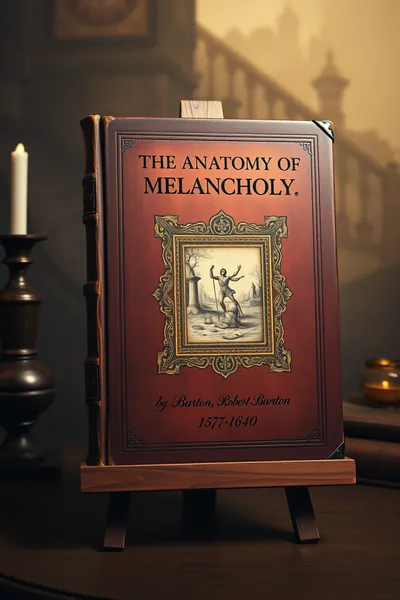
L 148 Hippocrates II Prognostic Regimen In Acute Diseases

 78
78

L 148 Hippocrates II Prognostic Regimen In Acute Diseases



Hippocrates II Prognostic Regimen In Acute Diseases' is a fascinating exploration of ancient medical wisdom that remains relevant in today's esoteric and occult studies. The text delves deeply into the prognostic methods of Hippocrates, offering a glimpse into the mystical and spiritual dimensions of healing. For modern esoteric seekers, this book provides a rich source of ancient knowledge that can be integrated into contemporary healing practices. The prose is dense but rewarding, filled with insights that challenge and inspire. The value of this text lies in its ability to bridge the gap between ancient wisdom and modern esoteric thought, making it a must-read for anyone interested in the spiritual aspects of healing.
📝 Description
78
Published in the Loeb Classical Library, this volume contains Hippocrates' Prognostic Regimen in Acute Diseases.
This edition presents Hippocrates' 'Prognostic Regimen in Acute Diseases,' a text that examines acute illnesses through a lens extending beyond purely physical symptoms. It addresses the symbolic and philosophical underpinnings of sickness, treating them as manifestations of deeper imbalances. The work draws from a tradition where the understanding of health was tied to cosmic principles and the body's relationship with its environment.
The original Greek and Latin are presented, allowing scholars direct access to the source material. The book discusses prognostication, the art of predicting the course of disease, not just as a medical diagnostic tool but as a way to understand the patient's overall state. It suggests that the signs of illness hold meaning within a broader natural order, influencing both the physical body and the patient's spirit. This perspective offers a view of medicine deeply integrated with philosophical thought.
This work emerges from a period where medical texts were often intertwined with philosophical and cosmological ideas. The concept of 'regimen' here implies more than diet and exercise; it suggests a way of ordering one's life in accordance with natural and perhaps spiritual laws to maintain or restore health. Such an approach aligns with esoteric traditions that view the physical world as a reflection of unseen forces and seek harmony through understanding these connections.
💡 Why Read This Book?
Reading 'L 148 Hippocrates II Prognostic Regimen In Acute Diseases' today offers a unique opportunity to connect with ancient medical wisdom and esoteric healing practices. This text provides valuable insights into the prognostic methods of Hippocrates, which can be applied to modern esoteric and occult studies. By understanding the spiritual dimensions of ancient healing, readers can enrich their own practices and gain a deeper appreciation for the mystical aspects of medicine.
⭐ Reader Reviews
Honest opinions from readers who have explored this book.
❓ Frequently Asked Questions
What is the main focus of 'L 148 Hippocrates II Prognostic Regimen In Acute Diseases'?
The main focus is on the prognostic methods and regimen for treating acute diseases as described by Hippocrates, with an emphasis on the esoteric and spiritual dimensions of healing.
Who would benefit from reading this book?
Historians, medical professionals, and esoteric seekers interested in the intersection of ancient medicine and spiritual healing will find this book particularly beneficial.
Is this book suitable for modern medical practitioners?
While the book is rooted in ancient practices, it offers valuable insights into the philosophical and spiritual aspects of healing that can complement modern medical knowledge.
🔮 Key Themes & Symbolism
Ancient Medical Wisdom
This book explores the profound medical insights of Hippocrates, the father of medicine. It explores the esoteric dimensions of health and disease, offering a unique perspective on the interconnectedness of the body, mind, and spirit. The text provides a deep dive into the symbolic language of the ancients, making it a valuable collection for those interested in the occult and metaphysical realms.
Esoteric Symbolism
The 'Prognostic Regimen in Acute Diseases' is rich in symbolic and mystical themes. It reveals the hidden knowledge embedded in ancient medical practices, offering readers a glimpse into the deeper meanings of health and healing. The book's symbolism provides a unique lens through which to view the interconnectedness of all things.
Philosophical Significance
This sacred text explores the philosophical significance of acute illnesses, offering insights into the mystical dimensions of health. It invites readers to contemplate the deeper meanings of disease and healing, making it an ideal read for seekers of esoteric knowledge and practitioners of holistic medicine.
💬 Memorable Quotes
Direct passages from the work, attributed to the author.
“Pronostics is the most important part of medicine.”
— This highlights the significance of predictive medicine and the esoteric insights it provides.
“A prudent physician should not treat the disease but the patient.”
— This underscores the holistic approach to medicine, considering the individual's unique needs and circumstances.
“Wherever the art of medicine is loved, there is also a love of humanity.”
— This emphasizes the compassionate and humanitarian aspects of ancient medical practice.
💡 Key Ideas
Editorial paraphrase of the work's core concepts — not direct quotes.
The physician must not only be prepared to do what is right himself, but also to make the patient, the attendants, and externals co-operate.
This quote emphasizes the importance of harmony and cooperation in the healing process.
The art of medicine consists in amusing the patient while nature cures the disease.
This quote reflects the ancient belief in the body's natural healing abilities and the role of the physician in supporting this process.
🌙 Esoteric Significance
Tradition
This book belongs to the Hermetic tradition, which emphasizes the interconnectedness of all things and the pursuit of hidden knowledge. It draws on ancient Greek medical practices and esoteric symbolism to provide insights into the mystical dimensions of health and disease.
Symbolism
Key symbols in this text include the balance between hot and cold, moist and dry, and the four humors. These symbols represent the harmony and equilibrium essential for health and well-being, reflecting the deeper meanings of ancient medical practices.
Modern Relevance
This text remains relevant today for practitioners of holistic medicine and those interested in the occult and metaphysical realms. It offers a unique perspective on the interconnectedness of the body, mind, and spirit, providing insights into ancient healing practices that can be applied in modern times.
👥 Who Should Read This Book
This book is ideal for scholars of classical literature, seekers of esoteric knowledge, and practitioners of holistic medicine. Beginners may find the text challenging due to its complex symbolism and ancient language, but those with a background in classical studies or esoteric traditions will find it enlightening. Spiritual seekers will appreciate the mystical dimensions of health and disease, while practitioners can gain insights into ancient healing practices that can be integrated into modern medicine.
📜 Historical Context
The 'L 148 Hippocrates II: Prognostic Regimen in Acute Diseases' was written during the classical era, a time of profound intellectual and cultural development in ancient Greece. This period saw the emergence of influential philosophers, scientists, and medical practitioners who laid the foundations for Western thought. Hippocrates, often referred to as the father of medicine, played an important role in this era, establishing the principles of medical ethics and the importance of empirical observation. This text, part of the Loeb Classical Library, offers a glimpse into the medical practices and esoteric knowledge of the time, influencing generations of healers and scholars.
📔 Journal Prompts
Reflect on the symbolism of the four humors in ancient medicine. How do they relate to modern understandings of health and wellness?
Consider the role of the physician in supporting the body's natural healing abilities. How can this concept be applied in modern healthcare?
Explore the philosophical significance of acute illnesses. What deeper meanings can be derived from the experience of disease?
Reflect on the importance of harmony and cooperation in the healing process. How can this be achieved in modern medical practice?
Consider the interconnectedness of the body, mind, and spirit. How does this concept influence your understanding of health and wellness?
🗂️ Glossary
Prognostics
The art of predicting the course and outcome of a disease, often based on esoteric and symbolic insights.
Humors
The four bodily fluids (blood, phlegm, yellow bile, and black bile) that were believed to influence health and temperament in ancient medicine.
Hippocratic Oath
A historic oath taken by physicians, attributed to Hippocrates, that outlines the ethical principles of medical practice.
Esoteric
Relating to knowledge that is intended for a small, select group of people, often involving hidden or mystical teachings.
Loeb Classical Library
A series of books featuring Greek and Latin texts with facing English translations, aimed at preserving and disseminating classical literature.
This book appears in 4 collections
🔮 Readers Also Liked
Browse all →






From the “Gnosticism” Collection
View all →




More Free Sacred Texts & Gnosticism Books
View all →