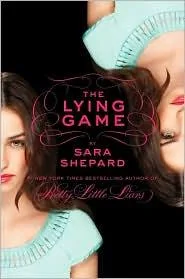
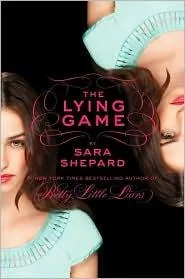
The Lying Game
 76
76

The Lying Game
Shepard’s "The Lying Game" opens with a compelling premise: a group of estranged friends forced to confront a shared, shadowy past. The initial intrigue is palpable, drawing the reader into the secretive world of Kensington’s elite youth. The strength of the novel lies in its relentless pacing and the escalating stakes as "S" systematically dismantles the characters' carefully constructed lives. However, the narrative occasionally falters under the weight of its own manufactured drama, with some character motivations feeling underdeveloped. A particularly effective sequence involves the unraveling of the pact made at the old greenhouse, revealing the initial seeds of distrust. While the suspense is undeniable, the resolution feels somewhat rushed, leaving certain plot threads dangling. Nevertheless, "The Lying Game" delivers a tense, if occasionally melodramatic, exploration of adolescent secrets.
📝 Description
76
### What It Is The Lying Game is a young adult novel that centers on a group of former friends who reunite after a pact made years prior comes to light. The narrative unravels secrets and betrayals among privileged teenagers in the affluent suburb of Kensington. The plot hinges on a mysterious figure known only as "S" who threatens to expose their hidden transgressions.
### Who It's For This book will appeal to readers who enjoy suspenseful plots, intricate character dynamics, and stories exploring the consequences of past actions. Those interested in social commentary on privilege, secrets within close-knit groups, and a fast-paced narrative will find it engaging. It is particularly suited for a young adult audience.
### Historical Context Published in 2010, The Lying Game emerged during a period of heightened interest in teen dramas that explored darker themes and complex moral ambiguities. Authors like Gillian Flynn, whose debut novel was published in 2006, were also beginning to explore the darker psychological aspects of relationships and secrets, though Shepard's work is firmly rooted in the YA genre. The novel reflects the anxieties and social pressures prevalent among adolescents in the late 2000s.
### Key Concepts The core of the narrative revolves around the concept of the "lie" as a foundational element of social interaction and personal identity. The book examines how shared secrets can create both bonds and irreparable rifts. It also touches upon the dynamics of power within peer groups and the psychological toll of maintaining facades. The idea of retribution for past misdeeds drives the central conflict.
💡 Why Read This Book?
• You will learn about the psychological impact of sustained deception, as illustrated by the characters’ struggles to maintain their carefully crafted personas following the pact made in the greenhouse. • You will feel the tension of social maneuvering and the erosion of trust within a closed group, exemplified by the escalating threats from "S" in 2010. • You will gain insight into how past actions can resurface to dictate present circumstances, particularly through the narrative’s focus on the consequences of the girls' shared secrets.
⭐ Reader Reviews
Honest opinions from readers who have explored this book.
❓ Frequently Asked Questions
What is the central conflict in Sara Shepard's The Lying Game?
The central conflict arises when a mysterious figure known as "S" begins to expose the dark secrets and betrayals of a group of former best friends, forcing them to confront their past actions and the pact they made years ago.
Who are the main characters in The Lying Game?
The main characters are Emma Beck, Sutton Mercer, Laurel, Thayer, and Garrett. Their relationships and individual secrets form the core of the narrative's intricate plot.
What is the significance of the pact made by the girls?
The pact, made years before the main events of the book, represents a foundational secret that binds the girls together. Its eventual exposure by "S" triggers the unraveling of their lives and the plot.
Where does The Lying Game take place?
The story is primarily set in the affluent suburb of Kensington and its surrounding areas, a location that underscores the themes of privilege and hidden darkness.
Is The Lying Game part of a series?
Yes, The Lying Game, first published in 2010, is the first book in a young adult series by Sara Shepard exploring similar themes of secrets and suspense among its characters.
What kind of secrets are revealed in the book?
The secrets range from personal betrayals and hidden relationships to more serious transgressions that the characters have desperately tried to keep buried since their teenage years.
🔮 Key Themes & Symbolism
The Weight of Secrets
The narrative is built upon the foundation of concealed truths and the immense pressure they exert on individuals and relationships. The pact made by the girls serves as the central secret, a dark cornerstone of their shared history. As 'S' systematically unearths these buried transgressions, the book illustrates how secrets can fester, corrupt trust, and ultimately lead to destruction. The fear of exposure becomes a driving force, shaping the characters' actions and their interactions, demonstrating the psychological burden of maintaining a facade.
Consequences of Privilege
Set against the backdrop of affluent Kensington, the novel explores how wealth and social standing can insulate individuals from immediate repercussions, yet simultaneously breed a sense of entitlement and detachment from accountability. The characters, accustomed to a certain lifestyle, struggle to cope when their carefully constructed world is threatened by the exposure of their misdeeds. The book implicitly questions whether privilege truly protects or merely delays the inevitable reckoning for one's actions, particularly when those actions involve deceit.
The Nature of Betrayal
At its heart, The Lying Game is a study in betrayal, both overt and subtle. The initial pact itself can be seen as a betrayal of trust, and the subsequent actions of the characters, driven by self-preservation, further fracture their bonds. The narrative examines how betrayal erodes the foundations of friendship and loyalty, forcing characters to question who they can truly rely on. The external threat from 'S' acts as a catalyst, forcing these internal betrayals to the surface and intensifying the drama.
Identity and Facades
The characters in The Lying Game are adept at maintaining outward appearances, crafting specific personas to navigate their social circles and conceal their true selves. This emphasis on facades highlights the disconnect between who they present themselves to be and who they are internally. The external pressure from 'S' challenges these constructed identities, forcing them to confront the reality beneath the veneer. The book explores the difficulty of shedding these ingrained roles and the potential for self-discovery when facades crumble.
💬 Memorable Quotes
“We all made a pact. We all swore we’d never tell.”
— This quote encapsulates the central premise of the book: a shared secret that binds the characters. It highlights the initial agreement that forms the basis of their shared history and the subsequent conflict when this pact is threatened.
“Someone knows what we did. Someone knows everything.”
— This reflects the pervasive fear and paranoia that grips the characters as they realize their secrets are no longer safe. It underscores the external threat posed by 'S' and the impending consequences of their past actions.
“The truth has a way of coming out, no matter how hard you try to bury it.”
— This paraphrased concept speaks to the thematic exploration of secrets and their inevitable revelation. It suggests that attempts to conceal wrongdoing are ultimately futile, as hidden truths tend to surface.
“We were best friends. What happened to that?”
— This question, likely posed by one of the characters, reflects the dissolution of their once-strong bonds. It points to the damage inflicted by secrets and betrayal on their friendships.
“He knew more than he let on.”
— This observation, likely concerning a male character, suggests hidden depths and potential involvement in the unfolding mystery. It hints at the complexity of relationships and the presence of unspoken knowledge among the characters.
🌙 Esoteric Significance
Tradition
While The Lying Game is primarily a work of contemporary young adult fiction, its exploration of hidden pacts and secrets can be viewed through a lens of Hermetic principles concerning hidden knowledge and the consequences of breaking oaths. The idea that actions have unseen repercussions, a core Hermetic tenet, is mirrored in the characters' struggles. The narrative's focus on uncovering hidden truths and the power dynamics that arise from them also touches upon Gnostic themes of seeking enlightenment through revealing concealed realities.
Symbolism
The pact itself functions as a potent symbol, representing a binding contract or oath that carries significant energetic weight. The affluent setting of Kensington can symbolize a gilded cage, representing outward prosperity that masks inner corruption or spiritual decay. The mysterious figure 'S' could be interpreted as an agent of karma or a force of revelation, compelling the characters to face their hidden transgressions and achieve a form of catharsis.
Modern Relevance
Contemporary discussions around the performative nature of social media and the curated online personas echo the themes of facades and hidden lives explored in The Lying Game. Thinkers and practitioners in fields like digital sociology and psychology, examining the impact of online deception and the pressure for perfection, find parallels in the characters' struggles to maintain appearances. The book's exploration of group dynamics and the psychological fallout of secrets remains relevant to understanding interpersonal relationships in an increasingly interconnected world.
👥 Who Should Read This Book
• Young adult readers seeking suspenseful narratives with complex interpersonal dynamics and a focus on uncovering hidden truths. • Fans of mystery and thriller genres who appreciate stories where past actions have significant present-day consequences. • Readers interested in exploring themes of friendship, betrayal, and the psychological impact of secrets within a contemporary setting.
📜 Historical Context
Published in 2010, The Lying Game arrived amidst a flourishing young adult literary landscape that embraced darker, more complex narratives. Authors like Sara Shepard, following the success of books like Stephenie Meyer's Twilight series (concluded in 2008) and the rise of contemporary realism, tapped into a demand for stories exploring adolescent anxieties, secrets, and moral ambiguity. This period saw a significant increase in books dealing with themes of peer pressure, social hierarchies, and the consequences of youthful indiscretions. While not directly engaging with philosophical movements, the novel's focus on the psychological toll of deception and the unraveling of carefully constructed social realities resonated with contemporary discussions on identity and authenticity, echoing themes explored by authors like Meg Cabot in her earlier Princess Diaries series, though with a significantly darker tone. The reception was largely within the YA market, praised for its suspenseful plot.
📔 Journal Prompts
The pact made at the old greenhouse: what unspoken assumptions underpinned it?
The escalating threats from 'S': how did they reveal the characters' vulnerabilities?
Sutton Mercer's dual existence: what does it signify about identity?
The consequences of privilege: how did wealth insulate or complicate the characters' situations?
Friendship after betrayal: what elements are necessary for genuine reconciliation?
🗂️ Glossary
The Pact
A secret agreement made by the main characters in their youth, the details of which are central to the plot's unfolding mystery and the subsequent threats they face.
'S'
The enigmatic antagonist who possesses knowledge of the characters' past transgressions and systematically exposes their secrets, driving the central conflict of the novel.
Kensington
The affluent suburban setting where the story primarily takes place, symbolizing a world of privilege that conceals underlying secrets and moral decay.
Facade
The outward appearance or pretense maintained by the characters to conceal their true selves or their hidden actions, a recurring theme throughout the narrative.
Betrayal
The act of breaking trust or loyalty, a fundamental element of the plot that damages the relationships between the characters and fuels the central conflicts.
Retribution
The act of seeking vengeance or punishment for a past wrong, which the characters fear from 'S' as their secrets are brought to light.
Pact of Silence
A specific term referring to the agreement among the characters not to reveal their shared secrets, forming the foundation of their collective guilt and fear.





















![[The English physician] Culpeper's English physician; and complete herbal. To which are now first added, upwards of one hundred additional herbs, with a display of their medicinal and occult properties, physically applied to the cure of all disorders incident to banking. To which are annexed, rules for compounding medicine. 1789](/img/thumb/the-english-physician-culpeper-s-english-physician-and-complete-herbal-to-which-are-now-first-added-upwards-of-one-hundred-additional-herbs-with-a-display-of-their-medicinal-and-occult-properties-phys.webp)