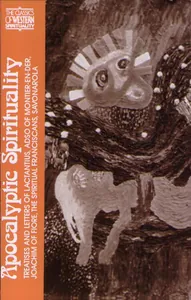
The Encyclopedia of Apocalypticism

 74
74

The Encyclopedia of Apocalypticism
Bernard McGinn’s sprawling encyclopedia offers a meticulously researched survey of apocalyptic thought, a topic often relegated to sensationalism or fringe belief. Its strength lies in its academic rigor, presenting apocalypticism not as a monolithic phenomenon but as a dynamic, historically situated discourse. McGinn’s examination of the medieval period, particularly the interplay between monastic visions and popular eschatology, is especially illuminating. However, the sheer breadth can occasionally lead to a somewhat detached tone, making the profound emotional and spiritual dimensions of these beliefs feel understated. A passage detailing the symbolism of the Beast in Revelation, for instance, is academically precise but could benefit from a deeper engagement with the visceral fear and hope it generated. Despite this, the work remains a foundational text for understanding a persistent and influential current in Western thought.
📝 Description
74
Bernard McGinn's 2000 encyclopedia systematically catalogues Western apocalyptic thought and literature.
First published in 2000, this volume systematically catalogues the diverse spectrum of apocalyptic thought and literature across Western history. It examines not just eschatological prophecies, but the broader cultural and theological frameworks that shaped ideas of the end of times, divine judgment, and cosmic transformation. The work traces the evolution of these concepts from ancient Israelite prophecy through early Christian writings, medieval mysticism, and into modern interpretations.
Scholars of religious studies, theology, and history will find this encyclopedia a vital reference. It is also useful for students of comparative religion interested in the human fascination with eschatology. Individuals seeking to understand the historical roots of millenarian movements, the philosophical underpinnings of apocalyptic narratives, or the symbolic language of divine intervention will benefit from its thorough scholarship. The encyclopedia unpacks central tenets of apocalyptic thought, including dualistic worldviews, the role of divine revelation, symbolic uses of numbers and beasts, and the concept of historical epochs leading to a final resolution. It differentiates between various forms of apocalyptic literature and distinct theological currents.
Bernard McGinn's work emerged during a period of renewed academic interest in apocalypticism, moving beyond simplistic interpretations. His encyclopedia contributes to a more thorough understanding of how these ideas functioned within various historical and cultural contexts. It engaged with scholarly debates concerning the origins of Christian apocalypticism and its relationship to earlier Jewish traditions, situating itself within ongoing academic discussions on early Christian eschatology.
💡 Why Read This Book?
• Gain a structured understanding of the historical development of apocalyptic ideas, from their roots in ancient Israelite prophecy to their varied expressions through the medieval period and beyond. • Explore the symbolic language of apocalyptic texts, learning to interpret recurring motifs like divine judgment, cosmic battles, and the establishment of a new order. • Understand the distinct theological and social functions of apocalyptic thought within different historical epochs, recognizing it as a response to crisis and a framework for hope.
⭐ Reader Reviews
Honest opinions from readers who have explored this book.
❓ Frequently Asked Questions
What are the primary historical periods covered in The Encyclopedia of Apocalypticism?
The encyclopedia meticulously covers several key periods, including ancient Israelite prophecy, early Christian apocalyptic literature, and medieval mystical traditions. It extends its analysis to later developments, offering a broad historical sweep.
Does the book focus only on Christian apocalypticism?
No, while Christian apocalypticism is a significant focus, the work also delves into its antecedents in Jewish apocalyptic traditions and explores the broader context of Western thought where these ideas emerged and evolved.
Who is Bernard McGinn and what is his expertise?
Bernard McGinn is a prominent scholar of religious history and theology, specializing in the study of mysticism and apocalyptic thought. His extensive research provides the authoritative foundation for this encyclopedia.
What is "eschatology" as discussed in this book?
Eschatology refers to the theological or philosophical study of 'end times,' encompassing doctrines about the final events of history, the ultimate destiny of humanity, and the judgment of the world. The book explores its diverse manifestations.
Is this book suitable for beginners in the study of apocalypticism?
While comprehensive, the academic nature of the text makes it most suitable for students, scholars, or serious readers already familiar with religious studies or theology. Its depth requires a dedicated approach.
What is the significance of the year 2000 for this publication?
The year 2000 marks the initial publication date of The Encyclopedia of Apocalypticism, placing it within a period of renewed scholarly interest in eschatological themes and their historical impact.
🔮 Key Themes & Symbolism
Divine Revelation and Judgment
This theme explores how apocalyptic traditions conceive of divine communication, often through visions, dreams, or angelic intermediaries, revealing hidden truths about cosmic history and future judgment. The work examines the concept of a predetermined divine plan culminating in a final reckoning, a core element in understanding the structure of apocalyptic narratives and the perceived agency of the divine in human affairs.
Dualism and Cosmic Conflict
Central to many apocalyptic visions is a stark dualistic worldview, positing a fundamental struggle between opposing forces, often good versus evil, light versus darkness, or God versus Satan. The encyclopedia traces how this framework shapes the symbolic landscape, featuring angelic hosts, demonic powers, and the ultimate triumph of the divine. This concept provides a lens through which to understand historical crises as part of a larger, cosmic drama.
Historical Epochs and Transformation
Apocalyptic thought frequently structures history into distinct epochs, leading towards a final, transformative culmination. The book analyzes how various traditions envisioned these periods, often marked by specific signs or events, culminating in a new heaven and earth, divine reign, or spiritual renewal. This cyclical or linear progression offers a framework for interpreting present circumstances within a grander, divinely ordained narrative.
Symbolism and Numerology
The rich symbolic language of apocalyptic literature, including beasts, numbers (like seven or twelve), and celestial phenomena, is a key focus. The encyclopedia deciphers these motifs, explaining their significance within specific traditions and their role in conveying complex theological ideas about divine power, historical cycles, and the unfolding of God's plan. Understanding this symbolic lexicon is crucial for accessing the deeper meanings.
💬 Memorable Quotes
“Apocalypticism is not simply a literature of the end, but a literature of the beginning of the end.”
— This interpretation highlights that apocalyptic texts often describe not just the final moments, but the transitional period leading into a new era, emphasizing the 'beginning of the end' as a crucial phase of divine intervention and transformation.
“The structure of history is understood as a series of divinely ordained ages.”
— This paraphrased concept points to the theological underpinnings of apocalyptic narratives, where historical events are not random but part of a larger, purposeful unfolding orchestrated by a divine power across distinct periods.
“Visions often serve to reveal hidden realities and the true nature of spiritual forces.”
— This highlights the function of visionary experiences within apocalyptic literature, suggesting they are conduits for supernatural knowledge, unveiling the unseen spiritual world and the active forces at play in human history.
“The imagery of cosmic battles underscores the struggle between good and evil.”
— This interpretation emphasizes the symbolic representation of conflict in apocalyptic texts, where grand celestial or earthly confrontations serve to illustrate the fundamental, often dualistic, battle between divine forces of good and malevolent powers.
“Apocalyptic texts provide frameworks for understanding suffering and anticipating redemption.”
— This captures the dual role of apocalyptic literature: offering theological explanations for present hardship and pain, while simultaneously presenting visions of future deliverance, vindication, and ultimate salvation.
🌙 Esoteric Significance
Tradition
While broadly covering Western apocalyptic thought, McGinn’s work strongly engages with traditions that informed esoteric practices, particularly Christian mysticism and Gnosticism. It examines how apocalyptic visions were not just theological pronouncements but also internal, transformative experiences for initiates. The encyclopedia situates these ideas within a lineage that seeks hidden knowledge (gnosis) and divine communion, often departing from mainstream theological interpretations by emphasizing the subjective and revelatory aspects.
Symbolism
Key symbols explored include the "New Jerusalem," representing an ideal divine order and spiritual city, and the figure of the "Antichrist," embodying forces of opposition and deception that test the faithful. The work also delves into the symbolic meaning of cosmic upheavals, such as the darkening of the sun and moon, which signify radical shifts in spiritual or historical paradigms. These symbols function as potent archetypes within esoteric traditions, pointing to inner transformations and the revelation of divine truths.
Modern Relevance
Contemporary esoteric thinkers and movements, particularly those interested in Western esotericism, often draw upon McGinn's meticulous historical analyses. His work provides essential context for understanding modern millenarianism, New Age eschatology, and even certain interpretations within chaos magic or ceremonial magic that engage with apocalyptic imagery. Scholars and practitioners exploring the enduring appeal of end-times narratives and their psychological or spiritual functions find a vital resource in his comprehensive historical survey.
👥 Who Should Read This Book
• Students of comparative religion and theology: Gain a foundational, academically rigorous overview of apocalyptic thought across Western history, essential for understanding its diverse expressions. • Scholars of medieval studies and early Christianity: Access detailed analysis of key texts and movements, crucial for contextualizing historical crises and religious fervor. • Individuals exploring esoteric traditions: Understand the historical roots and symbolic language of apocalypticism, which deeply influences various mystical and occult paths.
📜 Historical Context
Published in 2000, Bernard McGinn's encyclopedia emerged during a period of robust academic engagement with apocalypticism, moving beyond earlier, often simplistic, interpretations. The late 20th century saw scholars increasingly focus on the historical and cultural contexts of these beliefs, rather than treating them as mere prophetic predictions. McGinn's work stood in dialogue with ongoing scholarship concerning the origins of Christian eschatology and its complex relationship with earlier Jewish traditions, engaging with figures like scholars who explored the Dead Sea Scrolls and their implications for understanding Jewish apocalyptic literature. The reception of such comprehensive works typically involves scholarly review, affirming their place in university curricula and contributing to ongoing debates within religious studies, rather than significant public controversy in this era.
📔 Journal Prompts
The concept of the "New Jerusalem" as a symbol of divine order.
Reflect on the dualistic worldview presented in early Christian apocalyptic texts.
Analyze the function of divine revelation in shaping historical understanding.
Consider the symbolic significance of cosmic transformations.
Examine the historical context of medieval visions of the end times.
🗂️ Glossary
Apocalypticism
A religious or philosophical belief system that postulates the imminent, dramatic end of the world or the current age, often involving divine intervention, judgment, and the establishment of a new cosmic order.
Eschatology
The branch of theology or philosophy concerned with 'end things,' including the final destiny of the human soul, the end of the world, and the ultimate fate of the universe.
Millenarianism
A specific form of apocalyptic belief centered on the idea of a coming millennium, a future golden age of peace and prosperity, often heralded by a divine figure or event.
Dualism
A worldview characterized by the division of reality into two fundamental, often opposing, principles or substances, such as good and evil, spirit and matter, or God and Satan.
Gnosis
In esoteric contexts, refers to spiritual knowledge or insight, often considered a direct, intuitive apprehension of divine truth, central to Gnostic traditions.
Revelation
The act of revealing or disclosing divine truth, often through visions, prophecies, or sacred texts, providing knowledge of hidden matters or future events.
Cosmic Battle
A symbolic narrative element in apocalyptic literature depicting a grand conflict between divine or angelic forces and demonic or evil powers for the fate of the universe.