Ritual use of magical tools

 72
72

Ritual use of magical tools
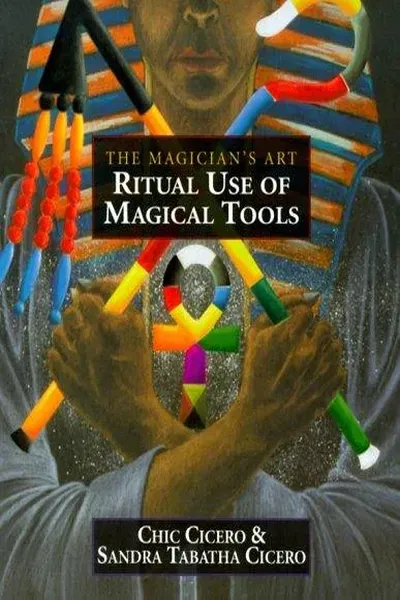
Chic Cicero's Ritual Use of Magical Tools offers a refreshingly direct approach to a subject often shrouded in arcane jargon. The strength of this work lies in its clear, step-by-step guidance on the consecration and application of magical implements. Cicero eschews overly flowery language for functional instruction, which is a significant asset for serious practitioners. A particularly useful section details the symbolic correspondences of various tools to the four elements and directions. However, the book occasionally feels a touch dry, lacking deeper theoretical exploration into the psychological underpinnings of why these rituals are effective. While the practical aspect is its core merit, a more nuanced discussion of the practitioner's inner state could have elevated it further. Despite this, for anyone seeking to understand the practical mechanics of tool use in Western ceremonial magic, this book provides a solid, actionable framework.
📝 Description
72
### What It Is Ritual Use of Magical Tools by Chic Cicero, first published in 2000, functions as a practical handbook for individuals engaged in ceremonial magic. It moves beyond theoretical discussions to offer direct instructions on the selection, consecration, and application of implements commonly employed in Western esoteric traditions. The work aims to demystify the process, presenting tools not as mere objects but as focal points for intent and conduits for magical energy.
### Who It's For This book is primarily for practitioners of ceremonial magic, occultists, and those exploring the active components of ritual work. It is suited for individuals who have a foundational understanding of magical principles and are seeking to enhance their practice through the proper use of tools. Those new to the craft might find it beneficial after consulting introductory texts on magical theory, as it assumes a degree of familiarity with concepts like consecration and elemental correspondences.
### Historical Context The early 2000s saw a continued resurgence of interest in practical occultism, building on foundations laid by figures like Aleister Crowley and the Golden Dawn. Cicero’s work emerges within this milieu, offering a focused examination of tool usage that complements broader grimoire traditions and magical system development. It reflects a trend towards detailed, procedural occult literature aimed at the independent practitioner.
### Key Concepts Central to Cicero's approach is the idea that magical tools are empowered through specific rituals of consecration and are imbued with symbolic meaning. The book details the purpose and handling of various implements, including wands, swords, cups, and pentacles, often linking them to specific magical operations or elemental forces. The emphasis is on the practitioner's will and understanding as the primary drivers of magical efficacy, with tools serving as extensions of that will.
💡 Why Read This Book?
• Learn precise methods for consecrating magical tools, such as the ritual for preparing a wand, which transforms an inert object into a focused instrument of will. • Understand the elemental and directional symbolism of specific implements like the pentacle and cup, enabling more targeted and effective ritual construction. • Gain practical instruction on the ritualistic handling and application of tools within ceremonial contexts, moving beyond theory to concrete magical practice as detailed by Cicero.
⭐ Reader Reviews
Honest opinions from readers who have explored this book.
❓ Frequently Asked Questions
What is the primary purpose of consecrating magical tools according to Chic Cicero?
Cicero explains that consecration imbues tools with specific energies and symbolic intent, transforming them from ordinary objects into potent instruments for directing magical force and will within a ritual setting.
Which common magical tools are discussed in detail in Ritual Use of Magical Tools?
The book covers essential ceremonial tools including wands, swords, cups, and pentacles, detailing their symbolic meanings and practical applications in ritual work.
Is this book suitable for absolute beginners in magic?
While it offers practical guidance, the book assumes some familiarity with basic magical concepts. Beginners might benefit from reading introductory texts on occult theory before delving into Cicero's detailed instructions on tool usage.
When was Ritual Use of Magical Tools first published?
Ritual Use of Magical Tools by Chic Cicero was first published in the year 2000, reflecting a period of renewed interest in practical ceremonial magic.
How does Cicero's approach to magical tools differ from purely symbolic interpretations?
Cicero emphasizes the functional aspect, detailing specific consecration rites and usage protocols. The focus is on the tool as an active component of ritual, empowered by the practitioner's will and intention.
Can the principles discussed in this book be applied to modern magical practices?
Yes, the foundational principles of tool consecration and symbolic application outlined by Cicero remain relevant for many contemporary practitioners of Western esoteric traditions.
🔮 Key Themes & Symbolism
Empowerment Through Consecration
The central tenet explored is that magical tools derive their efficacy not from inherent properties, but from the deliberate act of consecration. Cicero details specific rituals designed to imbue objects like wands, cups, swords, and pentacles with symbolic energy and focused intent. This process transforms mundane items into specialized conduits, essential for directing the flow of magical force during ceremonial operations. The work emphasizes that the practitioner's will, channeled through these consecrated implements, is the key to manifesting magical effects.
Symbolic Correspondence and Application
Cicero meticulously outlines the symbolic meanings associated with each tool, linking them to the four classical elements (Earth, Air, Fire, Water) and cardinal directions. For instance, the wand typically represents Fire or Air, the cup Water, and the pentacle Earth. This framework provides practitioners with a structured understanding of how to select and employ specific tools for particular magical tasks, ensuring alignment with the desired elemental or directional energies. The book guides the reader in applying these correspondences to enhance ritual effectiveness.
The Practitioner's Will and Intent
A recurring theme is the paramount importance of the practitioner's consciousness and focused will. The tools are presented as extensions of the magician's intent, rather than autonomous magical agents. Cicero stresses that the effectiveness of any ritual tool hinges on the operator's mental clarity, disciplined intent, and understanding of the symbolic language being employed. The book implicitly guides the reader towards developing this inner focus, which is crucial for activating and directing the power invested in the tools.
Practical Mechanics of Ritual
Beyond symbolism, Cicero provides concrete, procedural guidance on the physical handling and ritualistic use of magical implements. This includes aspects of their preparation, maintenance, and deployment within ceremonial frameworks. The work aims to demystify the practical execution of rituals, offering actionable steps that can be integrated into personal magical systems. By focusing on these operational details, Cicero makes the practice of ceremonial magic more accessible and less abstract for dedicated students.
💬 Memorable Quotes
“The wand is an instrument of Will and Spirit.”
— This concise statement highlights the wand's primary function in magical practice as a tool for projecting intention and connecting with higher spiritual forces or the practitioner's own directed will.
“Consecration is the process by which we dedicate an instrument to its divine purpose.”
— This interpretation emphasizes that consecration is more than just a ritual cleansing; it's a sacred act of assigning a tool to its specific magical or spiritual function, aligning it with higher principles.
“The cup represents the element of Water and the realm of emotion and intuition.”
— This signifies the symbolic association of the cup with the Water element, linking it to the intuitive, emotional, and receptive aspects of consciousness within magical and esoteric frameworks.
“The pentacle is the symbol of Earth and the manifestation of ideas in the material world.”
— This paraphrase points to the pentacle's role as representing the Earth element, signifying grounding, stability, and the practical manifestation of spiritual or mental concepts into tangible reality.
“A tool is only as effective as the will of the magician who wields it.”
— This concept underscores that the power of magical implements is derived from the practitioner's focused intent and willpower, acting as amplifiers or conduits for the magician's own directed energy.
🌙 Esoteric Significance
Tradition
This work firmly belongs within the Western Esoteric Tradition, specifically drawing heavily from ceremonial magic practices associated with the Hermetic Order of the Golden Dawn and its offshoots. It functions as a practical manual that operationalizes concepts found in grimoires and magical systems that emphasize structured ritual. Cicero’s approach aligns with the Golden Dawn’s meticulous focus on the symbolic language and practical application of ritual implements as integral components of magical operations.
Symbolism
Key symbols include the wand, representing spirit, will, and fire; the cup, embodying emotion, intuition, and water; the sword, signifying intellect, air, and action; and the pentacle, denoting the material world, earth, and manifestation. These tools, often inscribed with specific sigils or Hebrew letters, act as focal points for elemental and directional energies within the magical circle, enabling the practitioner to structure and direct ritual work effectively.
Modern Relevance
Contemporary practitioners of Western ceremonial magic, chaos magic, and various forms of modern witchcraft continue to draw upon Cicero’s work. Its clear, functional approach to tool consecration and usage provides a solid foundation for those developing personal magical systems. Thinkers and practitioners exploring ritual design, energy work, and the psychology of magic often reference such practical guides for their actionable insights into the mechanics of ceremonial practice.
👥 Who Should Read This Book
• Aspiring ceremonial magicians seeking foundational knowledge on the proper selection, consecration, and use of ritual implements. • Experienced occultists looking to refine their understanding of tool symbolism and practical application within established esoteric frameworks. • Students of Western Esotericism interested in the practical, hands-on aspects of magical ritual and the function of specific symbolic tools.
📜 Historical Context
Published in 2000, Chic Cicero's *Ritual Use of Magical Tools* emerged during a period where practical occultism was experiencing a notable revival, partly fueled by the burgeoning internet facilitating information exchange. This era saw continued engagement with the legacy of ceremonial magic orders like the Hermetic Order of the Golden Dawn, whose teachings heavily influenced the use of ritual tools. Cicero's work positions itself within this lineage, offering a focused, instructional approach that contrasts with the more philosophical or theoretical texts prevalent in some esoteric circles. While authors like Israel Regardie had previously detailed Golden Dawn practices, Cicero's book provided a streamlined, modern guide specifically addressing the mechanics of tool application. It catered to the growing number of independent practitioners seeking concrete techniques for personal magical work, distinct from institutional or heavily academic explorations of the occult.
📔 Journal Prompts
The consecration ritual for a wand: what personal intent will you imbue?
Reflect on the elemental correspondence of the cup and its connection to your intuition.
How might the sword's symbolism of intellect inform your approach to problem-solving?
Consider the pentacle's role in manifestation: what material goal do you wish to ground?
The relationship between the practitioner's will and the magical tool.
🗂️ Glossary
Consecration
A ritual act of dedicating an object, place, or person to a sacred purpose, imbuing it with spiritual energy and symbolic significance for magical use.
Wand
A magical tool typically symbolizing the element of Fire or Air, used to direct will, invoke forces, and command energies within a ritual context.
Cup
A magical tool representing the element of Water, associated with emotions, intuition, divination, and the receptive aspects of consciousness.
Sword
A magical implement symbolizing the element of Air, intellect, decisive action, and the cutting away of illusions or obstacles.
Pentacle
A magical tool representing the element of Earth, used for grounding, manifestation, protection, and establishing stability in ritual work.
Elemental Correspondences
The system of associating specific tools, colors, directions, and symbols with the four classical elements (Earth, Air, Fire, Water) to structure magical operations.
Ceremonial Magic
A structured form of magic involving elaborate rituals, specific tools, invocations, and symbolic actions, often aimed at spiritual attainment or practical effect.