Nada the Lily
 73
73

Nada the Lily
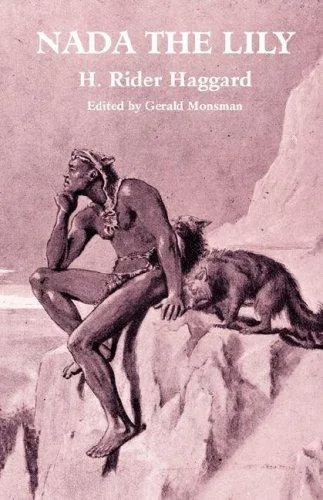
Haggard's 'Nada the Lily' offers a glimpse into the romanticized vision of Zulu culture prevalent in early 20th-century British literature. The narrative, centered on the warrior Nada and the mystical Queen-Mother, is propelled by a series of dramatic events and spiritual pronouncements that feel both grand and somewhat archaic. The depiction of spiritual leadership, particularly through the Queen-Mother, provides an intriguing, if sensationalized, look at power dynamics. However, the novel's reliance on stereotypes and its somewhat didactic tone can be challenging for modern readers. The strength lies in its adventurous spirit and the vivid, albeit filtered, portrayal of a world Haggard perceived as mystical. A particularly compelling passage describes the spiritual preparations for battle, highlighting the blend of martial prowess and divine sanction. The work ultimately serves as a historical artifact, reflecting the era's fascination with the 'exotic' and the supernatural, rather than a nuanced ethnography. It's a curio for those interested in adventure fiction's evolution.
📝 Description
73
H. Rider Haggard's 1925 novel 'Nada the Lily' is set against the Zulu Wars.
'Nada the Lily' tells the story of a Zulu warrior, framed by the conflicts of the late 19th century. The narrative weaves together tales of loyalty, bravery, and the unseen forces influencing human fate. Published in 1925, the book uses oral traditions and historical accounts, seen through a colonial perspective. It will appeal to those interested in early 20th-century adventure fiction with an ethnographic bent. Readers who enjoy stories blending personal struggles with larger historical events will find it engaging. The work represents a historical view of non-Western societies in literature.
Haggard's work reflects a period of fascination with African cultures, often filtered through a colonial lens. It touches on beliefs in ancestral power and spiritual leadership common in many traditions. The novel's focus on destiny and the influence of spirits aligns with broader occult and supernatural fiction of the era, which often sought to depict or interpret 'primitive' magic and belief systems.
💡 Why Read This Book?
• Gain insight into the 19th-century European fascination with African spiritualism and leadership, as seen through the lens of the Zulu Wars. Understand how figures like the Queen-Mother were mythologized in adventure fiction. • Explore the narrative device of destiny and ancestral power, a common theme in Haggard's work, and its connection to the concept of 'white kingship' within the story's framework. • Appreciate the literary style of H. Rider Haggard, who pioneered adventure tales set in exotic locales, and his particular approach to integrating historical events with supernatural elements, as exemplified in this 1925 publication.
⭐ Reader Reviews
Honest opinions from readers who have explored this book.
❓ Frequently Asked Questions
What historical events are referenced in 'Nada the Lily'?
The novel is set against the backdrop of the Zulu Wars, particularly referencing the conflicts and societal structures of the Zulu Kingdom in the late 19th century, a period of significant colonial expansion.
Who is the author of 'Nada the Lily' and when was it first published?
The author is H. Rider Haggard, and the book was first published in 1925, though its themes echo his earlier works.
What are the main esoteric themes explored in 'Nada the Lily'?
The book explores themes of ancestral power, spiritual leadership, destiny, and the influence of divine or mystical forces on human affairs and warfare.
Is 'Nada the Lily' based on real Zulu mythology?
While inspired by Zulu culture and history, the narrative filters these elements through H. Rider Haggard's imaginative and often romanticized storytelling style, rather than presenting a direct transcription of mythology.
What is the significance of the 'white kingship' concept in the book?
The 'white kingship' concept, as presented in the novel, relates to a mystical or divinely appointed leadership that transcends ordinary rule, often linked to spiritual purity or destiny.
Where can I find 'Nada the Lily' by H. Rider Haggard?
'Nada the Lily' by H. Rider Haggard is available through various booksellers and libraries. As a work published in 1925, it may also be available in the public domain.
🔮 Key Themes & Symbolism
Ancestral Power and Destiny
The narrative heavily emphasizes the role of ancestral spirits and a predetermined destiny in shaping the lives of individuals and the fate of nations. Characters often act under the perceived guidance or mandate of their forebears, suggesting a universe where the past actively influences the present. This concept is central to the warriors' motivations and the leaders' authority, portraying a worldview where individual will is secondary to a cosmic or ancestral plan. The idea that certain individuals are fated for greatness or specific trials underscores this theme.
Spiritual Leadership and Divine Authority
Central to the plot is the exploration of leadership that derives its legitimacy not merely from military might or lineage, but from a perceived divine or spiritual connection. Figures like the Queen-Mother are depicted as conduits of supernatural power, their pronouncements carrying the weight of prophecy or divine decree. This elevates leadership beyond the temporal realm, suggesting that true authority stems from an ability to commune with or command spiritual forces, thereby influencing the outcome of earthly conflicts and societal events.
The Mystical Zulu Kingdom
Haggard presents a vision of the Zulu Kingdom infused with mysticism and hidden spiritual knowledge, particularly in the context of the Zulu Wars. The narrative suggests that beyond the visible aspects of warfare and politics, there exists a layer of spiritual power and ancient wisdom that dictates events. This includes the belief in powerful sorcerers, sacred rites, and a unique connection to the natural and spiritual worlds that grants the Zulu people a distinct and formidable essence.
The 'White King' Archetype
The recurring motif of the 'white king' or a leader possessing a unique, almost celestial aura appears as a significant element. This archetype represents a ruler whose legitimacy is tied to a spiritual purity or a destined role, often standing apart from ordinary human rulers. This concept implies a form of kingship that is divinely sanctioned or inherently superior, influencing the loyalty and actions of those around them, and suggesting a mystical order to power structures.
💬 Memorable Quotes
Direct passages from the work, attributed to the author.
“The very air seemed thick with the presence of the unseen.”
— This phrase captures the pervasive sense of spiritual energy and unseen forces that the characters perceive, highlighting the belief that the material world is constantly influenced by supernatural powers.
“His destiny was written in the stars, not in the dust of the battlefield.”
— This suggests a belief in preordaination, where a person's ultimate fate is determined by cosmic forces rather than immediate circumstances or personal actions.
“The Queen-Mother spoke, and her words carried the weight of ages.”
— This emphasizes the spiritual authority and profound wisdom attributed to the Queen-Mother, implying her pronouncements are not mere opinion but ancient truths or divine commands.
“They fought not only with spear and shield, but with the power of their fathers.”
— This highlights the integration of ancestral veneration into their martial practices, suggesting that spiritual strength and the legacy of their ancestors were as crucial as physical prowess in battle.
“A hidden wisdom guided their steps through the shadowed lands.”
— This points to esoteric knowledge and a guiding spiritual force that provides direction and protection to the characters as they navigate perilous or unknown territories.
🌙 Esoteric Significance
Tradition
The work aligns loosely with the adventure fiction's engagement with perceived 'ancient wisdom' prevalent in late 19th and early 20th-century popular esotericism, influenced by figures like Madame Blavatsky. It taps into a broader cultural current that sought spiritual truths in non-Western cultures, often filtered through a Western lens, rather than adhering to a specific, codified esoteric lineage like Hermeticism or Kabbalah.
Symbolism
The Zulu warrior Nada himself can be seen as a symbol of the ideal hero, embodying courage and spiritual fortitude. The Queen-Mother represents a form of divine feminine or oracle, channeling ancestral power and destiny. The recurring motif of the 'white king' symbolizes a divinely appointed or spiritually pure leadership, transcending ordinary political authority.
Modern Relevance
Contemporary readers might find relevance in the novel's exploration of leadership ethics and the psychological impact of destiny, albeit within a dated framework. Its engagement with myth and archetypal heroism continues to resonate in popular culture, influencing modern fantasy and adventure narratives that draw on indigenous mythologies for inspiration.
👥 Who Should Read This Book
• Readers interested in early 20th-century adventure fiction who want to understand the genre's engagement with colonial-era perceptions of African societies and spirituality. • Students of H. Rider Haggard's oeuvre, seeking to analyze his recurring themes of destiny, leadership, and the mystical East/South within his 1925 publication. • Those curious about how historical events, such as the Zulu Wars, were fictionalized and imbued with esoteric undertones in popular literature of the period.
📜 Historical Context
H. Rider Haggard penned 'Nada the Lily' in 1925, a period when the British Empire was at its zenith, yet also beginning to face questioning. His work emerged from a literary tradition that romanticized adventure and the 'exotic,' often seen in contemporaries like Rudyard Kipling. The novel reflects the era's fascination with African cultures, particularly the Zulu Kingdom, following significant historical events like the Anglo-Zulu War of 1879. While not strictly ethnographic, it draws upon perceived oral traditions and historical accounts. The reception of such works often involved a blend of popular acclaim for their thrilling narratives and academic critique for their colonial perspectives and romanticized portrayals. This era also saw the rise of spiritualist movements and Theosophy, which influenced how writers like Haggard explored 'primitive' religions and hidden wisdom, often framing them as ancient and profound.
📔 Journal Prompts
Nada's unwavering loyalty to his leaders and their spiritual mandates.
The concept of the Queen-Mother as a source of divine authority.
Reflections on the role of destiny versus free will as depicted in the narrative.
The symbolic meaning of the Zulu warriors' spiritual preparations for battle.
Contrasting the 'white king' archetype with historical leadership during the Zulu Wars.
🗂️ Glossary
Zulu Wars
A series of military engagements fought between the Zulu Kingdom and the British Empire in the late 19th century, notably the Anglo-Zulu War of 1879, which significantly impacted the region's history.
Queen-Mother
In the context of the novel, a figure of immense spiritual and political influence, often depicted as a matriarch who wields mystical power and prophetic authority within the Zulu hierarchy.
White King
An archetypal figure in the narrative representing a ruler of exceptional spiritual purity, divine appointment, or destined leadership, distinct from ordinary kings.
Ancestral Power
The belief that the spirits of deceased ancestors retain influence and can guide, protect, or empower the living, a concept central to the warriors' motivations and spiritual practices.
Destiny
The preordained course of events that characters believe shapes their lives and actions, often seen as influenced by spiritual forces or ancestral will.
Esoteric
Relating to or accessible only by a select group of initiated people; hidden or mysterious knowledge, often concerning spiritual or mystical matters.
H. Rider Haggard
A prolific English author (1856-1925) best known for adventure novels set in exotic locations, such as 'King Solomon's Mines' and 'She', often incorporating elements of fantasy and mysticism.
🔮 Readers Also Liked
Browse all →








More by H. Rider Haggard
All books →



More Free Occult Philosophy Books
View all →