Invocation of the Fire God
 75
75

Invocation of the Fire God
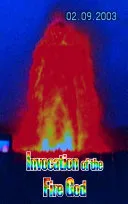
willianinnovador’s Invocation of the Fire God presents a starkly original vision of apocalyptic urban fantasy. The premise, with cults waging wars via permitted Incarnations and gods wielded as weapons, immediately signals a departure from standard genre fare. Elias Brand's struggle to bind Khal-Zhaur, a deity with a 220-year soul-harvesting legacy, is the narrative's visceral core. The book excels in its depiction of a city under siege by supernatural forces, where survival is a daily, brutal negotiation. However, the sheer density of invented lore and terminology, while impressive, can occasionally feel overwhelming, demanding significant reader investment to parse. A particularly striking passage details the Order of the Pyre's ritualistic summoning of Khal-Zhaur, showcasing the author's flair for dark, visceral imagery. Ultimately, Invocation of the Fire God is a potent, if demanding, entry into contemporary occult fiction.
📝 Description
75
Published in 2025, Invocation of the Fire God pits a demon-tamer against a soul-harvesting deity.
Invocation of the Fire God transports readers to a city where supernatural beings function as tools of war. The story follows Elias Brand, a demon-tamer given a dangerous mission: to subdue Khal-Zhaur, a god with a 220-year history of collecting souls. This is not a simple battle between good and evil, but a raw look at survival and arcane conflict.
The novel explores the concept of 'Incarnations,' which are angelic and demonic entities employed as living weapons. The main struggle involves Khal-Zhaur, a god portrayed as a source of vast destructive power, sought after by different groups. Elias Brand's position as a demon-tamer subverts common hero roles, showing him as someone who must control dark powers for a greater outcome. The narrative is set in 2025, aligning with contemporary speculative fiction that examines religious and mythological ideas through a modern lens.
This novel engages with speculative fiction's recent trend of reinterpreting religious and mythological figures within modern settings. Authors are questioning established theological ideas, often using divine and infernal powers as metaphors for contemporary conflicts. The book fits this pattern by framing supernatural warfare within a quasi-political, urban environment, reflecting a broader interest in how ancient concepts manifest in current anxieties.
💡 Why Read This Book?
• Gain a unique perspective on divine conflict by exploring the concept of 'Incarnations' as literal weapons of war, as depicted in the 2025 publication. • Understand the intricate power dynamics of urban apocalypses where cults operate under legal permits, a scenario detailed within the narrative. • Experience Elias Brand's specific challenge: binding a god like Khal-Zhaur, who has a documented 220-year history of soul harvesting, forcing a reevaluation of hero archetypes.
⭐ Reader Reviews
Honest opinions from readers who have explored this book.
❓ Frequently Asked Questions
What is the primary conflict in Invocation of the Fire God?
The central conflict involves Elias Brand, a demon-tamer, attempting to bind the ancient god Khal-Zhaur, who has a 220-year history of soul harvesting, to prevent further destruction in a modern megacity.
What are 'Incarnations' in the context of the book?
Incarnations are described as angelic and demonic entities that are unleashed like 'living warheads,' capable of erasing entire neighborhoods in seconds within the novel's setting.
Who is the author and when was the book first published?
The author is willianinnovador, and the book was first published on August 14, 2025.
What genre does Invocation of the Fire God fall into?
It is classified as Esoteric fiction, specifically within the dark urban fantasy and apocalyptic fiction subgenres, focusing on supernatural warfare.
What makes the city setting unique?
The megacity is characterized by cults conducting wars under the guise of permits and prayers, and the presence of divine and infernal beings as active agents of conflict.
What is the significance of Khal-Zhaur?
Khal-Zhaur is depicted as a powerful, ancient god unleashed by the Order of the Pyre, known for having harvested souls for 220 years, making him a central threat.
🔮 Key Themes & Symbolism
Divine Warfare in Urban Settings
The novel reimagines large-scale conflict not through conventional armies, but through the deployment of supernatural entities like 'Incarnations.' This theme explores the terrifying implications of celestial and infernal powers being weaponized within a modern metropolis, where cults leverage these forces for their own ends, blurring lines between religious fervor and actual warfare.
The Nature of Gods and Demons
Invocation of the Fire God challenges simplistic portrayals of deities and demons. Khal-Zhaur, for instance, is presented not merely as evil but as an entity with a long history of specific actions, like soul harvesting over 220 years. The narrative probes the idea of binding or exiling such beings, suggesting a complex relationship between humanity and divine forces that can be manipulated or controlled.
Survival and Negotiation with Dark Powers
At its heart, the book is a survival story. Elias Brand's role as a demon-tamer highlights the necessity of engaging with and understanding the very powers that threaten existence. The narrative suggests that in an apocalyptic scenario, survival may depend on forging impossible alliances or mastering forbidden arts, pushing the boundaries of morality and faith.
Order vs. Chaos
The story is set in a world where established orders are crumbling, and chaotic forces—both human and supernatural—reign. The 'Order of the Pyre' attempts to impose its will by unleashing Khal-Zhaur, while Elias Brand seeks to establish a different kind of order by binding the god. This tension between imposed structure and rampant chaos is central to the book's conflict.
💬 Memorable Quotes
Direct passages from the work, attributed to the author.
“Incarnations—angels and demons dropped like living warheads—erase neighborhoods in seconds.”
— This phrase vividly illustrates the novel's core concept of divine and infernal beings being used as WMDs in a modern urban conflict, setting a tone of immediate, catastrophic danger.
“Khal-Zhaur, a god who has harvested souls for 220 years.”
— This highlights the ancient, established, and terrifying nature of the antagonist god, providing a concrete measure of its destructive history and power within the narrative's timeline.
“Elias Brand wagers his body, his faith, and his city on an impossible marriage: bind the fire, exile the god, and end the ledger of ash.”
— This expresses the protagonist's monumental task and the extreme personal cost involved, framing the central conflict as a desperate, high-stakes gamble for survival and resolution.
“An urban apocalypse fought with...”
— This phrase emphasizes the genre and setting, promising a visceral, destructive conflict set against a familiar urban backdrop, hinting at unique methods of warfare.
💡 Key Ideas
Editorial paraphrase of the work's core concepts — not direct quotes.
Cults conduct wars behind permits and prayers.
This line suggests a world where supernatural conflict is bureaucratized or legitimized, creating a darkly ironic backdrop where religious factions wage war under official sanction.
🌙 Esoteric Significance
Tradition
The work engages with a modern interpretation of Gnostic and Hermetic concepts, particularly concerning the nature of divine entities and their relationship to the material world. Rather than adhering strictly to historical doctrines, it recontextualizes these ideas within an urban apocalypse. The 'Incarnations' and the act of 'binding' a god suggest a practical, albeit violent, application of esoteric principles, moving beyond theoretical contemplation towards direct manipulation of cosmic forces.
Symbolism
The 'Fire God,' Khal-Zhaur, symbolizes destructive divine power and primal forces, often associated with purification and annihilation in various mythologies. The 'ledger of ash' represents the accumulating cost of this divine warfare, a record of destruction and lost souls. The 'impossible marriage' Elias Brand attempts signifies the dangerous union of opposing forces—mortality and divinity, control and chaos—necessary for survival.
Modern Relevance
Contemporary practitioners of chaos magic and urban shamanism might find resonance in the book's depiction of manipulating powerful entities within mundane settings. Thinkers exploring post-apocalyptic narratives and the intersection of belief systems with power structures, such as those influenced by critical theory applied to mythology, could also draw parallels. The novel's approach to divine beings as tangible, weaponizable forces speaks to modern anxieties about unchecked power.
👥 Who Should Read This Book
• Readers of dark urban fantasy and apocalyptic fiction seeking narratives with high-stakes supernatural conflict and morally complex protagonists. • Enthusiasts of occult lore and mythology who are interested in contemporary reinterpretations of divine and infernal powers as active agents in a modern world. • Fans of speculative fiction that explores themes of survival, the nature of belief, and the consequences of wielding immense, dangerous forces, particularly those intrigued by the 2025 publication's unique premise.
📜 Historical Context
Published in 2025, Invocation of the Fire God emerges within a contemporary literary landscape where speculative fiction frequently reinterprets mythological and religious frameworks. Following in the wake of authors like Jeff VanderMeer, who explored ecological collapse and uncanny phenomena, this work positions itself within a trend of dark, urban fantasy that interrogates power structures through supernatural means. The novel's depiction of cults operating under official sanction and wielding divine beings echoes concerns about the weaponization of ideology and belief systems, a theme present in geopolitical discourse. While direct critical reception or censorship of this specific 2025 work is nascent, its premise aligns with a broader reception of urban fantasy that engages with existential threats and the subversion of traditional heroic narratives, distinct from the more idealistic fantasy prevalent in earlier decades.
📔 Journal Prompts
The 'ledger of ash' mentioned in the book: what personal costs does Elias Brand tally?
Consider the concept of 'Incarnations' as weapons; how might this alter societal structures?
Reflect on the 'impossible marriage' Elias Brand attempts with Khal-Zhaur; what does this represent metaphorically?
Analyze the cults operating 'behind permits and prayers'; what does this reveal about power and belief?
The 220-year history of Khal-Zhaur's soul harvesting: how does this past impact the present conflict?
🗂️ Glossary
Incarnations
Angelic and demonic beings functioning as literal weapons of mass destruction within the novel's urban apocalyptic setting, capable of widespread devastation.
Khal-Zhaur
An ancient and powerful god, the central antagonist, known for having harvested souls for 220 years and unleashed by the Order of the Pyre.
Order of the Pyre
A faction within the narrative that actively unleashes powerful divine entities, such as Khal-Zhaur, contributing to the ongoing urban apocalypse.
Demon-Tamer
Elias Brand's role, indicating a character who possesses the unique ability and willingness to control or bind demonic entities, often for purposes beyond simple destruction.
Ledger of Ash
A metaphorical or literal accounting of the destruction and soul-loss caused by the divine and infernal conflicts, representing the cumulative cost of the apocalypse.
Binding the Fire
The specific objective Elias Brand undertakes, referring to the act of controlling or restraining the destructive power embodied by Khal-Zhaur.
Urban Apocalypse
The novel's setting: a modern megacity experiencing catastrophic destruction primarily driven by supernatural warfare between cults and divine entities.