Domestic medicine
 71
71

Domestic medicine
Buchan's "Domestic Medicine" is less a guide to esoteric healing and more a pragmatic manual for its time, yet its very existence speaks volumes about historical approaches to well-being. Its strength lies in its detailed, if now outdated, catalog of ailments and remedies, offering a clear view into 18th-century medical thought. For instance, the sections on managing fevers, while employing terminology foreign to modern medicine, reveal a methodical approach to symptom observation. A notable limitation is its reliance on humoral theory, which, while standard for its era, lacks the scientific grounding of contemporary understanding. The detailed descriptions of bloodletting and purging, presented as standard treatments, highlight the stark differences in medical practice. Despite these historical divergences, the book remains a valuable artifact for understanding the intersection of domestic life and medical knowledge before the advent of modern scientific medicine.
📝 Description
71
### What It Is
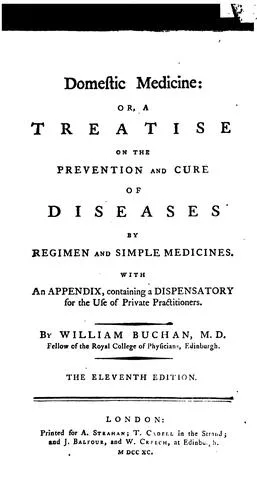
William Buchan's "Domestic Medicine," first published in 1792, is a foundational text in popular medical literature. It aimed to equip households with practical knowledge for treating common ailments and maintaining health, predating the formal establishment of many modern medical specialties. The work draws upon humoral theory and prevailing understandings of anatomy and physiology from the late 18th century.
### Who It's For
This compendium is intended for individuals interested in the history of medicine, domestic health practices, and the evolution of public health discourse. It appeals to scholars of social history, those studying pre-Victorian household management, and readers curious about the practical application of early modern medical theories outside of professional practice. It offers a window into the self-reliance expected of families in the period.
### Historical Context
Emerging in an era where access to physicians was limited and often costly, "Domestic Medicine" responded to a societal need for accessible health guidance. Buchan's approach was part of a broader Enlightenment trend towards disseminating knowledge and empowering individuals. His work stood in contrast to the more specialized, often arcane, medical texts of the time, making it a significant publication for its accessibility and practical focus.
### Key Concepts
The book explores concepts such as the influence of climate on health, the importance of diet and exercise, and the management of fevers, wounds, and chronic conditions. It details various herbal remedies and practical procedures, reflecting the pharmacopoeia and surgical techniques available at the close of the 18th century. The emphasis is on prevention and home-based care, aligning with the era's understanding of the body's inherent healing capacities.
✍️ Author
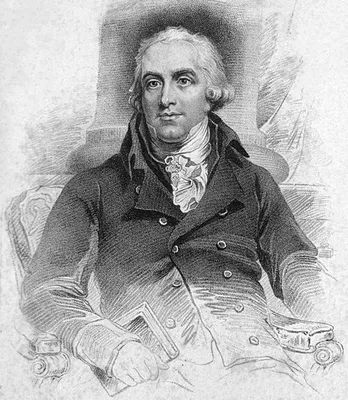
William Buchan M.D., William Nisbet
William Buchan (1729 – 25 February 1805) was a Scottish physician and writer. He is best known for his work Domestic Medicine: or, a Treatise on the Prevention and Cure of Diseases by Regimen and Simple Medicines, which provided laypeople with detailed desc…
💡 Why Read This Book?
• Gain insight into 18th-century medical practices by examining Buchan's detailed descriptions of treating ailments like fevers and coughs, understanding the limited scientific framework of the period. • Appreciate the historical context of domestic health management, learning how families relied on texts like "Domestic Medicine" for self-care and the treatment of common illnesses before widespread professional medical access. • Explore the evolution of medical knowledge through Buchan's focus on diet, exercise, and environmental factors, observing early attempts to link lifestyle to health outcomes, as discussed in its sections on hygiene.
⭐ Reader Reviews
Honest opinions from readers who have explored this book.
❓ Frequently Asked Questions
When was William Buchan's "Domestic Medicine" first published?
William Buchan's "Domestic Medicine" was first published in 1792, reflecting the medical knowledge and public health concerns prevalent at the close of the 18th century.
What was the primary purpose of "Domestic Medicine"?
The primary purpose of "Domestic Medicine" was to provide accessible medical knowledge to households, enabling them to treat common illnesses and maintain health without constant reliance on professional physicians.
What medical theories informed "Domestic Medicine"?
The book is informed by the prevailing medical theories of the late 18th century, including humoral theory and contemporary understandings of anatomy, physiology, and the impact of environment on health.
Are the remedies described in "Domestic Medicine" still considered effective today?
No, most remedies and treatments described in "Domestic Medicine," such as bloodletting and specific herbal concoctions, are not considered effective or safe by modern medical standards due to advancements in medical science.
Who collaborated on later editions of "Domestic Medicine"?
William Nisbet is credited with contributions to later editions, indicating the book's continued relevance and adaptation throughout the early 19th century.
What role did "Domestic Medicine" play in public health?
It played a significant role by democratizing medical information, fostering self-reliance in health matters, and contributing to a broader public discourse on hygiene and disease prevention during its era.
🔮 Key Themes & Symbolism
Home-Based Healing Practices
The work meticulously details methods for managing common ailments within the domestic sphere, reflecting a societal reliance on household remedies and the limited accessibility of professional medical care in the late 18th century. It covers everything from basic wound care to the treatment of fevers, emphasizing practical, actionable advice for laypersons. This theme highlights the foundational role such texts played in empowering families to manage their own health challenges before modern medical infrastructure.
Humoral Theory in Practice
Buchan's "Domestic Medicine" serves as a valuable case study for understanding the application of humoral theory, a dominant medical paradigm of the time. The text explains health and illness through the balance of bodily humors (blood, phlegm, yellow bile, black bile) and their associated qualities. Treatments often aimed to restore this balance through methods like bloodletting, purging, and dietary adjustments, offering a clear window into pre-modern medical reasoning.
Public Health Dissemination
As one of the earliest and most widely circulated domestic medical guides, "Domestic Medicine" significantly contributed to the dissemination of health information to the general populace. Its publication in 1792 democratized medical knowledge, moving it beyond the exclusive domain of physicians and fostering a culture of self-care and preventative health awareness among households across Britain and beyond.
The Role of Diet and Environment
A recurring theme is the profound impact of diet, exercise, and environmental factors on maintaining health. Buchan dedicates considerable attention to advising on appropriate foods, the benefits of fresh air, and the importance of physical activity. This reflects an early understanding, within the limitations of the era's science, of the connection between lifestyle choices and physical well-being, a concept that continues to be central to modern health discourse.
💬 Memorable Quotes
“A person of regular diet and exercise may be said to be in perfect health.”
— This statement underscores the era's emphasis on lifestyle as a primary determinant of well-being. It reflects a belief that adherence to disciplined habits of eating and physical activity was paramount for maintaining bodily equilibrium and preventing illness.
“The physician ought to be the minister of nature, not her master.”
— This quote encapsulates a philosophical approach to medicine that respects the body's inherent healing capabilities. It suggests that medical intervention should work in concert with natural processes rather than attempting to overpower them, a perspective that resonates with some contemporary holistic health philosophies.
“Cleanliness is a virtue of the highest importance.”
— Highlighting the practical and preventative aspects of health, this emphasizes the recognized link between hygiene and disease. It points to an early understanding of sanitation as a critical component of public and domestic health, a principle that would become even more vital with later discoveries in germ theory.
“The body is a machine, and like all machines, it requires proper tending.”
— This mechanical analogy reflects a common Enlightenment view of the human body. It suggests that by understanding its parts and functions, one can maintain it through appropriate care, akin to servicing a complex device, thereby preventing breakdown and ensuring continued operation.
“Many diseases owe their origin to an ill-regulated stomach.”
— This paraphrase points to the significant attention given to digestive health in 18th-century medicine. It reflects the belief that a compromised digestive system could be the root cause of a wide array of ailments, influencing treatment strategies focused on restoring gastrointestinal balance.
🌙 Esoteric Significance
Tradition
While "Domestic Medicine" is primarily a secular medical text, its emphasis on the body's inherent balance and the influence of lifestyle on health aligns indirectly with certain pre-modern esoteric traditions. These traditions often viewed the body as a microcosm reflecting universal principles, where maintaining equilibrium through diet, regimen, and sometimes spiritual practices was key. Buchan's work, by advocating for a balanced approach to physical well-being, touches upon this underlying principle of holistic health, albeit framed within the scientific understanding of his time.
Symbolism
The book itself can be seen as a symbol of domestic autonomy and the empowerment of the household unit. Within its pages, specific remedies or dietary advice might carry symbolic weight related to the prevailing humoral theory—for example, 'hot' or 'cold' foods symbolizing temperaments or states of illness. The act of consulting such a manual represented a practical engagement with the body, treating it as a mechanism to be understood and managed, a departure from purely spiritual or fatalistic views of disease.
Modern Relevance
Contemporary interest in "Domestic Medicine" stems from its historical perspective on health. Modern holistic health practitioners and those studying the history of medicine find value in its pre-scientific approach to well-being. It offers a comparative baseline for understanding the evolution of medical thought, particularly regarding preventative care, diet, and the patient's role in their own health management, concepts that continue to be explored and refined in fields like functional medicine and wellness coaching.
👥 Who Should Read This Book
• Students of medical history and social history: To understand the practical realities of healthcare and domestic life in the late 18th and early 19th centuries. • Aspiring practitioners of herbalism or traditional medicine: To examine foundational texts that informed later practices and to appreciate the historical context of plant-based remedies. • Readers interested in the evolution of self-care: To gain perspective on how individuals historically managed their health before the advent of modern medical systems and widespread access to physicians.
📜 Historical Context
Published in 1792, William Buchan's "Domestic Medicine" emerged during a period of burgeoning public health consciousness, fueled by Enlightenment ideals of knowledge dissemination. It offered a stark contrast to the often inaccessible and specialized medical texts of the era, catering to a growing literate populace seeking practical health advice. Contemporaries like Samuel Johnson, though a generation earlier, had also grappled with the accessibility of medical knowledge. Buchan's work was part of a broader movement to empower individuals with information, making medical understanding a domestic concern rather than solely a professional one. Its widespread adoption suggests a significant societal demand for such self-help literature, filling a void left by the limited reach of formal medical institutions. The book's enduring popularity over many decades attests to its perceived utility in a world where professional medical intervention was not always an option.
📔 Journal Prompts
Reflect on the concept of 'humoral balance' as presented by Buchan and its contrast with modern physiological understanding.
Consider the emphasis on diet and exercise in "Domestic Medicine" and its relevance to contemporary wellness trends.
Analyze the practical instructions for wound care in the book and compare their historical approach to modern first-aid protocols.
Evaluate the role of "Cleanliness is a virtue of the highest importance" in the context of 18th-century public health.
Explore the implications of the mechanical analogy for the body as presented in the text and its influence on medical thinking.
🗂️ Glossary
Humors
In ancient and medieval medicine, the four fluids (blood, phlegm, yellow bile, black bile) believed to govern bodily health. Imbalance of humors was thought to cause disease.
Bloodletting
A medical procedure involving the withdrawal of blood, historically performed to treat various ailments by supposedly rebalancing the humors or removing 'bad blood'.
Purging
The process of inducing vomiting or bowel movements, often through the use of laxatives or emetics, to expel supposed toxins or excess humors from the body.
Regimen
A prescribed course of diet, exercise, and other habits intended to promote health or treat a specific condition.
Phlegmatic
In humoral theory, a temperament associated with an excess of phlegm, characterized by calmness, sluggishness, and emotional detachment.
Choleric
In humoral theory, a temperament associated with an excess of yellow bile, characterized by ambition, energy, and irritability.
Melancholic
In humoral theory, a temperament associated with an excess of black bile, characterized by thoughtfulness, sadness, and introspection.