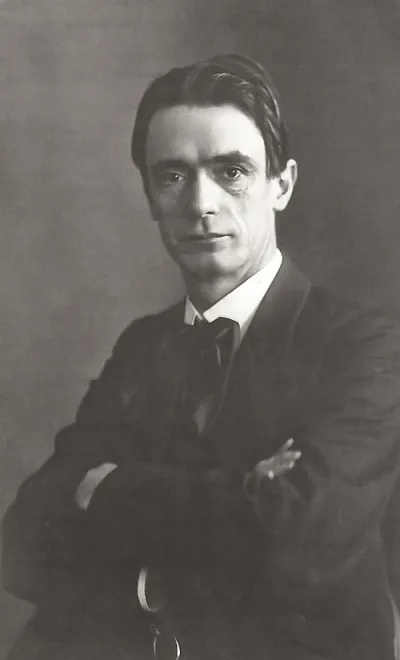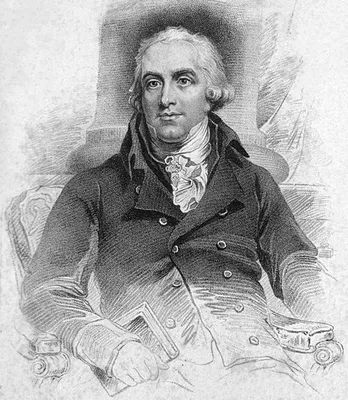
William Buchan M.D., William Nisbet
William Buchan M.D. was a Scottish physician best known for his widely popular medical guide, Domestic Medicine.
William Buchan, a Scottish physician born in 1729, became renowned for his 1769 publication, 'Domestic Medicine: or, a Treatise on the Prevention and Cure of Diseases by Regimen and Simple Medicines.' This work aimed to demystify medicine for the general public, offering detailed guidance on disease causes, prevention, and treatment using simple remedies and lifestyle adjustments. Its accessibility and comprehensiveness made it an enormous success, selling over 80,000 copies in his lifetime and being translated into numerous languages, reaching across Europe and the Americas.
Buchan's early life included some informal medical practice before he pursued formal studies at Edinburgh University. After graduating, he established a practice in Yorkshire and later served at the Foundling Hospital, where he focused on infant health. His career also included a practice in Sheffield and lecturing in Edinburgh. He was recognized by the Royal College of Physicians of Edinburgh in 1772. Buchan continued his medical practice in London until his death in 1805, leaving a significant legacy through his influential medical text.
Domestic Medicine: A Groundbreaking Guide
William Buchan's seminal work, 'Domestic Medicine,' published in 1769, revolutionized how medical knowledge was disseminated. Unlike prior texts that were either highly academic or overly simplistic, Buchan's book was written in accessible language for laypeople. It provided extensive details on diseases, their prevention, and treatments, empowering individuals to manage their health. The book's emphasis on regimen, hygiene, and simple medicines, including inoculation for smallpox, was groundbreaking. It was also one of the first medical texts to prioritize disease prevention, dedicating a significant portion to this aspect. The work's success was immense, with over 80,000 copies sold during Buchan's life and translations into many European languages, demonstrating its broad appeal and impact.
Medical Philosophy and Influences
Buchan's medical recommendations were framed within the prevailing iatrophysical theories of his time, which viewed the body as a hydraulic machine. His approach emphasized maintaining the correct balance of bodily fluids and organ tension. Consistent with contemporary practices, he advocated for treatments like bloodletting and purging to correct perceived imbalances. Buchan also stressed the importance of monitoring the 'non-naturals' – factors such as air, diet, sleep, exercise, and emotional states – as crucial elements of health. While he acknowledged the influence of Swiss physician Samuel-Auguste Tissot, Buchan expanded upon similar concepts by addressing emerging health concerns like industrial diseases, making his work relevant to the changing societal landscape of the Industrial Revolution.
Early Life and Career Path
Born in Scotland in 1729, William Buchan displayed an early aptitude for medicine, even acting as a village physician without formal training. Initially pressured by his family to study divinity at Edinburgh University, he soon shifted his focus to mathematics, botany, and ultimately medicine, completing his studies in 1758. His early career involved a practice in rural Yorkshire and a position at the Foundling Hospital in Ackworth, where he worked extensively with children and published a dissertation on infant mortality. Following financial cutbacks at the hospital, Buchan moved to Sheffield and later returned to Edinburgh, where he ran a private practice and lectured on Newtonianism and natural philosophy. He became a fellow of the Royal College of Physicians of Edinburgh in 1772.
Key Ideas
- Democratization of medical knowledge for the general public.
- Emphasis on disease prevention through hygiene and regimen.
- Holistic approach considering diet, sleep, exercise, and emotional well-being ('non-naturals').
- Integration of contemporary iatrophysical theories into practical medical advice.
Books by William Buchan M.D., William Nisbet
2 free public domain books · Read online or download