De wederkomst

 76
76

De wederkomst
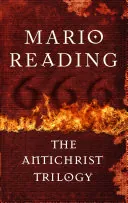
Mario Reading's "De wederkomst" offers a rigorous examination of apocalyptic thought, a subject often reduced to sensationalism. Reading’s strength lies in his meticulous tracing of prophetic lineages and the diverse ways these narratives have been understood across epochs. He avoids simplistic pronouncements, instead favoring a detailed, almost archaeological approach to belief. For instance, his analysis of how the concept of the Antichrist evolved from early Christian writings through medieval interpretations provides a clear, albeit dense, illumination of the subject. However, the book's scholarly density can sometimes feel overwhelming. The sheer volume of historical and theological references, while impressive, may alienate readers not already deeply versed in esotericism or patristics. A more focused narrative thread, perhaps highlighting specific interpretive turning points, could have enhanced accessibility without sacrificing depth. Ultimately, "De wederkomst" is a valuable, if demanding, resource for understanding the persistent human fascination with the end of days.
📝 Description
76
Mario Reading's 2011 book examines historical interpretations of apocalyptic prophecies.
Mario Reading's "De wederkomst" (The Second Coming) analyzes how various cultures and thinkers have understood or anticipated moments of significant societal upheaval. Published in 2011, the book is not a narrative but a scholarly examination of belief systems centered on end-times scenarios. It looks at how different groups have interpreted prophecies and expected future events, drawing connections across historical periods.
The work is for readers seriously interested in comparative religion, esotericism, and the history of prophecy. It suits those willing to engage with detailed analyses of historical texts and theological arguments rather than seeking simple answers. Individuals curious about the influence of apocalyptic ideas on Western thought and culture will find ample material.
Published in 2011, "De wederkomst" engages with a long tradition of apocalyptic literature. This tradition spans from ancient Near Eastern texts and the Book of Revelation to modern interpretations. Reading's work enters ongoing scholarly discussions about the nature and function of prophecy, scrutinizing recurring motifs and the psychological and social factors behind apocalyptic expectations.
💡 Why Read This Book?
• You will learn to critically analyze recurring apocalyptic motifs and their historical manifestations, as demonstrated by Reading's examination of specific end-times prophecies dating back to early Christian texts. • Gain a deeper understanding of hermeneutics applied to eschatological literature, appreciating how interpretations of texts like the Book of Revelation have shifted significantly since their initial composition. • Discover the influence of apocalyptic expectations on societal anxieties and historical events, illustrated through Reading's contextualization of these beliefs within different cultural and political climates.
⭐ Reader Reviews
Honest opinions from readers who have explored this book.
❓ Frequently Asked Questions
What is the primary focus of Mario Reading's "De wederkomst"?
The book primarily focuses on the study of eschatology, examining apocalyptic prophecies and their historical interpretations across various cultures and belief systems, particularly within Western thought.
When was "De wederkomst" first published?
"De wederkomst" by Mario Reading was first published in 2011, placing its analysis within contemporary discussions of global events and anxieties.
Does "De wederkomst" offer predictions about the future?
No, the book does not make predictions. Instead, it analyzes how past and present societies have interpreted and anticipated future events through the lens of prophecy and eschatology.
What kind of audience is "De wederkomst" best suited for?
It is best suited for academic readers, scholars of comparative religion, and individuals with a deep interest in esotericism and the history of apocalyptic thought.
How does "De wederkomst" relate to the Book of Revelation?
The book extensively analyzes interpretations of the Book of Revelation, tracing how its prophecies have been understood and applied from early Christian times through to modern eras.
Is "De wederkomst" a narrative or analytical work?
It is primarily an analytical and scholarly work, dissecting theological arguments and historical interpretations rather than presenting a linear narrative.
🔮 Key Themes & Symbolism
The Evolution of Apocalyptic Narratives
The work meticulously charts the development and adaptation of end-times narratives across centuries. Reading demonstrates how core themes—such as divine judgment, the Antichrist figure, and the establishment of a new world order—are reinterpreted to fit contemporary anxieties. He shows how prophecies, originating in texts like the Book of Daniel and the Book of Revelation, are not static but are continuously recontextualized by theologians and mystics, reflecting the socio-political and spiritual concerns of their respective eras. This theme highlights the dynamic nature of belief systems responding to perceived crises.
Hermeneutics of Prophecy
A significant focus is placed on the methods and challenges of interpreting prophetic texts. Reading scrutinizes how scholars and believers have approached symbolic language, allegorical passages, and predictive elements within religious scriptures. The book explores the tension between literal and metaphorical readings, and how different hermeneutical approaches have led to vastly divergent understandings of apocalyptic events. This highlights the subjective nature of interpretation and the influence of the interpreter's own worldview on their conclusions.
Societal Impact of Eschatology
Reading examines how beliefs about the end of the world have shaped human societies throughout history. He explores the psychological impact on individuals and communities, including the rise of millenarian movements, the justification of political actions, and the creation of specific religious or social orders. The book illustrates how eschatological fervor can both inspire devotion and incite fear, influencing collective behavior and historical trajectories, particularly during periods of significant upheaval or change.
The Figure of the Antichrist
The concept of the Antichrist, a central figure in many apocalyptic traditions, receives detailed attention. Reading traces its origins and evolution from early Christian writings through its complex development in medieval theology and subsequent reinterpretations. He analyzes how this figure has been variously understood as a political leader, a spiritual deceiver, or a cosmic force, and how the demonization of perceived enemies often aligns with the projection of the Antichrist archetype onto historical figures or opposing ideologies.
💬 Memorable Quotes
“Interpretations of Revelation have shifted with the prevailing anxieties of each age.”
— This observation underscores the idea that apocalyptic texts are not fixed in meaning. Instead, their significance is actively constructed by readers responding to their contemporary context, whether that be political turmoil, social change, or philosophical shifts.
“The desire for a final judgment often stems from a need for cosmic order.”
— This points to the psychological underpinnings of eschatological beliefs, suggesting that the anticipation of a definitive end and a subsequent restoration reflects a deep-seated human yearning for justice and meaning in a chaotic world.
“Early Christian eschatology was deeply intertwined with Roman imperial power dynamics.”
— This highlights the historical situatedness of early religious thought, showing how the political realities of the Roman Empire influenced the development and expression of Christian apocalyptic ideas, particularly concerning persecution and divine intervention.
“The concept of the Antichrist evolved from a vague opponent to a specific theological adversary.”
— This captures the historical trajectory of a key esoteric figure, illustrating how abstract notions of opposition were gradually codified into complex theological doctrines and symbolic representations over centuries of interpretation.
“Millenarian hopes often resurface during periods of profound societal disruption.”
— This suggests a recurring pattern in human history: when societies face significant crises or transformations, beliefs in imminent, radical change and a subsequent golden age tend to gain traction.
🌙 Esoteric Significance
Tradition
While not strictly adhering to a single lineage, "De wederkomst" engages deeply with the Western esoteric tradition, particularly its Christian and Gnostic branches, concerning eschatology. It examines how concepts of divine intervention, cosmic cycles, and ultimate redemption have been articulated. The work departs from purely devotional interpretations by applying critical historical and hermeneutical analysis, positioning itself as a scholarly exploration of beliefs often found within mystical and occult circles.
Symbolism
Key symbols explored include the figure of the Antichrist, representing opposition to divine order and often projected onto historical adversaries, and the concept of the Millennium, symbolizing a period of ultimate peace and spiritual renewal. The Book of Revelation itself, with its rich imagery of beasts, seals, and trumpets, serves as a foundational text whose symbols are dissected for their evolving meanings across different historical periods.
Modern Relevance
Contemporary interest in "De wederkomst" stems from its analytical framework for understanding recurring patterns in apocalyptic thought, which remain relevant in an era of climate change, political polarization, and technological anxieties. Thinkers and groups focused on cultural critique, the psychology of belief, and the history of religions find its detailed historical contextualization valuable for interpreting modern phenomena through the lens of long-standing eschatological frameworks.
👥 Who Should Read This Book
• Students of comparative religion and theology seeking to understand the historical development and interpretation of apocalyptic beliefs across different traditions. • Esoteric practitioners and historians interested in the evolution of end-times prophecies, particularly within the Western tradition stemming from Judeo-Christian sources. • Readers fascinated by the psychology of belief and how collective anxieties about the future manifest in religious and philosophical systems throughout history.
📜 Historical Context
Mario Reading's "De wederkomst" was published in 2011, a period marked by heightened global anxieties fueled by economic instability, geopolitical tensions, and rapid technological change. This era saw a resurgence of interest in apocalyptic narratives, both in popular culture and academic discourse. The book engages with a long intellectual tradition stretching back to ancient Near Eastern texts, the Book of Revelation, and figures like Joachim of Fiore, who profoundly influenced medieval Christian eschatology. Reading’s work implicitly contrasts with more simplistic or purely theological approaches to prophecy, situating itself within a scholarly milieu that seeks historical and sociological explanations for the persistence of end-times beliefs. Contemporary scholars like Bernard McGinn, who extensively studied apocalyptic traditions, represent a similar academic current focused on the historical and cultural significance of these ideas. The reception of such works often involves navigating the line between academic rigor and the inherent speculative nature of the subject matter.
📔 Journal Prompts
The evolution of the Antichrist archetype across different historical periods.
How the interpretation of Revelation's symbols reflects contemporary societal fears.
The role of hermeneutics in shaping apocalyptic expectations.
Personal reflection on recurring themes in end-times prophecies.
The connection between societal disruption and millenarian movements.
🗂️ Glossary
Eschatology
The theological study of 'end things,' such as death, judgment, the end of the world, and the ultimate destiny of humanity and the cosmos.
Hermeneutics
The theory and methodology of interpretation, especially the interpretation of biblical texts, wisdom literature, and philosophical texts.
Apocalypse
A disclosure or revelation of heavenly mysteries, often concerning the ultimate destiny of the world, typically involving symbolic language and visions.
Millenarianism
A belief that a period of one thousand years (a millennium) of peace and happiness will occur on Earth, often following a cataclysmic event.
Antichrist
A figure, often demonic or a deceiver, prophesied in certain religious texts to oppose Christ and God during the end times.
Patristics
The study of the writings of the early Christian Church Fathers, influential in shaping Christian doctrine.
Joachim of Fiore
An Italian abbot and mystic of the High Middle Ages, known for his apocalyptic interpretations of history and his influence on later millenarian thought.