Cutting the ties that bind

 79
79

Cutting the ties that bind
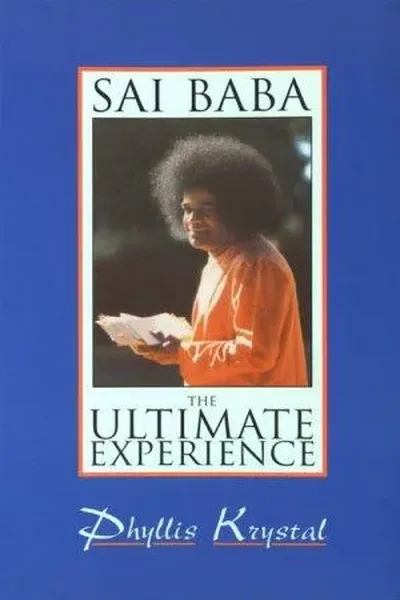
Phyllis Krystal’s "Cutting the Ties That Bind" presents a direct confrontation with the invisible threads that constrict our freedom. Rather than offering platitudes, Krystal guides the reader through a rigorous process of identifying and releasing subconscious loyalties, particularly those stemming from early life experiences. The strength of the book lies in its no-nonsense, practical methodology, which feels less like spiritual theory and more like applied psychology for the soul. The concept of 'subconscious loyalties,' as explained by Krystal, is particularly illuminating, offering a framework for understanding persistent negative patterns. However, the directness of her approach, while effective, can feel stark to readers accustomed to more gentle guidance. Some might find the repetitive nature of the exercises, designed for deep internalization, demanding. The section detailing the 'inner child' as a locus of these binding ties is a poignant, albeit challenging, read. Ultimately, Krystal delivers a potent tool for self-liberation for those willing to undertake the work.
📝 Description
79
### What It Is Phyllis Krystal's "Cutting the Ties That Bind," first published in 1986, offers a practical framework for understanding and releasing limiting emotional and psychological attachments. It is not a theoretical treatise but a guide for active self-inquiry, aiming to foster a sense of inner freedom and autonomy. The work is rooted in Krystal's extensive experience with spiritual traditions and her own disciplined practice.
### Who It's For This book is intended for individuals seeking to move beyond repetitive patterns of thought, emotion, and behavior that hinder personal growth and spiritual development. It will appeal to those who are ready to engage in self-examination and are looking for concrete methods to disentangle themselves from subconscious conditioning and external dependencies. It is particularly suited for those interested in psychological liberation as a component of spiritual practice.
### Historical Context Published in the mid-1980s, "Cutting the Ties That Bind" emerged during a period of growing interest in self-help and esoteric psychology. While not directly part of the New Age movement's popular surge, its focus on inner work and the release of egoic limitations found resonance with many spiritual seekers. It followed in the wake of earlier works on self-inquiry and spiritual psychology, such as those by authors like Helena Blavatsky and early Theosophical writers, though Krystal's approach is more direct and psychologically focused.
### Key Concepts The central thesis revolves around the idea that many of our perceived problems stem from unconscious loyalties and identifications. Krystal introduces concepts like "subconscious loyalties" and the "inner child" as key areas where these binding ties often originate. The book emphasizes the importance of conscious awareness and the deliberate act of severing these connections to reclaim personal power and achieve a state of inner peace. It advocates for a disciplined, step-by-step approach to self-liberation.
💡 Why Read This Book?
• Understand the mechanics of 'subconscious loyalties,' a core concept introduced by Krystal, to identify the hidden forces that dictate your reactions and choices, enabling a conscious redirection of your energy. • Learn Krystal's specific techniques for addressing the 'inner child' as a primary source of limiting beliefs, offering a path to healing and reclaiming personal power from past conditioning. • Acquire practical, actionable methods for 'cutting the ties that bind,' providing direct experience in disentangling from external dependencies and internalised patterns for immediate personal liberation.
⭐ Reader Reviews
Honest opinions from readers who have explored this book.
❓ Frequently Asked Questions
What is the primary goal of Phyllis Krystal's 'Cutting the Ties That Bind'?
The primary goal is to help readers identify and release subconscious loyalties and emotional attachments that limit personal freedom and spiritual growth, leading to a greater sense of autonomy and inner peace.
When was 'Cutting the Ties That Bind' first published?
'Cutting the Ties That Bind' was first published in 1986, placing it within the self-help and spiritual literature boom of the late 20th century.
What does Phyllis Krystal mean by 'subconscious loyalties'?
Subconscious loyalties refer to unconscious commitments and identifications, often formed in childhood, that bind individuals to certain beliefs, people, or patterns of behavior, even when detrimental.
Is this book suitable for beginners in spiritual study?
Yes, it is suitable for beginners ready for direct self-inquiry. While the concepts are profound, Krystal's approach is practical and step-by-step, making it accessible to those committed to inner work.
How does 'Cutting the Ties That Bind' differ from other self-help books?
It distinguishes itself through its rigorous focus on identifying specific 'subconscious loyalties' and employing direct methods to 'cut' them, rather than offering general advice or abstract concepts.
Does the book offer exercises or just theory?
The book is highly practical and offers specific exercises and methods for self-inquiry and the release of binding ties, making it a workbook for personal transformation.
🔮 Key Themes & Symbolism
Subconscious Loyalties
This theme explores the invisible, often unconscious, bonds that tie individuals to past experiences, people, or societal expectations. Krystal posits that these 'loyalties,' frequently formed in childhood, dictate present behavior and limit freedom. The book provides methods to identify these hidden allegiances, such as loyalty to a parent's unfulfilled dreams or societal pressures, and offers a structured approach to consciously severing them for psychological liberation.
The Inner Child
Krystal identifies the 'inner child' as a primary repository for subconscious loyalties and unmet needs. This aspect of the self, often wounded or undeveloped, can continue to exert significant influence on adult decision-making and emotional responses. The work guides readers to recognize and address the needs of their inner child, thereby healing past wounds and releasing the emotional patterns that bind them to outdated conditioning.
Conscious Severance
The core practice advocated is the conscious and deliberate act of 'cutting ties.' This is not a passive wish but an active, disciplined process of awareness and intention. Krystal emphasizes that true freedom comes from actively choosing to release attachments that no longer serve one's highest good, empowering the individual to reclaim their energy and direct it towards authentic self-expression and spiritual growth.
Inner Authority
By cutting the ties that bind, individuals are encouraged to develop and rely on their own inner authority. This means shifting from seeking validation or direction from external sources—people, institutions, or past conditioning—to cultivating an internal compass. The book aims to foster self-reliance and the confidence to make choices aligned with one's true self, independent of external pressures or subconscious programming.
💬 Memorable Quotes
“We are bound by subconscious loyalties to people, places, and beliefs.”
— This encapsulates the book's central premise: that our lives are often dictated by unseen commitments, formed early on, which restrict our freedom and prevent us from living authentically.
“The inner child is where many of these ties are established.”
— This highlights the psychological origin point for many binding attachments, suggesting that healing the wounded aspects of our younger selves is crucial for severing these deep-rooted connections.
“Conscious choice is the tool to cut these bonds.”
— This emphasizes the active role the individual must play; freedom is not passively received but actively achieved through deliberate intention and self-awareness.
“Inner authority replaces external dependence.”
— This points to the ultimate outcome of the process: developing self-reliance and trusting one's own inner guidance system, rather than seeking validation or direction from outside.
“Release is an active process, not a passive acceptance.”
— This reinforces the book's practical, action-oriented methodology, stressing that true liberation requires engagement and effort, not just a wish for things to be different.
🌙 Esoteric Significance
Tradition
Krystal's work draws heavily from the tradition of spiritual self-inquiry, particularly influenced by Eastern philosophies like Vedanta and practices emphasizing detachment and self-mastery. While not explicitly Gnostic or Hermetic, it shares a lineage with Gnostic ideas about liberation from illusion and the recognition of an inner divine spark. Its emphasis on dismantling egoic structures and subconscious conditioning aligns with perennialist philosophies that seek universal truths across diverse spiritual paths.
Symbolism
While "Cutting the Ties That Bind" is more psychological than overtly symbolic, the act of 'cutting' itself serves as a potent symbol of liberation and decisive action. The 'ties' represent the chains of karma, conditioning, or egoic identification that bind the soul. The 'inner child' can be seen as a symbol of innocence, vulnerability, and the unhealed past that must be integrated or released for spiritual wholeness. The 'inner authority' symbolizes the awakened Self, the sovereign consciousness that guides one's path.
Modern Relevance
Krystal's concepts remain highly relevant today, particularly in contemporary therapeutic modalities that focus on attachment theory, inner child work, and breaking codependency patterns. Therapists and coaches specializing in trauma, addiction recovery, and personal empowerment often draw upon the principles outlined in "Cutting the Ties That Bind." Its direct, actionable approach appeals to individuals seeking practical tools for psychological and spiritual autonomy in a complex world.
👥 Who Should Read This Book
• Individuals struggling with codependency or repetitive negative relationship patterns, seeking concrete methods to break free from unhealthy attachments. • Students of comparative spirituality and esoteric psychology interested in practical techniques for self-mastery and liberation from egoic conditioning. • Those who have explored various therapeutic approaches but seek a direct, disciplined method for personal transformation and reclaiming inner authority.
📜 Historical Context
Published in 1986, Phyllis Krystal's "Cutting the Ties That Bind" emerged in a cultural landscape increasingly receptive to psychological self-exploration and spiritual inquiry. The mid-80s saw a burgeoning interest in the human potential movement and various forms of psychotherapy and self-help, alongside a growing awareness of Eastern philosophies. While Krystal's work shares thematic ground with authors like Ram Dass or Marianne Williamson, her approach is more distinctly rooted in a disciplined, almost austere, methodology for self-liberation. It offered a counterpoint to more New Age-centric, overtly spiritual texts by focusing on the direct, practical work of dismantling subconscious conditioning. The book found an audience among those seeking a rigorous path to inner freedom, distinct from both conventional psychology and mainstream spiritual movements, resonating with individuals interested in the intersection of psychology and esoteric practice.
📔 Journal Prompts
Subconscious loyalties: Identify one specific loyalty that may be limiting your current choices.
The inner child's perspective: What unmet need of your younger self might be driving a present-day behavior?
The act of cutting: Describe a specific 'tie' you intend to consciously sever and the intention behind it.
Inner authority: Reflect on a situation where you deferred to external opinion instead of your own inner guidance.
Release process: What is one small, actionable step you can take today to begin releasing a binding attachment?
🗂️ Glossary
Subconscious Loyalties
Unconscious commitments and identifications, often formed in childhood, that bind individuals to certain beliefs, people, or patterns of behavior, even when they are detrimental to personal growth.
Inner Child
The aspect of the psyche that retains the emotions, experiences, and needs of childhood. Krystal views it as a significant locus where subconscious loyalties are established and maintained.
Cutting the Ties
The central practice of consciously identifying and deliberately releasing emotional, psychological, or energetic attachments that limit personal freedom and autonomy.
Inner Authority
The capacity to rely on one's own inner guidance, wisdom, and judgment, rather than seeking external validation or direction from others or from past conditioning.
Conscious Awareness
The state of being fully present and mindful of one's thoughts, emotions, and behaviors, enabling the recognition and intentional release of limiting patterns.
Limiting Patterns
Repetitive behaviors, thought processes, or emotional responses that hinder personal growth, well-being, or spiritual development.
Self-Inquiry
A disciplined process of introspection and examination aimed at understanding the nature of the self, the mind, and the root causes of suffering or limitation.