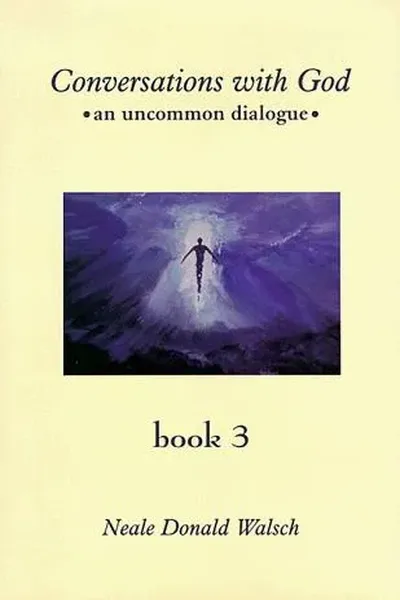
Conversations with God, Book 1 Guidebook

 83
83

Conversations with God, Book 1 Guidebook
The "Conversations with God, Book 1 Guidebook" attempts to codify the sprawling, often stream-of-consciousness revelations of Neale Donald Walsch's seminal work. Its strength lies in its structured approach, offering specific prompts that can indeed force a reader to confront the book's core tenets more directly than a solitary reading might allow. However, the very act of creating a "guide" for what is presented as direct divine revelation risks intellectualizing a process intended to be intuitive and personal. The limitation is that the questions, while specific, can sometimes feel prescriptive, potentially leading the reader down pre-determined interpretive paths rather than fostering entirely independent spiritual discovery. A passage that asks the reader to define 'God's will' for themselves, while seemingly open-ended, is inherently framed by the preceding dialogue, which has already established a particular, intimate, and conversational God. Ultimately, this guidebook serves as a useful tool for those already committed to unpacking Walsch's theology, but it may feel redundant or even constraining for others.
📝 Description
83
This 2005 guidebook structures reflection on Neale Donald Walsch's divine dialogues.
This volume acts as a structured companion to Neale Donald Walsch's "Conversations with God, Book 1." It does not present the original dialogues but instead offers questions and exercises designed to help readers engage more deeply with Walsch's conversations with the divine. The aim is to move beyond simply reading the text to actively applying its spiritual and philosophical ideas.
The guidebook is intended for those who have read or are currently reading the original "Conversations with God, Book 1." It suits individuals seeking a more organized method for contemplating the book's theological points and its approach to faith. Those interested in personal spiritual growth and integrating spiritual principles into daily life will find its guided approach beneficial, particularly students of contemporary spirituality who favor contemplative practices.
Published in 2005, this guidebook emerged in a period marked by widespread interest in New Age thought and personal spiritual development. It complements a work that gained significant traction in the late 1990s, influencing many spiritual seekers. The guide reflects a pedagogical trend of creating supplementary materials to enhance reader comprehension and application of influential spiritual texts, aligning with approaches seen in other self-help and spiritual movements of the era.
💡 Why Read This Book?
• Gain structured methods for personal spiritual inquiry, directly engaging with the 'divine dialogue' concept from "Conversations with God, Book 1" to foster deeper self-understanding. • Learn to apply abstract spiritual principles, such as the nature of God and purpose of life, to daily experiences through specific exercises tied to Walsch's original text. • Explore a guided path for re-evaluating personal beliefs, using the guidebook's prompts to connect with the book's unique presentation of a conversational deity.
⭐ Reader Reviews
Honest opinions from readers who have explored this book.
❓ Frequently Asked Questions
What is the primary purpose of the "Conversations with God, Book 1 Guidebook"?
The guidebook's main purpose is to facilitate deeper engagement with Neale Donald Walsch's original "Conversations with God, Book 1." It offers exercises, reflection questions, and structured contemplation to help readers better understand and apply the spiritual and philosophical concepts presented in the dialogues.
Is this guidebook suitable for someone who hasn't read "Conversations with God, Book 1"?
No, this guidebook is designed as a companion to the original book. It assumes familiarity with Walsch's dialogues and the concepts introduced therein. Reading the original text first is essential for comprehending the guidebook's prompts and exercises.
What kind of exercises can I expect in this guidebook?
The exercises typically involve introspection and journaling. They encourage readers to reflect on themes like the nature of God, personal responsibility, and love, often by asking direct questions that challenge preconceived notions and prompt personal definition of spiritual concepts.
When was "Conversations with God, Book 1" originally published?
The original "Conversations with God, Book 1" by Neale Donald Walsch was first published in 1996. This guidebook serves as a supplementary educational tool for that foundational work.
Does the guidebook offer new theological revelations?
The guidebook does not introduce new theological revelations. Instead, it focuses on helping the reader explore, understand, and integrate the teachings already presented in the original "Conversations with God, Book 1" through guided reflection.
How does this guidebook differ from the original book?
The original book presents the direct 'conversations' between Walsch and God. The guidebook, however, provides a structured framework with questions and activities to help the reader process and apply the content of those conversations to their own life.
🔮 Key Themes & Symbolism
The Nature of Divinity
The guidebook prompts readers to reconsider conventional perceptions of God, moving towards a concept of the divine as an intimate, conversational presence rather than a distant, judgmental entity. It encourages personal definition and direct experiential understanding of the divine, challenging dogmatic religious frameworks. This exploration aligns with mystical traditions that emphasize immanence and direct communion over mediated theology.
Personal Responsibility and Creation
A central theme is the idea that individuals are co-creators of their reality, responsible for the experiences they manifest. The guidebook facilitates reflection on how thoughts, beliefs, and choices contribute to one's life circumstances. This concept echoes principles found in esoteric philosophies that stress the power of consciousness and the law of attraction, urging readers to take ownership of their spiritual and material existence.
Love as the Ultimate Principle
The work consistently frames love as the fundamental force and purpose of existence. The guidebook encourages readers to examine how love, or the perceived absence of it, shapes their relationships, decisions, and spiritual outlook. It pushes for an understanding of love not just as an emotion, but as a universal principle that underlies all creation and offers a path to spiritual fulfillment.
Reinterpreting Spiritual Concepts
The guidebook guides users through a process of re-evaluating traditional religious and spiritual terminology and doctrines. It encourages a personal, experiential interpretation of concepts like sin, salvation, and divine will, moving away from rigid dogma towards a more fluid, self-directed spiritual path. This aligns with modern esoteric movements that prioritize individual gnosis over institutionalized belief systems.
💬 Memorable Quotes
“The dialogue encourages redefining God not as an external ruler, but as an intimate aspect of oneself and all existence.”
— This highlights the shift from a hierarchical, transcendent deity to an immanent, personal divine presence. The work suggests God is not separate from us, but woven into the fabric of our being and the universe.
“Readers are prompted to recognize their role as co-creators of their life experiences through their thoughts and beliefs.”
— This emphasizes the active participation of the individual in shaping their reality. It moves beyond passive acceptance, suggesting that one's inner landscape directly influences external circumstances.
“The concept of 'God's Will' is presented as aligning with universal principles of love and growth, rather than arbitrary commands.”
— This reframes divine intention not as a set of rigid rules, but as a natural unfolding towards optimal well-being and evolution for all beings.
“The work suggests that fear is the primary obstacle to experiencing divine connection and love.”
— This points to the emotional and psychological barriers that prevent spiritual realization. Overcoming fear is posited as a crucial step towards embracing a more loving and connected existence.
“The guidebook's exercises often ask individuals to define abstract concepts like 'truth' or 'purpose' from their own evolving perspective.”
— This reflects a move away from seeking external validation or pre-packaged answers, encouraging a personalized, experiential approach to spiritual understanding.
🌙 Esoteric Significance
Tradition
This work fits within the contemporary stream of New Thought and modern esoteric Christianity, drawing parallels with Gnostic emphasis on direct experience and personal gnosis. It departs from strict traditional lineages by presenting its message through a highly personalized, conversational format rather than through established dogma or symbolic systems. It champions an immanent, accessible divinity, aligning with Hermetic principles of 'As Above, So Below' applied to the individual's inner experience.
Symbolism
While not overtly symbolic in the manner of ancient texts, the 'dialogue' itself functions as a powerful motif, representing the direct, unmediated connection between the human soul and the divine. The concept of 'creation' serves as a symbol for individual agency and the manifestation of reality, suggesting that our inner state actively shapes the outer world, a notion echoed in alchemical principles of transformation.
Modern Relevance
The ideas presented have influenced various modern spiritual movements, including law of attraction practices and contemporary mindfulness-based spiritualities. Thinkers and practitioners focusing on positive psychology, conscious creation, and the power of intention often reference or echo Walsch's core messages. Its accessibility continues to draw individuals exploring personal spirituality outside organized religion.
👥 Who Should Read This Book
• Individuals new to Neale Donald Walsch's "Conversations with God" series seeking a structured way to process the original book's profound questions and ideas. • Spiritual seekers exploring contemporary metaphysical concepts and looking for practical exercises to integrate spiritual principles into their daily lives. • Students of comparative religion or spirituality interested in the impact of late 20th-century New Age literature and its methods for personal transformation.
📜 Historical Context
The "Conversations with God, Book 1 Guidebook" emerged in the wake of the original book's immense popularity, first published in 1996. This period, the late 1990s, saw a surge in New Age and self-help literature, with authors like Deepak Chopra and Marianne Williamson also gaining significant followings. Walsch's work, characterized by its direct, conversational tone and accessible theological propositions, resonated with a broad audience seeking spiritual answers outside traditional religious structures. The original book quickly became a bestseller, sparking both widespread acclaim and considerable controversy. Critics questioned its theological basis, while supporters found it profoundly spiritual. This guidebook reflects the trend of creating supplementary materials to deepen engagement with popular spiritual texts, a common practice in movements that emphasize personal interpretation and application of teachings. Unlike more academic theological debates, Walsch's work engaged directly with popular culture, influencing mainstream spirituality.
📔 Journal Prompts
The concept of the divine dialogue: How does your inner voice speak to you?
Personal definitions of love: What does unconditional love look like in your life?
Your role as a co-creator: Identify one aspect of your reality you wish to consciously shape.
Overcoming fear: What is one fear that hinders your spiritual growth, and how can you address it?
The purpose of life: Reflect on your unique contribution to the universal unfolding.
🗂️ Glossary
The Divine Dialogue
Refers to the conversational exchange between Neale Donald Walsch and a perceived divine presence presented in the original book. The guidebook encourages readers to explore their own inner dialogues with the sacred.
Co-creator
An individual's role in actively shaping their reality through thoughts, beliefs, and actions. The concept suggests a partnership between the individual consciousness and the universal creative force.
God's Will
Reinterpreted not as a set of divine commands, but as the natural, optimal unfolding of existence aligned with love and growth for all beings. The guidebook prompts personal understanding of this concept.
Immanence
The philosophical or theological concept that the divine is present within the material world and within individuals, rather than being transcendent and separate. Central to Walsch's depiction of God.
Fear
Presented as the primary obstacle to spiritual connection and experiencing love. The guidebook encourages readers to identify and work through their fears.
Truth
Explored as a personal, evolving realization rather than an absolute, externally dictated doctrine. The guidebook prompts self-inquiry into one's own understanding of truth.
Purpose
The guidebook encourages readers to reflect on and define their personal purpose in life, viewing it as a unique contribution to the universal experience.