Choose to Be Healthy
 72
72

Choose to Be Healthy
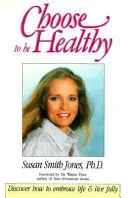
Wayne Dyer and Susan S. Jones’s 1987 collaboration, 'Choose to Be Healthy,' offers a straightforward manual for integrating physical, mental, and emotional wellness. Its strength lies in its clear articulation of the mind-body connection, particularly its emphasis on attitude as a determinant of health outcomes. The authors' assertion that positive thinking directly impacts physical vitality, while now a common concept, felt quite direct when presented in the late 80s. A notable passage discusses how specific dietary choices can alter one's mental state, linking food intake to emotional balance in a way that feels practical rather than purely theoretical. However, the book's limitation is its somewhat dated approach to exercise and nutrition advice, which, while sound for its time, lacks the nuance and scientific updates available today. The language, at times, leans towards the motivational rather than the analytical. Ultimately, 'Choose to Be Healthy' serves as a solid, if not revolutionary, primer on self-directed wellness from a specific historical moment.
📝 Description
72
Published in 1987, 'Choose to Be Healthy' argues that optimal health integrates physical, mental, and emotional states.
'Choose to Be Healthy,' co-authored by Wayne Dyer and Susan S. Jones, was first published in 1987. The book proposes a holistic view of well-being, asserting that excellent health arises from a deliberate combination of physical, mental, and emotional conditions. It contends that conscious decisions about diet, exercise, and one's outlook are fundamental to achieving a life of balance and vitality. The authors provide concrete advice and philosophical ideas for people aiming to develop a more positive and health-focused way of living.
This work is for individuals prepared to actively manage their own health and happiness. It will appeal to those interested in self-improvement and the practical application of mind-body principles. Readers seeking to grasp the relationship between their thoughts, feelings, and physical energy will find valuable perspectives. The book is especially suited for those examining self-help literature from the late 20th century, offering a view that predates many current wellness ideas but still holds relevance.
Released in 1987, 'Choose to Be Healthy' appeared during a time of growing interest in holistic health, influenced by New Age spirituality and psychosomatic medicine. This period saw a move away from purely biomedical views of health, with figures like Deepak Chopra gaining attention for similar ideas on consciousness and healing. The book reflects a cultural shift towards individual responsibility for health, complementing external medical treatments with an emphasis on internal states. Its focus on attitude and mental state as factors in physical health aligns with contemporary philosophical movements advocating for self-empowerment.
💡 Why Read This Book?
• Gain practical strategies for aligning your mental outlook with physical health goals, directly referencing the book's emphasis on cultivating a positive attitude, a core concept from its 1987 publication. • Understand the foundational principles of mind-body integration as presented in the late 20th century, drawing on the work's exploration of how emotional states influence bodily functions. • Learn actionable dietary and exercise habits that the authors, Wayne Dyer and Susan S. Jones, present as crucial components for holistic well-being, as detailed in their original 1987 text.
⭐ Reader Reviews
Honest opinions from readers who have explored this book.
❓ Frequently Asked Questions
What is the core message of 'Choose to Be Healthy' by Wayne Dyer and Susan S. Jones?
The core message is that health is a conscious choice involving the balance of physical, mental, and emotional aspects of life. It stresses the impact of attitude, diet, and exercise on overall well-being, as presented in the 1987 publication.
When was 'Choose to Be Healthy' first published and by whom?
'Choose to Be Healthy' was first published in 1987. It is co-authored by Wayne Dyer and Susan S. Jones, reflecting a significant period for self-help and holistic health literature.
Does the book offer specific advice on diet and exercise?
Yes, the book provides advice on good eating and exercise habits, framing them as integral to achieving a positive attitude and balanced physical, mental, and emotional state, as detailed in its 1987 edition.
What kind of attitude does the book encourage readers to develop?
The book encourages the development of a more positive attitude, asserting its importance in achieving overall health. This positive outlook is presented as a key factor in balancing one's life, a central theme from its 1987 release.
How does 'Choose to Be Healthy' address the mental and emotional aspects of health?
It addresses mental and emotional health by explaining how to develop a more positive attitude and how these states are interconnected with physical well-being. The work posits that conscious choices in these areas are vital for holistic health.
Is the advice in 'Choose to Be Healthy' still relevant today?
While some specific nutritional or exercise recommendations may have evolved since its 1987 publication, the core principles of balancing physical, mental, and emotional health and the power of attitude remain highly relevant to contemporary wellness practices.
🔮 Key Themes & Symbolism
Holistic Health Integration
The work argues that optimal health is achieved through the deliberate integration of physical, mental, and emotional aspects of life. It posits that these three dimensions are not separate entities but interconnected forces that influence one another. Neglecting one area, such as mental well-being, is shown to have a direct impact on physical vitality. The book provides frameworks for understanding this synergy, encouraging readers to actively manage all facets of their being for a more complete state of wellness. This perspective reflects a significant shift in health discourse from a purely physical focus to a more comprehensive, mind-body approach.
The Power of Attitude
A central theme is the profound influence of one's attitude on their overall health. The book posits that a positive mental outlook is not merely a desirable trait but a crucial component of physical vitality and emotional equilibrium. It explores how conscious cultivation of positive thoughts and beliefs can directly impact physiological processes and resilience. This concept is presented as a powerful tool for self-empowerment, suggesting that individuals can actively choose their mental state and, consequently, influence their health outcomes. The work highlights this as a fundamental principle for achieving well-being.
Conscious Lifestyle Choices
The book emphasizes that health is an outcome of intentional, conscious choices rather than passive reception. It details the importance of selecting nourishing foods and engaging in regular physical activity as fundamental pillars of a healthy lifestyle. Beyond physical habits, it extends this principle to mental and emotional choices, advocating for practices that foster positivity and balance. This theme underscores personal responsibility and agency in health management, providing readers with a philosophical and practical basis for making daily decisions that contribute to long-term vitality and well-being.
Mind-Body Interdependence
This theme explores the intrinsic link between mental states and physical health. The work argues that the mind and body are not distinct but operate in a constant, reciprocal relationship. It illustrates how stress, negative emotions, or limiting beliefs can manifest as physical ailments, while conversely, positive states can enhance bodily function and healing. The book encourages readers to recognize and leverage this interdependence, suggesting that by addressing mental and emotional patterns, one can significantly improve physical health. This concept is a cornerstone of its holistic philosophy.
💬 Memorable Quotes
“Health is a choice, not an accident.”
— This foundational statement frames health as an active process requiring deliberate effort and decision-making. It shifts the perspective from viewing health as something that simply happens or is dictated by external factors, to something that individuals can consciously cultivate through their actions and mindset.
“Your attitude shapes your physical reality.”
— This interpretation highlights the book's core belief in the mind-body connection. It suggests that one's internal mental state, particularly their outlook and beliefs, has a tangible and direct effect on their physical health and experiences.
“Nourish your body, elevate your mind.”
— This encapsulates the dual approach to well-being promoted by the authors. It emphasizes that physical sustenance through diet and mental upliftment through positive thinking are equally vital and complementary paths to holistic health.
“Balance the physical, mental, and emotional for true wellness.”
— This paraphrased concept underscores the central thesis of the book: that genuine health requires an integrated approach. It asserts that focusing on only one aspect of being, while neglecting others, will ultimately hinder the attainment of complete well-being.
“Embrace exercise not as a chore, but as a celebration of your body.”
— This reflects the book's philosophy on approaching physical activity with a positive mindset. It encourages viewing exercise as an act of self-care and appreciation for the body's capabilities, rather than a burdensome obligation.
🌙 Esoteric Significance
Tradition
While not strictly adhering to a single esoteric lineage, 'Choose to Be Healthy' draws heavily from currents within New Thought and the broader Western Esoteric tradition that emphasizes the power of consciousness and intention in shaping reality. Its focus on mental alchemy—transforming one's thoughts to improve physical conditions—echoes Hermetic principles like 'As above, so below,' applied to the microcosm of the human body and mind. The work can be seen as a secularized interpretation of mind-over-matter concepts, making them accessible through practical advice on diet and exercise rather than solely through ritual or advanced meditative practices.
Symbolism
The book's symbolism is largely rooted in the interconnectedness of life forces. The concept of 'balance' itself acts as a potent symbol, representing harmony between disparate elements (physical, mental, emotional) necessary for a functioning whole, akin to the alchemical pursuit of equilibrium. The 'choice' to be healthy symbolizes free will and the power of intention, reflecting a Gnostic or Hermetic emphasis on the human capacity to influence one's destiny through conscious decision-making. The 'nourishing' of the body and mind can be seen as symbolic of tending to the inner temple, a common motif in spiritual traditions.
Modern Relevance
The principles outlined in 'Choose to Be Healthy' remain remarkably relevant today, resonating with contemporary movements in mindfulness, positive psychology, and integrative medicine. Thinkers like Dr. Mark Hyman, advocating for functional medicine, or proponents of the 'mindful eating' movement, echo Dyer and Jones's emphasis on diet and conscious living. The book's core message of personal agency in health is a foundational concept in many modern wellness coaching and biohacking communities. Its early articulation of the mind-body link continues to inform therapeutic approaches and preventative health strategies, proving its enduring influence.
👥 Who Should Read This Book
• Individuals seeking to understand the foundational principles of mind-body connection, particularly those new to self-help literature from the late 20th century, will find a clear and accessible introduction. • Those interested in practical, actionable advice for improving their health through conscious lifestyle choices, including diet, exercise, and mental attitude, will benefit from its direct guidance. • Readers exploring the history of the holistic health movement and the evolution of self-improvement philosophies will gain insight into a significant publication from the 1980s.
📜 Historical Context
Published in 1987, 'Choose to Be Healthy' emerged during a period of significant cultural and intellectual shifts regarding health and well-being. The late 1980s saw a growing critique of purely biomedical models, with increasing interest in holistic and psychosomatic approaches. This era was influenced by the burgeoning New Age movement and thinkers like Deepak Chopra, who championed mind-body connections. The book's emphasis on personal responsibility for health, particularly through attitude, diet, and exercise, aligned with this broader trend towards self-empowerment. It stood in contrast to more traditional medical paradigms that often positioned the patient as a passive recipient of care. While not directly engaging with academic psychology at the time, its principles resonated with trends in humanistic psychology and self-help literature that were gaining mainstream traction, offering a more accessible entry point into these ideas for the general public.
📔 Journal Prompts
Your chosen attitude towards physical activity.
The connection between your dietary choices and emotional state.
Moments where your mental outlook directly impacted your physical energy.
A specific physical, mental, or emotional aspect of your health you wish to balance.
How you currently 'nourish your body, elevate your mind.'
🗂️ Glossary
Holistic Health
An approach to well-being that views the body, mind, and spirit as interconnected and interdependent components of a person's overall health.
Mind-Body Connection
The principle that the mind and body are not separate entities but interact constantly, influencing each other's function and health outcomes.
Positive Attitude
A mental disposition characterized by optimism, hopefulness, and a focus on the good aspects of a situation, believed to impact physical and emotional well-being.
Conscious Choice
An action or decision made with deliberate awareness and intention, particularly in relation to lifestyle habits affecting health.
Physical Vitality
A state of being characterized by abundant physical energy, strength, and good health.
Emotional Equilibrium
A state of emotional balance and stability, characterized by the ability to manage and respond to emotional experiences in a healthy manner.
Nourishing Habits
Practices, particularly in diet and self-care, that promote health, vitality, and well-being.