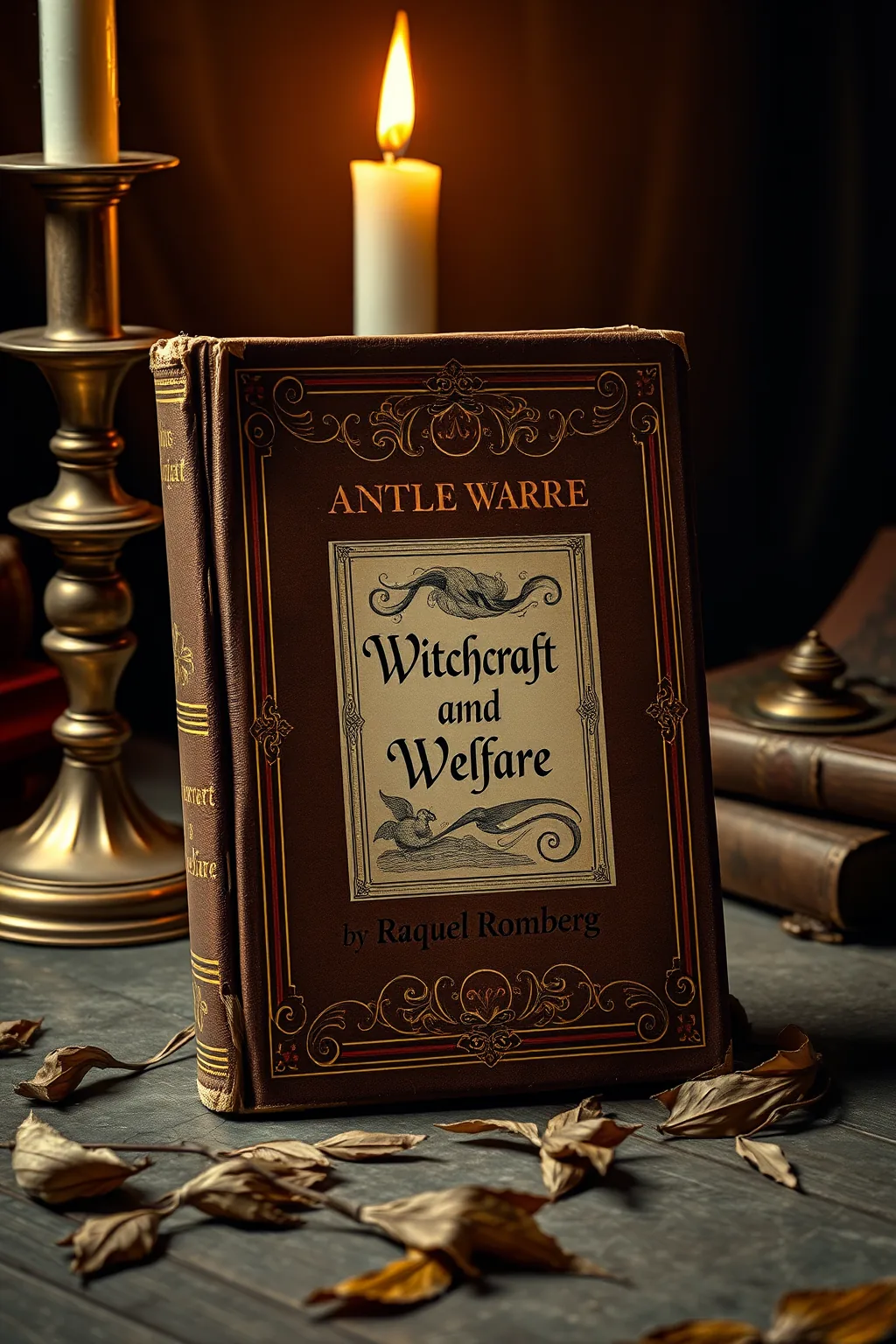
Witchcraft and welfare
 77
77

Witchcraft and welfare
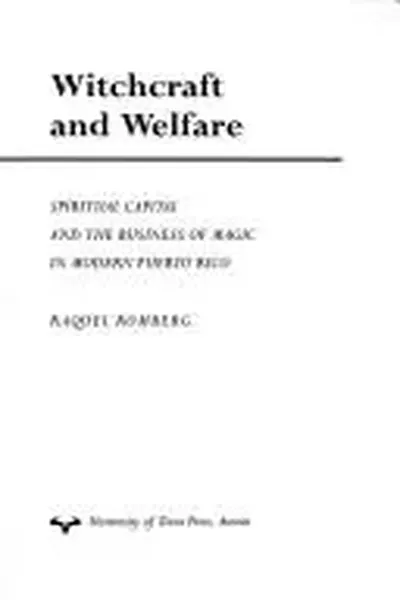
Raquel Romberg’s Witchcraft and Welfare offers a bracingly unsentimental look at the historical roots of social welfare, tracing its lineage not to charitable impulse but to the policing of perceived deviance. The book’s signal strength lies in its bold argument: that the witch-hunts and their attendant legal and social frameworks provided a crucial, if grim, precursor to modern welfare state mechanisms. Romberg meticulously details how the categorization of 'witches'—often women, the poor, and the marginalized—established precedents for identifying, classifying, and managing 'problematic' populations. A limitation, however, is the academic density, which can make the core argument occasionally difficult to access for those outside specialized fields. The discussion of how early modern anxieties surrounding women's bodies and autonomy informed later state interventions into family and social life is particularly striking. Romberg's work compels a re-evaluation of the benevolent narrative often attached to the origins of social support systems.
📝 Description
77
### What It Is
Witchcraft and Welfare, first published in 2009 by Raquel Romberg, examines the intricate relationship between historical perceptions of witchcraft and the development of social welfare systems. The work posits that the very constructs used to identify and police 'deviant' individuals, particularly women, in earlier eras provided a foundation for later state interventions and classifications within social welfare. It is an academic study that bridges the disciplines of history, sociology, and gender studies.
### Who It's For
This book is intended for scholars, researchers, and advanced students interested in the historical sociology of social control, the evolution of welfare states, and feminist critiques of historical narratives. It will appeal to those who study the historical marginalization of women and the ways in which societal anxieties have shaped institutional responses. Readers seeking a nuanced understanding of how past legal and social frameworks influenced modern welfare policies will find value here.
### Historical Context
The book situates its analysis within the late medieval and early modern periods, a time characterized by widespread accusations of witchcraft, particularly targeting women. This era saw the formalization of legal processes and theological arguments against those accused of maleficium. Romberg's work connects these historical events to the later emergence of the modern state and its mechanisms for managing populations, including the nascent forms of social assistance and control that would evolve into contemporary welfare structures.
### Key Concepts
Central to the book is the idea that the 'witch' served as a social construct used to define and enforce norms. The policing of supposed witchcraft provided early models for identifying 'undesirable' or 'problematic' individuals, a practice that Romberg argues informed the categories and interventions of social welfare. The work explores how the demonization of certain groups, often women and the poor, became intertwined with the administration of social aid and control, effectively shaping the boundaries of acceptable society.
💡 Why Read This Book?
• Understand how the historical persecution of alleged witches, particularly women, established categories of social deviance that later informed welfare state policies, offering a critical lens on social control mechanisms. • Gain insight into the specific legal and social frameworks of the late medieval and early modern periods that Romberg details, revealing the direct precursors to modern social administration. • Reframe your understanding of social welfare by examining its roots not in charity, but in early forms of population management and norm enforcement, challenging conventional historical narratives.
⭐ Reader Reviews
Honest opinions from readers who have explored this book.
❓ Frequently Asked Questions
What is the central argument of Raquel Romberg's Witchcraft and Welfare?
The book argues that the historical processes of identifying, persecuting, and classifying witches, especially women, in early modern Europe provided foundational models for the development of modern social welfare systems and their mechanisms of social control.
What historical period does Witchcraft and Welfare primarily focus on?
The work primarily focuses on the late medieval and early modern periods in Europe, a time marked by significant witch accusations and the nascent formation of state-level social administration.
How does Romberg connect witchcraft accusations to welfare systems?
Romberg connects them by showing how the categorization of 'witches' as deviant individuals established precedents for state intervention, social classification, and population management that later informed the structure and function of welfare states.
Is Witchcraft and Welfare an academic study or a popular history?
It is an academic study that bridges history, sociology, and gender studies, intended for scholars and advanced students seeking a critical analysis of historical social structures.
What specific groups were often targeted in historical witchcraft accusations discussed in the book?
The book highlights that women, the poor, and other marginalized individuals were disproportionately targeted in historical witchcraft accusations, often serving as social constructs to enforce norms.
When was Witchcraft and Welfare first published?
Witchcraft and Welfare was first published in 2009.
🔮 Key Themes & Symbolism
Social Control as Welfare Precursor
The book fundamentally reframes the origins of social welfare by positing that its roots lie not in altruism but in historical mechanisms of social control. Romberg meticulously details how the legal and social processes used to identify and prosecute alleged witches in the late medieval and early modern periods established precedents for defining 'deviance.' These early systems of classification and intervention, aimed at policing societal norms and anxieties, provided a blueprint for later state-led efforts to manage populations, including the poor and marginalized, thereby shaping the very categories and methods of modern welfare administration.
The Construct of the 'Witch'
Romberg analyzes the 'witch' as a crucial social construct, a figure created and demonized to enforce community standards and project societal fears. The accusations and trials surrounding witchcraft were not merely about individual superstition but served as a powerful tool for social regulation, particularly targeting women and those on the fringes of society. The work explores how this constructed 'other' became instrumental in defining the boundaries of acceptable behavior and, consequently, in shaping the populations that would later be subject to welfare interventions and classifications.
Gender and Marginalization in History
A significant thread in Witchcraft and Welfare is the examination of gender and marginalization within historical power structures. The book emphasizes the disproportionate targeting of women in witchcraft accusations, linking this to broader societal anxieties about female autonomy and social order. Romberg illustrates how these historical patterns of gendered persecution and the marginalization of the poor laid the groundwork for discriminatory practices within later welfare systems, highlighting the enduring impact of historical biases on social policy and support structures.
State Formation and Population Management
The work investigates the intricate relationship between the formation of the modern state and its evolving methods of population management. Romberg argues that the state's increasing involvement in social affairs, from policing to the administration of aid, was significantly influenced by earlier practices of social control. The systems developed to manage perceived threats like witchcraft provided early models for state surveillance, classification, and intervention, demonstrating how the state's capacity to manage its populace grew in tandem with its development and the evolution of social welfare policies.
💬 Memorable Quotes
“The policing of witchcraft provided early models for identifying 'undesirable' individuals.”
— This paraphrased concept highlights Romberg's central thesis: that the historical persecution of witches laid the groundwork for modern social welfare by establishing methods for categorizing and managing those deemed problematic by society.
“The 'witch' served as a social construct used to define and enforce norms.”
— This interpretation underscores the book's focus on the 'witch' not as a real entity but as a symbolic figure deployed to uphold societal standards and project collective anxieties, a practice that informed later social policies.
“Witchcraft accusations disproportionately targeted women and the poor.”
— This statement points to the book's critical examination of gender and class in historical social control, illustrating how marginalized groups were often scapegoated and how this pattern influenced subsequent welfare system dynamics.
“Early legal and social frameworks informed later state interventions.”
— This paraphrased idea emphasizes the historical continuity Romberg identifies, showing how the legal and social structures developed during the witch-hunt era provided a foundation for the administrative practices of the modern welfare state.
“The demonization of certain groups became intertwined with the administration of social aid.”
— This interpretation captures the book's argument that the process of stigmatizing groups as 'deviant' became integrated with the state's emerging role in providing (and controlling) social assistance, blurring lines between aid and policing.
🌙 Esoteric Significance
Tradition
While not directly aligning with a specific esoteric tradition like Hermeticism or Kabbalah, *Witchcraft and Welfare* engages with the historical underpinnings of systems that have often been intertwined with or influenced by esoteric thought. The book's focus on historical 'witchcraft' touches upon practices and beliefs that have, at various times, been considered part of folk magic, occultism, and pre-Christian European spiritualities. By examining how these were pathologized and policed, Romberg indirectly illuminates the societal forces that sought to suppress or co-opt alternative spiritual and healing practices, which often form the bedrock of esoteric traditions.
Symbolism
The primary 'symbol' explored is the figure of the 'witch' herself. Historically demonized and associated with forbidden knowledge, nature, and female power, the witch became a potent symbol of societal anxieties and transgression. Romberg analyzes how this symbolic figure was used to enforce norms and project fears. Additionally, the concept of 'welfare' itself, as it developed, can be seen as a symbolic representation of state control and social order, often masking deeper power dynamics and exclusions that the book seeks to expose.
Modern Relevance
Contemporary scholars of gender studies, critical theory, and social justice movements often draw upon the historical analyses presented in *Witchcraft and Welfare*. The book's argument that social control mechanisms are deeply embedded within institutions, including welfare systems, resonates with modern critiques of surveillance, classification, and the marginalization of vulnerable populations. Thinkers exploring the intersection of historical oppression and contemporary social policy find Romberg's work essential for understanding the long arc of societal control and its impact on marginalized communities.
👥 Who Should Read This Book
• Academics and students in history, sociology, gender studies, and critical theory seeking to understand the historical construction of social welfare and its roots in social control. • Researchers interested in the history of social policy, the evolution of the state, and the long-term impact of early modern legal and social frameworks on contemporary society. • Individuals curious about the historical demonization of women and marginalized groups, and how these historical patterns continue to inform societal structures and power dynamics.
📜 Historical Context
Published in 2009, Raquel Romberg's *Witchcraft and Welfare* emerged in an academic landscape increasingly focused on critical historical analyses of social institutions. The work engages with scholarship on the European witch trials of the late medieval and early modern periods, a field that had long debated the social, economic, and religious factors driving these persecutions. Romberg's distinct contribution lies in connecting this history to the subsequent development of the welfare state. She positions her work against more traditional narratives that often trace welfare's origins to Enlightenment ideals or Victorian reforms. Instead, she draws on critical theory and historical sociology to argue that the mechanisms of social control inherent in witch-hunting—the categorization of deviance, legal policing, and population management—provided a foundational, albeit problematic, precedent. The book implicitly engages with scholars like historians such as Brian Levack and sociologist Max Weber, whose work examined social control and bureaucratic development, offering a unique, gendered perspective on how these forces shaped modern social policy.
📔 Journal Prompts
The social construct of the 'witch' as a tool for norm enforcement.
Reflect on how historical categorization of deviance informs contemporary welfare policies.
Analyze the gendered dimensions of social control as presented in the text.
Consider the parallels between early modern social policing and modern state intervention.
Examine the symbolic role of marginalized figures in shaping societal norms.
🗂️ Glossary
Social Welfare
Refers to the system of government and societal programs designed to provide assistance, support, and protection to citizens, often including financial aid, healthcare, and social services.
Social Control
The practices and policies societies employ to regulate individual and group behavior, ensuring conformity to established norms and laws, often involving surveillance, punishment, and social pressure.
Maleficium
A Latin term used historically, particularly during the witch trials, to denote harmful magic or witchcraft, referring to actions believed to cause damage or misfortune through supernatural means.
Social Construct
A concept or idea that exists because society as a whole agrees that it exists, influencing behavior and understanding, rather than being based on objective reality or natural law.
Deviance
Behavior, beliefs, or characteristics that violate social norms and are met with disapproval or punishment by a group or society.
Population Management
The systematic methods employed by states or authorities to control, regulate, and organize populations, often encompassing aspects of health, demographics, security, and social order.
Early Modern Period
The historical era generally spanning from the late 15th century to the late 18th century, characterized by significant changes in Europe, including the Renaissance, Reformation, and the rise of nation-states.