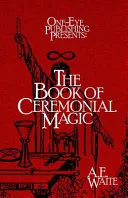
The Book of Ceremonial Magic
 71
71

The Book of Ceremonial Magic
Arthur Edward Waite’s The Book of Ceremonial Magic presents a rigorous, if sometimes dry, attempt to bring order to the chaotic landscape of grimoires. Waite’s strength lies in his meticulous scholarship and his desire to contextualize these magical texts historically, rather than accepting them at face value. He dedicates significant effort to dissecting the supposed origins and contents of works like the Grimorum Verum. However, his inherent skepticism, while valuable for historical analysis, can sometimes dampen the inherent mystique of the subject matter. A particularly telling section involves his detailed examination of the purported pacts described within these grimoires, highlighting the often-dubious claims of their efficacy. Ultimately, it serves as a foundational, albeit academic, study for anyone interested in the historical underpinnings of Western ceremonial magic.
📝 Description
71
Arthur Edward Waite published The Book of Ceremonial Magic in 1911, aiming to codify occult grimoires.
First appearing as The Book of Black Magic and of Pacts, Arthur Edward Waite's 1911 work systematically analyzes and codifies various occult grimoires. Waite synthesized texts such as the Arbatel, Grimorum Verum, and the Keys of Solomon, seeking to establish a coherent understanding of ceremonial magic. The book is structured into two parts, presenting a scholarly examination of these historical magical documents. It appeals to readers interested in the intellectual foundations of Western esotericism, comparative religion, and occult history, rather than those seeking direct practical instruction. Researchers, historians, and practitioners focused on the origins and textual analysis of grimoires will find significant content.
Waite's approach was critical and historical, emerging during a period of occult revival alongside contemporaries like Aleister Crowley and the Golden Dawn. He sought to demythologize grimoire origins, questioning fantastical claims about their authorship and effectiveness. His work places these texts within their specific historical and cultural contexts. A central concept is the systematization of grimoires, where Waite identifies common structures and themes across diverse magical traditions. He scrutinizes the historical development of ritual magic, including the evolution of angelic and demonic hierarchies, the use of talismans, and the philosophical basis for invoking spiritual entities. Waite frequently critiques the uncritical acceptance of magical lore.
This book emerged from the Western esoteric tradition, specifically within the context of the late 19th and early 20th-century occult revival. Waite, a prominent figure in groups like the Hermetic Order of the Golden Dawn, sought a scholarly approach to magic. He distinguished his work from more practically oriented occultists by focusing on the historical and textual analysis of ceremonial magic. His aim was to understand the underlying structures and historical evolution of magical systems, placing them in their cultural and intellectual milieux.
💡 Why Read This Book?
• Understand the historical origins and textual evolution of key grimoires like the Lesser Key of Solomon, moving beyond simplistic notions of their creation. • Analyze Waite's critical methodology for examining occult texts, distinguishing his scholarly approach from purely devotional or practical magical texts. • Grasp Waite's synthesis of disparate grimoires into a comparative framework, offering a structured overview of ceremonial magic's historical components.
⭐ Reader Reviews
Honest opinions from readers who have explored this book.
❓ Frequently Asked Questions
What is the primary goal of Arthur Edward Waite's The Book of Ceremonial Magic?
Waite aimed to syncretize various famous grimoires, such as the Arbatel and the Keys of Solomon, into a unified system. He also sought to document, analyze, and explain these texts within their historical contexts, refuting many myths about their supposed origins.
What is the difference between The Book of Ceremonial Magic and its original title?
Originally titled The Book of Black Magic and of Pacts, the later edition 'The Book of Ceremonial Magic' reflects Waite's broader scope and critical examination of ceremonial magic, moving beyond the more sensationalist implications of 'black magic'.
Which specific grimoires does Waite analyze in this book?
Waite analyzes several significant grimoires, including the Arbatel, Grimorum Verum, and the Greater and Lesser Keys of Solomon, among others, to build his comparative system.
What historical period does The Book of Ceremonial Magic primarily address?
The book addresses the historical development and textual traditions of grimoires, which largely originate from the early modern period in Europe, with roots in earlier esoteric traditions.
Is The Book of Ceremonial Magic a practical guide for performing magic?
No, while it analyzes texts that contain instructions, Waite's primary focus is historical and critical analysis rather than providing a practical manual for magical operations.
What is Waite's stance on the efficacy of the magic described in grimoires?
Waite generally adopts a skeptical stance, focusing on the historical, cultural, and psychological aspects of these magical systems rather than endorsing their literal efficacy.
🔮 Key Themes & Symbolism
Grimoire Systematization
Waite's core endeavor is to move beyond isolated magical texts by identifying common structures and intentions across diverse grimoires. He treats works like the Grimorum Verum and the Keys of Solomon not as unique entities but as parts of a larger, albeit fragmented, magical tradition. This approach involves comparing their ritualistic elements, the nature of invoked entities, and the philosophical underpinnings, aiming to construct a more unified understanding of ceremonial magic's historical practice and theoretical framework.
Historical Textual Criticism
A significant aspect of Waite's work involves applying critical historical analysis to occult literature. He investigates the provenance, authorship claims, and evolutionary development of grimoires, often challenging the mythic narratives surrounding them. By placing these texts within specific historical periods and intellectual currents, Waite seeks to clarify their origins and understand them as products of their time, rather than as direct transmissions of ancient, unbroken wisdom.
The Nature of Magic and Pacts
Waite critically examines the concept of magical pacts, a prevalent theme in many grimoires. He analyzes the philosophical and psychological implications of such agreements, often questioning their literal interpretation and exploring the motivations behind their inclusion in magical literature. His analysis seeks to understand the purported mechanics of magic and the role of pacts in the broader context of spiritual or psychological ambition.
Esoteric Syncretism
The book exemplifies a syncretic approach to esotericism, attempting to synthesize various magical traditions and texts into a single, coherent overview. Waite draws connections between different grimoires, suggesting underlying principles or shared lineages. This syncretism is not merely a collection of disparate elements but an effort to find a unifying logic or historical thread that connects seemingly unrelated magical practices and beliefs across centuries.
💬 Memorable Quotes
Direct passages from the work, attributed to the author.
“The aim has been to catalogue and to classify the whole of the Secret Knowledge.”
— This statement expresses Waite's ambition to create a comprehensive and organized survey of occult lore. It reflects his belief that the diverse practices and texts of ceremonial magic could be systematically studied and understood as a unified field of knowledge.
“The Book of Black Magic and of Pacts aimed to present a study of certain ceremonial magic texts.”
— This highlights the original intent behind the work, emphasizing its scholarly and analytical nature concerning specific types of grimoires and their contents, rather than a simple manual.
“Waite sought to explain the various texts in their historical context.”
— This points to Waite's critical methodology, prioritizing historical accuracy and contextual understanding over uncritical acceptance of magical claims, aiming to ground esoteric studies in a more scholarly foundation.
“The work examines the supposed origins of magical texts.”
— This emphasizes Waite's role in debunking myths and legends surrounding the authorship and antiquity of grimoires, suggesting a critical approach to the historical claims made within occult literature.
“The volume synthesizes several famous grimoires into one system.”
— This describes the core project of the book: to connect and unify disparate magical texts, revealing underlying patterns and structures within the broader tradition of ceremonial magic.
🌙 Esoteric Significance
Tradition
Waite's work sits within the Western Esoteric Tradition, specifically engaging with Hermeticism, Kabbalah, and Renaissance magic. He attempts to synthesize elements from various grimoires, which themselves draw from these traditions. While he critiques many popular interpretations, his very act of cataloging and analyzing these texts contributes to the preservation and scholarly understanding of these lineages, even as he departs from purely devotional or practical adherence.
Symbolism
The book implicitly engages with symbols prevalent in grimoires, such as the pentagram, hexagram, and various divine names. Waite's analysis of the Lesser and Greater Keys of Solomon, for instance, touches upon the symbolic significance of the Solomonic seals and their purported function in controlling spirits, viewing them through a lens of historical practice and symbolic representation rather than direct operative power.
Modern Relevance
Contemporary scholars of Western esotericism and historians of magic continue to reference Waite's work for its foundational scholarship and critical approach to grimoires. While his interpretations are debated, his meticulous cataloging and historical contextualization remain valuable. Modern practitioners interested in the historical evolution of magical systems often consult Waite to understand the source texts and the intellectual milieu from which they emerged.
👥 Who Should Read This Book
• Students of Western Esotericism: Those seeking to understand the historical development and textual basis of ceremonial magic, moving beyond purely practical manuals. • Historians of Religion and Magic: Researchers interested in the provenance, evolution, and critical analysis of occult texts and their cultural impact. • Comparative Occult Scholars: Individuals who wish to compare and contrast different grimoires and magical systems as documented and analyzed by a key figure of the occult revival.
📜 Historical Context
The Book of Ceremonial Magic emerged in the late Victorian and Edwardian eras, a period marked by intense interest in spiritualism, occultism, and esoteric philosophy. Arthur Edward Waite was a central figure in this milieu, though often at odds with contemporaries like Aleister Crowley. While occult societies like the Hermetic Order of the Golden Dawn (of which Waite was a member) were actively exploring and practicing ceremonial magic, Waite's approach was distinctively scholarly and critical. He sought to analyze the historical development and textual integrity of grimoires, such as those attributed to King Solomon, often challenging the pseudepigraphic claims of their antiquity. This critical stance set him apart from those who focused solely on practical application or embraced the more romanticized aspects of occult traditions. His work provided a counterpoint to the burgeoning, often sensationalized, public fascination with magic, grounding it in historical research and textual analysis.
📔 Journal Prompts
Waite's systematization of grimoires like the Arbatel and Grimorum Verum: What underlying principles does he suggest connect them?
The historical context of grimoire creation: How does Waite's analysis challenge popular myths about their origins?
Waite's critical stance on pacts: What are the implications of his skepticism for understanding magical contracts?
The Lesser and Greater Keys of Solomon: How does Waite interpret the symbolic function of the seals within these texts?
Comparing Waite's approach to other occult writers of his era: What makes his methodology distinct?
🗂️ Glossary
Grimoire
A textbook of magic, typically containing instructions for summoning angels and demons, casting spells, and creating magical objects like talismans. Often attributed to historical or biblical figures.
Arbatel
A Renaissance grimoire focusing on the 'Philosophy of the Arbatel of Magic,' dealing with the governance of the world by angels and the nature of celestial influences.
Grimorum Verum
A 16th-century grimoire, often considered a manual for infernal magic, detailing methods for summoning demons and making pacts. Waite critically analyzes its content and purported origins.
Lesser Key of Solomon
A composite grimoire compiled in the 17th century, containing five distinct books on demonology, conjuration, and the use of magical seals and instruments, famously attributed to King Solomon.
Pact
In occult contexts, an agreement, often involving a magical or spiritual entity, typically made through ritual to gain knowledge, power, or assistance, often in exchange for service or allegiance.
Syncretize
To combine or blend different beliefs, schools of thought, or systems into a new, coherent whole. Waite attempts this with various grimoires.
Provenance
The origin and history of ownership of an object or text. Waite investigates the provenance of various magical texts.