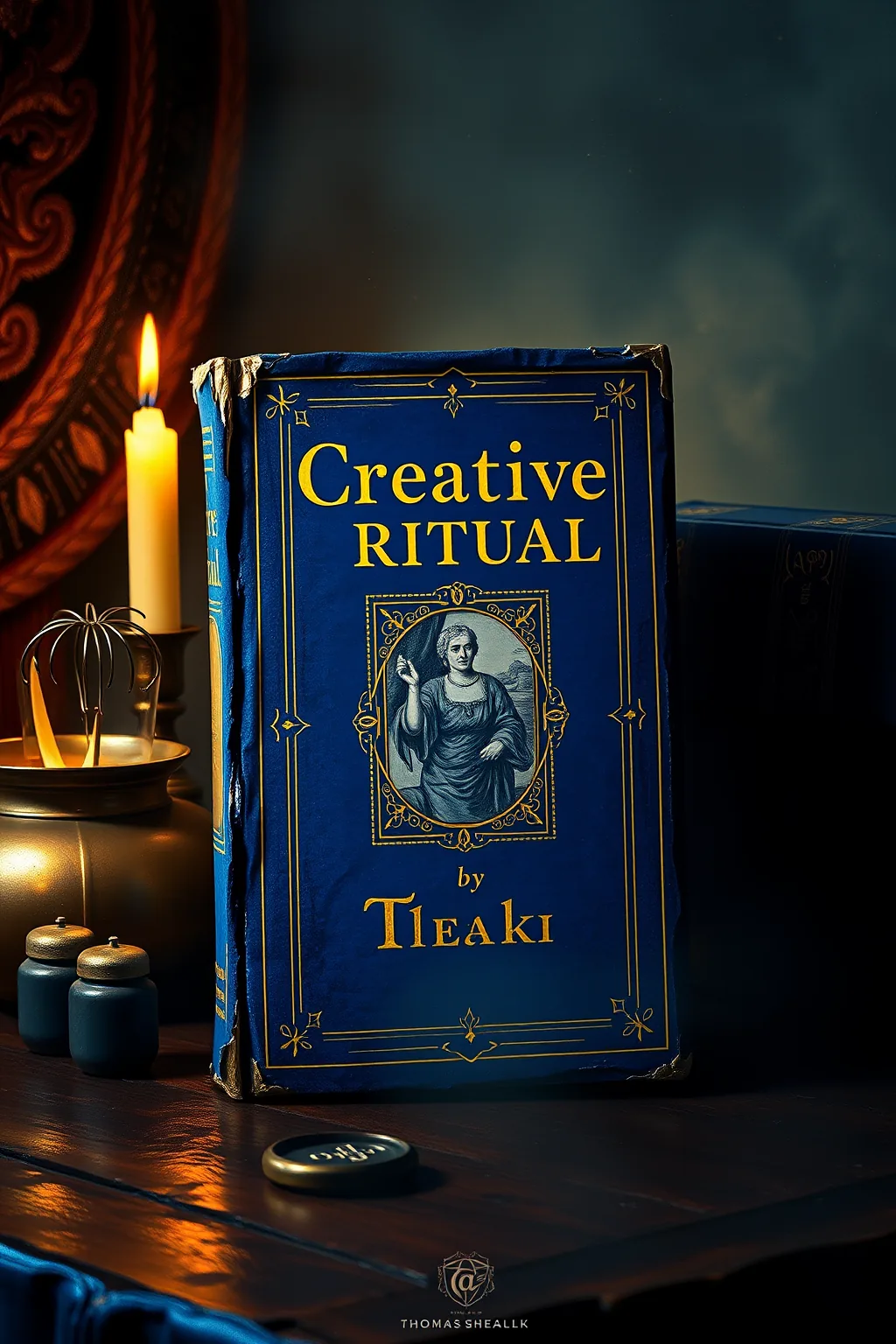
Creative ritual
 82
82

Creative ritual
Thomas Healki’s ‘Creative Ritual’ offers a refreshing perspective, particularly in its insistence that ritual is not a dusty relic but a living, breathing art form. Healki champions the individual’s creative agency, moving the locus of power from external authority to internal will and imagination. The section detailing the construction of a personal ‘Inner Sanctum’ is particularly potent, offering practical steps for grounding one's magical work in a self-defined sacred space. However, the text occasionally leans into jargon without fully elucidating its practical application, which can be a hurdle for newcomers. A more extensive exploration of specific symbolic archetypes, beyond general principles, would have further strengthened its utility. Despite this, the book remains a valuable resource for anyone looking to imbue their spiritual or magical practices with personal meaning and efficacy.
📝 Description
82
Thomas Healki's 1986 book, Creative Ritual, reconceptualizes magic as an act of personal will and imagination.
Creative Ritual moves past strict ceremonial forms to focus on the imaginative and psychological forces behind magical practice. Healki frames ritual not as a set text but as a fluid process, adjustable to individual purposes. The book details how to build personal symbolic environments and use focused intention effectively.
This work is best for practitioners who want to understand ritual more deeply than prescribed methods allow. It will appeal to those interested in the psychological aspects of magic, occultists aiming to create their own practices, and students of esoteric thought seeking to connect theory with application. Anyone examining the power of intention and the part symbolism plays in personal change will find much of value.
Published in 1986, Creative Ritual appeared during a resurgence of interest in occultism and personal spirituality. It differed from dogmatic or traditional occult paths by emphasizing individual creativity and psychological depth within esoteric systems. The book reflects a move from group or inherited magical traditions toward personalized, experiential approaches. Its focus on internal states and subjective experience connects with psychological theories prevalent at the time.
💡 Why Read This Book?
• Learn to design unique rituals tailored to your specific goals, moving beyond generic ceremonies by understanding Healki’s principles of 'Intentional Alchemy' as outlined in the 1986 publication. • Discover methods for cultivating a personal 'Inner Sanctum,' a unique mental refuge for spiritual practice, thereby enhancing focus and the potency of your workings. • Grasp the concept of 'Symbolic Resonance,' understanding how to imbue everyday objects and personal symbols with power to manifest desired outcomes, as detailed within the text.
⭐ Reader Reviews
Honest opinions from readers who have explored this book.
❓ Frequently Asked Questions
What is the core philosophy behind Thomas Healki's 'Creative Ritual'?
The core philosophy is that ritual is an act of creative will and imagination, emphasizing personal construction and subjective experience over adherence to rigid external forms. It posits that individuals can forge potent magical practices through personalized intent and symbolism.
How does 'Creative Ritual' differ from traditional ceremonial magic?
'Creative Ritual' diverges by prioritizing the practitioner's imagination and psychological state as the primary tools, rather than relying solely on established scripts, divine invocations, or material components. It advocates for adaptable, self-created rites.
What is the 'Inner Sanctum' concept in this book?
The 'Inner Sanctum' is a personalized mental sanctuary or sacred space that a practitioner creates and visualizes. It serves as a focal point for meditation, invocation, and the manifestation of intent, acting as a secure and potent internal locus for ritual.
Is 'Creative Ritual' suitable for beginners in esoteric studies?
Yes, it is suitable for beginners who are open to developing personal practices. While it assumes a willingness to engage imaginatively, its principles are explained in a way that allows newcomers to build their own effective rituals from the ground up.
What does 'Symbolic Resonance' refer to in Healki's work?
'Symbolic Resonance' describes the process by which chosen symbols, imbued with personal meaning and focused intent through ritual, gain power and influence. It’s the energetic connection established between the practitioner and their chosen symbolic language.
When was 'Creative Ritual' first published?
Thomas Healki's 'Creative Ritual' was first published in 1986, positioning it within the broader context of late 20th-century esoteric thought and practice.
🔮 Key Themes & Symbolism
Personalized Ritual Construction
This theme centers on the book's core argument that effective ritual arises from the practitioner's unique inner landscape. Healki guides readers to move beyond imitative practices, encouraging the development of personal symbolic languages and ritual structures. The emphasis is on 'Intentional Alchemy' – the transformative power of consciously shaping one's own rites. It suggests that the efficacy of a ritual is directly tied to the personal meaning and imaginative investment it receives, making each practitioner an architect of their own spiritual technology.
The Inner Sanctum
The concept of the 'Inner Sanctum' is presented as a fundamental tool for establishing a potent and secure locus of power. It is not a physical place but a visualized, internalized sacred space. This personal sanctuary serves as a refuge, a point of focus for intention, and a gateway for communion with deeper aspects of the self or divine principles. Healki elaborates on methods for constructing and stabilizing this mental construct, ensuring it acts as a reliable foundation for all subsequent ritualistic endeavors.
Symbolic Resonance and Efficacy
Healki explores how symbols acquire power within a ritual context, defining this as 'Symbolic Resonance.' It posits that symbols are not inert but become dynamic conduits of energy when charged with focused intent and belief. The book encourages the careful selection and integration of symbols that hold personal significance, thereby amplifying their effectiveness. This approach moves away from the universal attribution of power to symbols, grounding their efficacy in the subjective experience and conscious engagement of the practitioner.
Will and Imagination in Magic
Central to 'Creative Ritual' is the assertion that the practitioner's will and imagination are the primary engines of magical change. The book frames ritual as a disciplined application of these faculties, a conscious act of directing psychic energy towards a desired outcome. It argues that rote memorization or blind faith is less effective than the active, creative engagement of the mind. This perspective places a significant emphasis on psychological clarity, imaginative visualization, and sustained intention as the cornerstones of successful esoteric practice.
💬 Memorable Quotes
Direct passages from the work, attributed to the author.
“Ritual is the art of commanding the unseen.”
— This statement expresses the book's perspective on ritual as an active, volitional process. It suggests that ritual is not passive reception but a form of directive power, aiming to influence subtle energies or realities through conscious effort.
“Your Inner Sanctum is built from the bricks of your own meaning.”
— This highlights the personalized nature of the 'Inner Sanctum.' It emphasizes that the strength and stability of this mental space derive not from external authority but from the practitioner's deeply held personal beliefs and symbolic associations.
“Imagination is the forge where intent is hammered into form.”
— This metaphor powerfully illustrates the role of imagination in manifesting desires. It presents the mind's creative faculty as the essential tool for shaping abstract intentions into tangible outcomes through focused visualization.
“Ceremony without personal resonance is mere theatre.”
— This critical observation underscores the book's central theme: the necessity of individual engagement for ritualistic effectiveness. It suggests that external forms alone lack power without the internal, subjective connection forged by the practitioner.
💡 Key Ideas
Editorial paraphrase of the work's core concepts — not direct quotes.
The symbol gains power through the focus you lend it.
This paraphrased concept explains 'Symbolic Resonance.' It posits that the potency of a symbol is directly proportional to the focused attention and intentional energy the practitioner directs towards it during ritual.
🌙 Esoteric Significance
Tradition
While not strictly adhering to a single lineage, 'Creative Ritual' draws heavily from Western Esotericism, particularly its psychological and ceremonial magic branches. It synthesizes elements reminiscent of ceremonial magic's structured approach with a strong emphasis on individual will and imagination, akin to some interpretations of chaos magic or psychological occultism. It departs from traditions that rely heavily on specific pantheons or ancient texts, instead prioritizing the practitioner's subjective experience and self-created symbolic systems.
Symbolism
Key symbols explored include the 'Inner Sanctum,' representing a personalized, secure mental space for focused work, and the concept of 'Symbolic Resonance,' which pertains to how chosen symbols gain power through focused intent. The book also implicitly utilizes the symbolism of creation and architecture, framing ritual construction as akin to building a sacred edifice within the mind, where personal meaning dictates the efficacy of the structure.
Modern Relevance
Contemporary practitioners of personalized spirituality, chaos magic, and psychological occultism often reference the principles found in 'Creative Ritual.' Its emphasis on self-directed practice and the power of imagination remains highly relevant for those seeking to develop unique spiritual paths outside of established religious or magical institutions. Thinkers and practitioners focused on manifestation, the power of intention, and the integration of psychology with esoteric practice continue to find value in Healki's foundational ideas.
👥 Who Should Read This Book
• Aspiring occultists seeking to move beyond rote memorization and develop their own authentic ritual practices, learning to construct a personal 'Inner Sanctum.' • Established practitioners feeling stagnant with existing ceremonial structures, looking for methods to revitalize their work through creative application of 'Symbolic Resonance.' • Students of comparative religion and psychology interested in the subjective and creative dimensions of ritual and belief systems, particularly how personal meaning shapes spiritual efficacy.
📜 Historical Context
Published in 1986, Thomas Healki's 'Creative Ritual' emerged during a period of significant expansion in esoteric and New Age thought. The preceding decades had seen a resurgence of interest in occultism, fueled by figures like Aleister Crowley and the rise of modern Wicca. However, by the mid-1980s, a palpable shift occurred towards more personalized, psychologically oriented spiritual practices. 'Creative Ritual' exemplifies this trend, moving away from rigid, dogmatic systems prevalent in some traditional occult orders. It offered an alternative to established Western esoteric traditions like the Hermetic Order of the Golden Dawn, emphasizing individual creativity over inherited structures. While contemporaries like Dion Fortune had explored psychological aspects of magic, Healki’s work placed these at the forefront, framing ritual as an inherently creative act. This approach resonated with a growing audience seeking self-directed spiritual paths, differentiating itself from the more communally focused or initiatory structures often found in older magical societies.
📔 Journal Prompts
The construction of your personal Inner Sanctum: what foundational symbols define its architecture?
Reflect on a personal symbol and how it might gain 'Symbolic Resonance' through a self-designed rite.
Identify one aspect of traditional ritual you find lacking personal meaning, and how 'Intentional Alchemy' could transform it.
Consider the relationship between your will and imagination in manifesting a desired outcome.
How can the principle of commanding the unseen be applied to a mundane daily task?
🗂️ Glossary
Inner Sanctum
A personalized, visualized sacred space created by the practitioner within their own mind. It serves as a stable locus for focusing intent, meditation, and ritualistic work, acting as a psychic refuge and power center.
Symbolic Resonance
The concept that symbols gain efficacy and energetic power through the focused intent, belief, and sustained attention of the practitioner during ritual. It is the dynamic connection established between the individual and their chosen symbolic language.
Intentional Alchemy
The process of consciously transforming one's mental state, awareness, or mundane energies into a sacred or magical form through deliberate ritual practice and focused will.
Will
In the context of the book, 'will' refers to directed intention and focused volition, the conscious power to choose and manifest desired outcomes through mental and ritualistic effort.
Imagination
The faculty of forming mental images and concepts, presented as a primary tool in ritual for visualizing desired outcomes, constructing symbolic realities, and charging ritual elements with power.
Rote Ceremonialism
Ritual practice that relies heavily on memorized scripts, established procedures, and external forms without significant personal interpretation or subjective engagement from the practitioner.
Psychic Energy
The subtle or non-physical energy that the book suggests can be directed and shaped through focused will and imagination during ritual practice for specific effects.
🔮 Readers Also Liked
Browse all →







More by Thomas Healki
All books →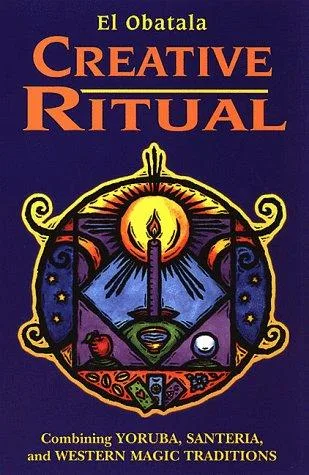
More Free Magic & Ritual Books
View all →