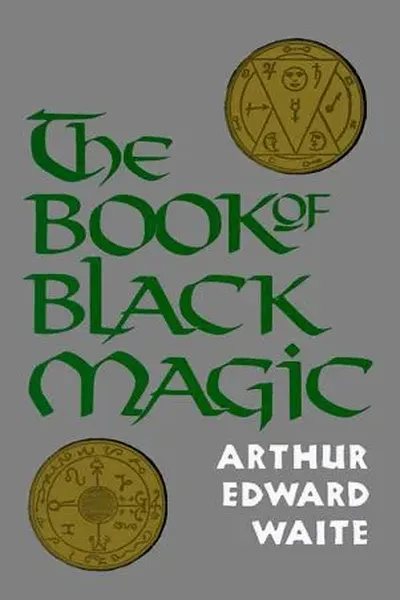
The Book of Ceremonial Magic
 72
72

The Book of Ceremonial Magic

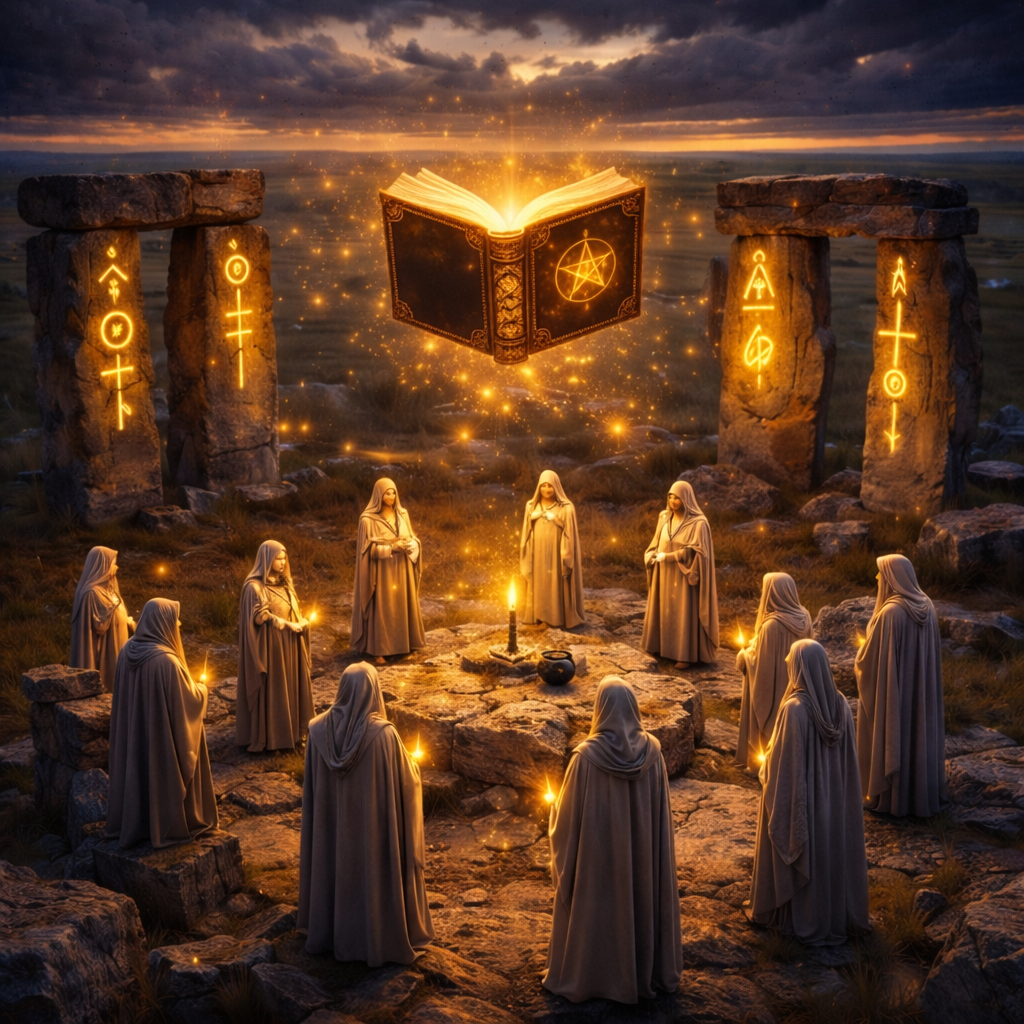

Arthur Edward Waite's 'The Book of Ceremonial Magic' stands as a monumental testament to rigorous scholarship within the occult field. Waite's critical yet sympathetic approach illuminates the intricate tapestry of Western magical traditions, particularly the often-misunderstood grimoires. He masterfully distinguishes between the profound spiritual aspirations of genuine practitioners and the sensationalized accounts that often cloud the subject. This work is indispensable for serious students of esotericism, offering clarity on historical practices and the philosophical underpinnings of ritual. It is a vital resource for understanding the evolution of magical thought and its enduring influence.
📝 Description
72
Delve into the arcane heart of Western esotericism with Arthur Edward Waite's seminal work, 'The Book of Ceremonial Magic.' Published in 1911, this volume is not merely a compendium of ancient rites and forgotten lore, but a profound scholarly investigation into the very essence of ritualistic magic. Waite meticulously dissects the grimoires, those enigmatic handbooks passed down through centuries, separating genuine spiritual quests from the siren call of sensationalism. This book is a gateway for the earnest seeker, inviting them to explore the hidden architectures of consciousness and the potent symbolism that underpins the universe. It offers a critical lens through which to understand the historical currents of magical practice, revealing the philosophical underpinnings that have shaped esoteric thought. Prepare to journey through a landscape of sigils, invocations, and celestial correspondences, where the veil between worlds is thin and the pursuit of higher knowledge is paramount. This is an essential text for anyone seeking to understand the true depth and complexity of ceremonial magic beyond its popular mystique.
✍️ Author

Arthur Edward Waite
Arthur Edward Waite (2 October 1857 – 19 May 1942) was a British poet and scholarly mystic who wrote extensively on the occult and Western esotericism. He was the co-creator of the Rider–Waite Tarot (also called the Rider–Waite–Smith or Waite–Smith deck).
💡 Why Read This Book?
Uncover the historical roots and philosophical depth of Western ceremonial magic. This book is for the discerning seeker and scholar who wishes to move beyond sensationalism to understand the genuine spiritual aspirations embedded within grimoires and ritualistic practices. It offers critical insights into the evolution of occult traditions, providing a foundational text for serious study and practice.
⭐ Reader Reviews
Honest opinions from readers who have explored this book.
❓ Frequently Asked Questions
What are grimoires according to Waite?
Waite defines grimoires as medieval and Renaissance magical handbooks containing instructions for spells, rituals, and the evocation of spirits, often rooted in older traditions and imbued with complex symbolic systems.
Is this book a practical guide to performing magic?
While it details magical practices and traditions, Waite's primary focus is scholarly and analytical. It serves more as an informed exploration of ceremonial magic's history and philosophy than a step-by-step manual for immediate practice.
What is Waite's stance on the efficacy of ceremonial magic?
Waite attempts to navigate a middle ground, acknowledging the potential for spiritual attainment through sincere practice while critically examining the sensationalized or purely materialistic interpretations of magical results.
Who was Arthur Edward Waite?
Arthur Edward Waite (1857-1942) was a prominent occultist, scholar, and author, co-founder of the Hermetic Order of the Golden Dawn. He was known for his extensive writings on Freemasonry, the Rosicrucians, and various esoteric subjects.
What historical periods does the book cover?
The book primarily focuses on the medieval and Renaissance periods, examining the grimoires and magical literature that emerged and flourished during these influential eras of Western esotericism.
🔮 Key Themes & Symbolism
The Nature of Grimoires
Waite's exploration delves into the enigmatic world of grimoires, examining their historical origins, content, and purpose within the Western magical tradition. He critically analyzes these ancient texts, distinguishing between those that potentially held genuine spiritual aspirations and those that may have been subject to misinterpretation or sensationalism. This theme investigates the symbolic language, ritualistic structures, and underlying philosophies that characterize these foundational magical handbooks, offering readers a scholarly yet accessible entry point into their complex lore.
Distinguishing Spiritual Aspiration from Sensationalism
A central tenet of Waite's work is his endeavor to differentiate the profound spiritual goals of true ceremonial magicians from the often-sensationalized and superficial allure of occult practices. He argues for a discerning approach, urging readers to look beyond theatrical elements to the underlying intent and philosophical depth of ritual. This theme explores Waite's critical perspective on how magical traditions have been perceived and portrayed throughout history, emphasizing the importance of sincerity and intellectual rigor in the pursuit of esoteric knowledge.
The Symbolism and Structure of Ritual Magic
This theme examines the intricate symbolic language and structured methodologies inherent in ceremonial magic as presented by Waite. It explores the significance of divine names, planetary correspondences, angelic hierarchies, and the precise execution of rituals designed to facilitate altered states of consciousness or communion with higher powers. Waite's analysis highlights how these elements are not arbitrary but form a coherent system intended to align the magician with cosmic forces, revealing the profound psychological and spiritual dimensions of ritual practice.
💬 Memorable Quotes
“The true occultist seeks union with God.”
— This quote encapsulates Waite's belief that the ultimate aim of genuine ceremonial magic is spiritual transcendence and divine connection, rather than mere personal power or material gain.
“Magic is the science of the hidden.”
— This highlights the esoteric nature of magic, suggesting it deals with unseen forces, principles, and knowledge that lie beyond the grasp of ordinary empirical observation.
“The grimoire is a key to locked doors.”
— This metaphor emphasizes the grimoire's role as a guide or manual, unlocking access to hidden realms, spiritual insights, or potent magical energies for the initiated practitioner.
“Sincerity is the first requirement of the magician.”
— Waite stresses the ethical and intentional foundation of magical practice, asserting that genuine commitment and purity of purpose are paramount for effective and meaningful ritual work.
“We must distinguish the spirit from the letter.”
— This underscores the need to understand the deeper meaning and intent behind magical texts and rituals, rather than adhering rigidly to their literal interpretation.
🌙 Esoteric Significance
Tradition
This book is deeply rooted in the Western Esoteric Tradition, specifically focusing on the lineage of ceremonial magic that developed from Hermeticism, Kabbalah, Neoplatonism, and medieval demonology. Waite meticulously examines the practical applications and theoretical underpinnings of these influences as they manifest in the grimoires and ritualistic practices of the late medieval and Renaissance periods.
Symbolism
The work is rich with esoteric symbolism, exploring the meaning of divine names, angelic and demonic hierarchies, planetary correspondences, astrological influences, and the potent imagery found in magical seals and sigils. Waite delves into how these symbols are employed within ritual to evoke specific energies, facilitate altered states of consciousness, and establish a connection with unseen forces and higher intelligences.
Modern Relevance
Despite its historical focus, 'The Book of Ceremonial Magic' remains highly relevant for modern practitioners and scholars of esotericism. It offers a critical framework for understanding the historical evolution of magical thought, providing context for contemporary magical systems. Waite's emphasis on sincere intention and spiritual aspiration continues to resonate, guiding those who seek a deeper, more philosophical approach to ritual work beyond superficial magical techniques.
👥 Who Should Read This Book
This book is essential for serious students of Western esotericism, occult history, and comparative religion. Aspiring ceremonial magicians will find a crucial historical and philosophical foundation, guiding them to approach ritual with informed discernment. Scholars of magic and mysticism will appreciate Waite's rigorous research and critical analysis. For seekers of hidden knowledge and those interested in the evolution of spiritual traditions, this volume offers profound insights into a complex and often misunderstood aspect of human spiritual endeavor.
📜 Historical Context
Published in 1911, 'The Book of Ceremonial Magic' emerged during a fervent period of occult revival in the late Victorian and Edwardian eras. This was a time when interest in spiritualism, mysticism, and esoteric traditions surged, partly as a reaction against the perceived materialism of the age. Organizations like the Hermetic Order of the Golden Dawn, of which Waite was a prominent member, were actively exploring and codifying Western magical systems. The era saw a proliferation of scholarly works attempting to understand and contextualize ancient and medieval occult texts, including the 'grimoires,' which were often viewed with a mix of fascination and apprehension. Waite's contribution was significant in providing a critical, scholarly framework for understanding these traditions, aiming to elevate the study of magic from mere superstition to a legitimate field of inquiry, albeit one shrouded in mystery and profound symbolism.
📔 Journal Prompts
Reflect on Waite's distinction between genuine spiritual aspiration and sensationalism in magic. Where do you see this distinction playing out in modern occult discourse?
Analyze a specific grimoire mentioned in the book. What symbolic elements or ritualistic structures stand out to you, and what might they represent?
Consider the role of sincerity in magical practice as emphasized by Waite. How does intention shape the outcome of a ritual, and how can one cultivate sincere intent?
Waite discusses the 'science of the hidden.' What does it mean to approach magic as a science, and what are the limitations of such an approach?
Explore the concept of 'union with God' as the ultimate goal of the occultist. How does this aspiration manifest in different esoteric traditions?
🗂️ Glossary
Grimoire
A medieval or Renaissance magical textbook containing instructions for spells, rituals, and the evocation of spirits. Often considered a handbook of practical magic.
Ceremonial Magic
A form of ritualistic magic that typically involves elaborate ceremonies, invocations, symbolic tools, and a structured approach to interacting with spiritual or supernatural forces.
Sigil
A symbol, often a geometric design or a stylized letter, created with the intent of representing a specific magical purpose or entity, used to focus energy and intent.
Invocation
A formal prayer or plea to a deity or spiritual being, requesting their presence, assistance, or blessing, often used in magical rituals to establish a connection.
Esotericism
Teachings or practices that are meant only for a select group of people who are initiated into them, often dealing with hidden knowledge, spiritual wisdom, and mystical experiences.







![The book of magickal [sic] and occult rites and ceremonies](/img/thumb/the-book-of-magickal-sic-and-occult-rites-and-ceremonies-richard-dea-morelli.webp)