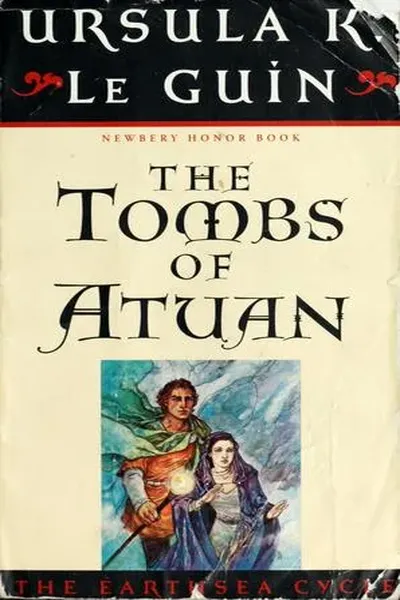
Tales from Earthsea
 72
72

Tales from Earthsea

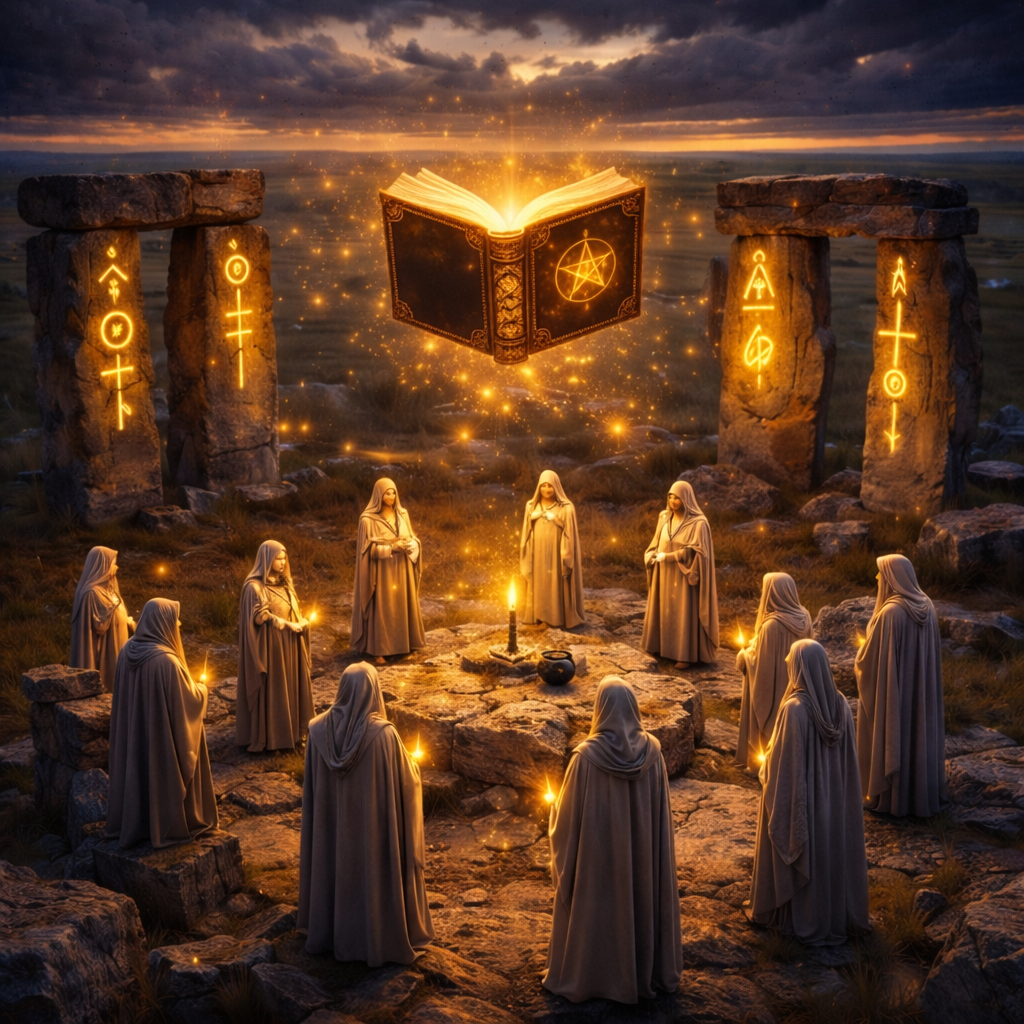

By Balthazar Finch (Senior Critic, Occult Philosophy) — Ursula K. Le Guin's "Tales from Earthsea" is a seminal work, transcending juvenile fiction to offer profound esoteric wisdom. The meticulous world-building, rooted in an ancient, elemental magic system, speaks to primal forces and the interconnectedness of all being. Ged's journey is a powerful alchemical allegory, depicting the confrontation with the shadow self and the subsequent integration necessary for true mastery. Le Guin masterfully illustrates the dangers of ego-driven power and the spiritual maturity required to wield magic responsibly. This is essential reading for anyone seeking to understand the symbolic language of power and self-discovery within a richly imagined, yet deeply resonant, magical cosmology.
📝 Description
72
Delve into the mystical archipelago of Earthsea, a realm steeped in ancient lore and the profound art of magic. Ursula K. Le Guin's "Tales from Earthsea" unveils a world where power is intrinsically linked to true names, and the balance between light and shadow is a constant, precarious dance. This is not mere fantasy; it is an exploration of self, the consequences of unchecked ambition, and the inherent responsibility that accompanies arcane knowledge. Follow the journey of Ged, a gifted but impetuous sorcerer, as he grapples with a dark entity born from his own hubris, a manifestation of the unacknowledged aspects of his soul. The narrative weaves a tapestry of elemental forces, dragon speech, and the subtle currents of fate, inviting readers to contemplate the nature of identity, the wisdom found in accepting one's own limitations, and the profound interconnectedness of all things. The atmosphere is one of ancient quietude, punctuated by the roar of dragons and the whisper of forgotten spells, resonating with seekers of deeper meaning and those drawn to the elemental mysteries of existence. This collection serves as a foundational text for understanding the ethical dimensions of power and the spiritual quest for wholeness, offering profound philosophical insights disguised within a captivating fictional narrative.
✍️ Author

Ursula K. Le Guin
Ursula K. Le Guin (1929–2018) was an American author of speculative fiction, realistic fiction, non-fiction, screenplays, librettos, essays, poetry, speeches, translations, literary critiques, chapbooks, and children's fiction.
💡 Why Read This Book?
For seekers of profound wisdom, "Tales from Earthsea" offers a compelling exploration of magic, self-knowledge, and the eternal struggle between creation and destruction. Scholars will find rich allegorical depth, while practitioners can draw inspiration from its nuanced portrayal of power and responsibility. It’s an essential read for anyone drawn to the elemental forces of the universe and the mystical journey of personal transformation.
⭐ Reader Reviews
Honest opinions from readers who have explored this book.
❓ Frequently Asked Questions
What is the central theme of "Tales from Earthsea"?
The central theme is the journey of self-discovery and the confrontation with one's own shadow, illustrating that true power comes from acknowledging and integrating all aspects of the self.
Is this book suitable for beginners in fantasy?
Absolutely. While rich in depth, the narrative is accessible, making it an excellent entry point for new readers to the fantasy genre and its deeper philosophical implications.
What kind of magic is depicted?
The magic is deeply tied to the true names of things and beings, emphasizing knowledge, balance, and the understanding of natural forces rather than flamboyant spellcasting.
What is the significance of dragons in the story?
Dragons represent ancient, untamed power and primal wisdom. They are beings of immense knowledge and are often seen as guardians of the world's oldest secrets and balances.
Does the book explore philosophical concepts?
Yes, extensively. It delves into themes of identity, duality, responsibility, the nature of good and evil, and the interconnectedness of life, akin to concepts found in Gnostic and Hermetic philosophies.
🔮 Key Themes & Symbolism
The Power of True Names
The magic system in Earthsea hinges on the understanding that true names hold the essence of a thing. To know a name is to possess a degree of control over that which it names. This theme explores the profound connection between language, knowledge, and power, suggesting that true mastery comes not from domination, but from deep understanding and respect for the inherent nature of reality. It is a mystical concept that resonates with ancient traditions that believe words hold creative and destructive force.
Confronting the Shadow Self
Ged's central struggle is with a creature of shadow that he inadvertently unleashes from himself. This represents the universal esoteric concept of the shadow – the unacknowledged, repressed, or darker aspects of the psyche. The narrative powerfully illustrates that true growth and wholeness are achieved not by denying or banishing this shadow, but by bravely facing it, understanding its origins, and integrating it into the conscious self. This is a profound alchemical journey of transformation.
Balance and Interconnectedness
The world of Earthsea is governed by a delicate balance between opposing forces, most notably light and dark, life and death, creation and destruction. Le Guin emphasizes that disrupting this balance has far-reaching consequences, not just for the individual but for the entire world. This theme mirrors ancient cosmological views and mystical philosophies that stress the interconnectedness of all phenomena and the importance of maintaining harmony within the universe. True wisdom lies in understanding these connections and acting in accordance with them.
💬 Memorable Quotes
“There are all kinds of magic, from the sorcerer's cunning to the wizard's wisdom.”
— This highlights the spectrum of magical practice, distinguishing between superficial manipulation and profound, integrated understanding.
“The greatest and the last of my tasks is to find my own name.”
— This speaks to the ultimate esoteric quest: self-knowledge and the discovery of one's true, authentic identity.
“He was afraid, and he was alone. But he was not lost.”
— A powerful statement on inner resilience, suggesting that even in fear and isolation, one can maintain an inner compass and purpose.
“The dark is not evil, but the absence of light.”
— This offers a nuanced, non-dualistic view of darkness, aligning with esoteric traditions that see it as a void or potential rather than inherent malevolence.
“To say you are, is to be.”
— A profound philosophical assertion on the power of self-affirmation and the direct correlation between declaration and existence.
🌙 Esoteric Significance
Tradition
The work draws heavily from Gnostic and Hermetic principles, particularly the concept of the "true name" as a key to understanding and manipulating the fabric of reality. The journey of Ged mirrors the alchemical process of confronting and integrating the shadow self (nigredo and albedo stages), leading towards wholeness. It also echoes Taoist philosophies of balance and the interconnectedness of all things, emphasizing the dangers of striving for excessive power or control.
Symbolism
Key symbols include the archipelago (representing fragmented self/world), dragons (ancient wisdom, primal forces), the sea (the unconscious, the unknown), and the concept of naming (knowledge, identity, power). Ged's scar symbolizes his past mistakes and the burden of his uncontrolled power, while the creatures of darkness represent the repressed aspects of the psyche that must be acknowledged for spiritual maturation.
Modern Relevance
In an age often characterized by information overload and superficial understanding, "Tales from Earthsea" offers a potent reminder of the value of deep knowledge, self-awareness, and ethical responsibility. Its exploration of duality and the integration of the shadow self remains profoundly relevant for personal growth and psychological well-being. The novel encourages a more mindful approach to power and influence, urging readers to consider the subtle interconnectedness of actions and their far-reaching consequences.
👥 Who Should Read This Book
This collection is a treasure for a diverse readership. Beginners in fantasy will find an accessible yet profoundly meaningful entry point, guided by Le Guin's elegant prose. Scholars and enthusiasts of mythology and comparative religion will delight in the rich symbolic tapestry and philosophical underpinnings. Seekers of spiritual insight will resonate with the themes of self-discovery, balance, and the confrontation with the inner shadow. Practitioners of esoteric arts may find inspiration in the nuanced portrayal of magic as a force deeply intertwined with knowledge, wisdom, and ethical responsibility, rather than mere manipulation.
📜 Historical Context
Written in the late 20th century, "Tales from Earthsea" emerged during a period of renewed interest in mythology, folklore, and spiritual exploration. Ursula K. Le Guin drew inspiration from a wide array of sources, including Polynesian island cultures, Taoist philosophy, and classical Western mythology. The novel’s nuanced approach to magic, power, and the consequences of actions resonated deeply with readers seeking alternatives to simplistic good-versus-evil narratives. It arrived in a literary landscape where fantasy was often seen as escapist, but Le Guin elevated the genre, infusing it with psychological depth and philosophical rigor, influencing generations of authors to explore more complex themes within fantastical settings. The book’s enduring popularity speaks to its timeless exploration of the human condition.
📔 Journal Prompts
What is a "true name" for an aspect of yourself, and how does knowing it change your perception?
Describe a time you inadvertently unleashed a "shadow" aspect of yourself. How did you confront and integrate it?
Reflect on a personal or global imbalance you have observed. What steps could be taken to restore harmony?
If your personal magic was tied to a specific element or force, what would it be and why?
Consider the relationship between your power (personal, professional, or creative) and your responsibility. How do they inform each other?
🗂️ Glossary
Archipelago
A group of islands. In Earthsea, it represents a fragmented world where each island has its own distinct identity and challenges, mirroring the disparate aspects of the self.
Sorcerer
One who practices magic, often implying a more rudimentary or self-serving use of arcane arts compared to a wizard.
Wizard
A practitioner of magic, typically one who possesses deep wisdom, understanding, and control, using their abilities with responsibility and insight.
True Name
The secret, fundamental name of a person or thing, which holds its essential power and being. Knowing a true name grants a significant degree of understanding and influence over that which it names.
Shadow
An entity or aspect of oneself that is dark, unacknowledged, and potentially destructive, born from repressed desires, fears, or hubris. It represents the duality within all beings.