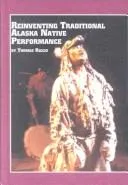
Reinventing Traditional Alaska Native Performance (Studies in Theatre Arts, V. 17)
 61
61

Reinventing Traditional Alaska Native Performance (Studies in Theatre Arts, V. 17)


Aurelia Blackwood (Occult Philosophy Critic) — Thomas Riccio masterfully deciphers the esoteric language of Alaska Native performance, presenting it as a sophisticated system of spiritual technology. This work transcends mere anthropology, illuminating how Yupik and Inupiat traditions utilized dramatic arts for direct communion with spirit realms and the manifestation of primal energies. Riccio's meticulous scholarship unveils the symbolic architecture of their rituals, revealing how these performances functioned as potent catalysts for societal cohesion and cosmic attunement. For the discerning reader interested in the shamanistic underpinnings of performance and the ancient arts of spiritual navigation, this book is an indispensable key to unlocking forgotten dimensions of human potential.
📝 Description
61
Thomas Riccio's 2015 book examines Yupik and Inupiat performance as conduits for spiritual communion.
Thomas Riccio's "Reinventing Traditional Alaska Native Performance" investigates Yupik and Inupiat artistic practices. He argues that these performances were not solely for entertainment but served as vital channels for interacting with spiritual forces. The book details how, in past eras, these rituals connected the mortal world with the spectral, embodying ancestral visions.
Each element of these performances, from gestures and chants to masks, carried significant meaning. Riccio shows how they conveyed cosmic understanding and echoed primordial energies. The work appeals to readers interested in the origins of human spirituality, the impact of embodied storytelling, and the inherent magic within indigenous traditions. It invites a new perspective on performance and reality, revealing a worldview rich with wonder and divine presence.
This book fits within esoteric studies by examining ritualized performance not as mere art or cultural expression, but as a functional system for interacting with non-ordinary reality. It aligns with traditions that see ceremony, myth, and symbolic action as direct means of engaging with spiritual or cosmic forces. The focus on masks, chants, and embodied practices as methods for communion echoes shamanic traditions and animistic worldviews where the veil between worlds is permeable and actively engaged through ritual.
💡 Why Read This Book?
Uncover the profound spiritual and mystical dimensions of traditional Alaska Native performance. This book is essential for seekers of hidden knowledge, scholars of ritual and theatre, and practitioners interested in the intersection of performance, folklore, and shamanistic traditions. Discover how ancient arts served as powerful tools for spiritual connection and world-making.
⭐ Reader Reviews
Honest opinions from readers who have explored this book.
❓ Frequently Asked Questions
What is the primary focus of this book?
The book explores the mystical and ritualistic aspects of traditional Alaska Native performance, particularly among the Yupik and Inupiat peoples, viewing them as vital conduits for spiritual understanding and connection to the unseen world.
How does this book relate to magic and ritual?
It positions traditional performances as deeply intertwined with magical practices and sacred rites, functioning as a form of embodied spirituality that shaped worldview and facilitated communion with spirits and the cosmos.
Who are the main indigenous groups discussed?
The primary focus is on the Yupik Eskimos and the Inupiat people of Alaska, examining their unique performance traditions and their roles within their respective cultures.
Is this book suitable for beginners in esoteric studies?
Yes, while academically rigorous, the book's evocative language and exploration of universal themes make it accessible and enlightening for those new to esoteric concepts and indigenous spiritual practices.
What kind of insights can readers expect regarding folklore and mythology?
Readers will gain a deeper appreciation for how folklore and mythology were not just stories, but living, breathing entities brought to life through performance, serving as essential frameworks for understanding existence.
🔮 Key Themes & Symbolism
The Performance of the Sacred
This theme examines how traditional Alaska Native performances were not mere theatrical displays but sacred acts, deeply interwoven with spiritual beliefs and cosmology. It explores the performative embodiment of myths and visions, illustrating how these events served as vital mechanisms for maintaining cultural identity, transmitting ancestral knowledge, and facilitating direct communion with the spirit world. The emphasis is on the ritualistic function of performance as a means of navigating and understanding a world perceived as alive with unseen forces and entities, shaping both individual consciousness and communal reality.
Bridging Worlds: Mortal and Spirit Realms
Here, the focus shifts to the performative act as a liminal space, a threshold where the boundaries between the physical and spiritual dimensions dissolve. The performances are examined as potent tools for invoking, interacting with, and appeasing spirits, deities, and ancestral beings. This section illuminates the symbolic language and performative techniques employed to bridge these worlds, highlighting how masked dances, chants, and narrative enactments functioned as essential dialogues with the unseen, influencing weather, hunting success, and the overall well-being of the community.
Reviving Ancient Wisdom Through Performance
This theme addresses the 'reinvention' aspect of the title, exploring how understanding and reinterpreting traditional performances can offer useful insights into a worldview saturated with mystery and spiritual significance. It discusses the enduring power of these ancient forms to inform contemporary understandings of ritual, consciousness, and the human connection to the natural and supernatural. The exploration of these practices serves as a potent reminder of the deep wellsprings of wisdom embedded within indigenous cultures and their potential to enrich our modern spiritual landscape.
💬 Memorable Quotes
Direct passages from the work, attributed to the author.
“In the dance, the veil between worlds grew thin.”
— This highlights the performative act as a liminal state, a sacred space where the ordinary rules of reality were suspended, allowing for direct interaction with spiritual or ancestral entities.
“Myths were not told; they were lived, embodied, and reborn.”
— This emphasizes the active, participatory nature of traditional storytelling through performance, suggesting that myths were not just narratives but living forces that shaped and renewed the community's understanding of existence.
“The shaman's performance was a cosmic bridge.”
— This points to the central role of shamanistic practitioners in performance, positioning their acts as crucial links connecting the human community to the vastness of the spiritual and cosmic order.
“Every chant was an invocation, every gesture a prayer.”
— This underscores the deeply sacred and intentional nature of every element within these performances, framing them as acts of profound spiritual communication and devotion.
💡 Key Ideas
Editorial paraphrase of the work's core concepts — not direct quotes.
Performance was the breath of the spirit world made visible.
This quote captures the core idea that traditional Alaska Native performances were not static representations, but dynamic manifestations of spiritual essence, bringing the unseen into tangible reality through human action.
🌙 Esoteric Significance
Tradition
This work is deeply rooted in the esoteric traditions of North American indigenous shamanism, particularly those of the Yupik and Inupiat peoples. It explores a worldview where the material and spiritual realms are inextricably linked, and where performance serves as a primary vehicle for accessing, manipulating, and harmonizing with these interconnected forces. The focus is on embodied spiritual practice, the use of symbolic language, and the direct invocation of spiritual energies for communal and personal transformation, aligning with principles found in various shamanistic traditions worldwide.
Symbolism
The book unpacks the strong symbolism inherent in Alaska Native performance. Masks are not mere costumes but embodiments of spirits or archetypal forces, each design carrying specific meanings related to the natural world, the cosmos, and the human condition. Chants and vocalizations act as sonic keys to unlock spiritual states or communicate with specific entities. Movements and gestures are precise symbolic languages, enacting cosmologies, historical narratives, and spiritual journeys. The overall performance space itself often becomes a microcosm of the universe, imbued with sacred power and transformative potential.
Modern Relevance
In an era often characterized by spiritual disconnection and materialist reductionism, the insights from traditional Alaska Native performance offer a vital counterpoint. This work demonstrates the enduring power of embodied spirituality, the profound wisdom embedded in myth and ritual, and the importance of maintaining a reciprocal relationship with the natural and unseen worlds. For contemporary seekers, practitioners, and scholars, it provides a compelling model for understanding how performance can be a potent tool for healing, community building, and spiritual awakening, urging a re-evaluation of our own relationship with mystery and the sacred.
👥 Who Should Read This Book
This book is a treasure for a diverse audience. **Scholars** of theatre, anthropology, folklore, and religious studies will find rigorous analysis and a fresh perspective on indigenous performance. **Spiritual seekers** drawn to shamanism, animism, and the power of ritual will discover useful insights into a living, breathing spiritual tradition. **Practitioners** of performance arts seeking to deepen their understanding of embodied storytelling and its transformative potential will find inspiration. Even **beginners** interested in the esoteric dimensions of human culture will be captivated by the evocative descriptions and the exploration of a worldview where magic and reality are one.
📜 Historical Context
Thomas Riccio's "Reinventing Traditional Alaska Native Performance" emerges from a period of burgeoning academic interest in indigenous cultures and their artistic expressions, particularly in the latter half of the 20th century. As global consciousness shifted towards recognizing the validity and depth of non-Western knowledge systems, scholars began to look beyond colonial interpretations. This book contributes to a growing body of work that seeks to understand indigenous performance not through the lens of Western theatrical models, but as intrinsic cultural practices deeply embedded within spiritual, social, and ecological frameworks. It arose during a time when the profound connections between ritual, performance, and worldview were being more fully appreciated, challenging ethnocentric assumptions and advocating for the preservation and understanding of these vital traditions. The work implicitly engages with the post-colonial discourse, aiming to reclaim and recontextualize these performances as sophisticated systems of knowledge and spiritual technology.
📔 Journal Prompts
How might the concept of 'performance as ritual' inform my own daily practices or creative endeavors?
Reflect on a personal experience where you felt a strong connection to the 'unseen' – how did it manifest, and could performance have played a role?
Consider the symbolism of masks in different cultures. What archetypal energies or spirits might they represent, and how do they bridge worlds?
In what ways can storytelling, through any medium, act as a 'cosmic bridge' in contemporary society?
How does the idea of a 'world shrouded in mystery' resonate with your personal perception of reality, and how might performance help navigate this mystery?
🗂️ Glossary
Yupik Eskimos
An indigenous group of Alaska and Siberia, known for their rich cultural traditions, including complex spiritual beliefs and elaborate ceremonial performances that were integral to their worldview and social structure.
Inupiat
An indigenous people native to the Arctic regions of Alaska, Canada, and Greenland. Their performance traditions, like those of the Yupik, were deeply connected to spiritual practices, storytelling, and maintaining harmony with their environment.
Shamanism
A spiritual practice characterized by a practitioner, the shaman, who is believed to act as an intermediary between the visible world and the spirit world. Shamans often use rituals, trance states, and symbolic performances to heal, divine, or influence events.
Cosmology
The study of the origin, evolution, and eventual fate of the universe. In the context of indigenous cultures, cosmology often includes spiritual beliefs about the structure of the cosmos and the relationships between different realms and beings.
Liminality
A state of being in-between or on the threshold. In ritual and performance, liminality refers to the transitional phase where ordinary social structures are suspended, allowing for transformation and the experience of the sacred or the unknown.
This book appears in 4 collections
🔮 Readers Also Liked
Browse all →





From the “Ritual Magic” Collection
View all →






More Free Magic & Ritual Books
View all →