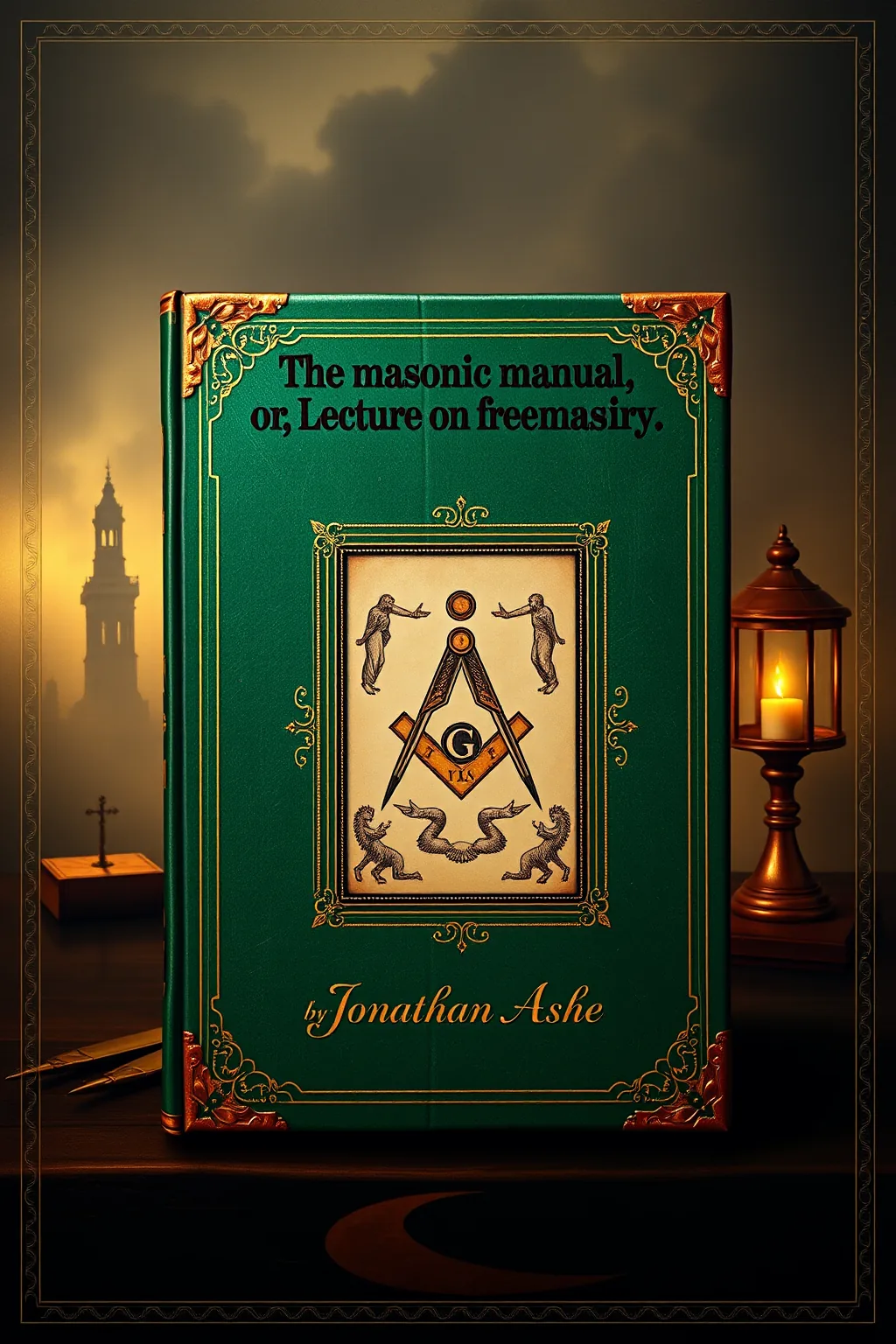
The masonic manual; or, Lecture on freemasonry
 81
81

The masonic manual; or, Lecture on freemasonry

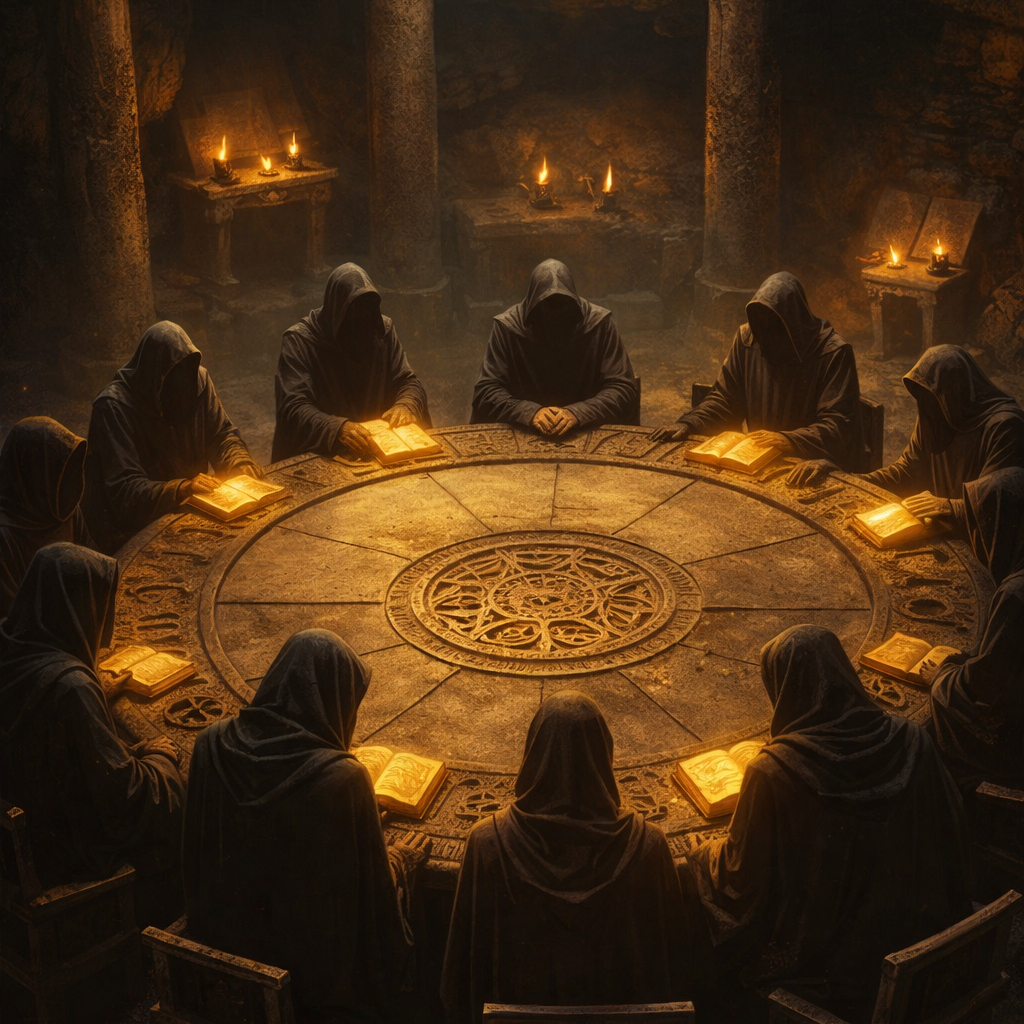

Jonathan Ashe's 'The Masonic Manual' is a cornerstone for anyone serious about understanding Freemasonry beyond its superficial manifestations. Ashe masterfully decodes the symbolic language, revealing the profound esoteric insights embedded within the rituals and lectures. This is not a book for the casual observer; it demands thoughtful engagement from the dedicated student of Hermeticism, Kabbalah, and Western Esotericism. Its strength lies in its clarity and depth, offering a well-structured exposition that illuminates the philosophical journey of the Masonic initiate. For scholars and practitioners seeking to deepen their comprehension of the Craft's spiritual architecture, this manual is an essential and illuminating resource, bridging the gap between ancient wisdom and personal transformation.
📝 Description
81
Jonathan Ashe's 'The Masonic Manual' explains Masonic allegory and esoteric principles in 1871.
Jonathan Ashe's 'The Masonic Manual; or, Lecture on Freemasonry' was published in 1871. The book aims to explain the symbolic language and philosophical underpinnings of Freemasonry. Ashe presents the lectures as expositions meant to reveal spiritual and philosophical truths within the Craft's symbolism. The work covers the esoteric principles that have influenced the fraternity over centuries.
It details the connection between geometric precision and cosmic mystery, offering insights for those interested in the philosophical aspects of Freemasonry. The manual is intended for individuals seeking to understand the order's focus on light and self-perfection. Ashe's lectures touch upon the concept of alchemical transformation of the self through Masonic rites and teachings.
Published in the late 19th century, 'The Masonic Manual' situates itself within a period of renewed interest in esoteric traditions and their philosophical interpretations. It engages with the symbolic language of Freemasonry, which draws from various historical and mystical streams, including Hermeticism and Kabbalah. Ashe's approach aligns with interpreters who sought to understand Masonic rituals not merely as social or fraternal practices, but as vehicles for spiritual and moral development, connecting earthly practices to cosmic principles.
💡 Why Read This Book?
Uncover the veiled wisdom of Freemasonry's esoteric core. 'The Masonic Manual' offers a clear, symbolic pathway to understanding the Craft's profound philosophical and spiritual dimensions. Ideal for seekers of hidden knowledge, scholars of secret societies, and practitioners wishing to enrich their understanding of Masonic symbolism and its transformative potential. Explore the timeless quest for enlightenment through Ashe's insightful lectures.
⭐ Reader Reviews
Honest opinions from readers who have explored this book.
❓ Frequently Asked Questions
Is this book suitable for non-Masons?
Absolutely. While deeply rooted in Masonic tradition, Ashe's work uses universal symbolism and philosophical concepts that resonate with anyone interested in spiritual growth, ancient wisdom, and the nature of esoteric knowledge. It offers a window into a rich symbolic system.
What is the primary focus of the lectures?
The lectures primarily focus on interpreting the symbolic language and allegorical teachings of Freemasonry, aiming to reveal the philosophical and spiritual lessons embedded within its rituals and degrees. It's about understanding the 'why' behind the 'what'.
Does the book reveal secret Masonic rituals?
This manual focuses on the philosophical and symbolic interpretation of Masonic teachings rather than revealing private ritualistic details. Its aim is to illuminate the meaning and purpose behind the ceremonies, not to expose them verbatim.
What makes this manual 'esoteric'?
The 'esoteric' nature lies in its exploration of hidden meanings, spiritual principles, and inner transformation that Freemasonry symbolizes. It delves into the universal truths and mystical understandings that the outward forms of Masonry are designed to represent.
Where can I access this digitized text?
This edition was digitized by Google from the Oxford University library and uploaded to the Internet Archive by user tpb, making it accessible for online reading and study.
🔮 Key Themes & Symbolism
The Geometry of the Soul
Ashe elucidates how Freemasonry employs geometric principles not just as architectural tools, but as metaphors for the structure of the cosmos and the development of the human spirit. The square, compasses, and other iconic tools become symbolic instruments for shaping one's character and aligning with divine order. This theme explores the idea that within the precise lines and angles of Masonic symbolism lies a map for personal growth, encouraging the initiate to build a life of integrity, virtue, and spiritual understanding, mirroring the construction of the Great Temple.
The Unveiling of Divine Light
Central to Masonic teachings is the journey from darkness to light, a metaphorical quest for divine knowledge and self-realization. Ashe frames the Masonic degrees as stages in this ascent, where each revelation strips away ignorance and superstition, bringing the seeker closer to the 'Grand Architect of the Universe.' This theme examines the esoteric concept of illumination, suggesting that the rituals and allegories serve as catalysts for awakening the inner spiritual consciousness, leading to profound personal transformation and a deeper connection with the sacred.
The Alchemy of Character
This manual presents Freemasonry as a form of spiritual alchemy, focused on the transmutation of the base elements of human nature into the refined gold of a virtuous soul. Ashe explores how the symbolic trials and lessons within the Craft are designed to purify the initiate's character, fostering qualities like temperance, fortitude, prudence, and justice. It highlights the esoteric understanding that true Masonic work is an internal process of refining the self, akin to the alchemical transformation of base metals into higher forms, leading to spiritual perfection.
💬 Memorable Quotes
Direct passages from the work, attributed to the author.
“Light, brethren, is the great object of our pursuit.”
— This highlights the core Masonic aspiration for enlightenment, understanding, and spiritual truth. 'Light' signifies wisdom, knowledge, and the dispelling of ignorance, representing the ultimate goal of the Masonic journey.
“Symbolism is the language of the initiated.”
— This emphasizes the profound role of symbols in conveying esoteric knowledge. It suggests that Freemasonry uses a hidden language of symbols to communicate deeper spiritual and philosophical truths to those who are prepared to understand them.
“The square teaches us to act upon the square, and to square our actions by the square of virtue.”
— This illustrates how Masonic tools are imbued with moral and ethical significance. The 'square' becomes a metaphor for rectitude, honesty, and living a life guided by principles of justice and integrity.
“We are all builders, each contributing to the grand design.”
— This speaks to the collective purpose and interconnectedness within Freemasonry. It suggests that each individual has a role in constructing a greater spiritual or societal edifice, working in harmony with others towards a common, noble goal.
💡 Key Ideas
Editorial paraphrase of the work's core concepts — not direct quotes.
The rough ashlar must be hewn and polished ere it can fit into the sacred edifice.
This quote symbolizes the need for personal refinement and moral development. The 'rough ashlar' represents the uncultivated individual, while the 'sacred edifice' is the perfected self or spiritual temple, achieved through diligent effort and adherence to Masonic virtues.
🌙 Esoteric Significance
Tradition
This work is deeply embedded within the Western Esoteric Tradition, particularly drawing from Hermeticism, Neoplatonism, and Kabbalistic thought, which were influential in the development of speculative Freemasonry. It represents a lineage of secret societies that sought to preserve and transmit ancient spiritual knowledge through allegory and ritual, aiming for the inner transformation of the individual and a deeper understanding of cosmic principles.
Symbolism
The manual meticulously deciphers the wide range of Masonic symbolism, from the iconic tools of operative stonemasons—the square, compasses, plumb line, and level—to allegorical figures and architectural elements. These symbols are presented not as mere ornamentation, but as vehicles for profound spiritual and philosophical truths, representing moral virtues, cosmic order, and the journey of the soul towards divine light and perfection.
Modern Relevance
Despite its historical roots, 'The Masonic Manual' offers enduring relevance for contemporary seekers. Its exploration of self-improvement, ethical conduct, and the pursuit of wisdom through symbolic language speaks to modern interest in mindfulness, personal development, and ancient philosophies. The principles of brotherhood and the search for meaning provide a timeless framework for reading through the complexities of the modern world and fostering a sense of purpose and connection.
👥 Who Should Read This Book
This manual is a treasure for the dedicated Freemason seeking to deepen their understanding of the Craft's philosophical underpinnings. Scholars of secret societies and Western Esotericism will find it an invaluable primary source for studying Masonic thought. For spiritual seekers and practitioners interested in symbolic languages and the quest for self-knowledge, 'The Masonic Manual' offers a profound and accessible entry point into a rich tradition of wisdom. It is particularly suited for those who appreciate allegorical teaching and the transformative power of ancient rituals.
📜 Historical Context
Published during a period when Freemasonry was gaining significant social and intellectual traction across Europe and the Americas, Jonathan Ashe's 'The Masonic Manual' emerges from an era of burgeoning Enlightenment thought and a renewed interest in ancient mysteries and esoteric traditions. The late 18th and early 19th centuries saw Freemasonry evolve beyond its operative guild origins into a philosophical and speculative society, attracting thinkers, artists, and leaders. This manual reflects the intellectual climate of the time, where reason and mysticism often intertwined. It stands as a evidence of the Masonic fraternity's role as a crucible for exploring moral philosophy, spiritual development, and the pursuit of universal brotherhood, seeking to synthesize ancient wisdom with the progressive ideals of the age.
📔 Journal Prompts
Reflect on a time you felt you moved from 'darkness to light' in your personal understanding. What facilitated this shift?
Consider the symbolic meaning of the 'rough ashlar' and the 'perfect ashlar' in your own life. What aspects of yourself are you currently 'hewing and polishing'?
How can the principles of temperance, fortitude, prudence, and justice be more actively integrated into your daily decisions and interactions?
If Masonic symbolism is a language, what 'hidden meaning' in your own life are you currently trying to decipher?
In what ways can you contribute to a 'grand design' or a collective effort for positive change, inspired by the Masonic concept of brotherhood?
🗂️ Glossary
Ashlar
A stone squared and shaped by mason's tools. In Freemasonry, the 'rough ashlar' represents the uncultivated man, while the 'perfect ashlar' symbolizes the man made perfect through Masonic instruction and virtue.
Grand Architect of the Universe (G.A.O.T.U.)
A symbolic term used in Freemasonry to represent the Supreme Being or Creator, without specifying a particular religious doctrine, emphasizing a universal concept of divinity.
Lodge
The place where Freemasons assemble, or the body of Freemasons themselves. It is considered a sacred and symbolical space for moral and spiritual instruction.
Ritual
The established form and ceremony used in Masonic meetings and initiations, employing symbolic actions and language to impart lessons and promote spiritual growth.
Symbolism
The practice of using symbols, allegories, and emblems to represent abstract ideas, moral virtues, and spiritual truths, which is fundamental to Masonic teaching.
This book appears in 2 collections
🔮 Readers Also Liked
Browse all →





More by Jonathan Ashe
All books →

From the “Secret Societies” Collection
View all →







More Free Freemasonry & Secret Societies Books
View all →