The Initiates of the Flame
 74
74

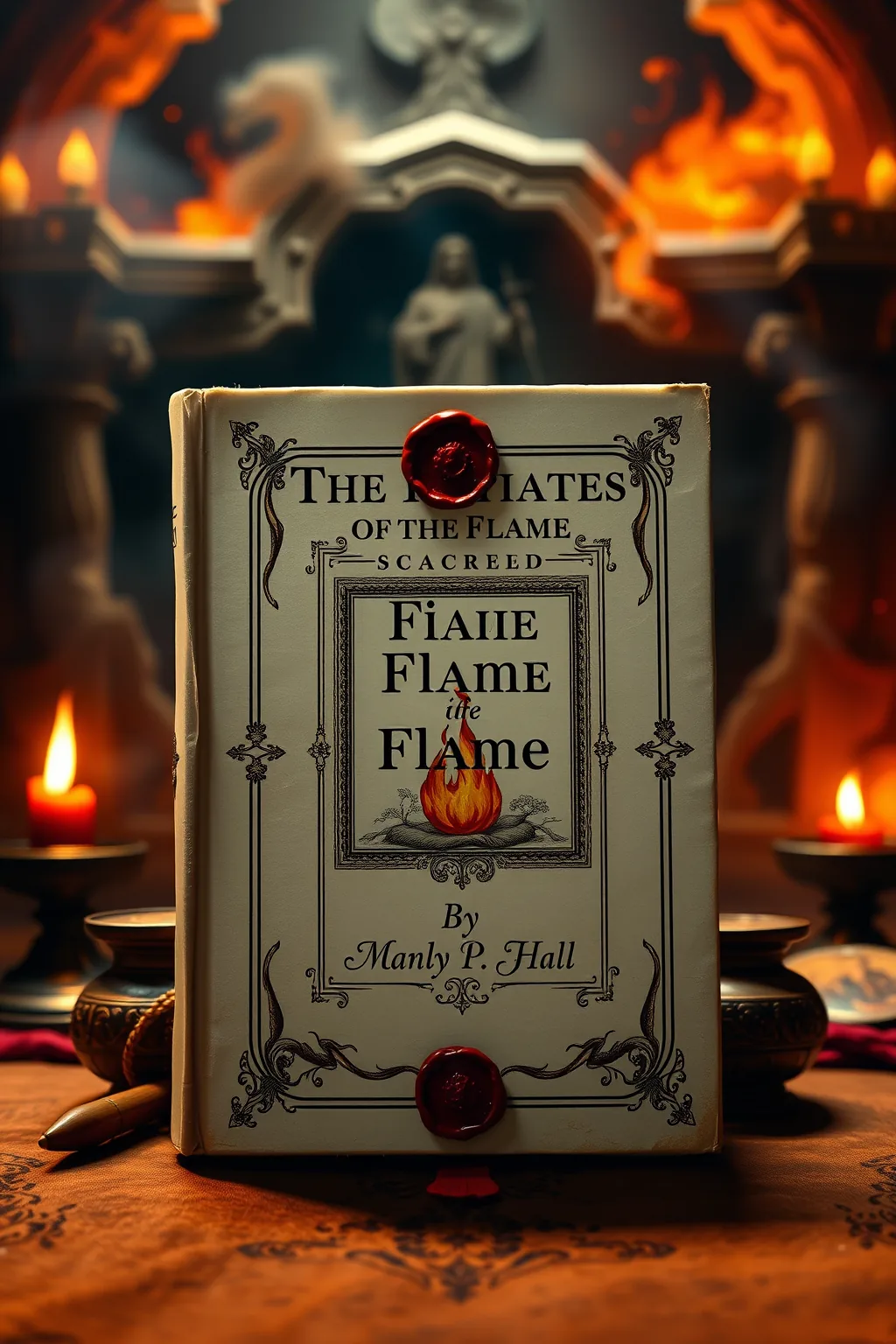
The Initiates of the Flame


Aurelia Blackwood, Occult Philosophy Critic: 'The Initiates of the Flame' stands as an early testament to Manly P. Hall's prodigious grasp of esoteric symbolism. Hall's ability to distill complex occult philosophies into accessible, yet deeply resonant prose is remarkable. He masterfully connects disparate traditions, illuminating the unifying principle of 'sacred fire' as the catalyst for spiritual transformation. This work is essential reading for anyone seeking to understand the foundational symbolism within Freemasonry and broader esoteric movements. Its concise exploration of alchemical and ancient initiatory practices offers profound insights for both neophytes and seasoned students of the hidden arts.
📝 Description
74
Manly P. Hall wrote 'The Initiates of the Flame' when he was young, exploring fire's esoteric meaning.
Manly P. Hall's 'The Initiates of the Flame' examines fire not just as a physical element but as a symbol of spiritual enlightenment. Hall, writing this essay in his youth, connects the concept of sacred fire to various traditions and symbols. He draws parallels with alchemy, ancient Egyptian rituals, and myths associated with the Ark and the Grail. The book also discusses the symbolism found in pyramids and the All-Seeing Eye.
This work presents flame as a central image for the soul's upward path and the discovery of its inherent divine qualities. It aims to illuminate the fundamental forces that influence both the external world and the internal spiritual life. The text is suited for those interested in understanding the deeper meanings behind these potent symbols and their connection to personal growth.
This essay fits within the Western esoteric tradition, particularly the study of Freemasonry and occult symbolism that Manly P. Hall became known for. It connects common esoteric motifs like fire, initiation, and sacred geometry to a unified spiritual interpretation. Hall's work here draws on a range of historical and symbolic systems, common in occult literature of the late 19th and early 20th centuries, to construct a cohesive view of inner awakening.
✍️ Author
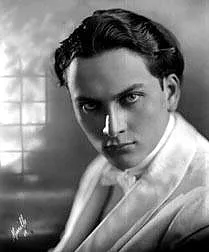
Manly P Hall
Manly Palmer Hall (18 March 1901 – 29 August 1990) was a Canadian writer, lecturer, astrologer, and mystic. Over his 70-year career he gave thousands of lectures and published over 150 volumes, of which the best known is The Secret Teachings of All Ages (1928).
💡 Why Read This Book?
Uncover the ancient secrets of spiritual illumination through the universal symbol of fire. 'The Initiates of the Flame' offers a concise yet profound exploration of esoteric traditions, perfect for seekers of hidden knowledge, students of comparative mythology, and practitioners interested in the alchemical transformation of consciousness. Discover the deep symbolism connecting ancient mysteries to your own inner journey.
⭐ Reader Reviews
Honest opinions from readers who have explored this book.
❓ Frequently Asked Questions
What is the central theme of 'The Initiates of the Flame'?
The central theme is the symbolic meaning of sacred Fire as a representation of spiritual illumination, divine consciousness, and the process of inner awakening across various esoteric traditions.
What esoteric traditions does Manly P. Hall draw upon in this book?
Hall draws from a broad spectrum, including Freemasonry, ancient Egyptian mysteries, alchemy, Hermeticism, and various mythologies, notably the Ark and Grail legends.
Is this book suitable for beginners in esotericism?
Yes, while rich in symbolism, Hall's clear prose makes it accessible for beginners interested in foundational esoteric concepts. It serves as an excellent introduction.
What is the significance of the 'Flame' in the title?
The 'Flame' represents the divine spark within, the purifying power of spiritual enlightenment, and the active principle of transformation that initiates the seeker towards higher consciousness.
When was 'The Initiates of the Flame' first published?
'The Initiates of the Flame' was first published in 1922.
🔮 Key Themes & Symbolism
The Primacy of Sacred Fire
This theme explores the profound and universal concept of 'sacred fire' as it appears across diverse ancient cultures and esoteric philosophies. It signifies not just elemental fire, but the divine spark, the animating principle of life, and the catalyst for spiritual transformation. Hall posits that this primal energy is the common thread binding disparate mystical traditions, representing the very essence of consciousness and the fire of illumination that awakens the soul. Understanding this symbolism is key to comprehending the initiatory processes described throughout the book.
Ancient Initiatory Rites and Symbolism
The book explores the symbolic language of ancient initiation, particularly drawing parallels with Egyptian mysteries and the veiled ceremonies of secret societies. Hall examines how rituals, myths, and architectural symbols, such as pyramids and the All-Seeing Eye, were designed to guide the aspirant through stages of spiritual development. The 'Flame' acts as a metaphor for the trials and purification inherent in these rites, leading to the unveiling of hidden truths and the attainment of higher knowledge. It highlights the continuity of wisdom traditions.
The Alchemical Transformation of the Soul
Central to Hall's thesis is the alchemical interpretation of spiritual growth. The 'Flame' is not merely an external symbol but an internal process, akin to the alchemical 'Great Work' of transmuting base elements into gold. This transformation represents the purification of the personality, the integration of the higher and lower selves, and the awakening of latent spiritual powers. The book suggests that the ancient myths and symbols are allegorical maps guiding the individual on this profound inner journey of self-realization and divine union.
💬 Memorable Quotes
Direct passages from the work, attributed to the author.
“The ancient mysteries were schools of the soul.”
— This highlights the purpose of archaic spiritual traditions: to cultivate inner growth and consciousness, acting as formative environments for the spirit.
“Symbolism is the language of the gods.”
— This emphasizes the profound significance of symbols in esoteric teachings, suggesting they are a direct means of communicating divine truths and cosmic principles.
“To know the flame is to know oneself.”
— This links the pursuit of spiritual knowledge (the flame) directly to self-discovery and the ultimate realization of one's true, divine nature.
“The Ark and the Grail are symbols of divine wisdom.”
— This points to the archetypal nature of these myths, identifying them as vessels or repositories of sacred knowledge and spiritual attainment.
💡 Key Ideas
Editorial paraphrase of the work's core concepts — not direct quotes.
Fire is the divine spark within the human soul.
This quote captures the core idea that the 'flame' represents our inherent spiritual essence, the divine potential waiting to be ignited and realized.
🌙 Esoteric Significance
Tradition
This work is deeply rooted in Western Esotericism, drawing heavily from Hermeticism, Alchemy, Kabbalah, and the symbolic language of Freemasonry. It also incorporates elements from ancient Egyptian mysteries and comparative mythology, presenting a synthesis of universal spiritual principles found across various sacred traditions. The 'Flame' serves as a unifying symbol, connecting these diverse streams of esoteric knowledge into a coherent philosophy of inner transformation.
Symbolism
The primary symbol is 'Fire,' representing divine consciousness, spiritual illumination, purification, and the life force. Other key symbols include the All-Seeing Eye (omniscience, divine awareness), pyramids (ascension, initiation), the Ark (divine presence, sacred covenant), and the Grail (spiritual attainment, hidden truth). These elements are presented not as literal objects but as archetypal representations of profound spiritual realities and initiatory stages.
Modern Relevance
In an age often characterized by materialism and spiritual seeking, 'The Initiates of the Flame' offers timeless wisdom on inner awakening. Its exploration of universal symbols and ancient pathways to consciousness remains highly relevant for individuals seeking deeper meaning, personal growth, and a connection to the sacred. The book provides a framework for understanding the underlying spiritual currents that continue to influence modern thought and practice, encouraging a journey of self-discovery.
👥 Who Should Read This Book
This informative text is ideally suited for the earnest seeker starting their spiritual journey, offering foundational insights into esoteric principles. Scholars of comparative mythology, religion, and occult history will find Hall's synthesis of diverse traditions invaluable. Practitioners of esoteric disciplines, such as meditation, ritual, or contemplative practices, will discover potent symbolic keys to deepen their understanding and application. Even those new to metaphysical concepts will find Hall's clear prose and compelling arguments an accessible gateway into the profound mysteries of consciousness and the universe.
📜 Historical Context
Published in 1922, 'The Initiates of the Flame' emerged during a vibrant period of renewed interest in esoteric thought and occultism. The early 20th century saw a surge in societies dedicated to Hermeticism, Theosophy, and Freemasonry, fueled by a desire to explore ancient wisdom in the wake of industrialization and societal upheaval. Manly P. Hall, a prodigious autodidact, tapped into this zeitgeist, offering accessible interpretations of complex metaphysical ideas. His work provided a bridge for many seeking spiritual meaning beyond conventional religious frameworks, drawing from a body of Western esotericism and Eastern philosophies, and contributing significantly to the popularization of occult studies.
📔 Journal Prompts
Reflect on personal experiences where you have felt the presence of an inner 'flame' or intense inspiration. What did this feel like, and what triggered it?
Consider the symbolism of fire in your own life and cultural background. What does fire represent to you, and how does it relate to transformation or destruction?
How might the concept of 'initiation' apply to your personal growth and learning experiences, even outside of formal esoteric contexts?
Explore the idea of 'hidden knowledge.' What does this concept mean to you, and how might one go about seeking or uncovering it?
Meditate on the 'All-Seeing Eye' symbol. What does it mean to you to be observed by a higher consciousness, and how does this influence your actions?
🗂️ Glossary
Esotericism
A broad category of spiritual traditions, philosophies, and practices that are concerned with the hidden nature of reality and the attainment of direct experience of the divine or ultimate truth, often through inner exploration.
Alchemy
An ancient philosophical and proto-scientific tradition that sought to transmute base metals into noble metals (like gold) and discover a universal elixir of life. Esoterically, it represents the transformation of the human soul.
Initiation
A ritual or process by which an individual is formally admitted into a group, society, or a higher level of knowledge or spiritual understanding, often involving symbolic rites and teachings.
Symbolism
The use of symbols to represent ideas and qualities. In esoteric contexts, symbols are seen as keys to unlocking deeper meanings and universal truths about the cosmos and the human soul.
Hermeticism
A philosophical and religious tradition based primarily upon writings attributed to Hermes Trismegistus, a legendary Hellenistic figure. It emphasizes cosmic unity, divine consciousness, and the principle of 'As Above, So Below'.
This book appears in 2 collections
🔮 Readers Also Liked
Browse all →






More by Manly P Hall
All books →
From the “Secret Societies” Collection
View all →





More Free Freemasonry & Secret Societies Books
View all →


![Gould R F History Of Freemasonry Throughout The World V 3 [ 1936 Ed][ 361p]](/img/thumb/gould-r-f-history-of-freemasonry-throughout-the-world-v-3-1936-ed-361p.webp)