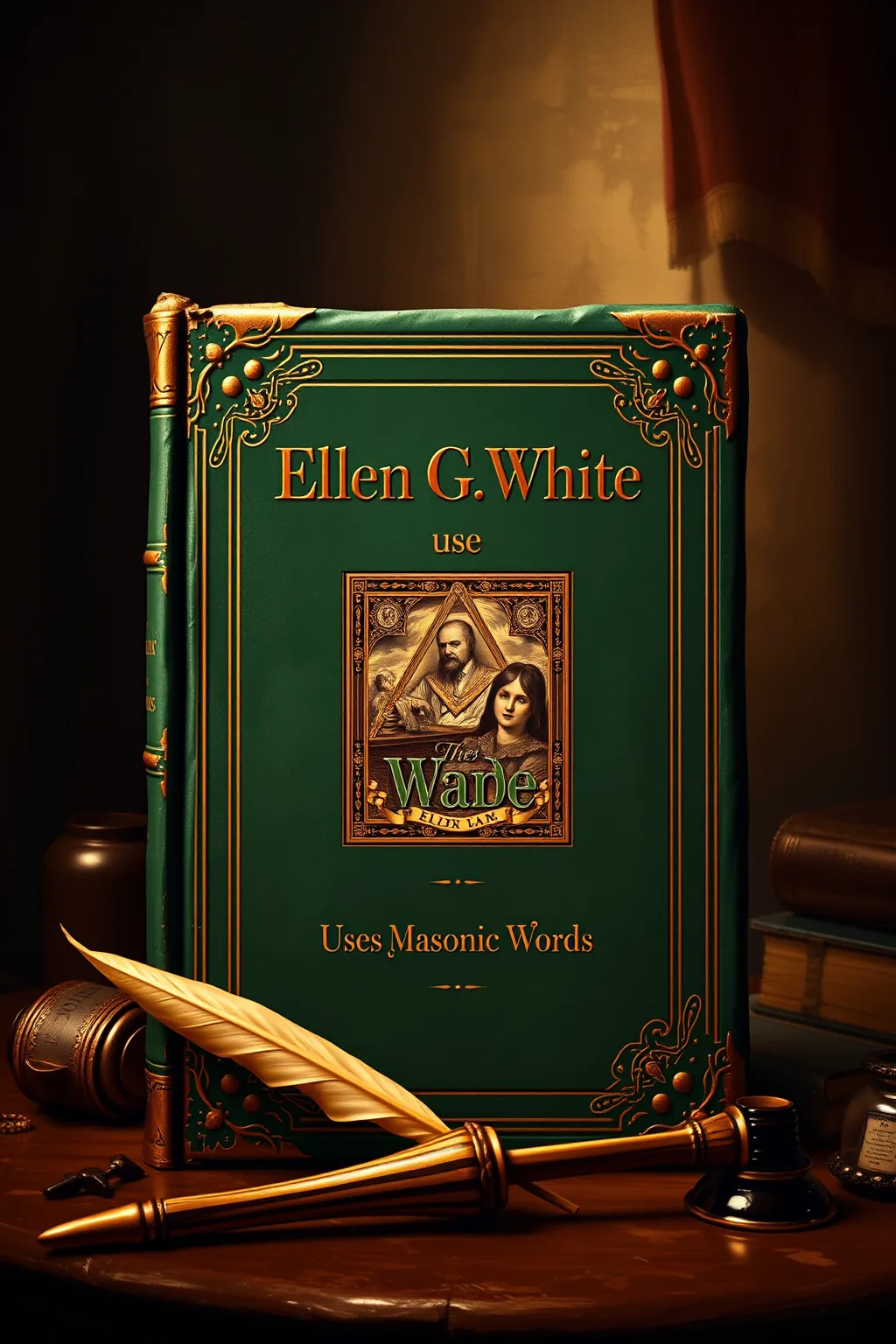
Ellen G. White Uses Masonic Words
 74
74

Ellen G. White Uses Masonic Words


In 'Ellen G. White Uses Masonic Words,' the author takes on the daunting task of unraveling the enigmatic use of Freemasonic and occult terms in Ellen G. White's writings. This book is a must-read for anyone interested in the esoteric influences on religious texts and the hidden language of secret societies. The author's deep dive into historical context and meticulous research provides a fascinating exploration of how occult terminology can infiltrate spiritual teachings. For modern esoteric seekers, this book offers valuable insights into the blurred lines between divine inspiration and esoteric influences. It challenges readers to critically examine the sources of their spiritual beliefs and the subtle ways in which occult language can shape religious narratives. The book is well-structured and engaging, making complex topics accessible to both scholars and casual readers.
📝 Description
74
This book examines Ellen G. White's deliberate use of Masonic vocabulary in her writings.
The text analyzes Ellen G. White's writings, focusing on her employment of terms associated with Freemasonry and occult practices. It raises questions about the source of her prophetic claims, considering whether she was divinely inspired or influenced by external, potentially hidden, agencies.
The book invites readers to consider the relationship between spiritual revelation and symbolic language. It looks at the concepts White used and how they might connect to secret societies and mystical traditions. The work encourages a closer look at the nature of inspiration and the potential impact of clandestine groups on religious thought.
This work situates itself within the study of Western esotericism, specifically concerning the intersection of established religious figures and movements with occult and fraternal traditions. It engages with the historical phenomenon of individuals whose teachings appear to draw from or resonate with clandestine knowledge systems, such as Freemasonry. The book's analysis of White's language attempts to decode potential layers of meaning beyond conventional interpretations of her work, placing it in conversation with scholarship on hidden traditions and their influence on mainstream religious discourse.
💡 Why Read This Book?
Reading 'Ellen G. White Uses Masonic Words' today is essential for anyone interested in the hidden influences behind religious and spiritual texts. This book provides a unique perspective on how Freemasonic and occult terminology can infiltrate spiritual teachings, challenging readers to question the authenticity of divine communication. By understanding these esoteric influences, modern seekers can gain a deeper appreciation for the complexities of spiritual exploration and the importance of critical thinking in religious studies.
⭐ Reader Reviews
Honest opinions from readers who have explored this book.
❓ Frequently Asked Questions
What is the main focus of 'Ellen G. White Uses Masonic Words'?
The main focus of this book is to explore the use of Freemasonic and occult terminology in Ellen G. White's writings, raising questions about her spiritual influences and the authenticity of her prophecies.
Who should read this book?
This book is ideal for scholars of religious studies, enthusiasts of esoteric literature, and anyone curious about the hidden influences in spiritual texts.
What historical context does the book provide?
The book provides a detailed historical context for Ellen G. White's writings, examining how Freemasons and occultists incorporate Biblical terms and expressions into their own esoteric frameworks.
🔮 Key Themes & Symbolism
Divine Inspiration vs. Occult Influence
The book examines the debate over whether Ellen G. White's writings were divinely inspired or influenced by occult forces. It examines the use of Masonic and occult terminology, suggesting a deeper layer of esoteric knowledge.
Esoteric Symbolism
This theme explores the hidden symbols and meanings within Ellen G. White's writings. The book provides a comprehensive analysis of her use of Masonic terms, inviting readers to uncover the mystical underpinnings of her teachings.
The Intersection of Religion and the Occult
The book examines the boundaries between sacred and profane, questioning the influence of secret societies on religious thought. It offers a unique perspective on the intersection of divine prophecy and esoteric knowledge.
💬 Memorable Quotes
Direct passages from the work, attributed to the author.
“The Bible does not use Masonic and occult terminology.”
— This statement underscores the book's central question: why did Ellen G. White frequently use these terms?
“Neither would a prophet of God.”
— The book challenges this assumption, suggesting a deeper layer of hidden knowledge within her writings.
“The boundaries between sacred and profane.”
— The book questions the influence of secret societies on religious thought, offering a unique perspective on divine inspiration.
💡 Key Ideas
Editorial paraphrase of the work's core concepts — not direct quotes.
Freemasons and occultists do use Bible terms and expressions.
This quote highlights the complex interplay between religious and esoteric traditions.
Mystical underpinnings of her teachings.
This passage invites readers to explore the esoteric symbolism within Ellen G. White's work.
🌙 Esoteric Significance
Tradition
This book belongs to the Hermetic tradition, which emphasizes the pursuit of hidden knowledge and the unity of all things. It explores the intersection of divine prophecy and esoteric symbolism, inviting readers to uncover the mystical underpinnings of Ellen G. White's teachings.
Symbolism
Key symbols in the book include the use of Masonic terms and occult expressions. These symbols are analyzed to reveal their deeper meanings, providing insights into the esoteric knowledge embedded within White's writings.
Modern Relevance
This book remains relevant today for modern practitioners of the occult and seekers of spiritual truth. It offers a unique perspective on the intersection of divine inspiration and esoteric knowledge, making it an essential read for anyone interested in the mystical and the occult.
👥 Who Should Read This Book
Beginners interested in the occult will find this book an accessible introduction to the mysteries of Freemasonry and esoteric symbolism. Scholars of religious studies will appreciate the book's rigorous analysis of Ellen G. White's writings. Spiritual seekers will be drawn to the book's exploration of divine inspiration and the hidden layers of religious mysticism. Practitioners of the occult will find valuable insights into the use of Masonic and occult terminology within religious thought.
📜 Historical Context
Ellen G. White's writings emerged during a time of significant spiritual and cultural upheaval. The late 19th and early 20th centuries saw a surge in interest in both religious revivalism and the occult. This book provides a comprehensive historical context, exploring how these trends influenced White's work and the broader religious field of the time. Her use of Masonic and occult terminology reflects the era's fascination with hidden knowledge and esoteric symbolism, making her writings a fascinating subject for historical and spiritual analysis.
📔 Journal Prompts
Reflect on the boundaries between sacred and profane in religious thought.
Consider the influence of secret societies on spiritual practices.
Explore the use of esoteric symbolism in divine inspiration.
Examine the historical context of Ellen G. White's writings and their significance today.
Ponder the intersection of divine prophecy and hidden knowledge in religious teachings.
🗂️ Glossary
Masonic Terms
Terms and expressions used by Freemasons, often imbued with esoteric symbolism and hidden meanings.
Occult
The study of hidden or secret knowledge, often involving mystical or supernatural elements.
Divine Inspiration
The belief that religious teachings are divinely inspired, often through prophets or spiritual leaders.
Esoteric Symbolism
Symbols and meanings that are hidden or known only to a select few, often within mystical or occult traditions.
Hermetic Tradition
A philosophical and spiritual tradition that emphasizes the pursuit of hidden knowledge and the unity of all things.
This book appears in 2 collections
🔮 Readers Also Liked
Browse all →







From the “Secret Societies” Collection
View all →





More Free Freemasonry & Secret Societies Books
View all →