Theosophy on Ancient Astronauts
 77
77

Theosophy on Ancient Astronauts
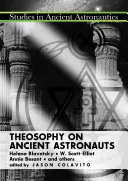
Jason Colavito's "Theosophy on Ancient Astronauts" is a vital excavation, unearthing the often-overlooked Theosophical underpinnings of modern alien visitation theories. By presenting primary source material, Colavito demonstrates convincingly how Helena Blavatsky's followers, particularly figures like William Scott-Elliot, laid out detailed cosmogonies involving extraterrestrial contact and the evolution of human races. The strength of this book lies in its direct engagement with these historical texts, sidestepping later reinterpretations. A limitation, however, is the density of the source material itself, which can be challenging for the uninitiated. Colavito's introduction effectively frames the historical context, but the core value is in the raw, albeit sometimes peculiar, pronouncements of the Theosophists themselves, such as their theories on Venusian influence. It serves as an indispensable corrective to narratives that ignore this crucial spiritualist heritage.
📝 Description
77
### Unearthing Theosophy's Alien Origins This collection meticulously traces the lineage of modern ancient astronaut theories back to their surprisingly esoteric roots in the 19th-century Theosophical Society. It uncovers how Helena Blavatsky and her followers conceptualized extraterrestrial visitations as foundational to human history and spiritual development. The texts presented offer direct access to these foundational ideas, demonstrating the Theosophists' unique blend of spiritualism, Eastern mysticism, and speculative cosmology.
### For the Curious Skeptic and Esoteric Explorer This work is essential for anyone questioning the origins of popular ancient astronaut narratives. It provides a crucial historical counterpoint for those who believe these ideas emerged solely from secular, scientific inquiry. Readers interested in the history of alternative spiritual movements, the development of New Age thought, or the intersection of fringe theories and established religions will find significant value here.
### Victorian Esotericism and Cosmic Visitors The book situates these ideas within the fertile intellectual landscape of Victorian England. The Theosophical movement, founded in 1875, was a reaction against rigid materialism, seeking spiritual truths in ancient traditions and unseen realms. This context explains the Theosophists' openness to concepts like interplanetary beings influencing Earth's past, a stark contrast to the prevailing scientific views of the era.
### Theosophical Cosmology and Early Contact Central themes include the concept of 'Root Races' guided by cosmic entities, the interpretation of ancient myths as accounts of alien intervention, and the belief that advanced beings from planets like Venus seeded humanity and its early civilizations. The texts explore detailed narratives of these supposed interactions, laying the groundwork for later popularizations.
💡 Why Read This Book?
• Understand the specific 19th-century Theosophical concepts that predated and influenced modern ancient astronaut theories, such as the idea of 'Root Races' and planetary beings, gaining insight unavailable in secular accounts. • Examine primary texts from figures like William Scott-Elliot, allowing for direct engagement with the speculative cosmologies that shaped early esoteric beliefs about extraterrestrial contact. • Appreciate the historical development of fringe theories by tracing their roots within the spiritualist and occult revivals of the Victorian era, a context crucial for understanding their initial appeal.
⭐ Reader Reviews
Honest opinions from readers who have explored this book.
❓ Frequently Asked Questions
How did the Theosophical movement influence ancient astronaut theories?
The Theosophical movement, particularly through figures like Helena Blavatsky, proposed that beings from other planets visited Earth in the distant past, influencing human development and ancient religions, directly seeding ideas later adopted by ancient astronaut theorists.
What is the significance of William Scott-Elliot in this context?
William Scott-Elliot, a prominent Theosophist, wrote extensively on the concept of ancient astronauts and planetary influences on Earth's history, detailing ideas about alien beings and the evolution of humanity in works that are central to this collection.
When was the Theosophical movement founded?
The Theosophical Society was founded in 1875, a period of significant interest in spiritualism and esoteric philosophies, which provided fertile ground for its unique blend of Eastern religions and speculative cosmology.
Are these primary sources or secondary analyses?
This book primarily presents early texts from noted Theosophists and those who encountered the movement, offering direct access to their original ideas about ancient aliens and Earth's history.
What planets were believed to be involved in ancient visitations according to Theosophy?
Theosophical texts frequently mention beings from planets like Venus visiting Earth in the deep past, playing a role in the development of ancient civilizations and religious foundations.
What is the relationship between Theosophy and Eastern religions?
Theosophy, as articulated by Blavatsky and others, synthesized elements from various Eastern religions, such as Hinduism and Buddhism, with Western esoteric traditions to form its unique spiritual philosophy.
🔮 Key Themes & Symbolism
Theosophical Cosmology
This theme explores the intricate and often bizarre cosmologies developed by the Theosophical Society, particularly regarding the origins of humanity and Earth's history. It details their concept of 'Root Races,' successive evolutionary stages of humanity, which were believed to be guided or influenced by beings from other planets. These narratives posit an ancient past populated not by primitive humans, but by descendants of advanced extraterrestrial visitors, fundamentally altering the understanding of human origins and ancient civilizations.
Extraterrestrial Beings in Antiquity
The core of this theme is the Theosophical assertion that extraterrestrial beings were not a modern invention but a reality of the ancient past. These beings, often described as originating from planets like Venus, are presented as the architects of ancient ruins, the promulgators of early religions, and the progenitors of specific human lineages. The texts delve into how these visitors supposedly shaped human culture, spirituality, and even physical evolution, providing a mystical explanation for humanity's development.
Spiritualism and Victorian Occultism
Interpreting Ancient Myths
The book showcases how Theosophists reinterpreted global myths and legends not as symbolic narratives or historical accounts, but as literal records of extraterrestrial intervention. Flood stories, creation myths, and tales of gods descending from the heavens were seen as evidence of alien visitors. This approach provided a unified, esoteric interpretation of disparate ancient traditions, linking them through the common thread of cosmic influence and ancient contact.
💬 Memorable Quotes
“The Theosophists proposed that beings from Venus and other planets visited earth in the deep past and were responsible for ancient ruins and the foundations of religion.”
— This foundational statement encapsulates the central thesis connecting Theosophy with ancient astronaut theories. It highlights the movement's radical reinterpretation of history, attributing monumental achievements and spiritual origins to extraterrestrial guidance rather than human ingenuity or divine intervention alone.
“modern ancient astronaut theorists owe to the nineteenth-century Theosophical movement”
— This phrase emphasizes the direct intellectual debt modern proponents of ancient alien narratives owe to the esoteric speculations of the Victorian era. It positions Theosophy not as a fringe curiosity but as a progenitor of a significant modern genre of inquiry.
“a Victorian-era amalgam of Spiritualism, Eastern religions, and good old-fashioned hokum.”
— This description, from the original blurb, candidly assesses the eclectic and often speculative nature of Theosophy. It acknowledges the blend of genuine spiritual seeking, syncretic religious borrowing, and outright fanciful invention that characterized the movement.
“Theosophists proposed that beings from Venus... visited earth in the deep past”
— This specific detail points to the concrete, albeit speculative, claims made by Theosophists regarding extraterrestrial visitors. The focus on Venus is a recurring motif within esoteric traditions that explored interplanetary influences on Earth.
“responsible for ancient ruins and the foundations of religion.”
— This highlights the sweeping explanatory power Theosophy attributed to alien visitors. It suggests these beings were not mere observers but active agents in shaping the physical and spiritual landscape of the ancient world.
🌙 Esoteric Significance
Tradition
This work is deeply rooted in the Theosophical tradition, a syncretic esoteric movement founded in 1875. Theosophy sought to revive ancient wisdom, blending elements from Hinduism, Buddhism, Kabbalah, Hermeticism, and Western occultism. It departs from many traditions by focusing on a scientifically speculative, yet spiritually interpreted, account of human and planetary evolution, explicitly incorporating concepts of extraterrestrial intervention as a core tenet of cosmic history.
Symbolism
Key symbols include the 'Root Races,' representing successive stages of human evolution guided by cosmic beings, and planetary influences, particularly from Venus, seen as seeding life and consciousness on Earth. The concept of 'Mahatmas' or spiritual guides, often depicted as advanced beings from other realms or past epochs, also serves as a potent symbol of hidden knowledge and evolutionary direction within Theosophical thought.
Modern Relevance
Theosophy's ideas on ancient astronauts have had a profound, albeit often unacknowledged, influence on contemporary New Age thought, ufology, and fringe archaeology. Modern proponents of ancient alien theories frequently echo Theosophical concepts regarding extraterrestrial creators and influences on ancient civilizations, demonstrating a clear lineage that continues to shape speculative discourse on human origins and history.
👥 Who Should Read This Book
• Students of esoteric history seeking to understand the origins of modern alternative history narratives, particularly those concerning ancient aliens and lost civilizations. • Researchers of 19th-century spiritualism and occultism interested in the specific doctrines and speculative cosmologies that emerged from the Theosophical movement. • Critical readers of ancient astronaut theories who wish to examine the historical and philosophical foundations of these ideas beyond contemporary popularizations.
📜 Historical Context
Theosophy on Ancient Astronauts emerges from the fertile, and often peculiar, intellectual soil of the late 19th century. Founded in 1875 by Helena Blavatsky, the Theosophical Society was a product of the Victorian era's intense spiritualist fervor and burgeoning interest in Eastern religions, particularly Hinduism and Buddhism. This period saw a widespread questioning of materialist scientific dogma and a search for hidden spiritual truths. Competing schools of thought included traditional religious doctrines and emerging psychological theories. Theosophy distinguished itself by synthesizing these disparate elements into a complex cosmology that explicitly posited interplanetary influence on Earth's history. Figures like William Scott-Elliot, whose writings are featured, developed detailed theories about alien progenitors of humanity and ancient civilizations. While not facing overt censorship, such ideas were generally dismissed by mainstream academia, yet they found a receptive audience among those seeking alternatives to orthodox science and religion, laying conceptual groundwork for later ancient astronaut theorists.
📔 Journal Prompts
The concept of 'Root Races' as presented by Theosophists and its implications for human history.
How does the Theosophical interpretation of ancient ruins differ from conventional archaeological explanations?
Reflect on the Victorian context that made ideas of interplanetary visitors plausible to some.
Analyze the role of William Scott-Elliot's writings in popularizing Theosophical alien theories.
Consider the blend of Eastern religions and Western spiritualism in Theosophy's cosmic narratives.
🗂️ Glossary
Theosophical Society
An organization founded in 1875 by Helena Blavatsky, aiming to explore the wisdom underlying all religions and to foster universal brotherhood, often incorporating esoteric and spiritualist ideas.
Root Races
In Theosophy, a series of successive evolutionary stages of humanity, each originating from different planetary spheres or cosmic origins, believed to inhabit Earth in distinct epochs.
Spiritualism
A religious movement popular in the 19th century that asserted the possibility of communicating with the spirits of the dead, often through mediums, and which influenced many esoteric groups.
Helena Blavatsky
Co-founder of the Theosophical Society, author of 'Isis Unveiled' and 'The Secret Doctrine,' whose writings heavily influenced esoteric thought and introduced concepts of ancient aliens and hidden histories.
William Scott-Elliot
A prominent early Theosophist whose works, such as 'The Story of Atlantis' and 'The Lost Lemuria,' detailed Theosophical accounts of ancient races, lost continents, and extraterrestrial influences on Earth.
Amalgam
A mixture or blend, often referring to the Theosophical practice of combining diverse philosophical, religious, and spiritual elements into a new system.
Hokum
Nonsense, deception, or exaggerated claims, used here to describe the more fanciful or unsubstantiated aspects of Theosophical speculation.