The elixir of life, or, Why do we die?

 61
61

The elixir of life, or, Why do we die?

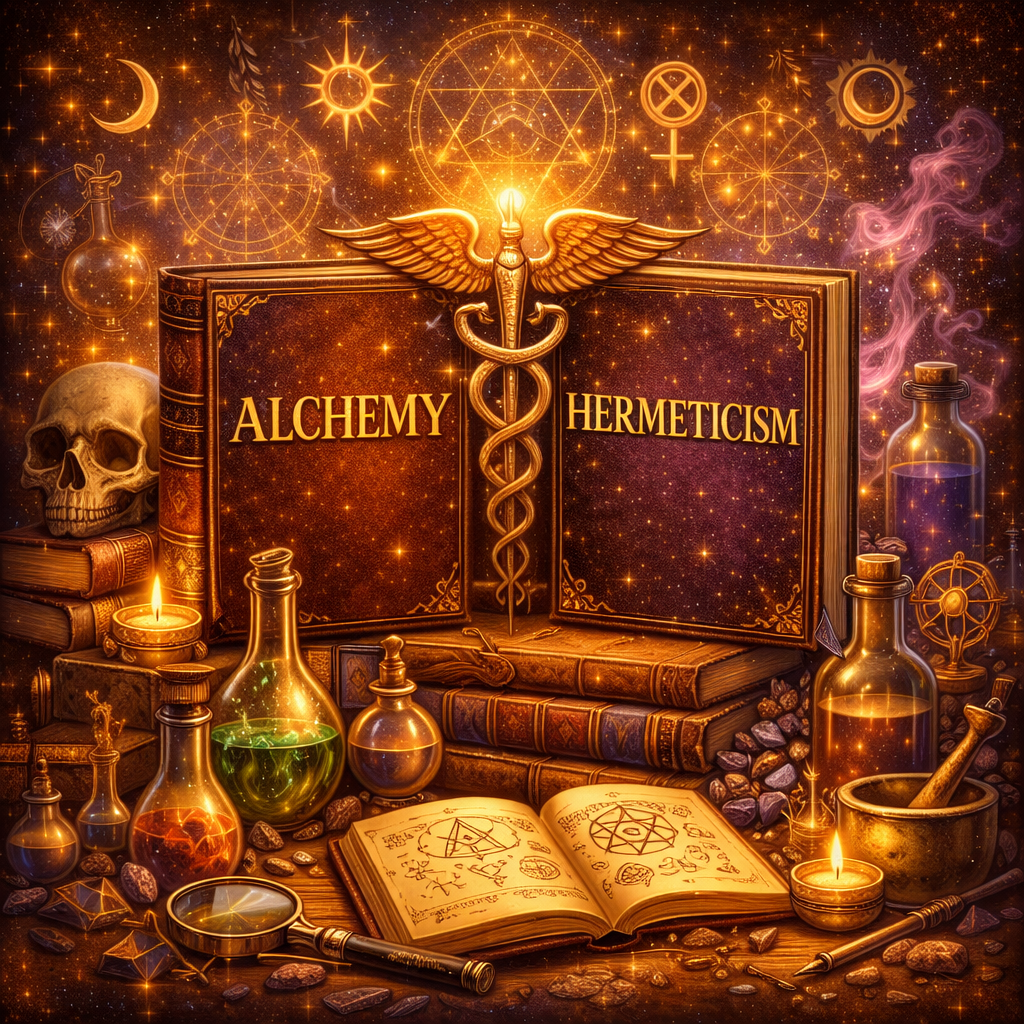

Review by Cassian Rothmann (Senior Critic, Ancient Wisdom) — Victoria C. Woodhull's 'The Elixir of Life' is a groundbreaking exploration of alchemy and hermeticism, offering readers a rare glimpse into the esoteric traditions that have long fascinated mystics and scholars alike. Woodhull's insights into the symbolism of life and death are both profound and accessible, making this book a must-read for those interested in the hidden knowledge that underpins our existence. Her work is particularly significant for its intersection with themes of sexual ethics and free love, adding a layer of social commentary that enriches the esoteric content. This book is essential reading for anyone seeking to deepen their understanding of the mystical arts.
📝 Description
61
Victoria C. Woodhull published 'The Elixir of Life, or, Why Do We Die?' in 1890, questioning the nature of mortality.
Victoria C. Woodhull's 1890 book examines the alchemical pursuit of immortality and its connection to self-knowledge. She addresses questions of life and death through a lens of spiritual and social reform, reflecting her own public life. Woodhull uses symbolic language to discuss mortality, drawing on traditions that sought physical and spiritual longevity. The text aims to illuminate these hidden connections for those interested in esoteric philosophy.
This work connects the historical quest for an elixir of life with deeper inquiries into the human condition. Woodhull’s writing encourages readers to consider philosophical ideas about existence and its cessation. It speaks to a desire to understand fundamental questions about why life ends, framed within an esoteric perspective. The book invites contemplation on the symbolic meanings behind our biological limitations.
This book fits within the esoteric tradition of spiritual alchemy, which often conflated the search for physical immortality with inner transformation. It draws on Hermetic principles that link macrocosmic processes (like cosmic cycles of life and death) to microcosmic ones (the individual's spiritual development). Woodhull's work engages with the idea that understanding mortality is key to unlocking deeper truths about existence, a common theme in occult philosophies that seek hidden knowledge beyond conventional scientific or religious frameworks.
💡 Why Read This Book?
Read 'The Elixir of Life' to uncover the hidden knowledge of alchemy and hermeticism, and to explore the profound philosophical questions surrounding life and death. Ideal for seekers, scholars, and practitioners of the mystical arts, this book offers a rich tapestry of symbolism and esoteric insights that will enrich your spiritual journey.
⭐ Reader Reviews
Honest opinions from readers who have explored this book.
❓ Frequently Asked Questions
What is the main theme of 'The Elixir of Life'?
The main theme revolves around the quest for eternal life and the esoteric knowledge that underpins our understanding of mortality.
Who is the intended audience for this book?
This book is intended for seekers of esoteric knowledge, scholars of alchemy and hermeticism, and spiritual practitioners.
What makes this book unique?
Woodhull's unique blend of ancient wisdom and contemporary insights, along with her exploration of sexual ethics and free love, sets this book apart.
Is this book suitable for beginners?
While it offers deep insights, beginners may find it challenging due to its rich esoteric content and symbolic language.
How does this book contribute to modern esoteric studies?
It provides a historical perspective on alchemy and hermeticism, offering modern practitioners valuable insights into ancient traditions.
🔮 Key Themes & Symbolism
Alchemy and Eternal Life
Woodhull examines the ancient art of alchemy, exploring its symbolism and the quest for the elixir of life, which promises immortality and spiritual enlightenment. This theme is rich with esoteric insights and hidden knowledge, inviting readers to contemplate the mystical aspects of life and death.
Symbolism of Life and Death
The book is filled with profound symbols that represent the journey from mortality to immortality. Woodhull's exploration of these symbols offers a deeper understanding of the human experience and the spiritual dimensions that lie beyond the physical realm.
Sexual Ethics and Free Love
Woodhull's examination of sexual ethics and the concept of free love adds a layer of social commentary to the esoteric content. This theme challenges traditional views and invites readers to consider the spiritual and ethical dimensions of human relationships.
💬 Memorable Quotes
Direct passages from the work, attributed to the author.
“The quest for eternal life is a journey into the depths of the soul.”
— Woodhull suggests that the search for immortality is not merely physical but also a spiritual quest.
“The symbol of the phoenix represents the cycle of life, death, and rebirth.”
— The phoenix is a powerful symbol of resurrection and the eternal nature of the soul.
“True freedom lies in the understanding of one's own desires.”
— Woodhull's exploration of free love emphasizes the importance of self-awareness and personal liberation.
💡 Key Ideas
Editorial paraphrase of the work's core concepts — not direct quotes.
Alchemy is the art of transforming the base into the divine.
This quote underscores the transformative power of alchemy, which seeks to elevate the human condition.
The elixir of life is within us, waiting to be discovered.
This quote suggests that the key to eternal life is an inner journey of self-discovery and spiritual enlightenment.
🌙 Esoteric Significance
Tradition
This book belongs to the Hermetic tradition, which emphasizes the pursuit of hidden knowledge and the transformation of the self. Hermeticism, with its roots in ancient Egypt and Greece, focuses on the alchemical process of purification and enlightenment.
Symbolism
Key symbols in the book include the phoenix, representing rebirth and immortality, and the elixir of life, symbolizing the quest for eternal youth and spiritual enlightenment. These symbols are rich with esoteric meaning and invite readers to explore their deeper significance.
Modern Relevance
Today, practitioners of alchemy and hermeticism continue to draw inspiration from Woodhull's work, using its insights to guide their own spiritual journeys. The book's exploration of sexual ethics and free love also appeals to modern discussions on personal liberation and self-awareness.
👥 Who Should Read This Book
Beginners may find the book challenging due to its dense esoteric content, but it is an invaluable resource for scholars and practitioners of alchemy and hermeticism. Spiritual seekers will appreciate the profound philosophical questions it raises, while practitioners will find practical insights into the alchemical process. This book is ideal for those who are already familiar with mystical traditions and seek to deepen their understanding.
📜 Historical Context
Published in the late 19th century, 'The Elixir of Life' reflects the era's fascination with spiritualism and esoteric knowledge. Victoria C. Woodhull, a prominent figure in the women's rights and spiritualist movements, wrote this book during a time of significant social and intellectual upheaval. Her work was influential in bridging the gap between ancient mystical traditions and contemporary social issues, making it an important text for both scholars and practitioners of the occult.
📔 Journal Prompts
Reflect on the symbolism of the phoenix in your own life. How does the concept of rebirth resonate with your personal journey?
Consider the alchemical process of transformation. What aspects of your life could benefit from purification and enlightenment?
Explore the idea of eternal life. What does immortality mean to you, and how might you achieve it spiritually?
Reflect on the concept of free love. How does it challenge traditional views of relationships, and what insights does it offer about personal liberation?
Think about the elixir of life. What inner resources do you possess that could lead you to spiritual enlightenment?
🗂️ Glossary
Alchemy
An ancient mystical tradition focused on the transformation of base materials into gold and the pursuit of eternal life.
Hermeticism
A philosophical and spiritual tradition based on the teachings of Hermes Trismegistus, emphasizing hidden knowledge and self-transformation.
Elixir of Life
A mythical substance believed to grant eternal life and youth, often sought after in alchemical practices.
Phoenix
A mythical bird that symbolizes rebirth and immortality, rising from its own ashes to live again.
Free Love
A social movement advocating for personal freedom in relationships, challenging traditional norms and promoting self-awareness.
This book appears in 3 collections
🔮 Readers Also Liked
Browse all →









More by Victoria C. Woodhull
All books →
From the “Hermeticism” Collection
View all →






![The Kybalion [A Study Of The Hermetic Philosophy Of Ancient Egypt And Greece].pdf (PDFy mirror)](/img/thumb/the-kybalion-a-study-of-the-hermetic-philosophy-of-ancient-egypt-and-greece-pdf-pdfy-mirror.webp)

More Free Alchemy & Hermeticism Books
View all →