✍️ Author Biography
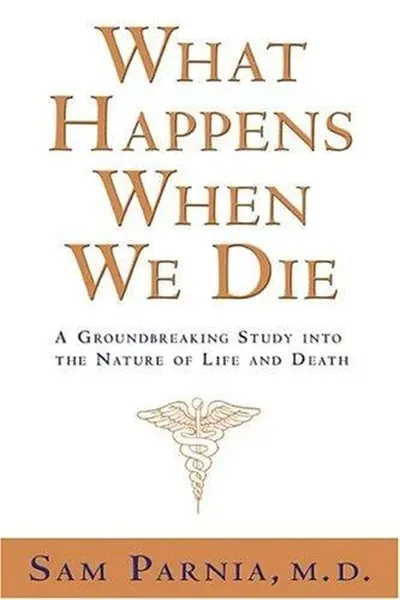
Sam Parnia
📚 3 free books
Sam Parnia leads research into consciousness during clinical death, notably the AWARE studies on near-death experiences.
Sam Parnia is the director of the Human Consciousness Project, an organization based at the University of Southampton dedicated to investigating consciousness, the human brain, and clinical death. This multidisciplinary initiative brings together scientists and physicians globally.
Parnia founded the project and spearheaded the AWARE (AWAreness during REsuscitation) study, a large-scale investigation involving over 1000 cardiac arrest survivors across European and American medical centers. The study aimed to explore aspects of consciousness during resuscitation, incorporating novel monitoring techniques and innovative tests, such as placing hidden images in resuscitation areas to potentially verify out-of-body experiences.
The initial findings of the AWARE study were published in 2014, revealing that a portion of cardiac arrest survivors reported experiences classifiable as near-death experiences, with some recalling specific details of their resuscitation. A subsequent, though not officially connected, AWARE II study was published in 2023.
The Human Consciousness Project and AWARE Study
Sam Parnia established and directs the Human Consciousness Project at the University of Southampton. This organization is a professional, multidisciplinary group of scientists and physicians from around the world who focus on studying the nature of consciousness, the human brain, and the experiences associated with clinical death. A significant undertaking by the project was the AWARE (AWAreness during REsuscitation) study, initiated in collaboration with numerous medical centers across Europe and America. This study aimed to recruit over a thousand survivors of cardiac arrest to investigate their experiences during resuscitation.
Investigating Near-Death Experiences
The AWARE study employed innovative research designs, including the strategic placement of images in resuscitation environments, intended to be visible only from a specific vantage point, to potentially confirm the existence of out-of-body awareness during clinical death. The first published results in 2014 indicated that a notable percentage of cardiac arrest survivors reported experiences that aligned with near-death phenomena. Some participants recalled events and details from their resuscitation period, with a small fraction meeting criteria for out-of-body experiences and demonstrating awareness of resuscitation procedures and equipment.
Key Ideas
- Studying consciousness during clinical death and resuscitation.
- Investigating the phenomenon of near-death experiences.
- Exploring the potential for out-of-body experiences during cardiac arrest.