✍️ Author Biography
Lin Carter
📅 1930 – 1988
🌍 American
📚 6 free books
⭐ Known for: The Wizard of Lemuria (1965)
Lin Carter was a prolific author and editor of science fiction and fantasy, known for his imitative style and work within the Cthulhu Mythos.
Lin Carter (1930–1988) was an American author, editor, and critic who significantly contributed to the science fiction and fantasy genres. He was particularly noted for his work within the Cthulhu Mythos and his role in editing the Ballantine Adult Fantasy series, which reintroduced classic fantasy works to a wider audience. Carter's writing career began after serving in the Army and attending Columbia University, transitioning to full-time writing in 1969 after years in advertising. He was a member of literary clubs like the Trap Door Spiders and the Swordsmen and Sorcerers' Guild of America (SAGA).
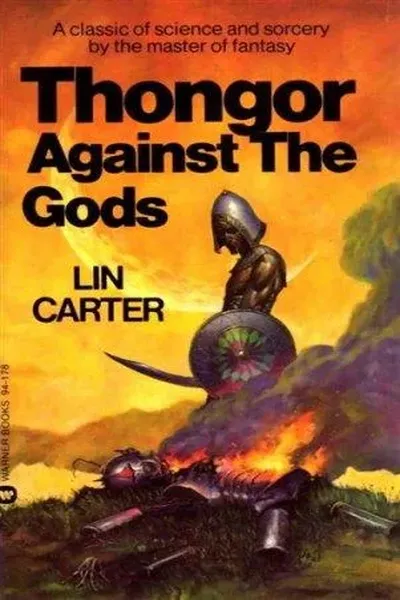
Carter's literary output was extensive, often imitative of authors he admired, such as Edgar Rice Burroughs, Robert E. Howard, and H. P. Lovecraft. His notable series include "Thongor the Barbarian," "Callisto," and "Zanthodon," designed as homages to established genre figures. He also engaged in "posthumous collaborations," completing unfinished works by authors like Robert E. Howard and Clark Ashton Smith. Despite critical assessments of his work as derivative, Carter's influence as an editor and his role in popularizing the fantasy genre are widely acknowledged. His later years were marked by declining health due to heavy smoking, leading to oral cancer and disfigurement, though he continued writing until his death.
Editorial Influence and Genre Revitalization
During the 1970s, Lin Carter served as the editor for the Ballantine Adult Fantasy series. This role was crucial in reintroducing readers to many classic fantasy novels that had previously been overlooked or were out of print. His efforts helped to establish fantasy as a more prominent and recognized genre. Carter also published his own fantasy fanzine, Kadath, named after H. P. Lovecraft's fictional setting, though its distribution was hampered by printing and binding issues. He was also a member of the Swordsmen and Sorcerers' Guild of America (SAGA), a group of heroic fantasy authors, and he anthologized some of their work in his "Flashing Swords!" series, further promoting the genre.
Literary Style and Homages
Carter's writing style was often characterized by its imitative nature, consciously drawing inspiration from authors he admired. He frequently identified his models, such as Edgar Rice Burroughs, Robert E. Howard, and James Branch Cabell, for his sword-and-planet and sword-and-sorcery novels. His "Thongor the Barbarian" series, for example, blended these influences. Other series, like "Callisto" and "Zanthodon," were direct tributes to Burroughs' "Barsoom" and "Pellucidar" works, respectively. He also paid homage to authors like Lord Dunsany with his "Simrana" stories and explored the "Cthulhu Mythos" of H. P. Lovecraft in his horror fiction. This tendency towards pastiche led some critics to describe his work as derivative, yet it also cemented his connection to the pulp traditions he celebrated.
Exploration of Esoteric Themes and Mythos
Lin Carter engaged deeply with the "Cthulhu Mythos" created by H. P. Lovecraft, writing numerous stories set within this universe. These stories, many collected in "The Xothic Legend Cycle," explored themes of cosmic horror and forbidden lore. He also crafted stories in tribute to Lord Dunsany's "dreamlands." Carter was not hesitant to critique organized religion in his fiction, often portraying it as oppressive and featuring heroes who escaped its institutions. His "posthumous collaborations" with authors like Robert E. Howard and Clark Ashton Smith involved completing unfinished works or creating new stories based on their fragments, often weaving in elements of the Mythos and other esoteric traditions.
Key Ideas
- Imitation and homage as a literary technique
- Revitalization of classic fantasy literature through editing
- Exploration of H.P. Lovecraft's Cthulhu Mythos
- Critique of organized religion in fiction
- Posthumous literary collaborations