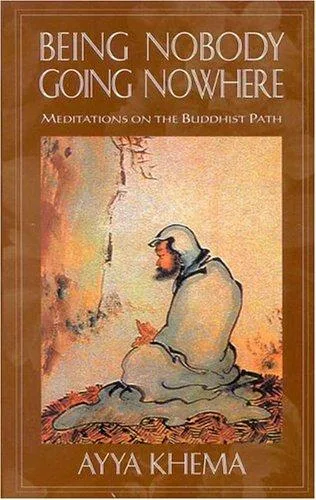
Ayya Khema
Ayya Khema was a Buddhist nun and author known for her teachings on early Buddhism and meditation.
Ayya Khema was a prominent Buddhist nun and author recognized for her contributions to the study and practice of Buddhism, particularly in the West. Born in Germany, she later became a nun in the Theravada tradition. Her teachings emphasized the practical application of Buddhist principles, focusing on meditation and the understanding of early Buddhist teachings before the development of various sects.
She played a significant role in establishing Buddhist centers and communities, making Buddhist philosophy and practice accessible to a wider audience. Ayya Khema authored several books that explored core Buddhist concepts, often drawing from the Pali Canon and the teachings of the early Buddhist period. Her work aimed to present the essence of the Buddha's teachings in a clear and relatable manner for contemporary practitioners.
Early Buddhist Teachings
Ayya Khema's work often focused on the foundational aspects of Buddhism, particularly the period before the major sectarian divisions. This era, often referred to as Early Buddhism, is primarily represented by the surviving Theravada school. Her teachings aimed to illuminate the original teachings of the Buddha as understood in this earliest phase. She emphasized the study of these foundational texts and practices as a means to understand the core of Buddhist philosophy and its path to liberation.
Theravada Buddhism and Meditation
As a respected figure within the Theravada tradition, Ayya Khema was instrumental in bringing its teachings and practices to Western audiences. Her approach often highlighted the importance of meditation as a central tool for spiritual development and insight. She guided practitioners in understanding the path to enlightenment as laid out in the Theravada canon, emphasizing mindfulness, concentration, and wisdom. Her extensive writings and teachings provided accessible guidance for those seeking to engage deeply with the Theravada path.
Key Ideas
- Focus on Early Buddhism
- Practical application of Buddhist principles
- Importance of meditation
- Theravada tradition
Books by Ayya Khema
2 free public domain books · Read online or download