Yoga mala
 71
71

Yoga mala
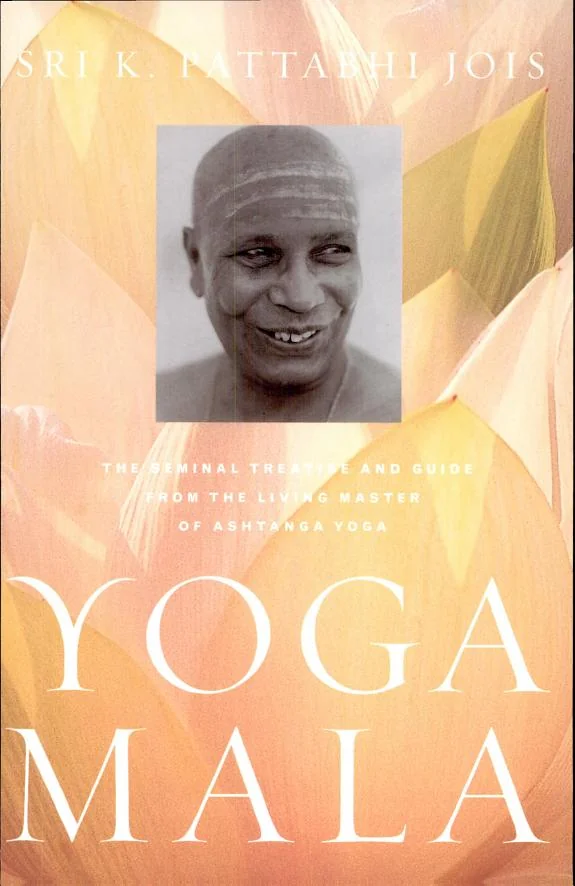
Yoga Mala offers a stark, unadorned presentation of Sri K. Pattabhi Jois's Ashtanga Vinyasa system. Its strength lies in its directness; the sequences are laid out with an almost architectural precision, leaving little room for interpretation about the intended form. One finds this clarity particularly in the detailed exposition of the vinyasa transitions between postures, which are the lifeblood of the system. However, the book's limitation is its inherent austerity. Lacking extensive philosophical commentary or historical background, it functions purely as a structural guide. A practitioner seeking the subtler energetic or philosophical underpinnings might find it incomplete. The descriptions of the bandhas, while present, could benefit from more nuanced explanation beyond their physical engagement. Ultimately, Yoga Mala serves as an authoritative, albeit dry, blueprint for the Ashtanga method.
📝 Description
71
Published in 2017, Yoga Mala details the Ashtanga Vinyasa Yoga system as taught by Sri K. Pattabhi Jois.
This book presents the Ashtanga Vinyasa Yoga system, as transmitted by Sri K. Pattabhi Jois. It maps out the specific sequences of postures, the synchronized breath and movement known as vinyasa, and the internal locks (bandhas) and gazing points (drishti) that characterize this demanding practice. Yoga Mala functions as a practical guide, laying down the exact order and approach for each of the Ashtanga series.
The text is aimed at serious practitioners of Ashtanga Vinyasa Yoga, especially those working with the Primary, Second, or Third Series. Students who wish to gain a deeper understanding of the system's structure and internal alignment will find it useful. Ashtanga teachers can also use it as a reliable reference for instruction and for preserving the practice's integrity.
Sri K. Pattabhi Jois (1915-2009) was key in popularizing Ashtanga Vinyasa Yoga globally from the late 20th century. His teachings, which drew from the Yoga Korunta text, formed the foundation of this dynamic style. Yoga Mala was first published in 2017, after Jois had already established his Mysore shala and achieved international recognition.
The Ashtanga Vinyasa system, as detailed in Yoga Mala, is rooted in the Yoga Korunta, a text of debated origin attributed to Vamana Rishi. This tradition emphasizes a dynamic, flowing sequence of postures (asanas) unified by breath (vinyasa). The practice cultivates internal heat and energy through precise sequences, breath control (Ujjayi), energy locks (bandhas), and focused gaze (drishti). This methodical approach aims at purifying the body and mind, leading to a heightened state of awareness and physical discipline.
💡 Why Read This Book?
• Understand the precise sequencing of Ashtanga Vinyasa Yoga's Primary Series, as codified by Sri K. Pattabhi Jois, allowing for a more accurate personal practice. • Grasp the specific role of vinyasa in linking postures, a core element of the Ashtanga method that differentiates it from static yoga styles. • Learn the concept of Drishti (gazing point) for each posture, as detailed in the text, to cultivate focused attention and internal energetic coherence.
⭐ Reader Reviews
Honest opinions from readers who have explored this book.
❓ Frequently Asked Questions
What is the Ashtanga Vinyasa Yoga system as presented in Yoga Mala?
Yoga Mala details the Ashtanga Vinyasa Yoga system, a dynamic practice developed by Sri K. Pattabhi Jois. It involves synchronized breath (Ujjayi) with movement (vinyasa) through a set sequence of postures, incorporating internal energy locks (bandhas) and focused gaze points (drishti).
Who is Sri K. Pattabhi Jois?
Sri K. Pattabhi Jois (1915-2009) was a renowned Indian yoga teacher who popularized the Ashtanga Vinyasa Yoga system globally from the late 20th century. He established his Ashtanga Yoga Research Institute in Mysore, India.
What are the 'series' mentioned in Yoga Mala?
The 'series' refer to the progressively ordered sequences of postures within the Ashtanga Vinyasa system. Yoga Mala primarily outlines the Primary Series, with references to the Second and Third Series, each building upon the previous one in complexity and intensity.
What is 'vinyasa' in the context of Yoga Mala?
Vinyasa, as explained in Yoga Mala, is the system of flowing movement that links one posture to the next. It incorporates Ujjayi breath, Mula Bandha, Uddiyana Bandha, and Drishti, creating a continuous, energetic practice.
Is Yoga Mala a beginner's guide to yoga?
While it outlines the foundational Primary Series, Yoga Mala is best suited for practitioners already familiar with yoga basics and seeking to engage with the specific Ashtanga Vinyasa method taught by Sri K. Pattabhi Jois. It assumes a certain level of physical conditioning and dedication.
What is the significance of Drishti in this book?
Drishti refers to the specific gazing point for each posture, as meticulously detailed in Yoga Mala. Practicing these specific gazes is considered crucial in Ashtanga Vinyasa for developing concentration and internal energetic focus.
🔮 Key Themes & Symbolism
Ashtanga Vinyasa Structure
The book meticulously lays out the structural framework of Ashtanga Vinyasa Yoga, emphasizing the precise order of postures and the essential linking movements. This systematic approach is key to the Ashtanga method, distinguishing it from more fluid or customizable yoga practices. The text acts as a definitive guide to the physical architecture of the Primary, Second, and Third Series, detailing the exact transitions that define the practice's energetic flow and physical demands.
The Role of Vinyasa
Central to the Ashtanga system presented in Yoga Mala is the concept of vinyasa. This is not merely a transition but a specific sequence of movements and breath that imbues the practice with its unique dynamism. The text illustrates how vinyasa synchronizes Ujjayi breath, internal locks (bandhas), and gaze points (drishti) to create a continuous, meditative flow, building internal heat and purifying the body and mind.
Bandhas and Drishti
Yoga Mala highlights the critical importance of internal energetic locks, or bandhas (Mula Bandha and Uddiyana Bandha), and focused gazing points, or drishti. These elements are presented as integral to harnessing and directing the body's vital energy (prana) during the practice. The text specifies the application of these internal techniques within each posture and transition, guiding the practitioner towards deeper energetic awareness and control.
Progressive Series
The book details the progressive nature of Ashtanga Vinyasa Yoga through its distinct series. Each series, starting with the Primary Series, introduces a specific set of postures and vinyasas designed to prepare the practitioner for the next level of challenge. This methodical progression is designed for gradual physical and mental development, ensuring that practitioners build a strong foundation before advancing.
💬 Memorable Quotes
Direct passages from the work, attributed to the author.
“The Vinyasa is the bridge between the postures.”
— This statement underscores the fundamental role of vinyasa in Ashtanga Yoga. It's not just a way to get from one pose to another, but the essential connecting element that creates the practice's unique flow and energetic coherence.
“Ujjayi breath generates internal heat.”
— This highlights the physiological effect of the Ujjayi breath technique, a central to Ashtanga. The generated heat is believed to purify the body and facilitate deeper flexibility and release within the postures.
“Mula Bandha and Uddiyana Bandha must be engaged throughout.”
— This emphasizes the continuous activation of these core energy locks. Their consistent engagement is crucial for stabilizing the spine, directing energy upward, and supporting the body's internal mechanisms during the demanding sequences.
“Drishti is the focus of the mind.”
— This interpretation points to the psychological and meditative aspect of the practice. By fixing the gaze on a specific point, the mind is steadied, reducing distractions and enhancing concentration during the physical exertion.
“Practice, practice, practice all is coming.”
— This is a well-known adage associated with Pattabhi Jois, encapsulating the philosophy of persistent effort. It suggests that dedication and consistent practice, without attachment to immediate results, will eventually lead to mastery and understanding.
🌙 Esoteric Significance
Tradition
Yoga Mala is situated within the Hatha Yoga tradition, specifically a dynamic and systematized lineage that emphasizes the physical body as a vehicle for spiritual development. While not overtly mystical in its presentation, the Ashtanga Vinyasa system, as detailed in the book, operates on esoteric principles of internal energy cultivation (prana) through breath control (pranayama), posture (asana), and energetic locks (bandhas), aiming for purification and eventual liberation.
Symbolism
The primary symbols within Yoga Mala are functional rather than purely representational. The Ujjayi breath, with its oceanic sound, symbolizes the inner ocean of consciousness. The bandhas (Mula and Uddiyana) represent the energetic gateways and control mechanisms within the subtle body. Drishti, the focused gaze, symbolizes the directed will and the mastery of sensory input, crucial for internalizing awareness.
Modern Relevance
Contemporary Ashtanga practitioners worldwide continue to draw directly from the teachings codified in Yoga Mala. Modern yoga schools and influential teachers, often trained directly or indirectly by Jois's lineage, rely on this text for maintaining the integrity of the practice. Its structured approach also informs discussions on sequencing and energetic alignment in various contemporary yoga styles, even those that have diverged from strict Ashtanga.
👥 Who Should Read This Book
• Dedicated Ashtanga Vinyasa Yoga practitioners seeking to understand the precise structure and methodology of the Primary Series and beyond. • Yoga teachers aiming to deepen their knowledge of the Ashtanga system's sequencing, vinyasa, and internal energetic principles for informed instruction. • Students of comparative yoga studies interested in the historical development and systematic approach of a globally influential yoga lineage.
📜 Historical Context
Sri K. Pattabhi Jois (1915-2009) became a central figure in the dissemination of yoga in the late 20th century, particularly through his Ashtanga Vinyasa system. While Yoga Mala was published in 2017, its content reflects decades of Jois's teaching, primarily from his base in Mysore, India. His method drew heavily from the purported ancient text, the Yoga Korunta, a source whose exact provenance and age remain subjects of scholarly discussion, but which provided the blueprint for his structured sequences. Jois's work gained significant traction in the West, partly influenced by contemporaries and students like K. Krishnamacharya (Jois's own teacher), who was also exploring traditional yoga lineages. Jois's approach, with its emphasis on fixed sequences and vigorous physical exertion, presented a distinct alternative to the more therapeutic or meditative styles prevalent at the time, such as those taught by B.K.S. Iyengar, another student of Krishnamacharya, who focused on precise alignment and the use of props.
📔 Journal Prompts
The application of Mula Bandha during the standing sequence.
The energetic effect of the Ujjayi breath in the Sun Salutations.
How the Drishti for Padmasana focuses the practitioner's attention.
The sequence of vinyasa transitions between seated postures.
The role of Uddiyana Bandha in supporting backbends.
🗂️ Glossary
Asana
A physical posture or pose in yoga, intended to be held for a period to cultivate strength, flexibility, and awareness.
Vinyasa
A system of synchronized breath and movement that links postures together, creating a continuous flow. It includes specific sequences of inhales and exhales with corresponding movements.
Ujjayi Breath
A specific yogic breathing technique characterized by a gentle constriction of the throat, producing an audible 'oceanic' sound. It helps regulate breath, build internal heat, and focus the mind.
Mula Bandha
The root lock, an energetic seal created by contracting the muscles of the pelvic floor. It is engaged to lift and direct vital energy upwards.
Uddiyana Bandha
The abdominal lock, created by drawing the abdomen inwards and upwards. It is engaged to support the spine, manage internal organs, and direct energy.
Drishti
The focused gaze point for each posture or transition in Ashtanga Vinyasa Yoga, used to cultivate concentration and internal awareness.
Surya Namaskara
Sun Salutation, a series of postures performed in a flowing sequence, typically used as a warm-up in Ashtanga Vinyasa Yoga. There are typically A and B variations.
🔮 Readers Also Liked
Browse all →









More by Sri K. Pattabhi Jois
All books →

More Free Occult Philosophy Books
View all →