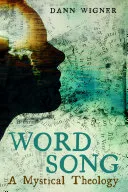
Word Song
 71
71

Word Song
Dann Wigner’s "Word Song" offers a much-needed bridge for Christians grappling with the ineffable aspects of faith. The book's strength lies in its elegant revival of "sayings theology," a method that cuts through the often-impenetrable thickets of academic theology. By presenting these concise, reflective statements, Wigner provides a practical toolkit for integrating direct spiritual encounters with a traditional framework. The limitation, however, is that the very nature of "sayings" can sometimes feel abrupt, requiring significant personal contemplation to fully unpack. A particularly resonant passage discusses the "pause" that sayings create, which he posits is the fertile ground for nondiscursive understanding. While the work admirably situates itself within Christian contemplative practice, it occasionally feels like it could benefit from more explicit engagement with contemporary nondual thinkers outside that tradition. Nevertheless, "Word Song" is a valuable resource for contemplative practitioners seeking theological grounding for their direct experiences.
📝 Description
71
Dann Wigner's 2023 book revives 'sayings theology' for contemporary Christian contemplation.
Dann Wigner's "Word Song" collects aphorisms and reflections that connect direct spiritual experience with theological understanding. The book revives 'sayings theology,' an ancient method of cultivating contemplative pauses. These pauses are meant to lead practitioners toward nondiscursive comprehension, offering a path for those interested in nondual thought within Christianity.
This work is aimed at Christians who wish to reconcile nondual experiences and contemplative practices with their theological views. It offers a practical resource for those who find standard theological language inadequate for their spiritual encounters. Readers interested in the history of Christian spirituality and contemplative prayer traditions will find value here.
The core idea is 'sayings theology,' using brief statements to encourage reflection and nondiscursive insight. This method contrasts with discursive theology's reliance on logical argument. The book seeks to create space for 'nondiscursive experience,' a direct spiritual apprehension that bypasses rational thought, while situating these experiences within a Christian framework.
"Word Song" engages with the tradition of 'sayings theology,' a practice with roots in early Christian monasticism. This method employed short, direct statements to guide monks and ascetics toward deeper spiritual insight. The book's contemporary resurgence of this approach reflects a modern desire for more embodied and experiential forms of faith, moving beyond purely intellectual assent. It connects this ancient practice to contemporary Christian contemplation and nondual thought.
💡 Why Read This Book?
• Gain practical tools for theological reflection: Learn to use "sayings theology," as presented in the book, to pause and foster nondiscursive understanding, specifically within a Christian context. • Understand the theological framing of nondual experience: Discover how the book helps situate direct spiritual encounters within traditional Christian discourse, moving beyond purely intellectual approaches. • Explore the contemplative practice of "sayings": Engage with a method revived from early Christian monasticism, offering a unique way to deepen your spiritual practice through concise, reflective statements.
⭐ Reader Reviews
Honest opinions from readers who have explored this book.
❓ Frequently Asked Questions
What is "sayings theology" as presented in Dann Wigner's "Word Song"?
"Sayings theology" is an ancient Christian practice revived in "Word Song." It uses short, aphoristic statements to encourage pauses for reflection, thereby opening the mind to nondiscursive spiritual insights and experiences.
How does "Word Song" help Christians connect with nondual experiences?
The book provides practical "sayings" designed to help Christians frame and understand their direct, nondual spiritual experiences theologically, offering a bridge between lived experience and traditional doctrine.
What is the historical origin of "sayings theology"?
The practice of "sayings theology" has roots in early Christian monasticism, where short sayings were used as spiritual guides for ascetics and monks seeking deeper contemplation and insight.
Is "Word Song" suitable for beginners in Christian contemplation?
Yes, the book's approach is accessible, offering a gentle introduction to contemplative practices and the theological integration of direct spiritual experiences for those new to these methods.
What distinguishes "Word Song" from other books on Christian spirituality?
Its unique focus on "sayings theology" as a practical tool for integrating nondiscursive experience with traditional Christian discourse sets it apart, offering a specific methodology often overlooked in contemporary spiritual literature.
When was "Word Song" first published?
"Word Song" by Dann Wigner was first published on June 29, 2023, making it a contemporary exploration of ancient spiritual practices.
🔮 Key Themes & Symbolism
Sayings Theology as a Spiritual Tool
The core of "Word Song" is the practical application of "sayings theology." Wigner presents this ancient method not merely as historical artifact but as a living practice. These concise sayings are crafted to interrupt the habitual discursive mind, creating a "pause" that is fertile ground for spiritual insight. The book argues that by engaging with these brief statements, practitioners can bypass intellectual barriers and open themselves to direct, nondiscursive apprehension of spiritual truths, particularly within the Christian tradition.
Bridging Nondiscursive Experience and Theology
A central aim of the book is to provide a theological framework for those who have had direct, nondual spiritual experiences but struggle to articulate or understand them within their faith. Wigner addresses the scarcity of practical tools for Christians interested in nondual thought. "Word Song" offers a way to situate these profound, often ineffable encounters within the established discourse of Christian theology, validating personal experience through reflective contemplation.
The Contemplative Pause
The concept of the "pause" is critical to Wigner's approach. He posits that the sayings themselves are catalysts for this pause, a space of stillness where the ordinary flow of thought ceases. This deliberate interruption is not an end in itself but a gateway. It is within this contemplative void that nondiscursive understanding can arise, allowing for a deeper, more intuitive connection to the divine that traditional theological language alone cannot convey.
Revival of Ancient Christian Practices
By focusing on "sayings theology," "Word Song" participates in a broader contemporary movement to rediscover and reintegrate ancient spiritual practices into modern religious life. This method, historically linked to early Christian ascetics and mystics, is presented as a potent antidote to the intellectualism that can sometimes dominate contemporary religious discourse. The book champions the efficacy of these older forms of spiritual guidance for contemporary seekers.
💬 Memorable Quotes
Direct passages from the work, attributed to the author.
“Sayings theology aims to cause one to pause and reflect.”
— This highlights the active, intentional nature of the practice. It's not passive reception but a deliberate cultivation of stillness designed to facilitate deeper spiritual awareness.
“Nondiscursive experience meets traditional, discursive theology.”
— This captures the book's core project: bridging the gap between direct, intuitive spiritual knowing and established, rational theological frameworks, offering a unified approach.
“Practical tools that exist to help them situate themselves and their experiences theologically.”
— This points to the book's utility. It's not just theoretical but offers concrete methods for individuals to understand their spiritual encounters within their faith tradition.
“An old form of Christian spiritual theology.”
— This emphasizes the historical lineage of the method presented, grounding its contemporary relevance in ancient wisdom and practice within Christianity.
“Opens the door to invite in nondiscursive thinking.”
— This metaphor suggests that the practice of pausing via sayings acts as an invitation, creating an accessible entry point for spiritual insights that transcend logical thought.
🌙 Esoteric Significance
Tradition
The work aligns with the contemplative and mystical streams within Christianity, particularly drawing from early monastic traditions and certain strains of Gnostic thought that emphasize direct, intuitive knowledge over dogma. It revives "sayings theology," an esoteric practice focused on cultivating inner stillness and direct apprehension of spiritual reality, bypassing the discursive intellect.
Symbolism
While not overtly symbolic in a narrative sense, the "saying" itself functions as a potent symbol. It represents a point of spiritual focus, a seed of divine wisdom intended to germinate in the mind. The "pause" it engenders symbolizes the void or contemplative space where direct experience of the divine can occur, a common motif in mystical traditions.
Modern Relevance
Contemporary seekers interested in integrating contemplative practices with their faith, particularly within Christianity, find "Word Song" valuable. It appeals to movements exploring Christian nondualism and those looking for alternatives to purely academic theological study, potentially influencing spiritual directors and contemplative group leaders.
👥 Who Should Read This Book
['• Christian practitioners seeking to integrate nondual experiences: Individuals who have had direct spiritual encounters and wish to understand them theologically within their faith tradition.', '• Students of contemplative spirituality: Those interested in historical Christian contemplative methods and practical tools for deepening their prayer life and spiritual awareness.', '• Comparative religion scholars: Researchers examining the intersection of Christian mysticism, nondualism, and ancient spiritual practices seeking to understand "sayings theology."']
📜 Historical Context
Published in 2023, Dann Wigner's "Word Song" emerges in an era marked by a renewed interest in contemplative spirituality and nondualism across various religious traditions. The book taps into a lineage of Christian spiritual theology that emphasizes direct experience over purely intellectual assent. Its core methodology, "sayings theology," has historical precedents in early Christian monasticism, particularly among desert fathers and mystics who used pithy sayings (logia) to guide practitioners towards deeper spiritual awareness. This contrasts with the highly scholastic and discursive theological traditions that dominated Western Christianity for centuries. While thinkers like Meister Eckhart explored mystical experiences, the practical, accessible integration of nondualism into mainstream Christian practice has often been less emphasized. "Word Song" revives an older, more experiential approach, offering a counterpoint to contemporary academic theology and providing a bridge for those seeking to reconcile lived spiritual encounters with their faith, potentially engaging with a contemporary audience seeking alternatives to the more prevalent Zen or Advaita Vedanta approaches to nonduality.
📔 Journal Prompts
The practice of "sayings theology" and its effect on your contemplative pauses.
Reflecting on the concept of "nondiscursive experience" within your spiritual journey.
How does the "pause" created by a saying offer a different path to understanding than discursive thought?
Situating your own spiritual experiences theologically using the book's approach.
The role of ancient Christian practices in contemporary spiritual life.
🗂️ Glossary
Sayings Theology
An ancient form of Christian spiritual theology that uses concise statements (sayings) to foster reflection, encourage pauses, and facilitate nondiscursive spiritual insight.
Nondiscursive Experience
A direct, intuitive, or immediate apprehension of spiritual reality that bypasses rational thought processes and logical argumentation.
Discursive Theology
Theological study and understanding that relies on logical reasoning, argumentation, and systematic analysis, as opposed to direct spiritual experience.
Theological Framing
The process of contextualizing spiritual experiences within the established doctrines, beliefs, and language of a specific religious tradition, in this case, Christianity.
Contemplative Pause
A deliberate moment of stillness and silence cultivated through spiritual practice, intended to create space for deeper awareness and spiritual insight.
Logia
A Greek term for 'sayings' or 'words,' often referring to the collected sayings of spiritual masters, particularly in early Christian monastic traditions.
Nondual Thought
A philosophical or spiritual perspective that posits the ultimate oneness or lack of fundamental separation between seemingly distinct realities, such as the divine and the human.