Wie Zen-Meditation mein Christsein verändert
 82
82

Wie Zen-Meditation mein Christsein verändert
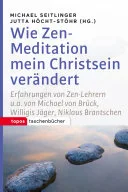
Michael Seitlinger and Jutta Höcht-Stöhr’s collection, *Wie Zen-Meditation mein Christsein verändert* (How Zen Meditation Changed My Christianity), arrives at a moment when the lines between spiritual traditions have become increasingly permeable. The strength of this volume lies in its direct, unvarnished accounts from Christians who have found Zen practices to be an unexpected wellspring for their faith. One particularly compelling thread is the exploration of how the stillness cultivated in zazen can open new avenues for experiencing the presence of God, a concept that avoids platitudes. However, the book occasionally feels like it could benefit from more critical engagement with potential theological divergences, rather than solely focusing on the positive integration. The discussion around the concept of emptiness (sunyata) as it relates to Christian nothingness, for instance, is present but could be more deeply interrogated. Ultimately, this is a valuable collection for those seeking practical, lived examples of interfaith spiritual synergy.
📝 Description
82
Published in 2016, this book shares Christian experiences of deepened faith through Zen meditation.
This volume collects personal accounts from Christians who found their faith enriched by practicing Zen meditation. It addresses the growing perception of Eastern contemplative methods not as opposing doctrines, but as potentially complementary to Christian spiritual life. The book features candid testimonies from individuals within Christian traditions, detailing their direct encounters with Zen.
It is written for Christians interested in incorporating contemplative practices from other traditions into their existing faith. Those drawn to comparative religion, particularly the overlap between Christianity and Eastern spiritual disciplines, will find it relevant. Readers hoping to grasp how external practices can influence internal spiritual development will discover value within these pages.
This book appears within a late 20th and early 21st-century spiritual trend favoring interreligious dialogue and the adoption of non-Western practices by Western adherents. This movement saw figures like Thomas Merton engaging with Eastern thought, which helped create space for works that examine the practical integration of Zen within a Christian context. It moves beyond theoretical comparison toward lived experience, reflecting a wider interest in finding common ground between disparate spiritual paths.
💡 Why Read This Book?
• Gain practical understanding of how Zen's focus on present moment awareness, a concept explored throughout the book, can deepen Christian prayer. • Discover concrete examples from Christian practitioners who, since 2016, have reported enhanced spiritual lives through Zen, offering a unique perspective beyond theoretical texts. • Learn how the discipline of zazen, a core Zen practice mentioned, can be integrated to foster a more profound personal connection to one's Christian faith.
⭐ Reader Reviews
Honest opinions from readers who have explored this book.
❓ Frequently Asked Questions
When was 'Wie Zen-Meditation mein Christsein verändert' first published?
The book was first published on January 21, 2016, reflecting a contemporary interest in the integration of Eastern spiritual practices within Western religious traditions.
Who are the authors of 'Wie Zen-Meditation mein Christsein verändert'?
The book is authored by Michael Seitlinger and Jutta Höcht-Stöhr, bringing together insights on Christian spirituality and Zen practice.
What is the main theme of 'Wie Zen-Meditation mein Christsein verändert'?
The central theme is how Christians have found their faith deepened and enriched through the practice of Zen meditation, viewing it as a complement rather than a competition.
Does the book suggest replacing Christian prayer with Zen meditation?
No, the book emphasizes that Zen meditation is presented as a way to *deepen* existing Christian faith and prayer, not to replace it.
What kind of Christian individuals are featured in the book?
The book features well-known personalities within Christian spirituality who credibly report on their experiences with Zen meditation.
What is the primary benefit for a Christian reader of this book?
Readers can learn how to integrate contemplative practices like Zen meditation to foster a more present and profound experience of their own Christian faith.
🔮 Key Themes & Symbolism
Faith Enrichment Through Contemplation
This work highlights how contemplative practices, specifically Zen meditation, are perceived by some Christians not as foreign intrusions but as potent tools for deepening their existing faith. The book posits that the stillness and present-moment awareness cultivated in Zen can offer a new lens through which to experience the divine, thereby enriching Christian life. It moves beyond theoretical discussions to present lived experiences of individuals who found their connection to God amplified through these practices.
Interreligious Dialogue in Practice
The book embodies a practical approach to interreligious dialogue, showcasing how elements from Eastern spiritual traditions can be harmoniously integrated into a Western Christian framework. It challenges the notion of religious exclusivity by demonstrating how different paths can lead to a more comprehensive understanding and experience of spirituality. The accounts suggest a growing acceptance and appreciation of diverse contemplative methods within contemporary Christianity.
The Role of Meditation in Spiritual Depth
Central to the book is the exploration of meditation, particularly Zen's zazen, as a discipline that fosters spiritual depth. It suggests that the structured practice of meditation can cultivate inner peace, mindfulness, and a heightened sense of awareness, which in turn can inform and intensify one's religious devotion. The book offers personal narratives illustrating how these meditative states translate into a more vibrant and grounded Christian existence.
Personal Testimonies of Integration
The core of the book consists of personal testimonies from Christian figures who have embraced Zen meditation. These accounts serve as the primary evidence for the book's central thesis, providing relatable and credible examples of spiritual integration. By sharing their journeys, the contributors offer a model for how individuals can thoughtfully incorporate cross-cultural spiritual practices into their lives without compromising their core beliefs.
💬 Memorable Quotes
Direct passages from the work, attributed to the author.
“Christians understand other religions not as competition, but as enrichment.”
— This statement reflects a modern, inclusive approach to spirituality where diverse traditions are seen as potential sources of growth and deeper understanding, rather than as threats to one's own belief system.
“The practice of Zen meditation led to the deepening of their own faith.”
— This concept highlights the transformative potential of contemplative practices from different cultures, suggesting that engaging with Zen can enhance, rather than diminish, a person's existing Christian spiritual life.
“Eastern religions and their meditation practices are highly valued.”
— This points to a growing appreciation and acceptance within some Christian circles for the wisdom and techniques found in Eastern spiritual traditions, particularly their meditative disciplines.
“Credible reports on how Zen meditation deepened Christian faith.”
— The book relies on the authentic experiences of known Christian figures to validate its premise, offering tangible examples of how Zen practice has positively impacted their spiritual journey.
“Zen meditation as a complement to Christian God-experience.”
— This framing positions Zen not as a replacement but as a supportive practice that can offer new ways for Christians to connect with and experience their understanding of the divine.
🌙 Esoteric Significance
Tradition
While not explicitly belonging to a single esoteric lineage like Hermeticism or Kabbalah, this work engages with practices often found within esoteric traditions, particularly those emphasizing contemplative and mystical paths. It aligns with the broader esoteric principle of universal spirituality, suggesting that core truths and transformative methods can be accessed across diverse religious expressions. The book implicitly participates in the modern esoteric movement's interest in bridging Eastern and Western spiritual disciplines.
Symbolism
The primary 'symbol' explored is the practice of meditation itself, particularly Zen's zazen, representing stillness, presence, and the direct experience of the divine or ultimate reality. The act of sitting in meditation can symbolize a turning inward, away from the external world, to confront the self and connect with a deeper spiritual dimension, a motif resonant in many mystical traditions. The concept of 'emptiness' (sunyata) from Buddhism, when discussed in relation to Christian concepts of divine transcendence or humility, also functions symbolically.
Modern Relevance
This work remains relevant for contemporary Christian contemplative communities, mindfulness practitioners, and those engaged in comparative spirituality. Thinkers and groups exploring the intersection of psychology, neuroscience, and contemplative practice find value in the book's real-world examples. It informs current discussions on secular mindfulness, demonstrating its roots in religious traditions, and provides a model for how individuals can maintain their religious identity while exploring cross-cultural spiritual techniques.
👥 Who Should Read This Book
• Christians interested in contemplative practices: Readers seeking to deepen their prayer life and spiritual connection through methods like Zen meditation will find practical guidance and relatable experiences. • Students of comparative religion: Those studying the interplay between Western and Eastern spiritual traditions will benefit from concrete examples of integration and dialogue. • Individuals exploring mindfulness: People curious about the origins and spiritual applications of mindfulness techniques will discover how these practices can inform religious devotion.
📜 Historical Context
Published in 2016, *Wie Zen-Meditation mein Christsein verändert* emerges from a period of increasing interreligious engagement and the popularization of Eastern contemplative practices in the West. This trend gained momentum from the mid-20th century onwards, notably with figures like Thomas Merton, a Trappist monk who explored dialogue with Buddhism. The book reflects a contemporary spiritual landscape where individuals actively seek to synthesize diverse traditions, moving beyond the confines of a single religious or cultural framework. Unlike earlier, more academic or polemical approaches to comparing Christianity and Buddhism, this work focuses on personal, lived experience. It represents a generation of spiritual seekers for whom religious boundaries are less rigid, and the pursuit of spiritual depth often involves drawing from multiple sources. The reception of such works indicates a growing segment of the Christian population open to integrating practices like Zen meditation, viewing them as compatible with, and even enhancing, their core faith.
📔 Journal Prompts
The Christian understanding of God-experience as potentially enriched by Zen meditation.
Personal reflections on the concept of 'enrichment' from other religions within one's own faith.
How the practice of stillness, central to zazen, might influence your approach to Christian prayer.
Identifying specific moments where Zen meditation practices could offer a new perspective on Christian teachings.
The value placed on Eastern meditation practices by Christian practitioners.
🗂️ Glossary
Zen-Meditation
A school of Mahayana Buddhism that emphasizes the practice of meditation (zazen) as the primary means to achieve enlightenment and a direct experience of reality.
Zazen
The seated meditation practice central to Zen Buddhism, typically involving specific posture, breathing techniques, and a focus on present-moment awareness.
Contemplative Practice
A broad term for spiritual disciplines that focus on cultivating inner stillness, awareness, and direct experience of the divine or ultimate reality.
Interreligious Dialogue
Communication and exchange between representatives of different religious traditions, aiming for mutual understanding and cooperation.
God-experience
A subjective, personal encounter or awareness of the divine, central to many religious traditions including Christianity.
Enrichment
In this context, the idea that engaging with practices or beliefs from other religious traditions can enhance and deepen one's own spiritual life.
Spiritual Depth
A profound and mature level of inner life, characterized by self-awareness, connection to the sacred, and a well-developed sense of purpose.

















![Hindi Bangla Speaking Course[ S. P. Chakraborty]](/img/thumb/hindi-bangla-speaking-course-s-p-chakraborty.webp)