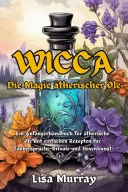
Wicca Die Magie Ätherischer Öle
 80
80

Wicca Die Magie Ätherischer Öle
Lisa Murray’s *Wicca: Die Magie Ätherischer Öle* attempts to bridge the gap between the burgeoning field of essential oil use and the established practices of modern Wicca. The author clearly intends for this to be a hands-on guide, and in that regard, it succeeds by offering concrete suggestions for oil blends and their applications in ritual contexts. A notable strength is the book’s direct approach to correspondences, linking specific oils to common spell goals. However, the work occasionally falters by presenting these connections as absolute rather than fluid, potentially overlooking the nuanced and subjective nature of magical work. For instance, the assertion that frankincense is universally tied to 'purification and spiritual connection' is a common trope, but the book could benefit from exploring how personal experience might alter this. Murray’s exploration of invoking deities through scent is a promising avenue, though it sometimes lacks the depth that would satisfy a seasoned practitioner seeking to integrate such techniques into complex, multi-layered workings. Ultimately, the book serves as a serviceable introduction for beginners, but experienced Wiccans may find its insights somewhat superficial.
📝 Description
80
Lisa Murray's Wicca: Die Magie Ätherischer Öle, published in 2024, details essential oil use in Wiccan rituals.
This book examines how to incorporate aromatic essences into Wiccan practices. It explains the application of essential oils for magical intent, covering their use in rituals, spellcraft, and personal spiritual development. The text treats essential oils as potent tools, each with specific energetic properties that can amplify magical workings and aid in achieving altered states of consciousness. It is intended for those interested in the connection between aromatherapy and modern witchcraft, particularly the Wiccan tradition. The volume suits both new practitioners seeking basic knowledge on oil correspondences and experienced Wiccans aiming to enrich their existing ritual frameworks. Those interested in the energetic and symbolic aspects of plant essences for spiritual aims will find this work particularly relevant. It speaks to practitioners who know that intention, combined with the right tools, can influence magical outcomes.
The use of aromatic substances in spiritual contexts is ancient, predating the formalization of Wicca. Early civilizations employed resins, herbs, and oils in religious ceremonies, healing practices, and divination. While the specific term 'Wicca' emerged in the mid-20th century, influenced by figures like Gerald Gardner, the practice of using plant essences for magical and medicinal purposes has roots in folk magic traditions across Europe. This book connects these historical threads, demonstrating how modern Wicca can incorporate and build upon these age-old traditions of working with botanical energies.
💡 Why Read This Book?
• Learn specific correspondences between essential oils and Wiccan spellcraft goals, such as using rosemary for memory enhancement in rituals, as detailed within the book's practical sections. • Understand how to ethically source and energetically cleanse essential oils before their use in sacred rites, a critical step for mindful practice emphasized by Murray. • Discover how to create personalized oil blends for specific magical intentions, drawing on the book's guidance on combining essences for protection or prosperity, as explored in its ritualistic applications.
⭐ Reader Reviews
Honest opinions from readers who have explored this book.
❓ Frequently Asked Questions
What are the main benefits of using essential oils in Wicca according to Lisa Murray's book?
Murray's book highlights how essential oils can amplify magical intent, facilitate altered states of consciousness for ritual work, and create specific energetic atmospheres. They are presented as potent tools for enhancing spellcasting, meditation, and connection with the divine.
Does 'Wicca: Die Magie Ätherischer Öle' provide guidance on creating custom oil blends?
Yes, the book offers practical advice on formulating custom essential oil blends tailored to specific magical purposes. It explains how to combine oils based on their individual properties and correspondences to achieve desired outcomes in rituals and spells.
Is the book suitable for someone new to both Wicca and essential oils?
Absolutely. The book is designed to be accessible to beginners, explaining fundamental concepts of Wicca and the energetic properties of essential oils in a clear, straightforward manner. It provides a solid foundation for those entering both fields.
What historical basis does the book provide for using oils in magic?
Murray grounds the practice in historical context, noting the ancient use of aromatic substances in spiritual ceremonies and folk magic across various cultures. This connects the modern application within Wicca to age-old traditions of working with botanical energies.
Are there specific oils recommended for protection spells in the book?
The book details correspondences for various oils. While specific blends are suggested, common protective oils like frankincense or myrrh are often discussed for their purifying and shielding qualities, aligning with traditional magical applications.
Does the book discuss ethical sourcing of essential oils?
Yes, the importance of ethical sourcing and mindful application is stressed. Murray encourages practitioners to develop a conscious relationship with the plants, ensuring respect for natural resources and sustainable practices in their magical work.
🔮 Key Themes & Symbolism
Aromatic Correspondences
This theme explores the energetic properties of specific essential oils and their alignment with traditional Wiccan magical aims. Murray details how scents like lavender might be used for calming rituals, while others, such as patchouli, are linked to prosperity spells. The book emphasizes understanding these correspondences to select the appropriate oil for a given intention, thereby enhancing the efficacy of spellwork and ritual practice. It’s about discerning the unique energetic signature of each plant essence and applying it consciously within a magical framework.
Ritualistic Application
The practical integration of essential oils into Wiccan ceremonies forms a central theme. Murray outlines methods for using oils in consecration, invocation, and divination. This includes anointing tools, creating sacred space through diffused scents, or incorporating oils into anointing oils for personal use during meditation. The focus is on how scent can alter perception, deepen focus, and serve as a tangible link between the practitioner and the intended spiritual or magical outcome.
Energetic Enhancement
This theme addresses how essential oils function as energetic amplifiers in magical practice. Murray posits that the concentrated essence of plants carries potent vibrational frequencies that can be harnessed to boost intentions. Whether for protection, healing, or manifestation, the oils are presented as catalysts that lend their inherent power to the practitioner's will, thereby making magical workings more potent and effective. It's about leveraging natural energies for supernatural results.
Mindful Practice
Beyond mere utility, the book advocates for a mindful and ethical approach to using essential oils. This involves not only understanding the magical properties but also respecting the source plants and ensuring sustainable harvesting practices. Murray encourages practitioners to develop a personal connection with the oils, moving beyond rote application to intuitive selection and respectful engagement with the botanical world. This mindful aspect is crucial for genuine spiritual growth.
💬 Memorable Quotes
Direct passages from the work, attributed to the author.
“Essential oils open doors to a world of magic.”
— This statement expresses the book's core premise: that aromatic essences are not just pleasant fragrances but potent conduits for magical energy and spiritual exploration within the Wiccan path.
“Each oil carries hidden forces ready to be awakened by intent.”
— This highlights the active potential within essential oils, suggesting they possess inherent magical qualities that require focused human intention to manifest and direct towards specific outcomes.
“This book is your portal to a secret world.”
— This interpretation reflects the book's promise of unveiling hidden knowledge and guiding the reader into a deeper, more mystical understanding of Wiccan practices involving essential oils.
“Are you ready to immerse yourself in the ancient art of Wicca and oils?”
— This rhetorical question serves as a direct invitation to the reader, urging them to engage with the material and prepare for a journey into the synergistic practice of aromatherapy and witchcraft.
💡 Key Ideas
Editorial paraphrase of the work's core concepts — not direct quotes.
Discover how oils can change your destiny and bring magic into your life.
This paraphrase emphasizes the transformative power attributed to essential oils in the book, positioning them as agents capable of influencing personal fate and infusing everyday existence with magical elements.
🌙 Esoteric Significance
Tradition
The work aligns with modern Wicca, a contemporary esoteric tradition that draws heavily from Western esotericism, folk magic, and pre-Christian European nature religions. It specifically builds upon the principles of sympathetic magic and the energetic correspondences found in Hermeticism and older herbal traditions. While not strictly Kabbalistic or Gnostic, it shares with these traditions a focus on the divine immanence in nature and the use of symbolic tools to achieve spiritual transformation.
Symbolism
Essential oils themselves are potent symbols, representing the concentrated life force and spirit of plants. In the context of this book, specific oils symbolize broader concepts: frankincense and myrrh often represent purification and spiritual connection, linking to ancient religious rites; rosemary symbolizes remembrance and protection, reflecting its historical use in warding off negativity and enhancing memory; and rose oil is commonly associated with love, beauty, and the divine feminine, echoing its symbolic significance across numerous cultures.
Modern Relevance
Contemporary practitioners of modern witchcraft, eco-spiritualists, and those interested in holistic wellness often draw upon the principles discussed in works like Murray’s. The growing interest in sustainable living and natural remedies aligns with the book's emphasis on mindful sourcing. Thinkers and practitioners focusing on animism, plant spirit communication, and the integration of sensory experiences into spiritual practice find resonance with the book's approach to essential oils as conduits of natural energy.
👥 Who Should Read This Book
• Novice Wiccans seeking to understand the foundational role of aromatics in ritual and spellcasting, learning basic correspondences and safe application methods. • Practicing herbalists and aromatherapists interested in exploring the magical and spiritual dimensions of essential oils beyond their purely physical benefits. • Individuals curious about nature-based spirituality and looking for practical, accessible tools to deepen their connection to the earth and its energies.
📜 Historical Context
The mid-20th century saw a resurgence of interest in European folk magic and esoteric traditions, leading to the codification of modern Wicca by figures like Gerald Gardner in the 1950s. This period was also marked by a growing fascination with aromatherapy, spurred by early pioneers like René-Maurice Gattefossé, who explored the therapeutic properties of essential oils. While Gattefossé's work focused primarily on medicinal applications, the broader cultural embrace of natural remedies and spiritual exploration created fertile ground for integrating such practices. Murray’s work situates itself within this milieu, connecting the historical lineage of plant-based magic, which has roots stretching back to ancient Egypt and Greece, with the emergent framework of Gardnerian Wicca. This book implicitly engages with the broader occult revival, where syncretism and the repurposing of ancient practices were common, offering a specific lens on how aromatic substances can be employed within a contemporary witchcraft context, distinct from, yet influenced by, earlier Hermetic and Neopagan movements.
📔 Journal Prompts
Reflect on the energetic signature of lavender and its potential use in your personal relaxation rituals.
Consider the historical use of frankincense in sacred contexts and how its properties might aid your spiritual connection.
Explore the symbolic meaning of rose oil and its relation to your understanding of the divine feminine.
Document your experience creating a simple oil blend for protection, noting the intention behind each chosen oil.
How can the concept of sympathetic magic, as applied to essential oils, enhance your manifestation practices?
🗂️ Glossary
Wicca
A contemporary Neopagan religion focused on nature worship, cyclical time, and magical practice, often involving rituals, spellcasting, and reverence for a divine masculine and feminine.
Essential Oil
A concentrated, volatile aromatic liquid extracted from plants, carrying their characteristic scent and energetic properties, used in aromatherapy and magic.
Correspondences
The symbolic associations between different elements, colors, planets, herbs, oils, and magical goals, used to select appropriate components for spellwork and ritual.
Ritual
A set of actions performed in a prescribed order, often symbolic or sacred, used in Wicca for purposes of worship, magic, or spiritual development.
Spellcraft
The practice of intentionally directing energy, often through specific tools, words, and actions, to achieve a desired magical outcome.
Anointing
The act of applying sacred oils or unguents to a person, object, or place, typically for purification, consecration, blessing, or empowerment.
Sympathetic Magic
A form of magic based on the principle that like affects like, or that a connection exists between things that are similar or have been in contact.