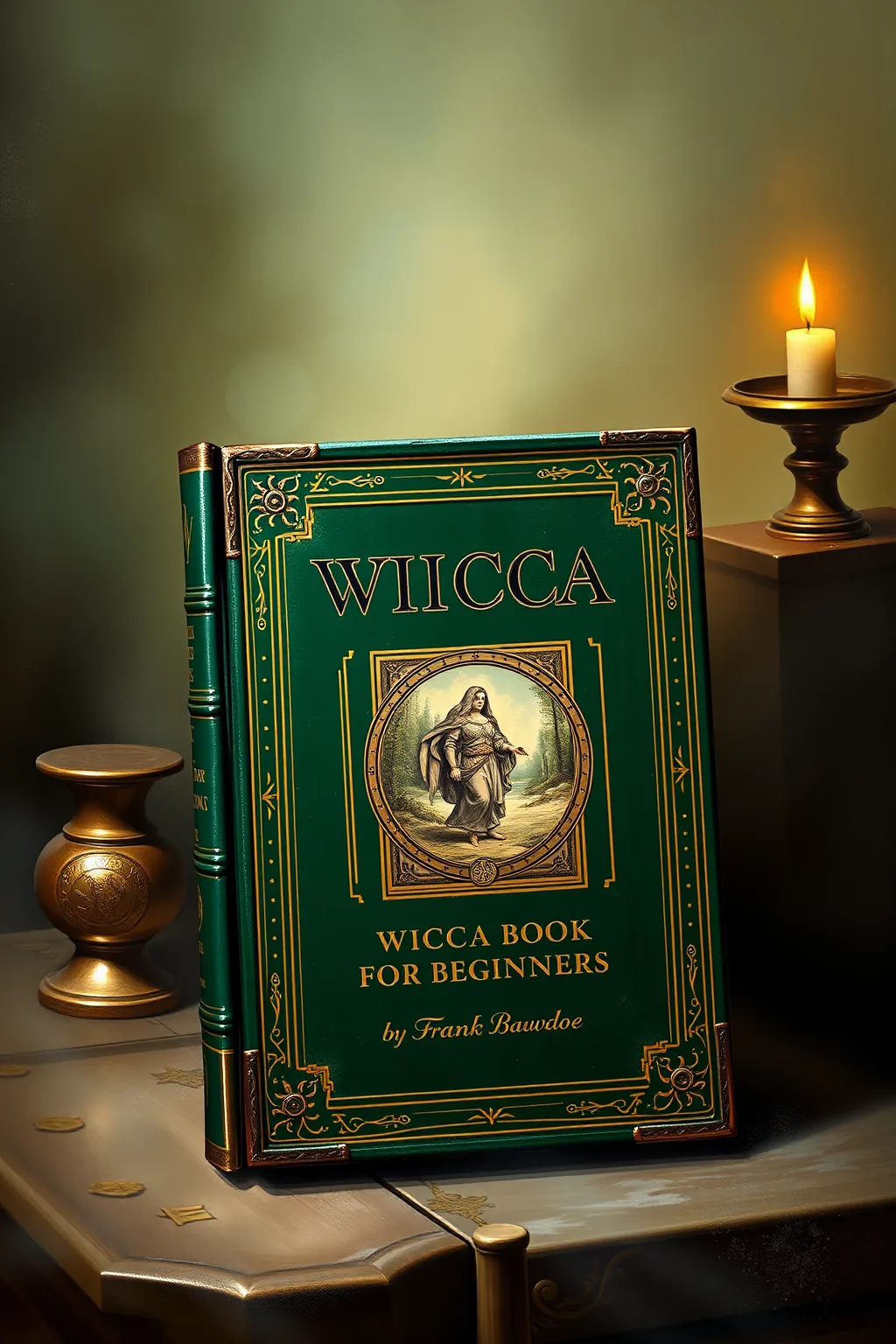
Wicca Book for Beginners
 62
62

Wicca Book for Beginners

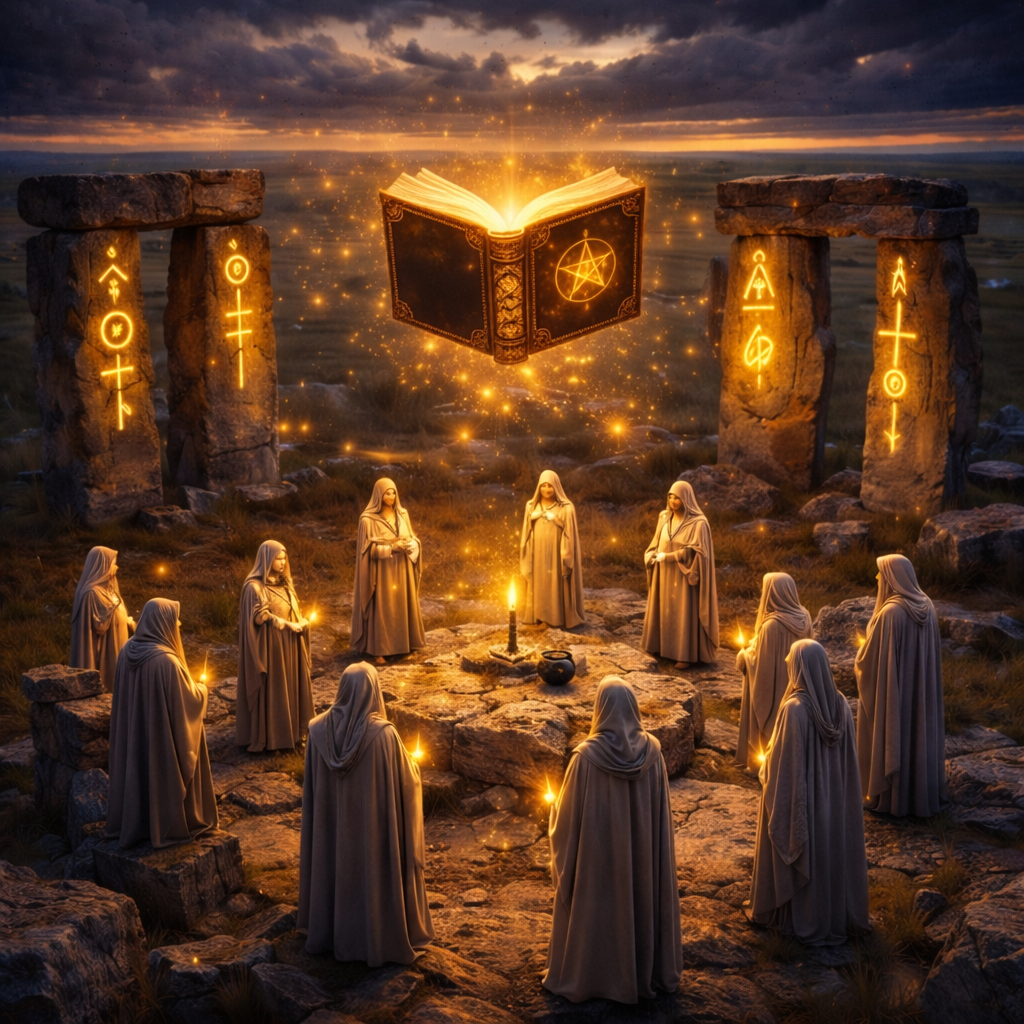

Frank Bawdoe's "Wicca Book for Beginners" is a radiant beacon for those drawn to the ancient currents of earth-based spirituality. Isolde Whitaker, Sacred Texts Editor, finds Bawdoe's approach both accessible and deeply respectful of Wiccan traditions. He masterfully demystifies complex concepts, presenting the core tenets of Wicca with clarity and profound insight. This work is an invaluable resource, offering a solid foundation for understanding ritual, ethics, and the essential relationship with the divine that defines the Craft. It’s a book that speaks to the soul, guiding the beginner with gentle yet authoritative wisdom toward a more meaningful and magical existence.
📝 Description
62
Frank Bawdoe's 'Wicca Book for Beginners' was published to introduce newcomers to nature-based magic.
This book serves as an introduction to Wiccan practices, focusing on a reverence for nature and the cycles of the earth and cosmos. Bawdoe goes beyond simple spells and rituals to explain the philosophy behind Wicca, presenting it as a spiritual path where the sacred is found in everyday elements and incantations. The text aims to be a resource for those seeking a deeper connection to spiritual energies and the natural world.
Readers will find explanations of key Wiccan symbols, such as the pentacle, and their significance. The book also discusses the importance of lunar cycles within the tradition. It is designed to help individuals awaken their intuition, engage in self-discovery, and build a lasting relationship with nature.
Wicca, as presented here, aligns with modern pagan traditions that emphasize a cyclical view of time and a connection to the divine through nature. It draws from earlier forms of nature worship and folk magic, reinterpreting them within a structured spiritual framework. The book grounds these practices in a worldview where the immanent divine is accessible through personal experience and ritual, distinguishing it from more transcendent or dogmatic religious systems.
💡 Why Read This Book?
Uncover the foundational principles of Wicca and its harmonious connection to nature. This book is ideal for sincere seekers, curious souls, and aspiring practitioners eager to understand earth-based spirituality, ritual, and the profound symbolism woven into the Craft. It offers a gentle yet insightful introduction to a path of self-discovery and empowerment.
⭐ Reader Reviews
Honest opinions from readers who have explored this book.
❓ Frequently Asked Questions
What is Wicca?
Wicca is a modern Pagan, Earth-centered religion that follows a spiritual path rooted in nature worship, the divine feminine and masculine principles, and the cyclical rhythms of the seasons and celestial bodies. It emphasizes personal responsibility and ethical conduct.
Is Wicca a form of Satanism?
No, Wicca is not Satanism. It is a nature-based religion that reveres deities often associated with the Earth and the natural world. Satanism is a separate belief system with different origins and tenets.
Do I need to be initiated to practice Wicca?
While formal initiation is a significant step in many Wiccan traditions, it is not strictly required to begin learning and practicing Wicca. Many begin by studying, meditating, and observing nature's cycles.
What are the basic tools used in Wicca?
Commonly used tools include a athame (ritual knife), wand, chalice, and pentacle, each symbolizing different elements and energies. However, the most important tool is the practitioner's intention and connection to the divine.
Can I practice Wicca alone?
Yes, solitary practice is very common and respected in Wicca. Many individuals find deep fulfillment in their personal connection to the divine and the Craft, without the need for a coven.
🔮 Key Themes & Symbolism
The Sacredness of Nature
This theme examines the profound reverence Wicca holds for the natural world, viewing it as a manifestation of the divine. It explores the interconnectedness of all living things, the worship of deities associated with the Earth, and the celebration of natural cycles like solstices and equinoxes. Understanding this foundational principle is crucial for grasping the ethical framework and spiritual practices of Wicca, emphasizing harmony, balance, and responsible stewardship of the planet.
The Dance of Dualities
This theme examines the Wiccan understanding of complementary forces, particularly the divine masculine and feminine. It explores how these energies are not in opposition but rather in dynamic balance, essential for creation and harmony. The text illuminates the symbolism of the Horned God and the Triple Goddess, and how their interplay is reflected in nature, human experience, and ritual practice, fostering a holistic view of spirituality.
The Art of Ritual and Intent
This theme unpacks the transformative power of ritual in Wicca, emphasizing that it is more than mere ceremony. It is about focusing intention, raising energy, and creating sacred space to effect change in oneself and the world. The book explores the purpose of spells, the significance of the elements, and the importance of ethical considerations in magical work, guiding the practitioner to wield their will consciously and responsibly for positive outcomes.
💬 Memorable Quotes
Direct passages from the work, attributed to the author.
“Magic is not coercion, but conversation.”
— This emphasizes that Wiccan magic is about working in harmony with natural forces and universal energies, rather than forcing them. It is a dialogue of respect and understanding.
“Within every shadow, a spark of light resides.”
— This speaks to the Wiccan acceptance of all aspects of life, including challenges and difficulties, as opportunities for growth and the discovery of hidden strengths and wisdom.
“The Gods whisper in the rustling leaves.”
— This evocative phrase points to the immanence of the divine within nature, suggesting that spiritual guidance and revelation can be found by paying close attention to the natural world.
“Your will, tempered by wisdom, shapes your reality.”
— This highlights the importance of personal agency and intention in Wicca, while stressing the necessity of ethical consideration and thoughtful application of one's power to manifest desired outcomes.
💡 Key Ideas
Editorial paraphrase of the work's core concepts — not direct quotes.
The Earth breathes, and we breathe with her.
This quote captures the core Wiccan belief in the interconnectedness of humanity and the natural world, highlighting the sacredness of the planet and our intrinsic part within its living systems.
🌙 Esoteric Significance
Tradition
This book serves as an accessible entry point into the Neo-Pagan tradition of Wicca, a modern spiritual path deeply rooted in ancient nature worship and magical practices. It draws upon elements of witchcraft, shamanism, and ceremonial magic, emphasizing the cyclical nature of life, the worship of a dualistic deity (often represented as the Horned God and Triple Goddess), and the ethical use of magical energies for personal and planetary well-being.
Symbolism
Central to the esoteric significance of this book is its exploration of potent symbols. The pentacle, representing the five elements and spirit, signifies protection and balance. The athame, a ritual knife, symbolizes focused will and the cutting away of negativity. The chalice embodies the divine feminine, receptivity, and emotion. The lunar cycles are paramount, reflecting divine feminine power, intuition, and transformation. These symbols are not mere decorations but active conduits for channeling and understanding spiritual forces.
Modern Relevance
In an age often marked by disconnection from nature and spiritual uncertainty, "Wicca Book for Beginners" offers a grounding and empowering alternative. Its emphasis on ecological awareness, personal responsibility, and immanent divinity resonates deeply with contemporary seekers. The book provides practical tools for self-discovery, stress reduction through ritual, and fostering a sense of belonging in a world that often feels chaotic, making its ancient wisdom profoundly relevant for modern life.
👥 Who Should Read This Book
This book is an essential guide for the nascent seeker, the individual who feels an undeniable pull towards the mysteries of nature-based spirituality. It is also important for those curious about witchcraft and its ethical dimensions, offering a clear and respectful introduction. Scholars of comparative religion and esoteric traditions will find it a valuable case study in modern Paganism. For aspiring practitioners, it provides a solid, foundational understanding of Wiccan beliefs, ethics, and basic ritual practices, setting them on a path of informed and empowered exploration.
📜 Historical Context
Frank Bawdoe's "Wicca Book for Beginners" emerges from a collection of esoteric revival and spiritual seeking that characterized the mid-to-late 20th century. As society moved away from rigid traditional structures, a renewed interest in ancient paganism, nature-based spirituality, and personal empowerment flourished. Wicca, as it began to coalesce and be popularized by figures like Gerald Gardner, offered a compelling alternative, blending elements of folklore, ceremonial magic, and a deep reverence for the Earth. Bawdoe's work, in this context, serves as a vital bridge, making these emergent spiritual currents accessible to a wider audience, explaining practices that were often shrouded in secrecy or misunderstanding, and providing a foundational text for a growing global community.
📔 Journal Prompts
Reflect on a recent experience where you felt a strong connection to nature. What elements were present, and what did this connection signify for you?
Consider the concept of the divine masculine and feminine within your own life and the world around you. How do these energies manifest and interact?
If you were to create a simple ritual to honor the current phase of the moon, what would be its core elements and intentions?
What does personal responsibility mean to you in the context of magical or spiritual practice? How can you ensure your actions are ethical and beneficial?
Explore the symbolism of the pentacle. How can this symbol represent balance and protection in your daily life?
🗂️ Glossary
Wicca
A modern, earth-centered religion that follows a spiritual path rooted in nature worship, the divine feminine and masculine principles, and the cyclical rhythms of the seasons. It emphasizes personal responsibility and ethical conduct.
Craft
A common term used by Wiccans and other witches to refer to their religion and magical practices, often implying a skillful or artistic approach to working with energies and nature.
Pentacle
A five-pointed star enclosed in a circle, symbolizing the five elements (earth, air, fire, water, and spirit) and often used as a symbol of protection, balance, and Wiccan faith.
Athame
A ritual knife, typically with a black handle and a double-edged blade, used in Wiccan and other witchcraft traditions for directing energy, casting circles, and invoking deities, but not for physical cutting.
Triple Goddess
A principal deity in many Wiccan traditions, often represented in three aspects: the Maiden (youth, new beginnings), the Mother (maturity, creation), and the Crone (wisdom, endings), symbolizing the cycles of life and the divine feminine.
This book appears in 2 collections
🔮 Readers Also Liked
Browse all →








More by Frank Bawdoe
All books →



From the “Ritual Magic” Collection
View all →








More Free Magic & Ritual Books
View all →