What Is Sound Healing?
 80
80

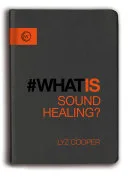
What Is Sound Healing?
Lyz Cooper's "What Is Sound Healing?" offers a welcome, grounded perspective on a practice often shrouded in New Age mystique. Cooper avoids hyperbole, instead meticulously outlining the mechanisms by which sound can influence our physical and mental states. Her exploration of the binaural beats phenomenon, for instance, is particularly illuminating, connecting a specific auditory experience to measurable shifts in brain activity. A notable strength is the book's accessibility; Cooper translates complex scientific concepts into understandable language for a lay audience. However, the work occasionally leans towards prescriptive advice rather than purely descriptive analysis, which might limit its appeal to those seeking a more detached, academic treatise. The section detailing the use of specific tuning forks for different energetic centers is a concrete example of the book's practical application. Ultimately, Cooper provides a clear, informative introduction to the field of sound healing.
📝 Description
80
Lyz Cooper's 2016 book, "What Is Sound Healing?", moves beyond anecdotal evidence to explain the therapeutic potential of sound.
Published in 2016, Lyz Cooper's "What Is Sound Healing?" aims to clarify the practice of sound healing. The book is written for practitioners, therapists, and individuals interested in how sound frequencies and vibrations can affect human consciousness and the body. It is for anyone curious about using sound for personal wellness or in therapeutic settings. Cooper places sound healing within a lineage of vibrational therapies, acknowledging older practices while connecting them to current scientific investigation. This approach bridges historical knowledge with modern scientific understanding. The book covers key concepts like how specific frequencies influence brainwave states, the importance of intention in sound therapy, and how the body's energetic systems respond to sound. Cooper also details the use of various instruments and voice for promoting relaxation, reducing stress, and increasing self-awareness.
This work examines sound healing within a tradition that views vibration as a fundamental force in the universe. It connects contemporary therapeutic applications to ancient practices found in various cultures, such as chanting and tonal rituals. The book acknowledges the spiritual and energetic dimensions often associated with these traditions, suggesting that specific sounds can influence consciousness and well-being beyond purely physical effects. It bridges these historical and metaphysical viewpoints with current scientific inquiry into the effects of sound.
💡 Why Read This Book?
• Understand the scientific underpinnings of how specific frequencies affect brainwave states, a concept explored in detail through Cooper's research. • Learn practical applications for using sound to enhance personal well-being, drawing from techniques discussed in relation to the body's energetic system. • Gain insight into the historical lineage of sound healing practices, providing context beyond modern interpretations as detailed in the chapter on historical context.
⭐ Reader Reviews
Honest opinions from readers who have explored this book.
❓ Frequently Asked Questions
What is the primary goal of sound healing according to Lyz Cooper?
The primary goal of sound healing, as presented by Lyz Cooper, is to enhance well-being and facilitate personal transformation through the application of specific sound frequencies and vibrations.
What scientific evidence does "What Is Sound Healing?" cite?
The book references research demonstrating the impact of sound on brainwave states and physiological responses, moving beyond anecdotal claims to explore measurable effects.
Can sound healing help with stress reduction?
Yes, Lyz Cooper explains how specific sound frequencies can induce relaxation responses, thereby aiding in stress reduction and promoting a sense of calm.
What role does intention play in sound healing?
Intention is presented as a crucial element, amplifying the effects of sound vibrations. The book suggests that a focused, positive intention can guide the healing process.
Are there specific instruments Lyz Cooper recommends for sound healing?
Cooper discusses various instruments, including singing bowls and tuning forks, detailing how their unique frequencies can be utilized for therapeutic purposes.
When was "What Is Sound Healing?" first published?
The book "What Is Sound Healing?" by Lyz Cooper was first published on June 14, 2016.
🔮 Key Themes & Symbolism
Frequencies and Brainwaves
The book elucidates how specific sound frequencies can entrain brainwaves, guiding consciousness towards states of relaxation, focus, or even sleep. Cooper explores phenomena like binaural beats, illustrating how auditory perception can directly influence neurological activity and promote altered states of awareness, crucial for therapeutic outcomes.
The Energetic Body
Cooper details the concept of the body as an energetic system, susceptible to vibrational influences. She explains how sound can interact with these energy centers, or chakras, to clear blockages, balance energies, and promote holistic health. This perspective connects sound healing to ancient models of subtle anatomy.
Intentional Sound Application
A core theme is the power of intention in directing the efficacy of sound healing. The book emphasizes that the practitioner's or recipient's focused intention amplifies the therapeutic potential of the sound vibrations, transforming a simple auditory experience into a targeted healing modality.
Historical Roots of Sound Therapy
Cooper traces the lineage of sound healing, referencing ancient cultures that recognized the power of voice and vibration for healing and spiritual practice. This historical grounding positions contemporary sound healing not as a new fad, but as a revival of ancient wisdom adapted for modern needs.
💬 Memorable Quotes
Direct passages from the work, attributed to the author.
“Sound certainly has the power to send our spirits soaring but how exactly does it do this and can it go beyond this to enhance our wellbeing and even help us heal ourselves?”
— This question posed early in the book sets the stage for a scientific and practical exploration, moving beyond subjective experiences to investigate the tangible benefits of sound for health and personal development.
“Recent research has proven that it absolutely can and that sound healing can therefore help us achieve all kinds of personal transformation, enabling us to lead more authentic, connected lives.”
— This statement asserts the book's core premise: that sound healing is a valid therapeutic modality supported by evidence, capable of facilitating profound personal change and a more genuine existence.
“The body's energetic system is influenced by external vibrations.”
— This concise interpretation highlights the fundamental principle that sound, as a form of vibration, directly interacts with and can modulate the body's subtle energetic field, impacting overall health.
“Specific frequencies can entrain brainwaves.”
— This highlights a key scientific concept within sound healing, suggesting that by exposing the brain to particular sound patterns, its electrical activity can synchronize, leading to desired mental states.
“Intention amplifies the effects of sound.”
— This emphasizes the crucial role of consciousness and focused will in the practice of sound healing, suggesting that the mental component is as vital as the auditory stimulus itself.
🌙 Esoteric Significance
Tradition
While not strictly adhering to a single esoteric lineage, "What Is Sound Healing?" draws heavily from traditions that emphasize vibrational energy and its impact on the human form, such as certain branches of Yoga, Tantra, and Western Esotericism's focus on sympathetic magic and resonance. It aligns with the broader Hermetic principle of 'As Above, So Below,' applying it to the understanding of how celestial or universal vibrations manifest within the human microcosm.
Symbolism
The primary symbols within the book are not visual but auditory: specific frequencies and the instruments that produce them. For instance, the pure tone of a tuning fork can symbolize clarity and focused intention, while the complex overtones of a singing bowl represent the complex nature of consciousness and the energetic field. The concept of 'resonance' itself acts as a potent symbol for interconnectedness and sympathetic vibration between the practitioner, the client, and the universe.
Modern Relevance
Cooper's work is highly relevant to contemporary practices in sound baths, therapeutic music, and vibrational therapy. Thinkers and practitioners in fields like biofield therapy, sound therapy for trauma (e.g., trauma-informed yoga incorporating sound), and even certain applications of binaural beats in digital wellness apps, often reference or are influenced by the foundational principles laid out in this book.
👥 Who Should Read This Book
• Individuals curious about the therapeutic potential of sound, seeking to understand the science and history behind practices like sound baths. • Therapists and wellness practitioners looking to integrate sound healing techniques into their existing modalities, such as massage therapy or counseling. • Students of esoteric studies interested in vibrational medicine and its connection to ancient wisdom traditions and modern consciousness research.
📜 Historical Context
Published in 2016, Lyz Cooper's "What Is Sound Healing?" emerged during a period of resurgent interest in holistic and alternative therapies, often drawing parallels with practices documented in ancient traditions. The book arrived at a time when fields like neuro-linguistic programming (NLP) and mindfulness were gaining wider acceptance, creating a receptive environment for explorations of consciousness and well-being. Cooper’s work positioned itself against a backdrop where vibrational medicine, though often met with skepticism from the established medical community, was being explored by practitioners inspired by figures like Alfred Tomatis, who pioneered audiology and speech therapy using acoustic stimulation in the mid-20th century. The book sought to bridge the gap between esoteric understanding and empirical investigation, a common endeavor in the esoteric literature of the early 21st century.
📔 Journal Prompts
The impact of specific frequencies on brainwave states: How might consciously choosing soundscapes influence your daily cognitive patterns?
The energetic body and vibrational influence: Reflect on a time when a particular sound profoundly shifted your emotional state.
Intentional sound application: Practice a brief meditation focusing on a single intention, using a calming sound as a focal point.
Historical roots of sound therapy: Consider how ancient cultures might have utilized sound for community cohesion or healing.
The concept of resonance: Explore how the principles of resonance in sound might apply to interpersonal relationships.
🗂️ Glossary
Binaural Beats
Auditory illusions perceived when two different tones with slightly different frequencies are presented, one to each ear, leading the brain to perceive a third, rhythmic tone.
Entrainment
The process by which the brain's neural oscillations synchronize with an external rhythm, such as a sound frequency.
Frequencies
The rate at which a vibration occurs, measured in Hertz (Hz), which determines the pitch of a sound and its potential physiological effects.
Chakras
In esoteric traditions, these are centers of spiritual, physical, and emotional energy located along the spine, often associated with specific colors and sounds.
Vibrational Medicine
A modality of healing that uses specific frequencies and vibrations to influence the body's energetic field and promote balance and well-being.
Hertz (Hz)
The SI unit of frequency, representing one cycle per second, used to measure sound wave vibrations.
Energetic System
The concept of the body possessing a subtle energy field or network of energy pathways (like meridians or nadis) that can be influenced by external stimuli like sound.