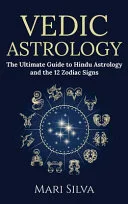
Vedic Astrology: the Ultimate Guide to Hindu Astrology and the 12 Zodiac Signs
 79
79

Vedic Astrology: the Ultimate Guide to Hindu Astrology and the 12 Zodiac Signs
Silva's "Vedic Astrology" presents a commendable effort to distill the intricate system of Jyotish into digestible lessons. The book excels in its clear enumeration of the Navagrahas and their distinct energetic influences, a cornerstone of Vedic interpretation. Its methodical approach to explaining the Nakshatras, offering 27 distinct lunar mansions beyond the familiar zodiac signs, provides a valuable layer of depth for Western astrologers accustomed to a simpler division. However, the work occasionally falters in its brevity concerning the complex Dashas system, which, while introduced, feels somewhat streamlined, potentially leaving a reader seeking predictive mastery wanting more detailed applications. A particularly strong section is the explanation of the influence of Rahu and Ketu, the lunar nodes, which are given significant weight in Vedic charts. Despite this minor limitation in predictive depth, Silva's guide offers a solid, accessible foundation in Hindu astrology.
📝 Description
79
Mari Silva's guide systematically introduces Jyotish, the traditional Indian system of astrology.
This book serves as a primer on Jyotish, the Indian system of astrology. It breaks down the core elements of this practice, starting with astronomical basics and moving toward interpreting planetary positions and house placements in a birth chart. The author aims to make the Vedic astrological framework understandable for those new to its specific language and ideas. It covers the necessary components for readers to start grasping their own astrological chart according to Hindu traditions.
The guide is for people curious about astrological systems other than the Western tropical zodiac. It targets those interested in Hindu astrology, also called Jyotish. Newcomers to Vedic astrology will find the explanations progressive and clear. It is also useful for those with some Western astrology knowledge who want to see how it compares to the Eastern system. The book is organized to help readers analyze themselves and interpret their personal birth charts.
Vedic astrology, or Jyotish, originates in India, with roots in ancient Vedic texts and philosophical thought. It uses the sidereal zodiac, which aligns with fixed stars, differing from the Western tropical zodiac based on seasons. This distinction significantly alters astrological interpretations. Jyotish has been passed down through generations, continuously refined within Indian culture and its spiritual traditions.
💡 Why Read This Book?
• Learn the distinct principles of the sidereal zodiac used in Vedic astrology, contrasting it with the tropical system, to gain a broader perspective on celestial influences. • Understand the significance of the 27 Nakshatras, lunar mansions that offer a more detailed astrological analysis than the standard 12 zodiac signs, enhancing your chart interpretation. • Explore the concept of planetary periods (Dashas) within Vedic astrology, providing a unique framework for understanding life's timing and unfolding events.
⭐ Reader Reviews
Honest opinions from readers who have explored this book.
❓ Frequently Asked Questions
What is the primary difference between Vedic astrology and Western astrology?
The main distinction lies in the zodiac used. Vedic astrology employs the sidereal zodiac, aligned with the fixed stars, while Western astrology uses the tropical zodiac, based on the seasons. This leads to different planetary positions and interpretations in birth charts.
How does Vedic astrology use the 12 zodiac signs?
Vedic astrology, or Jyotish, also utilizes the 12 Rasis (zodiac signs). However, due to the use of the sidereal zodiac, the sign a planet appears in can differ by approximately 24 degrees compared to a Western tropical chart. This shift significantly alters the astrological interpretation.
What are the Navagrahas in Vedic astrology?
The Navagrahas are the nine celestial bodies or 'grahas' that significantly influence human affairs in Vedic astrology. They include the Sun, Moon, Mars, Mercury, Jupiter, Venus, Saturn, and the lunar nodes Rahu and Ketu. Each possesses unique characteristics and energies.
Can Vedic astrology predict future events?
Yes, Vedic astrology includes predictive techniques, most notably the Dasha system (planetary periods) and transits. These systems are used to map out potential timelines and the nature of experiences during specific phases of life, offering insights into future trends.
What are Nakshatras and why are they important?
Nakshatras are lunar mansions, dividing the ecliptic into 27 segments, each with unique symbolism and ruling deities. They provide a finer level of detail in Vedic astrological analysis than the broader zodiac signs, offering deeper insights into personality and destiny.
Is Mari Silva's guide suitable for absolute beginners?
Yes, "Vedic Astrology: the Ultimate Guide to Hindu Astrology and the 12 Zodiac Signs" is designed as an introductory text. It explains foundational concepts like the zodiac signs, planets (Navagrahas), and houses in a clear, accessible manner for those new to Jyotish.
🔮 Key Themes & Symbolism
Sidereal vs. Tropical Zodiacs
The work meticulously differentiates Vedic astrology's use of the sidereal zodiac, which aligns with the fixed stars, from the Western tropical zodiac based on seasons. This fundamental divergence, a key concept stemming from ancient astronomical observations, explains why planetary placements often differ significantly between the two systems. Understanding this distinction is crucial for appreciating the unique interpretive framework of Jyotish and its historical roots in Indian astronomical science, which sought to map celestial influences based on their observed positions against the backdrop of the cosmos.
The Navagrahas and Their Influence
Central to Vedic interpretation are the Navagrahas, the nine primary celestial influencers. Silva details each of these, from Surya (Sun) to Ketu, explaining their specific qualities, rulerships, and how they manifest in an individual's birth chart (Janma Kundali). This forms the bedrock of astrological analysis in Jyotish, moving beyond simple sun-sign astrology to a more complex interaction of planetary energies that shape destiny and personality according to ancient Indian cosmological beliefs.
Nakshatras: Lunar Mansions
Beyond the 12 Rasis (zodiac signs), Vedic astrology incorporates the 27 Nakshatras, or lunar mansions. These divisions provide a more granular and nuanced understanding of the Moon's transit and its impact. Each Nakshatra is associated with specific deities, symbols, and characteristics, offering deeper insights into psychological patterns, karmic tendencies, and life events. The book introduces these often-overlooked elements, highlighting their significance in a comprehensive Vedic chart reading.
The Dasha System
A key predictive tool in Vedic astrology is the Dasha system, which delineates planetary periods governing an individual's life. The book explains the concept of these timed cycles, primarily the Vimshottari Dasha, indicating how specific planetary influences become prominent at different stages. This system provides a framework for understanding the unfolding of karma and timing of life events, offering a unique approach to forecasting future potentials and challenges.
💬 Memorable Quotes
Direct passages from the work, attributed to the author.
“The sidereal zodiac aligns with the actual constellations in the sky, while the tropical zodiac is based on the Sun's path relative to the seasons.”
— This highlights the fundamental astronomical difference between Vedic and Western astrology. It's a crucial distinction that leads to different chart calculations and interpretations, emphasizing Vedic astrology's connection to observable celestial bodies.
“Each of the nine planets, or Navagrahas, has unique energies that affect our lives.”
— This statement expresses the core principle of planetary influence in Jyotish. It suggests a complex interplay of forces, moving beyond a singular focus on the Sun or Moon to a holistic view of celestial impact.
“The Nakshatras offer a more detailed layer of understanding than the standard zodiac signs.”
— This emphasizes the added depth and specificity provided by the 27 lunar mansions in Vedic astrology. It implies that a fuller astrological picture emerges when incorporating these finer divisions of the ecliptic.
“Dasha systems help in understanding the timing of events in life.”
— This points to the predictive power of Vedic astrology through its unique time-lord systems. It suggests that specific planetary periods can indicate when certain themes or experiences are likely to manifest.
“Understanding the houses (Bhavas) reveals where planetary energies manifest in your life.”
— This explains the function of astrological houses in Jyotish. It frames the houses as the 'fields of experience' where the influences of planets and signs play out, providing context for personal life areas.
🌙 Esoteric Significance
Tradition
Jyotish is intrinsically linked to the Vedic tradition, one of the oldest continuously practiced spiritual and philosophical systems globally. It is considered a 'Vedanga' – a limb or auxiliary discipline of the Vedas, essential for understanding and applying Vedic knowledge. Its cosmology is deeply interwoven with Hindu philosophical concepts like karma, dharma, and reincarnation, providing a framework for understanding an individual's life path and spiritual evolution as dictated by celestial patterns at birth.
Symbolism
Key symbols in Vedic astrology include the Navagrahas (nine planets), each personified with specific mythologies and energies, and the Nakshatras (lunar mansions), often represented by animals, deities, or objects that imbue them with distinct characteristics. The Bhavas (houses) symbolize the arenas of life experience, from self and home to career and spirituality. The interplay of these symbols within the birth chart (Janma Kundali) forms a complex symbolic language for interpreting destiny and potential.
Modern Relevance
In contemporary times, Vedic astrology continues to be widely practiced in India and has gained a significant following worldwide. Modern thinkers and spiritual seekers are drawn to Jyotish for its depth, its emphasis on karma, and its sophisticated predictive techniques. It influences various New Age and self-help movements, offering insights into personal growth, relationships, and life purpose, often integrated with other esoteric practices or psychological frameworks.
👥 Who Should Read This Book
['• Beginners interested in exploring astrological systems beyond the Western zodiac will find a clear introduction to Jyotish principles and terminology.', '• Individuals curious about the influence of karma and destiny on life paths can gain a framework for understanding these concepts through the Vedic astrological lens.', '• Students of comparative religion and ancient wisdom traditions can use this book to understand a significant aspect of Hindu philosophy and practice.']
📜 Historical Context
Vedic astrology, or Jyotish, has a lineage tracing back over 5,000 years, deeply embedded within India's cultural and spiritual traditions. Its principles are found in ancient Sanskrit texts, including the Vedas and later astrological compendiums like the Brihat Parashara Hora Shastra. Unlike the Hellenistic astrology that heavily influenced Western traditions, Jyotish developed independently, utilizing the sidereal zodiac based on the fixed stars rather than the seasonal equinoxes. This foundational difference distinguishes its interpretive framework significantly. While Western astrology evolved through Greek, Roman, and later Renaissance influences, with figures like Ptolemy and Firmicus Maternus shaping its early form, Vedic astrology maintained a continuous tradition within India, passed down through gurus and astrological families. Contemporary Indian scholars and practitioners, such as K. N. Rao, have been instrumental in modernizing and disseminating Jyotish knowledge globally, ensuring its continued relevance and study.
📔 Journal Prompts
The Navagrahas' influence on your personality.
Your ascendant sign (Lagna) and its representation of your core self.
The meaning of the Moon's placement in your birth chart.
How the Nakshatras might describe your inner nature.
Potential life themes indicated by your Dasha periods.
🗂️ Glossary
Jyotish
The Sanskrit term for Vedic astrology, literally meaning 'science of light'. It is the traditional Hindu system of astrology.
Sidereal Zodiac
An astronomical coordinate system that uses the apparent position of the stars as the reference point for the zodiac. It is used in Vedic astrology.
Navagrahas
The nine celestial bodies or 'planets' in Vedic astrology considered to influence human destiny: Sun, Moon, Mars, Mercury, Jupiter, Venus, Saturn, Rahu, and Ketu.
Nakshatras
The 27 lunar mansions or divisions of the ecliptic in Vedic astrology, offering a more detailed analysis than the 12 zodiac signs.
Rasi
The Sanskrit term for the 12 zodiac signs used in Vedic astrology, corresponding to the familiar Aries through Pisces.
Bhava
The Sanskrit term for the astrological houses in a birth chart, representing different areas of life experience.
Dasha
A system of planetary periods in Vedic astrology used for predictive purposes, indicating the timing of life events and the influence of specific planets.