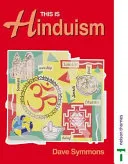
This is Hinduism
 78
78

This is Hinduism
Dave Symmons’ 'This is Hinduism' functions less as an esoteric exploration and more as a structured primer. Its strength lies in its methodical presentation of a vast subject. The book moves efficiently from the Hindu pantheon – detailing figures like Vishnu and Shiva – through to the practicalities of festivals and life-cycle rites. It is particularly commendable in its clear exposition of Gandhi's philosophy, placing a significant historical figure within his religious context. However, the work can feel somewhat dry, prioritizing comprehensive listing over evocative description. For instance, the section on the Vedas, while informative, lacks the spiritual resonance one might expect from a text on sacred literature. Symmons offers a solid, factual foundation, but it’s a guidebook rather than a spiritual companion. It serves its purpose as an introduction admirably, though it won't ignite a devotional fire.
📝 Description
78
Dave Symmons' 'This is Hinduism' was published in 1998, aiming to clarify a major world religion.
First appearing in 1998, Dave Symmons' 'This is Hinduism' provides a systematic introduction to one of the world's oldest living religions. The book details the Hindu pantheon, naming deities like Vishnu, Shiva, Krishna, and Ganesha. It also covers significant festivals, various worship methods, and devotional practices. Symmons outlines the important life cycle rituals, from birth through marriage to death ceremonies, offering a structured view of Hindu life. This work is suitable for newcomers to Hinduism, students of comparative religion, and anyone interested in Indian culture and spirituality. It also addresses the lives and teachings of figures such as Mahatma Gandhi and the roles of swamis and gurus, aiming to make a complex tradition understandable.
Symmons' book emerged during a time of growing Western interest in Eastern thought. Unlike earlier introductions that might have been more interpretative, his work offers a direct survey. It fits within a trend of late 20th century texts that presented Hindu beliefs and practices clearly, using a chronological and thematic approach. The book draws on sacred texts like the Vedas to explain core concepts such as karma, dharma, the cycles of time, and the goal of moksha. It further elaborates on the roles of various deities within the Hindu tradition.
While not strictly an esoteric text itself, 'This is Hinduism' addresses the devotional and philosophical underpinnings of a tradition that has influenced Western esotericism. The book's explanation of concepts like karma, dharma, and moksha touches upon ideas that have been reinterpreted and integrated into Western occult and spiritual movements. By detailing deities and practices, it provides a factual basis for understanding the source material that has inspired figures from Theosophists to modern New Age thinkers, offering a grounded perspective on the origins of certain spiritual inquiries.
💡 Why Read This Book?
• Gain a structured understanding of the Hindu pantheon, including the roles of deities like Krishna and Ganesha, and how they function within Hindu cosmology. • Learn about the significance of major festivals and birth, death, and marriage rituals, offering insight into the practical application of Hindu beliefs in daily life. • Understand the influence of Mahatma Gandhi and the role of holy people like swamis and gurus within the spiritual and social fabric of Hinduism, as presented in the text.
⭐ Reader Reviews
Honest opinions from readers who have explored this book.
❓ Frequently Asked Questions
What are the core Hindu beliefs discussed in Dave Symmons' 'This is Hinduism'?
The book outlines fundamental Hindu beliefs including karma, dharma, and the concept of moksha (liberation). It also explores the reverence for sacred texts like the Vedas and the cyclical nature of time within Hindu cosmology.
Which Hindu gods are specifically covered in the book?
'This is Hinduism' introduces major deities such as Vishnu, Shiva, Krishna, and Ganesha, explaining their significance and roles within the Hindu pantheon.
Does the book explain Hindu worship practices?
Yes, Dave Symmons' work details various ways of worship, including devotional practices (bhakti) and the importance of rituals associated with festivals and life-cycle events.
What is the historical context of 'This is Hinduism'?
Published in 1998, the book emerged during a period of growing Western interest in Eastern religions. It provides a clear, thematic overview, contributing to the wider availability of introductory texts on Hinduism.
Who are the 'holy people' mentioned in the book?
The book discusses the roles of significant spiritual figures, including swamis and gurus, who guide devotees and uphold religious traditions within Hinduism.
Are Hindu scriptures like the Vedas discussed?
Yes, 'This is Hinduism' references key holy books, notably the Vedas, explaining their foundational importance to Hindu philosophy and practice.
🔮 Key Themes & Symbolism
The Hindu Pantheon
Symmons meticulously details the principal deities of Hinduism, presenting figures like Vishnu, Shiva, Krishna, and Ganesha not as mere characters but as embodiments of cosmic forces and principles. The work clarifies their distinct roles and relationships within the complex Hindu cosmology, offering readers a structured way to comprehend the divine manifestations central to worship and philosophy. This section aims to explain the often-perceived polytheism by explaining the underlying unity within the diverse forms of the divine.
Rituals and Life Cycles
A significant portion of 'This is Hinduism' is dedicated to the practical expressions of faith through rituals. It covers the observance of major festivals that punctuate the Hindu calendar, providing context for their significance. Furthermore, the book systematically explains the sacred rites marking crucial life transitions: birth ceremonies, marriage rituals, and death rites. This aspect highlights how Hinduism integrates spiritual understanding with the practicalities of human existence, emphasizing purity, duty, and the passage through different stages of life.
Beliefs and Sacred Texts
Symmons explores the core philosophical underpinnings of Hinduism, referencing foundational scriptures such as the Vedas. The work explores concepts central to Hindu thought, including karma (action and consequence), dharma (duty and righteousness), and moksha (liberation from the cycle of rebirth). It also touches upon the influence of holy people like swamis and gurus, and the path of devotion (bhakti), illustrating how these beliefs shape the spiritual journey of adherents.
Mahatma Gandhi's Spiritual Legacy
The inclusion of Mahatma Gandhi provides a crucial link between ancient philosophy and modern socio-political action. Symmons situates Gandhi's life and work within his Hindu spiritual framework, demonstrating how principles of ahimsa (non-violence) and truth were deeply rooted in his faith. This narrative illustrates the enduring relevance of Hindu teachings in shaping ethical conduct and inspiring movements for social justice, showcasing a practical application of spiritual ideals.
💬 Memorable Quotes
Direct passages from the work, attributed to the author.
“Hindu gods - Vishnu - Shiva - Krishna - Ganesha”
— This phrase, pulled from the original blurb, succinctly lists key figures in the Hindu pantheon, serving as an entry point to understanding the diverse divine forms central to Hindu worship and philosophy.
“Ways of worship - Birth, death and marriage rituals”
— This highlights the practical, ritualistic dimension of Hinduism, showing how beliefs are enacted through ceremonies marking life's significant moments and through daily devotional practices.
“Holy people - Swamis and gurus”
— This points to the importance of spiritual guides and realized beings within the tradition, individuals who transmit teachings and offer paths to enlightenment.
“Gandhi - Hindu beliefs”
— Connecting Gandhi to Hindu beliefs underscores how profound spiritual principles can inform ethical action and influence historical movements, demonstrating the real-world impact of faith.
“Holy books - Vedas”
— This emphasizes the scriptural foundation of Hinduism, identifying the Vedas as primary sources of knowledge and spiritual authority within the tradition.
🌙 Esoteric Significance
Tradition
While 'This is Hinduism' is primarily an introductory overview rather than a text rooted in a specific esoteric lineage like Hermeticism or Kabbalah, it serves as a crucial bridge. For practitioners of Western esotericism, understanding the philosophical underpinnings and symbolic richness of major world religions like Hinduism is vital for comparative study and personal synthesis. Symmons' work provides the foundational knowledge of deities, beliefs, and practices that can inform deeper esoteric inquiry into concepts like yoga, mantra, and the nature of consciousness, often explored within Western occult traditions.
Symbolism
The book touches upon potent symbols central to Hindu practice. Deities like Shiva, often depicted with a third eye, represent cosmic consciousness and destruction-creation cycles, while Vishnu, the preserver, embodies cosmic order. Ganesha, the elephant-headed god, symbolizes wisdom and the removal of obstacles, a potent motif for overcoming spiritual hurdles. The text implicitly engages with the symbolism of the Vedas as primal sound and divine revelation, foundational to many esoteric cosmologies that posit a sacred origin of language and existence.
Modern Relevance
Contemporary thinkers and practitioners in fields ranging from comparative spirituality to mindfulness and yoga continue to draw upon the foundational understanding that works like Symmons' provide. While not directly citing him, modern yoga instructors, meditation guides, and authors exploring conscious living often implicitly reference the concepts and deities detailed in such texts. The book’s straightforward presentation remains relevant for individuals seeking to understand the cultural and spiritual context of practices that have become globally popular, bridging the gap between ancient traditions and modern application.
👥 Who Should Read This Book
• Beginning students of comparative religion seeking a clear, factual introduction to the major tenets, deities, and practices of Hinduism. • Individuals interested in understanding the cultural and spiritual background of yoga and meditation, providing context for these popular disciplines. • Readers curious about the life and philosophy of Mahatma Gandhi, exploring how his spiritual beliefs informed his activism.
📜 Historical Context
Dave Symmons' 'This is Hinduism,' published in 1998, entered a landscape shaped by decades of Western academic and popular interest in Eastern religions. The post-WWII era, particularly from the 1960s onward, saw a surge in the study of comparative religion, with figures like Mircea Eliade influencing the discourse on myth and ritual. Symmons' work contrasts with the more interpretative, sometimes romanticized, accounts of earlier Theosophists or Transcendentalists. While not engaging directly with contemporary academic debates in the same way as scholars like Wendy Doniger, Symmons aimed for a clear, factual exposition. The book’s publication coincided with the rise of the internet, offering a digital alternative to traditional print resources, yet its straightforward approach provided a solid, accessible reference point for a general audience seeking to understand Hinduism's vast traditions.
📔 Journal Prompts
The concept of dharma as presented by Symmons.
Your understanding of the roles of Vishnu and Shiva.
The significance of birth, death, and marriage rituals.
The influence of swamis and gurus on Hindu practice.
Vedas as foundational texts for Hindu belief.
🗂️ Glossary
Vishnu
A principal deity in Hinduism, often regarded as the preserver or sustainer of the universe. He is known for his avatars, such as Krishna and Rama, who descend to Earth to restore cosmic order.
Shiva
One of the primary deities in Hinduism, often considered the destroyer or transformer within the divine trinity. He is associated with asceticism, meditation, and the cosmic dance (Nataraja).
Krishna
A major deity in Hinduism, worshipped as the eighth avatar of Vishnu. He is a central figure in the Bhagavad Gita, offering profound spiritual teachings.
Ganesha
The elephant-headed deity widely revered as the remover of obstacles and the patron of arts and sciences. He is invoked at the beginning of rituals and new ventures.
Vedas
The oldest and most sacred scriptures of Hinduism, considered to be divinely revealed. They contain hymns, rituals, philosophical insights, and guidance for life.
Swamis and Gurus
Spiritual leaders and teachers within Hinduism. Swamis are often renunciates, while gurus are spiritual guides who impart wisdom and lead disciples on a path.
Gandhi
Mahatma Gandhi, a key leader of India's independence movement. His philosophy of non-violent resistance (Satyagraha) was deeply rooted in Hindu principles.