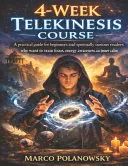
Theurgy and the soul

 74
74

Theurgy and the soul
Shaw's "Theurgy and the Soul" offers a scholarly deep dive into a practice often shrouded in mystification. His meticulous examination of Iamblichus’s philosophical framework, particularly the latter's emphasis on theurgy as a necessary path to salvation, is commendable. The strength lies in its historical grounding and avoidance of anachronistic interpretations. A limitation, however, is the dense academic prose, which may deter readers seeking a more accessible introduction. The section detailing the specific invocations and materials used in ancient theurgic rites, while informative, requires significant prior knowledge of Hellenistic philosophy. It is a work for the dedicated student, not the casual inquirer.
Shaw's meticulous scholarship provides a valuable anchor for understanding theurgy's ancient significance.
📝 Description
74
Gregory Shaw's 2010 book examines theurgy as a practical spiritual art.
Gregory Shaw's "Theurgy and the Soul" investigates the practical application of theurgy, focusing on its role in spiritual transformation and communion with the divine, rather than as abstract theological ideas. The book draws extensively from Hellenistic sources to illuminate this ancient practice.
Shaw's work appeals to scholars of ancient religion, philosophers interested in theurgy, and practitioners of Western esotericism. It is suited for those who prefer detailed textual analysis grounded in historical context over devotional or anecdotal accounts. The book positions itself within a reevaluation of Hellenistic magic that gained traction in the late 20th century.
Published in 2010, Shaw's study engages with the Neoplatonic tradition, particularly the philosophy of Iamblichus. Iamblichus placed theurgy at the core of achieving the soul's ascent. Shaw's work considers theurgy not simply as speculation but as a method for spiritual purification and reunification with the divine, using ancient Hellenistic texts as its basis.
💡 Why Read This Book?
• Gain a precise understanding of Iamblichus's philosophical system concerning theurgy and its role in soul purification, a concept central to ancient Hellenistic salvation doctrines. • Explore the intricate details of ancient theurgic practices, including specific invocations and ritual components, as analyzed through Shaw's historical lens. • Appreciate the intellectual rigor behind ancient ritual, moving beyond simplistic interpretations to grasp its complex metaphysical underpinnings as presented in the book.
⭐ Reader Reviews
Honest opinions from readers who have explored this book.
❓ Frequently Asked Questions
What is the primary focus of Gregory Shaw's "Theurgy and the Soul"?
The book primarily focuses on the ancient practice of theurgy, examining it as a salvific art and a method for spiritual purification and communion with the divine, particularly within the Hellenistic Neoplatonic tradition.
Which ancient philosopher is central to the discussion in "Theurgy and the Soul"?
The ancient philosopher Iamblichus is central to the discussion. Shaw extensively analyzes Iamblichus's philosophical system, which placed theurgy at the heart of the soul's ascent and salvation.
What historical period does "Theurgy and the Soul" primarily cover?
The book primarily covers the Hellenistic period, with a specific focus on Neoplatonic philosophy and its developments in late antiquity, exploring the intellectual currents that shaped theurgic practices.
Is "Theurgy and the Soul" suitable for beginners in esoteric studies?
While informative, the book is written with a scholarly tone and assumes some familiarity with ancient philosophy. It is more suited for advanced students or academics than absolute beginners.
What is the relationship between theurgy and the soul according to the book?
According to the book, theurgy is presented as a divine art that directly interacts with the soul, purifying it, elevating it, and facilitating its return to the divine realm through precise ritual actions.
When was "Theurgy and the Soul" first published?
Gregory Shaw's "Theurgy and the Soul" was first published in 2010, contributing to a renewed academic interest in the philosophical underpinnings of ancient magical and religious practices.
🔮 Key Themes & Symbolism
Theurgy as Divine Art
The central theme is theurgy's function not as mere ceremony, but as a divinely ordained art capable of effecting profound spiritual change. Shaw elaborates on how ancient practitioners believed specific rituals, invocations, and sacred objects could directly influence the soul's purification and ascent towards the divine. This perspective challenges modern secular views of ritual, positioning it as an active mechanism for spiritual salvation within the Neoplatonic framework.
Soul Purification and Ascent
A core concept explored is the belief that the soul, through theurgic intervention, can shed its material impurities and ascend through cosmic hierarchies. Shaw details the Neoplatonic understanding of the soul's fallen state and the theurgic path as the essential means to restore its original divine nature. This involves understanding the soul's structure and its relationship to the various divine and intermediary beings invoked in theurgy.
Hellenistic Ritual Practices
The book meticulously reconstructs and analyzes the practical aspects of Hellenistic theurgy. It examines the types of rituals, the significance of divine names, the use of talismans, hymns, and other sacred implements. Shaw emphasizes the precise, methodical nature of these practices, highlighting that efficacy was believed to stem from adherence to specific cosmic principles and divine injunctions, as advocated by figures like Iamblichus.
Theurgy and the Divine
Shaw investigates the relationship between theurgic practitioners and the divine realms. Theurgy is presented as a bridge, enabling human beings to connect with, receive from, and ultimately reunite with the gods. This involves understanding the Neoplatonic cosmology, the different classes of deities, and how theurgic actions were believed to harmonize the practitioner with these divine forces, leading to spiritual enlightenment and salvation.
💬 Memorable Quotes
Direct passages from the work, attributed to the author.
“Theurgy is the art of divine works.”
— This concise statement captures the book's thesis: theurgy is not passive belief but an active, skilled practice aimed at engaging directly with the divine realm through ritual.
“Iamblichus saw theurgy as essential for the soul's salvation.”
— This highlights the philosophical centrality of theurgy within Neoplatonism, positioning it as the indispensable method for achieving spiritual liberation and reunification with the divine.
“Ritual objects served as conduits for divine energy.”
— This interpretation points to the material aspect of theurgy, explaining how ancient practitioners viewed physical items in rituals as active participants in channeling spiritual forces.
“Divine names held inherent power.”
— This interpretation underscores the importance of precise language and divine appellations within theurgic practice, suggesting that uttering these names correctly was crucial for invoking spiritual efficacy.
💡 Key Ideas
Editorial paraphrase of the work's core concepts — not direct quotes.
The soul requires purification to ascend.
This paraphrased concept emphasizes the psychological and spiritual goal of theurgy: cleansing the soul from impurities to enable its upward journey through the cosmos.
🌙 Esoteric Significance
Tradition
This work is firmly rooted in the Hellenistic Esoteric tradition, specifically Neoplatonism. It significantly contributes to understanding theurgy as a central salvific practice within this lineage. Shaw's analysis clarifies how theurgy, as articulated by Iamblichus, served as the practical means to achieve the philosophical goals of Neoplatonism, distinguishing it from more purely contemplative or ascetic paths.
Symbolism
Key symbols include divine names, which were believed to possess inherent power and act as keys to invoking specific spiritual entities or forces. Ritual objects, such as amulets, statues, and specific materials, functioned as conduits or focal points for divine energy, grounding the spiritual work in the material world. The hierarchical structure of the cosmos itself, with its various divine levels, also served as symbolic scaffolding for the soul's ascent through theurgic practice.
Modern Relevance
Contemporary practitioners of Western esoteric traditions, including various forms of Hermeticism and ceremonial magic, find in Shaw's work a rigorous intellectual framework for understanding the efficacy and philosophy of ritual. Thinkers and groups interested in the revival of ancient magical practices, or those seeking to integrate philosophical depth with ritual action, draw upon his detailed expositions of Iamblichus's system and the practical applications of theurgy.
👥 Who Should Read This Book
• Scholars of ancient philosophy and religion: Gain a detailed, philosophically informed analysis of theurgy, particularly the complex system developed by Iamblichus in late antiquity. • Students of Western Esotericism: Understand the historical and philosophical roots of ceremonial magic and theurgic practices, appreciating the intellectual underpinnings beyond modern interpretations. • Philosophers interested in ritual: Explore the ancient conception of ritual not merely as symbolic action, but as a direct, efficacious means for spiritual transformation and divine communion.
📜 Historical Context
Published in 2010, Gregory Shaw's "Theurgy and the Soul" entered a scholarly conversation that had been re-evaluating ancient magic and religious practices for decades. The work engages directly with the philosophical system of Iamblichus, a key figure in 3rd-century CE Neoplatonism, whose treatise "De Mysteriis Aegyptiorum" remains a foundational text for understanding theurgy. Shaw's study emerged amidst a broader academic trend to take seriously the intellectual coherence and soteriological aims of Hellenistic esoteric traditions, moving beyond earlier dismissals. It positioned itself against purely historical or anthropological approaches by focusing on the philosophical and psychological efficacy attributed to theurgy by its ancient proponents. While contemporary scholars like Pierre Hadot explored ancient philosophy as a way of life, Shaw specifically targeted the rigorous, systematic nature of Iamblichus's theurgic philosophy, offering a detailed analysis that contrasted with more generalized discussions of ancient spirituality.
📔 Journal Prompts
The Neoplatonic conception of the soul's purification: how does theurgy facilitate this process?
Analyze the role of divine names as explored in the book.
Reflect on the practical components of Hellenistic theurgy discussed by Shaw.
Consider the relationship between theurgy and salvation as presented by Iamblichus.
How does the book's depiction of ritual efficacy challenge contemporary views?
🗂️ Glossary
Theurgy
A system of ritual practices believed to facilitate communion with the divine and effect the purification and ascent of the soul, central to later Neoplatonism.
Neoplatonism
A philosophical system originating in the 3rd century CE, building on Plato's ideas, which emphasizes a hierarchical cosmos emanating from a supreme, ineffable One.
Iamblichus
A 3rd/4th-century CE Syrian Neoplatonist philosopher, considered the foremost proponent of theurgy, whose work "De Mysteriis Aegyptiorum" is a key text.
Soul Ascent
The Neoplatonic concept of the soul's journey from the material world back to its divine origin, often achieved through philosophical contemplation and spiritual practices like theurgy.
Divine Effluences
Subtle energies or influences believed to emanate from the divine realms, which theurgic practices aimed to attract and channel towards the practitioner.
Hellenistic Period
The historical era spanning from the death of Alexander the Great (323 BCE) to the rise of the Roman Empire (around 31 BCE), characterized by Greek culture's spread and syncretism.
Soteriology
The doctrine of salvation; in this context, the study of how theurgy within Neoplatonism was believed to achieve the salvation or liberation of the soul.
🔮 Readers Also Liked
Browse all →








More by Gregory Shaw
All books →

More Free Occult Philosophy Books
View all →