THE ZELATOR:A MODERN INITIATE EXPLORES THE ANCIENT MYSTERIES

 73
73

THE ZELATOR:A MODERN INITIATE EXPLORES THE ANCIENT MYSTERIES
Mark Hedsel’s THE ZELATOR presents an earnest exploration of esoteric traditions, framed by his own initiatory journey. The strength of the book lies in its candid portrayal of the challenges and revelations encountered by a contemporary seeker. Hedsel avoids overly academic jargon, making the intricate concepts of the ancient mysteries more accessible. A notable passage details the author’s early attempts to understand the symbolic language of alchemy, illustrating the often-frustrating yet ultimately rewarding process of deciphering hidden meanings. However, the narrative occasionally leans towards a more personal diary than a critical analysis, which might leave some readers desiring a deeper comparative or historical perspective. Despite this, the work serves as a valuable primer on the experiential path of the modern occult initiate.
THE ZELATOR offers a grounded look at the esoteric path for the contemporary aspirant.
📝 Description
73
Mark Hedsel's 1998 book, The Zelator, details a personal path through esoteric traditions.
The Zelator is not a scholarly analysis but a personal account of one man's engagement with occult philosophies. Mark Hedsel writes about his own experiences, tracing his path through various esoteric practices. The book aims to make complex spiritual ideas understandable through the author's direct encounters with them. It is written for those interested in how occult and mystical studies can be applied in practice.
This work will appeal to people starting their study of Western esotericism, or those already familiar who want to read about relatable experiences of initiation. Readers seeking to connect theoretical occultism with their own spiritual life will find it valuable. Hedsel’s narrative offers a modern perspective on ancient mysteries, contributing to a broader cultural interest in personal spirituality that grew in the 1990s. The late 20th century saw a renewed focus on esoteric traditions, moving beyond historical study to direct experience, a trend this book fits within.
Published in 1998, The Zelator emerged during a time when interest in practical occultism was growing. Authors like Gareth Knight and Dolores Ashcroft-Nowicki were also active, popularizing experiential approaches to Western esotericism. Hedsel's book aligns with this trend, offering a contemporary viewpoint on ancient mysteries. It reflects a wider cultural shift in the 1990s towards personal spirituality and alternative belief systems, moving esoteric study from purely academic or historical circles into the realm of lived experience.
💡 Why Read This Book?
• You will learn about the practical stages of initiation, as exemplified by the Zelator degree, understanding the foundational steps a modern aspirant must undertake, directly referencing the book's central theme. • Gain insight into the author's personal process of integrating complex esoteric symbols, such as those found in alchemical texts, allowing you to approach similar symbolic languages with a new perspective. • Discover how ancient mystery traditions are interpreted and applied in a contemporary setting, providing concrete examples of spiritual practice outside of mainstream religious frameworks, as depicted in Hedsel's narrative.
⭐ Reader Reviews
Honest opinions from readers who have explored this book.
❓ Frequently Asked Questions
What is the significance of the 'Zelator' title in the book?
The 'Zelator' refers to the first degree of initiation within various Hermetic orders. The book uses this concept to frame the author's personal journey as a beginner, exploring the foundational stages of entering the ancient mysteries.
When was THE ZELATOR originally published?
THE ZELATOR: A MODERN INITIATE EXPLORES THE ANCIENT MYSTERIES was first published in 1998.
What kind of esoteric traditions does Mark Hedsel explore?
The book touches upon Western esoteric traditions, including elements of Hermeticism and alchemy, presented through the author's personal experiences and interpretations of ancient mysteries.
Is this book suitable for absolute beginners in occult philosophy?
Yes, the book is written from the perspective of a modern initiate, making it accessible for beginners interested in the practical aspects and personal journey of exploring esoteric studies.
What is the primary focus of Mark Hedsel's writing in this book?
Hedsel's primary focus is on his personal journey and experiences as he explores and attempts to understand the ancient mysteries and esoteric traditions in a modern context.
Does the book offer historical analysis of occult schools?
While it draws on historical traditions, the book's main emphasis is on personal experience and interpretation rather than rigorous academic historical analysis of occult schools.
🔮 Key Themes & Symbolism
The Zelator Initiation
The book centers on the concept of the Zelator, representing the first stage of an aspirant's journey into the ancient mysteries. Hedsel details his progression through this initial phase, highlighting the theoretical learning and practical exercises required. This theme explores what it means to be a novice seeker in occultism, facing the initial challenges of understanding complex symbolism and esoteric principles that are foundational to deeper initiatory work.
Experiential Esotericism
A core theme is the emphasis on lived experience as a means of understanding esoteric philosophy. Hedsel moves beyond mere intellectual study, describing his direct engagement with practices and symbols. This approach suggests that true comprehension of the ancient mysteries comes not just from reading but from active participation and personal transformation, aligning with traditions that value gnosis through direct experience rather than dogma.
Alchemy and Symbolism
The text studies the symbolic language of alchemy, interpreting its processes and imagery as metaphors for spiritual development. Hedsel unpacks the meaning behind alchemical operations and their relevance to the inner work of the aspirant. This theme underscores how ancient traditions encoded profound spiritual teachings within allegorical narratives and visual representations, requiring dedicated study to unlock their deeper significance.
Modern Application of Ancient Wisdom
This theme addresses how age-old mystical and occult teachings can be relevant and applicable to contemporary life. Hedsel demonstrates through his own journey how the principles derived from ancient mysteries can inform and shape the experience of a modern individual. It highlights the continuity of spiritual seeking across different eras and the persistent human desire to connect with deeper realities.
💬 Memorable Quotes
Direct passages from the work, attributed to the author.
“Alchemical symbols are not mere historical curiosities but living maps of inner transformation.”
— This interpretation highlights the book's view that alchemical imagery holds practical relevance for personal spiritual growth, functioning as guides for internal psychological and spiritual processes.
“Initiation is a process of gradual unveiling, not a sudden revelation.”
— This statement emphasizes the book's perspective on spiritual development as a progressive journey, where understanding and awareness unfold incrementally over time through sustained effort.
“The ancient mysteries offer tools for working through the modern psyche.”
— This concept suggests that the wisdom traditions explored in the book provide practical methods and frameworks applicable to contemporary psychological and spiritual challenges faced by individuals.
“To be a Zelator is to commit to the Great Work, however humble the beginnings.”
— This interpretation frames the early stages of esoteric study as a serious undertaking, the 'Great Work,' indicating a commitment to spiritual development from the very outset of one's path.
💡 Key Ideas
Editorial paraphrase of the work's core concepts — not direct quotes.
The path of the Zelator begins with the acknowledgment of the unknown.
This paraphrased concept suggests that the initial step in esoteric training is recognizing the vastness of what one does not comprehend, setting the stage for diligent study and exploration.
🌙 Esoteric Significance
Tradition
This work primarily engages with the Western Esoteric Tradition, particularly Hermeticism and ceremonial magic, framed through the lens of individual initiation. It draws upon the concept of degrees of initiation, exemplified by the Zelator grade, which is a foundational level in orders like the Hermetic Order of the Golden Dawn. Hedsel’s approach departs from strict adherence to historical orders, focusing instead on a personal interpretation and application of these ancient mysteries for the modern seeker, emphasizing inner experience over outer ritual fidelity.
Symbolism
Key symbols explored include those found in alchemical texts, such as the Ouroboros (representing cyclical processes and unity) and various planetary or elemental correspondences. The book interprets these symbols not as arcane relics but as psychological and spiritual maps. For instance, alchemical processes like calcination and distillation are presented as metaphors for purifying the self and refining consciousness, offering a framework for understanding internal transformation through a rich symbolic language.
Modern Relevance
THE ZELATOR remains relevant for contemporary practitioners of Western esotericism and those interested in personal spiritual development. Thinkers and groups focused on practical magic, comparative mysticism, and the integration of occult philosophy into daily life often cite the value of such personal accounts. Its emphasis on the individual's journey appeals to modern spiritual seekers who prioritize autonomy and direct experience, making it a touchstone for understanding the evolving field of esoteric practice in the 21st century.
👥 Who Should Read This Book
• Aspiring practitioners of Western Esotericism: Individuals starting their journey into Hermeticism, alchemy, or ceremonial magic will find a relatable account of the initial stages and challenges. • Students of Comparative Spirituality: Those interested in how ancient mystical traditions are interpreted and practiced in contemporary times will gain insight into experiential approaches. • Seekers of Personal Transformation: Readers looking for narratives that bridge theoretical occult concepts with practical, lived experience will appreciate Hedsel's honest exploration of his initiatory path.
📜 Historical Context
Published in 1998, THE ZELATOR emerged during a period of renewed popular interest in Western esotericism, following the New Age movements of the preceding decades. The late 20th century saw a shift from more academic or purely historical studies of occultism towards practical, experiential approaches. Authors like Gareth Knight, whose works on magical training and tarot were influential, represented a similar current. Hedsel’s book fits within this milieu, offering a personal narrative of initiation that resonated with readers seeking direct engagement with traditions like Hermeticism and alchemy. It bypassed the more dogmatic or overtly ceremonial aspects often found in older occult literature, focusing instead on the individual's internal journey. This approach aligned with a broader cultural trend towards personalized spirituality and self-discovery, making ancient wisdom accessible to a contemporary audience without requiring adherence to rigid organizational structures or historical revivalism.
📔 Journal Prompts
The Zelator's initial perception of the ancient mysteries: what blind spots might exist?
Reflecting on alchemical symbolism: how can processes like 'distillation' apply to refining thoughts?
The practicalities of initiation: what daily practices could mirror the Zelator's first steps?
Integrating esoteric knowledge: how do the concepts of 'unveiling' relate to personal learning?
The 'Great Work' in modern life: identifying small, consistent efforts towards spiritual growth.
🗂️ Glossary
Zelator
The first degree of initiation in certain Hermetic or magical orders, representing the novice aspirant who begins their formal study and practice of esoteric principles.
Ancient Mysteries
Refers to the secret religious rites and teachings of ancient Greek and Roman cults, and by extension, to esoteric or occult traditions that involve hidden knowledge and initiatory practices.
Initiate
An individual who has undergone a formal process of admission and instruction into a particular order, society, or system of knowledge, especially one of a secret or esoteric nature.
Alchemy
An ancient philosophical and protoscientific tradition that sought to achieve perfection, such as the transmutation of base metals into gold or the discovery of a universal elixir, often interpreted allegorically for spiritual transformation.
Symbolism
The use of symbols to represent ideas and qualities. In esoteric contexts, symbols are often used to convey complex spiritual or psychological truths that are difficult to express directly.
Hermeticism
A religious, philosophical, and esoteric tradition based on writings attributed to Hermes Trismegistus, emphasizing spiritual enlightenment and the interconnectedness of all things.
Great Work
In alchemy and esoteric traditions, refers to the process of spiritual transformation, enlightenment, or the achievement of perfection, often synonymous with the major work.
🔮 Readers Also Liked
Browse all →








More by Mark. Hedsel
All books →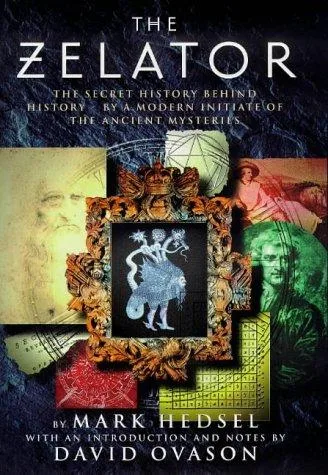
More Free Alchemy & Hermeticism Books
View all →