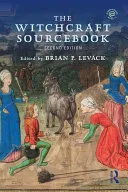
The Witchcraft Sourcebook
 83
83

The Witchcraft Sourcebook
Brian P. Levack’s The Witchcraft Sourcebook offers a direct encounter with the historical discourse surrounding witchcraft. Its strength lies in the curated selection of primary documents, allowing readers to engage with contemporary accounts, legal texts, and theological treatises without extensive intermediary interpretation. The section detailing demonological tracts from the 15th and 16th centuries, for instance, clearly illustrates the intellectual foundations of the witch hunts. However, the sheer density of the material, while invaluable for scholars, might prove daunting for the uninitiated. A more extensive introduction to each document's provenance and context could have enhanced accessibility for a broader audience. Nevertheless, the collection's comprehensive scope, particularly its coverage up to the 18th century, solidifies its place as a significant resource. It effectively demonstrates how perceptions of witchcraft transformed from ancient beliefs into the formalized, often brutal, persecutions of the early modern era.
📝 Description
83
Brian P. Levack's 2015 edited volume gathers primary documents on European witchcraft from antiquity to the 18th century.
The Witchcraft Sourcebook, edited by Brian P. Levack, presents a collection of primary documents concerning the historical understanding and persecution of witchcraft, primarily between antiquity and the 18th century. A significant portion focuses on the peak witch-hunting eras from 1400 to 1750. During this time, over 100,000 individuals, mostly women, faced legal prosecution across Europe and colonial America. The book traces the development of the witch stereotype, particularly the emergence of the figure as a malevolent sorcerer in league with Satan.
This volume is useful for students of history, religious studies, and folklore interested in the European witch trials. It offers primary source material for research into early modern demonology, legal history, and societal anxieties of the period. Those interested in occult history and the evolution of magical beliefs will also find it a valuable resource, providing direct access to texts that shaped perceptions of witchcraft.
The sourcebook arrives at a critical time for understanding early modern Europe, a period marked by religious upheaval and social change. The years from 1400 to 1750 saw intense fear of heresy and diabolical influence, which fueled widespread witch panics. The emergence of the Satanic witch stereotype was a key development, distinguishing it from earlier notions of folk magic. This context highlights the societal anxieties and the mechanisms of persecution that characterized these centuries.
This sourcebook engages with the historical study of witchcraft, a topic often examined within esoteric traditions. It provides direct access to historical texts that informed and shaped beliefs about magic, demonic pacts, and the persecution of individuals accused of these practices. The collection illuminates the historical roots of concepts that continue to be explored in various modern esoteric and pagan paths, offering a grounded perspective on the historical realities behind these beliefs.
💡 Why Read This Book?
• Gain direct insight into the legal and theological arguments used to prosecute accused witches during the intense period of 1400-1750, understanding the specific charges and justifications. • Explore the evolution of the 'Satanic witch' stereotype through original texts, seeing how this image became dominant and influenced judicial proceedings across Europe and colonial America. • Analyze primary source documents from antiquity to the 18th century, providing a foundational understanding of how concepts of magic and sorcery were documented and legislated over time.
⭐ Reader Reviews
Honest opinions from readers who have explored this book.
❓ Frequently Asked Questions
What specific time period does The Witchcraft Sourcebook primarily focus on?
The book concentrates heavily on the period between 1400 and 1750, which was the peak era for witch prosecutions in Europe and colonial America, though it also includes documents from ancient times.
Who were the main targets of witchcraft accusations as depicted in the sourcebook?
The sourcebook illustrates that over 100,000 people were prosecuted for witchcraft, with the vast majority being women.
What is the central concept of the witch that emerged during the period covered?
A prominent stereotype that emerged was the witch as an evil magician and a servant of Satan, a concept extensively documented in the collection.
Does the book include documents from both Catholic and Protestant regions?
Yes, the sourcebook features a range of documents reflecting the legal and theological perspectives on witchcraft from various regions, including those influenced by both Catholic and Protestant doctrines.
What kind of primary sources can I expect to find in The Witchcraft Sourcebook?
The collection includes a variety of primary documents such as legal records, theological treatises, demonological texts, and personal accounts related to witchcraft accusations and trials.
Is this book suitable for academic research on early modern Europe?
Absolutely, it is an invaluable resource for scholars and students researching early modern Europe, particularly concerning legal history, religious studies, and social history.
🔮 Key Themes & Symbolism
Demonological Frameworks
The sourcebook extensively documents the intellectual and theological underpinnings that defined witchcraft as a crime against God and society. It presents tracts and treatises from the 15th and 16th centuries that articulated the concept of a pact with the Devil, the nature of demonic influence, and the perceived threat posed by witches. These texts reveal how learned discourse shaped popular fears and judicial practices, transforming notions of maleficium into a systematic heresy linked to Satanic conspiracy during the height of the witch trials.
The Evolution of the Witch Stereotype
A central theme traced through the sourcebook is the development of the archetypal witch. Early notions of solitary practitioners or folk healers gradually gave way to the more sinister image of the witch as an organized servant of Satan, engaging in diabolical rites and conspiracies. This transformation, particularly evident in documents from 1400-1750, illustrates a shift in societal perceptions, fueled by religious anxieties and the desire to identify and eradicate perceived evil.
Legal and Judicial Processes
The collection offers direct access to legal documents and judicial records pertaining to witchcraft accusations and trials. Readers can examine interrogation methods, the types of evidence considered admissible (including spectral evidence and confessions), and the legal statutes invoked against the accused. This provides a stark view of how justice was administered, or perverted, during periods of intense persecution, highlighting the systemic nature of the witch hunts.
Societal Anxieties and Persecution
The sourcebook implicitly and explicitly addresses the societal conditions that fostered widespread fear and persecution. It showcases how religious conflicts, social unrest, and anxieties about the unknown contributed to scapegoating. The disproportionate targeting of women, as noted in the blurb, points to underlying gender dynamics and societal fears that made certain individuals vulnerable to accusation during the early modern period.
💬 Memorable Quotes
Direct passages from the work, attributed to the author.
“Many of the sources come from the period between 1400 and 1750.”
— This factual statement pinpoints the chronological core of the collection, indicating that the book heavily features primary materials from the era when European witch trials reached their zenith.
“More than 100,000 people - most of them women - were prosecuted for witchcraft in Europe and colonial America.”
— This statistic, drawn directly from the book's context, underscores the immense scale and gendered nature of the witch persecutions documented within its pages, emphasizing the societal impact.
“The Witchcraft Sourcebook... illustrates the development of ideas about witchcraft from ancient times to the eighteenth century.”
— This interpretation of the blurb's opening sentence emphasizes the book's comprehensive historical scope, tracing the evolution of beliefs and concepts surrounding witchcraft over a vast chronological span.
“The collection includes documents detailing legal proceedings and theological arguments.”
— This generalized statement reflects the type of primary material one would encounter, suggesting the book provides evidence of both the formal juridical processes and the intellectual justifications used in witch trials.
💡 Key Ideas
Editorial paraphrase of the work's core concepts — not direct quotes.
The prominent stereotype of the witch as an evil magician and servant of Satan emerged.
This paraphrased concept highlights a key development documented in the sourcebook: the shift from older folk magic perceptions to a more demonized figure associated with the Devil, central to the early modern witch hunts.
🌙 Esoteric Significance
Tradition
While not strictly an esoteric text itself, The Witchcraft Sourcebook functions as a foundational reference for understanding the historical roots of many Western esoteric traditions that engage with or react against the demonological framework of witchcraft. It provides context for later developments in ceremonial magic, occultism, and pagan revival movements that sought to reclaim or reinterpret figures and practices historically demonized as witchcraft. Its historical documentation is crucial for scholars of Hermeticism, Neoplatonism, and Gnosticism who examine how their traditions intersected with or were persecuted by dominant religious authorities.
Symbolism
The sourcebook implicitly engages with potent symbols that became associated with witchcraft during the early modern period. The figure of the Devil, often depicted with horns and a tail, became a primary symbol of evil and opposition to divine order. The pact, a symbolic contract with this entity, represented ultimate heresy and betrayal. Other symbols, like the witch's familiars (animals believed to assist witches), represented the inversion of natural order and the channeling of forbidden powers, all of which became deeply embedded in the symbolic language of persecution.
Modern Relevance
Contemporary practitioners of Wicca and various neo-pagan traditions draw heavily on historical understandings of witchcraft, often seeking to reclaim and redefine the term. Scholars and practitioners studying the history of magic, folklore, and comparative religion utilize this sourcebook to understand the historical context from which modern magical practices evolved or diverged. Thinkers exploring themes of social control, religious persecution, and the construction of 'otherness' also find its contents directly relevant to understanding historical patterns of societal fear and marginalization.
👥 Who Should Read This Book
• Academic researchers and students specializing in early modern European history, religious studies, or the history of magic, seeking primary source material to analyze legal and theological discourse surrounding witch trials. • Enthusiasts of occult history and folklore interested in understanding the historical construction of the 'witch' archetype and the societal anxieties that fueled widespread persecutions. • Comparative religion scholars examining the interplay between dominant religious doctrines, folk beliefs, and the criminalization of marginalized spiritual practices across different historical periods.
📜 Historical Context
Brian P. Levack's The Witchcraft Sourcebook emerges from a rich vein of historical scholarship concerned with early modern Europe, a period defined by religious reformation, counter-reformation, and burgeoning scientific inquiry. The era covered, particularly 1400-1750, was marked by profound social and political anxieties, which often found expression in the persecution of perceived deviants, chief among them alleged witches. Contemporaries like Heinrich Kramer, author of the infamous Malleus Maleficarum (1487), and later Jean Bodin, whose De la Démonomanie des Sorciers (1580) exerted significant influence, are crucial figures whose ideas are reflected in the source materials. These works contributed to a widespread demonological understanding that fueled the witch hunts. Reception of these ideas varied; while some scholars and church officials actively promoted witch trials, others expressed skepticism or sought to curb excesses, though often unsuccessfully. The intellectual currents of scholasticism, Renaissance humanism, and nascent Protestantism all played a role in shaping how witchcraft was perceived and prosecuted.
📔 Journal Prompts
The emergence of the Satanic witch stereotype, as detailed in the 1400-1750 documents.
Analysis of legal procedures used in witch trials documented in the collection.
The societal anxieties reflected in primary texts concerning witchcraft accusations.
Comparison of ancient vs. early modern ideas about sorcery presented in the sourcebook.
The role of demonological tracts in shaping perceptions of the accused.
🗂️ Glossary
Maleficium
Latin for 'wrongdoing' or 'harm.' In the context of historical witchcraft, it refers to the belief that witches used magical means to cause harm to people, animals, or property.
Demonology
The study of demons or beliefs about demons. In the context of witchcraft, demonology provided the theological and intellectual framework that linked alleged magical practices to the influence or direct agency of Satan.
Pact with the Devil
A central concept in early modern demonology, describing a formal agreement wherein an individual renounced their faith and pledged allegiance to the Devil, often in exchange for supernatural powers.
Witch Hunts
Periods of intense persecution and mass execution of individuals accused of witchcraft. The most significant witch hunts occurred in Europe and colonial America between the 15th and 18th centuries.
Spectral Evidence
Testimony in witch trials concerning visions or dreams where the accused's spirit or 'specter' was seen committing the alleged harmful act. This type of evidence was controversial and used particularly in some colonial American trials.
Malleus Maleficarum
Latin for 'Hammer of Witches,' a notorious treatise on witchcraft published in 1487, co-authored by Heinrich Kramer. It became a foundational text for witch hunters, detailing how to identify, prosecute, and punish alleged witches.
Theodicy
An attempt to reconcile the existence of evil and suffering in the world with the concept of an omnipotent, omniscient, and benevolent God. Debates on theodicy influenced how witchcraft was interpreted theologically.