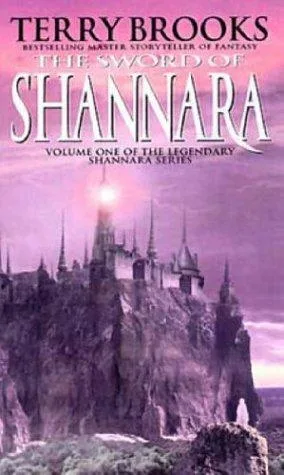
The Sword of Shannara
 74
74

The Sword of Shannara
Terry Brooks’s *The Sword of Shannara* presents a foundational quest narrative that, while indebted to its predecessors, carves out its own space in the genre. The strength of the novel lies in its meticulous world-building and the clear, if somewhat archetypal, progression of its heroes. The journey of Shea Ohmsford from a hesitant farm boy to a figure of destiny is compelling, particularly as he grapples with the legacy of his cursed bloodline. However, the narrative occasionally falters under the weight of its own epic scope; certain plot points feel predictable, and the pacing can be deliberate, sometimes to the detriment of immediate engagement. The exploration of the Warlock Lord's pervasive evil, while conceptually potent, sometimes lacks the nuanced manifestation that would elevate the antagonist beyond a standard dark lord. The introduction of the Elcrys and the lore surrounding the Blood of the Shannara is a compelling element that hints at deeper mystical currents. Ultimately, *The Sword of Shannara* is a solid entry point into epic fantasy, distinguished by its earnest execution of classic tropes.
📝 Description
74
Terry Brooks published The Sword of Shannara in 1976, establishing a new epic fantasy tradition.
Terry Brooks's 1976 novel, The Sword of Shannara, introduces the Four Lands and a core conflict between good and evil. The story follows Shea Ohmsford, who must confront his ancestry and personal fears to use a significant artifact. This work marked Brooks as an important voice in modern epic fantasy, echoing classical myths and Tolkien's earlier writings.
Readers who enjoy classic epic fantasy will find much to appreciate. The book emphasizes quest narratives, character growth under pressure, and the exploration of fate. It is also of interest to those curious about the development of fantasy genre conventions and how subsequent writers expanded upon them. Those who prefer detailed world-building and a clear moral structure should find this novel engaging.
The narrative centers on the Shadow, an evil presence controlled by the Warlock Lord. This villain aims to conquer the Four Lands using dark magic and creatures. Opposing the Shadow is the legend of the Sword of Shannara, an old weapon capable of defeating it. The book also examines lineage and inherited traits. Shea's family line carries both a burden and the potential for resolution.
Released in 1976, The Sword of Shannara arrived as epic fantasy was solidifying its genre identity, heavily shaped by J.R.R. Tolkien. Brooks's novel consciously used popular archetypes and structural elements, though its pacing and character focus offered a distinct approach. Its success contributed to the surge in fantasy literature later in the 20th century. It stands alongside works like Ursula K. Le Guin's Earthsea Cycle, which offered a different perspective on magic and heroism.
💡 Why Read This Book?
• Gain insight into the foundational archetypes of modern epic fantasy by examining the quest structure initiated by Shea Ohmsford's journey, which echoes classical hero’s journeys. • Understand the role of lineage and cursed heritage as a narrative device, as seen in Shea’s struggle with his bloodline and the powers of the Blood of the Shannara. • Explore the thematic conflict between pervasive evil, represented by the Shadow and the Warlock Lord, and the symbolic power of ancient artifacts like the Sword of Shannara.
⭐ Reader Reviews
Honest opinions from readers who have explored this book.
❓ Frequently Asked Questions
When was The Sword of Shannara first published?
The Sword of Shannara was first published in 1976, marking Terry Brooks's debut novel and a significant entry into the burgeoning epic fantasy genre.
Who is the main protagonist in The Sword of Shannara?
The main protagonist is Shea Ohmsford, a young man of mixed human and elven heritage who discovers he is the last of the Shannara line and must confront the Warlock Lord.
What is the primary artifact of power in the book?
The primary artifact of power is the Sword of Shannara, an ancient weapon said to be the only thing capable of defeating the Warlock Lord and his dark magic.
What is the main antagonistic force in The Sword of Shannara?
The main antagonistic force is the Warlock Lord, a powerful sorcerer who seeks to conquer the Four Lands and is associated with a pervasive evil known as the Shadow.
What mythical creature plays a significant role in the quest?
The mythical creature that plays a significant role is the druid Allanon, a wise and ancient figure who guides Shea and his companions on their perilous quest.
What concepts of magic are explored in The Sword of Shannara?
The book explores various forms of magic, including the dark sorcery of the Warlock Lord and the more mystical, ancient powers associated with the Elcrys and the Shannara bloodline.
🔮 Key Themes & Symbolism
Destiny and Free Will
The narrative strongly posits a sense of predetermined destiny for Shea Ohmsford, tied to his Shannara bloodline and the ancient Sword. However, the story also emphasizes his personal choices and courage in accepting this fate. The tension between what is foretold and what one chooses to do forms a core element, particularly as Shea grapples with the fear and burden associated with his heritage. This exploration is central to his development from a reluctant participant to the hero required by the Four Lands.
The Nature of Evil
Evil in *The Sword of Shannara* is personified by the Warlock Lord and the overarching presence of the Shadow, a force that corrupts and consumes. This evil is depicted as ancient, insidious, and destructive, seeking to dominate all life. The narrative contrasts this with the forces of good, embodied by the questing companions and the symbolic power of the Sword. The book suggests that evil, while powerful, can be resisted through unity, courage, and the activation of ancient, benevolent forces.
Heritage and Identity
Shea Ohmsford's identity is inextricably linked to his lineage, the cursed Shannara bloodline. He is initially fearful of this heritage due to the historical persecution of those with such blood. The quest forces him to confront and ultimately embrace his ancestry, transforming it from a source of fear into a wellspring of strength and purpose. The narrative highlights how understanding and accepting one's past, even its difficult aspects, is crucial for forging a meaningful future.
The Power of Artifacts and Lore
Ancient artifacts and forgotten lore serve as crucial plot devices and sources of power. The Sword of Shannara itself is not merely a weapon but a symbol of hope and a conduit for immense power capable of countering the Shadow. Similarly, the knowledge held by the druid Allanon, rooted in ancient traditions and prophecies, guides the heroes. The book suggests that the past holds keys to present salvation, and that rediscovering and utilizing ancient wisdom is essential for overcoming present threats.
💬 Memorable Quotes
Direct passages from the work, attributed to the author.
“There was no place in the world for a man who was half-elf and half-human.”
— This reflects Shea's initial feelings of alienation and the societal prejudice he faces due to his mixed heritage. It underscores the theme of identity and belonging in a world that often struggles with difference.
“The Sword of Shannara had been forged in the fires of the beginning, and its destiny was tied to the fate of the Four Lands.”
— This statement emphasizes the Sword's immense power and its central role in the overarching conflict. It frames the artifact not just as a weapon but as a cosmic force intrinsically linked to the world's survival.
“He was a Shannara, and the blood of kings flowed in his veins.”
— This marks a turning point for Shea, where he begins to accept and acknowledge his royal heritage. It signifies his shift from denial to embracing the responsibilities that come with his lineage.
“Evil could not be reasoned with; it could only be fought.”
— This pragmatic observation, likely attributed to Allanon or another wise character, defines the nature of the conflict. It suggests that certain forms of darkness are absolute and require direct confrontation rather than negotiation.
💡 Key Ideas
Editorial paraphrase of the work's core concepts — not direct quotes.
Fear was a companion he had learned to live with, but it had never been a master.
This quote captures Shea's internal struggle and burgeoning strength. It highlights the theme that while fear is a natural human emotion, it is one's reaction to it—allowing it to control or learning to manage it—that defines character and destiny.
🌙 Esoteric Significance
Tradition
While not explicitly aligned with a single esoteric tradition, *The Sword of Shannara* draws heavily on archetypal mythologies and the concept of a pervasive, almost Gnostic, Shadow-like evil. The presence of ancient lore, powerful artifacts, and a guiding, almost shamanic druid figure like Allanon hints at a connection to older Western mystery traditions. The idea of a chosen one burdened by a cursed lineage and destined to confront primal darkness echoes themes found in various mystical narratives of fall and redemption.
Symbolism
The titular Sword of Shannara functions as a potent symbol of divine or ancient power capable of banishing primal darkness, akin to Excalibur or other legendary weapons that represent rightful authority and cosmic balance. The Shadow represents entropy, chaos, and the void—a potent symbol of spiritual dissolution and the ultimate antagonist in many occult cosmologies. Allanon, the druid, embodies the role of the wise elder or hierophant, a spiritual guide who possesses ancient knowledge and directs the hero toward their fated path.
Modern Relevance
Contemporary fantasy authors and readers continue to engage with *The Sword of Shannara* as a foundational text that codified many popular tropes. Its exploration of the hero's journey, the struggle against seemingly insurmountable evil, and the importance of ancient knowledge and artifacts continues to inform modern fantasy narratives. Thinkers interested in comparative mythology and the evolution of the fantasy genre often cite Brooks's work as a key example of how classical mythic structures are adapted and reinterpreted for new audiences.
👥 Who Should Read This Book
• Beginning students of epic fantasy seeking to understand the genre's foundational elements and classic quest structures. • Readers interested in comparative mythology and how ancient archetypes are reinterpreted in modern literature. • Fans of character-driven narratives focused on overcoming internal fears and external adversaries to fulfill a prophesied destiny.
📜 Historical Context
Terry Brooks’s *The Sword of Shannara*, published in 1976, arrived at a crucial juncture for the fantasy genre. While J.R.R. Tolkien had established high fantasy with *The Lord of the Rings*, the late 1970s saw a surge in authors seeking to emulate and expand upon his success. Brooks’s novel, with its archetypal quest, clear good-versus-evil dynamic, and detailed world-building, became a commercial success, helping to legitimize fantasy as a marketable literary category. It engaged with the Tolkienian tradition directly, employing similar narrative structures and character archetypes, but also began to chart its own course. This period also saw other significant fantasy works, such as Ursula K. Le Guin's *Earthsea Cycle*, which offered more introspective and philosophical explorations of magic and power, providing a contrast to Brooks's more direct epic approach. The reception of *The Sword of Shannara* was largely positive, cementing Brooks's reputation and influencing a generation of writers who would shape the genre in the decades to follow.
📔 Journal Prompts
Shea Ohmsford's struggle with the Blood of the Shannara, reflecting on inherited burdens.
The pervasive nature of the Shadow and its manifestation through the Warlock Lord.
Allanon's role as a guide and keeper of ancient lore.
The symbolic significance of the Sword of Shannara and its power.
The contrast between the peaceful life of the valley and the perilous journey required.
🗂️ Glossary
The Four Lands
The primary geographical setting of the novel, a continent inhabited by various races including humans, elves, dwarves, and trolls, threatened by the Warlock Lord.
The Shadow
A malevolent, pervasive force of evil and corruption that emanates from the dark sorcery of the Warlock Lord, seeking to dominate the Four Lands.
Warlock Lord
The primary antagonist of the novel, a powerful sorcerer whose dark magic and ambition are the source of the Shadow's influence.
Blood of the Shannara
A cursed lineage of the Shannara family, which grants certain individuals unique abilities but also marks them for persecution and fear.
Allanon
A wise and ancient druid who serves as a guide and mentor to Shea Ohmsford, possessing deep knowledge of lore and prophecy.
Elcrys
A mystical artifact or place of power, often mentioned in conjunction with the history and lore of the Four Lands and the Shannara lineage.
Silvani
A race of tree-like beings who possess ancient wisdom and a connection to the natural world, often acting as allies or guardians.
🔮 Readers Also Liked
Browse all →








More by Terry Brooks
All books →




More Free Occult Philosophy Books
View all →