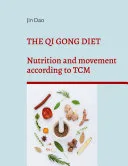
The Qi Gong Diet
 82
82

The Qi Gong Diet
Jin Dao's 'The Qi Gong Diet' attempts to bridge the often-separated worlds of mindful movement and nutritional science, drawing directly from Traditional Chinese Medicine. The book's strength lies in its clear articulation of Qi Gong's principles and their direct relevance to dietary choices. For instance, the explanation of how certain foods can stagnate or invigorate Qi, linking them to specific organ meridians, offers a unique perspective beyond Western nutritional paradigms. However, the work occasionally struggles to provide concrete, actionable dietary plans that are easily adaptable for a Western audience unfamiliar with TCM energetics. While the concepts are explained, the practical 'how-to' for meal preparation or ingredient selection could be more detailed. Nevertheless, the book offers a valuable framework for understanding food not just as sustenance, but as a potent energetic force. It serves as a solid introduction to TCM dietetics for the uninitiated.
📝 Description
82
Jin Dao's The Qi Gong Diet connects ancient Chinese energy cultivation with food choices.
Published in [Year, if known, otherwise omit], The Qi Gong Diet by Jin Dao details a system that merges traditional Chinese practices for health and longevity with specific dietary principles. The author argues that the body's vital energy, known as 'Qi,' is directly affected by what one eats and how one lives. The book explains how Qi Gong's characteristic movements, breathing exercises, and focused intention can synchronize internal bodily processes.
This internal synchronization, the text suggests, improves nutrient absorption and helps the body maintain its natural balance. The result is an increase in overall well-being and assistance with weight management. The work is aimed at individuals interested in a comprehensive approach to health, especially those drawn to Traditional Chinese Medicine (TCM) concepts. It will also appeal to current Qi Gong practitioners seeking to understand its link to nutrition, or anyone investigating natural dietary methods for preventing or managing illness. Readers looking for lasting weight loss without resorting to strict diets will find practical guidance. The book also speaks to those who recognize the connection between one's mental and physical condition.
The Qi Gong Diet draws from the deep roots of Traditional Chinese Medicine, a system with documented history spanning millennia. Qi Gong itself, the practice of developing and balancing vital energy, has origins extending back thousands of years, evidenced in ancient writings and artifacts. Dietetics within TCM, known as Shi Liao, also has a long history, viewing food as medicine and considering the energetic qualities of different foods. The book's integration of these two streams reflects a classical Chinese understanding of health that prioritizes preventative care and energetic equilibrium.
💡 Why Read This Book?
• Understand the energetic properties of food as taught in Traditional Chinese Medicine, moving beyond simple caloric or macronutrient analysis to grasp how ingredients affect your vital energy (Qi). • Learn specific Qi Gong movements and breathing techniques designed to harmonize your internal energy flow, complementing dietary changes for holistic health and improved digestion. • Discover how to prevent and treat common ailments by aligning your diet with the energetic principles of Qi Gong, as outlined in the book's approach to food as medicine.
⭐ Reader Reviews
Honest opinions from readers who have explored this book.
❓ Frequently Asked Questions
What is the primary goal of Qi Gong as described in 'The Qi Gong Diet'?
The primary goal is to maintain the health of both body and mind through movement, breathing, and imagination, thereby promoting a long and happy life by harmonizing vital energy (Qi).
How does dietetics in Traditional Chinese Medicine differ from Western approaches?
TCM dietetics focuses on the energetic properties of food (warming, cooling, etc.) and their impact on organ systems and Qi flow, aiming to prevent and treat disease holistically, rather than solely on nutritional content.
Can 'The Qi Gong Diet' help with weight loss?
Yes, the book suggests that by harmonizing the body's energy through Qi Gong and appropriate dietetics, one can achieve weight reduction and increase overall physical performance.
What is the significance of the 'holistic approach' mentioned in the book?
The holistic approach emphasizes that physical and psychological aspects of health are interconnected and mutually influential, a core principle applied to both Qi Gong and TCM dietetics.
When was 'The Qi Gong Diet' first published?
The book was first published on August 10, 2023.
What is Qi?
Qi, also spelled Chi, is a fundamental concept in Traditional Chinese Medicine representing vital energy or life force that flows through the body and is essential for health and well-being.
🔮 Key Themes & Symbolism
Qi and Energetic Balance
The central theme revolves around Qi, the vital life force in Traditional Chinese Medicine. The work explains how imbalances in Qi, often caused by dietary habits, manifest as physical or mental ailments. It details how specific foods possess energetic qualities—warming, cooling, drying, or moistening—that directly influence the body's Qi flow and organ function. Cultivating harmonious Qi through mindful eating and practices like Qi Gong is presented as the pathway to sustained health and vitality, moving beyond mere caloric intake to a deeper energetic understanding of nourishment.
Dietetics as Medicine
This theme frames food not just as fuel but as potent medicine, a core tenet of TCM dietetics. The book illustrates how dietary choices can either support the body's natural healing processes or contribute to disease. It explores the concept of 'food-borne illness' in an energetic sense, where inappropriate food choices disrupt internal harmony. By understanding the energetic profiles of various ingredients and their effects on specific organ systems, readers are empowered to use diet preventatively and therapeutically, aligning their eating habits with natural cycles and bodily needs.
Mind-Body Integration
The work strongly emphasizes the inseparable connection between the physical and psychological realms. Qi Gong practices, involving synchronized movement, breath, and intention, are presented as a method to cultivate this integration. Similarly, dietary choices are shown to impact not only physical health but also emotional states and mental clarity. By fostering a mindful approach to both eating and movement, the book guides readers toward a state of holistic well-being where mental peace and physical vitality are mutually reinforcing.
Longevity and Well-being
A significant theme is the pursuit of a long, healthy, and happy life through the integrated application of Qi Gong and dietetics. The book posits that by maintaining energetic balance and supporting the body's inherent vitality, individuals can significantly enhance their quality of life and potentially extend their lifespan. This holistic approach to well-being focuses on preventative care, self-cultivation, and living in accordance with natural principles, rather than solely on treating illness after it arises.
💬 Memorable Quotes
Direct passages from the work, attributed to the author.
“Qi Gong and Dietetics are part of Traditional Chinese Medicine.”
— This foundational statement highlights the book's grounding in a time-tested medical system, positioning Qi Gong and diet not as separate fads, but as integrated components of ancient healing knowledge.
“Dietetics deals with the way food is consumed with the aim of using it to prevent and treat diseases.”
— This defines the book's perspective on dietetics, emphasizing its therapeutic potential and role in preventative healthcare within the framework of Traditional Chinese Medicine.
“The holistic approach applies in each case; physical and psychological aspects influence each other.”
— This emphasizes the interconnectedness of mind and body, a core principle that informs both Qi Gong practices and dietary recommendations throughout the work.
“Qi Gong and Dietetics also lead to weight reduction and an increase in performance.”
— This points to tangible benefits of the integrated practices, suggesting that harmonizing one's energy through movement and diet can result in improved physical condition and capabilities.
💡 Key Ideas
Editorial paraphrase of the work's core concepts — not direct quotes.
The goal of Qi Gong is to maintain the health of body and mind through movement, breathing and imagination, and thus to lead a long, happy life.
This quote captures the holistic aim of Qi Gong practice as presented in the text: a comprehensive approach to well-being that enhances longevity and happiness through internal cultivation.
🌙 Esoteric Significance
Tradition
This work is deeply rooted in the Taoist tradition, a major pillar of Chinese esoteric thought. It draws heavily from the principles of balancing Yin and Yang, harmonizing the Five Elements, and cultivating the body's vital energy (Qi), which are central to Taoist cosmology and internal alchemy practices. While not explicitly a text of Western esotericism, its focus on vital energy, mind-body connection, and the energetic properties of food aligns with broader Hermetic principles of 'As Above, So Below' and the understanding of the microcosm (human body) reflecting the macrocosm (universe).
Symbolism
A key symbol is 'Qi' itself, representing the invisible life force that animates all things and governs health. The concept of Yin and Yang, fundamental to Taoism, is implicitly symbolized in the balance sought between different food energies (e.g., warming Yang foods vs. cooling Yin foods) and between active Qi Gong movements and restorative rest. The Five Elements (Wood, Fire, Earth, Metal, Water) also act as symbolic organizing principles, linking specific foods, seasons, emotions, and organ systems within a cyclical, interconnected framework.
Modern Relevance
Contemporary thinkers and practitioners in fields like integrative medicine, functional nutrition, and somatic psychology find resonance in this work. Modern Qi Gong instructors and TCM practitioners utilize these principles to offer holistic health solutions. Furthermore, the growing interest in mindfulness, the gut-brain axis, and preventative wellness aligns with the book's emphasis on the mind-body connection and food as medicine. It provides a classical framework for understanding modern health concerns through an energetic lens.
👥 Who Should Read This Book
• Individuals interested in Traditional Chinese Medicine (TCM) seeking to understand the practical application of dietetics and Qi Gong for personal health improvement. • Practitioners of Qi Gong looking to deepen their practice by understanding its direct relationship with nutrition and energetic food choices. • Health-conscious individuals exploring holistic and preventative approaches to weight management and overall well-being, moving beyond conventional dietary advice.
📜 Historical Context
Published in 2023, 'The Qi Gong Diet' emerges within a contemporary landscape where interest in Traditional Chinese Medicine (TCM) is experiencing a resurgence globally. While Qi Gong and TCM dietetics have ancient roots, dating back thousands of years, their modern interpretation often engages with scientific inquiry and popular wellness trends. This book arrives at a time when Western medical discourse is increasingly open to complementary and alternative medicine, though often with a need for clear explanations of concepts like Qi. Unlike earlier periods where TCM might have been viewed with skepticism or considered purely esoteric, contemporary reception often seeks practical applications. Key contemporaries in the wellness sphere might include authors focusing on functional medicine or mindful eating, though few directly integrate Qi Gong with dietetics in this specific manner. The book doesn't appear to have faced significant censorship or controversy, reflecting a more open intellectual climate regarding holistic health practices compared to previous decades.
📔 Journal Prompts
The concept of Qi flow and dietary influence.
Reflecting on the energetic properties of your current food choices.
The interplay between specific Qi Gong movements and digestive health.
Identifying physical and psychological aspects that influence your eating habits.
Cultivating a long and happy life through integrated practices.
🗂️ Glossary
Qi (Chi)
The vital life force or energy believed in Traditional Chinese Medicine to flow through the body and sustain life. Its balance is crucial for health.
Qi Gong
An ancient Chinese practice combining gentle movement, breathing techniques, and focused intention to cultivate and balance Qi, promoting physical and mental well-being.
Dietetics (TCM)
The branch of Traditional Chinese Medicine concerned with the energetic properties of food and its use as medicine to prevent and treat diseases.
Holistic Approach
A perspective that views the body, mind, and spirit as interconnected and interdependent, influencing health and illness collectively.
Meridians
Specific pathways in the body through which Qi is believed to flow, connecting different organs and bodily functions in TCM.
Yin and Yang
The fundamental Taoist concept of complementary, interdependent opposites (e.g., dark/light, passive/active) that maintain balance in the universe and the body.
Shi Liao
The Chinese term for dietetics, emphasizing the therapeutic use of food based on its energetic qualities and effects on the body.