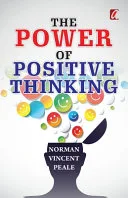
The Power of Positive Thinking
 79
79

The Power of Positive Thinking
Peale's "The Power of Positive Thinking" remains a significant cultural artifact, offering a direct, no-nonsense approach to mental fortitude that many find compelling. Its strength lies in its accessible language and the sheer volume of anecdotal evidence presented, which can feel remarkably persuasive to those in need of encouragement. The chapter "How to Use Faith" is particularly illustrative, demonstrating Peale's core tenet that belief itself can be a catalyst for change. However, the book's reliance on a specific, often evangelical, Christian framework for its principles can be a limitation for readers from diverse spiritual or secular backgrounds. While the psychological underpinnings are present, they are invariably filtered through a theological lens that may not universally apply. Despite this, the core message of agency through mindset persists. It is a practical guide, if one accepts its spiritual premise.
📝 Description
79
Norman Vincent Peale's "The Power of Positive Thinking" was published in 1952.
Norman Vincent Peale's 1952 book presents a practical approach to using faith and optimistic thought to achieve personal goals and overcome life's difficulties. It is not a theoretical study but a guide with actionable advice and examples. Peale's main argument is that a cultivated optimistic mindset, combined with strong belief, can change a person's circumstances and inner state.
The book appeals to people looking for concrete ways to improve themselves, especially those struggling with anxiety, self-doubt, or a feeling of powerlessness. It is suitable for readers open to spiritual or religious principles as a basis for mental well-being and personal effectiveness. Those interested in the connection between faith, psychology, and personal growth will find its content directly relevant. The work is grounded in the belief that thoughts directly shape outcomes, emphasizing faith as an active force for building confidence and enabling action.
Published in 1952, "The Power of Positive Thinking" drew from the New Thought movement and Christian psychology. This tradition emphasizes the mind's ability to influence reality through belief and positive affirmation. Peale's work offered a blend of theological concepts and psychological techniques, positioning it within a broader spiritual development discourse that gained traction in the mid-20th century.
💡 Why Read This Book?
• You will learn practical techniques for combating worry and self-doubt, directly applicable to daily life, as detailed in Peale's methods for breaking the 'worry habit' described throughout the book. • You can gain a renewed sense of personal agency and the motivation to pursue ambitions, by understanding Peale's emphasis on 'faith in action' as a driver of initiative. • You will explore the intersection of psychological well-being and spiritual conviction, as demonstrated by Peale's integration of prayer and affirmative thought in the 1952 edition's core teachings.
⭐ Reader Reviews
Honest opinions from readers who have explored this book.
❓ Frequently Asked Questions
When was Norman Vincent Peale's 'The Power of Positive Thinking' first published?
Norman Vincent Peale's influential book, "The Power of Positive Thinking," was first published in 1952, becoming a major success in the self-help genre.
What is the core message of 'The Power of Positive Thinking'?
The core message is that a positive mental attitude, cultivated through faith and affirmative thought, can help individuals overcome challenges and achieve their goals.
Does the book require a specific religious belief to be effective?
While Peale's work is deeply rooted in Christian principles, particularly prayer, the book's techniques for positive thinking and overcoming worry can be adapted by individuals of various spiritual or secular backgrounds.
What kind of techniques does Peale suggest for achieving a relaxed life?
Peale suggests techniques such as prayer, affirmative affirmations, and consciously replacing negative thoughts with positive ones to break the habit of worry and achieve a more relaxed state.
How does the book approach personal relationships?
The book suggests that improving one's inner state through positive thinking and faith can naturally lead to better interactions and improved personal and professional relationships.
Is 'The Power of Positive Thinking' considered a psychology book or a religious text?
It is often considered a blend of both. Peale, a minister, integrates psychological principles with Christian theology to create a self-help guide focused on spiritual and mental well-being.
🔮 Key Themes & Symbolism
Faith as Active Force
Peale's central thesis is that faith is not merely passive belief but an active, dynamic force that can be harnessed to influence reality. This work emphasizes that by cultivating a strong, unwavering belief in oneself and in a higher power, individuals can generate the confidence and determination necessary to tackle formidable obstacles. This concept moves beyond simple optimism, framing faith as a tangible tool for psychological resilience and practical problem-solving, deeply ingrained in the post-war American psyche's search for certainty.
Mind-Over-Matter Principles
The book champions the principle that one's thoughts have a direct and measurable impact on circumstances and personal well-being. Peale advocates for the conscious redirection of mental energy from negative patterns (like worry and fear) towards positive affirmations and hopeful visualizations. This approach aligns with certain esoteric traditions that posit the mind's creative power, suggesting that by controlling one's thoughts, one can gain control over one's life experiences and outcomes.
Spiritual Psychology Integration
Peale masterfully combines psychological self-help techniques with Christian theological principles. He presents prayer not just as supplication but as a method for instilling confidence and achieving clarity, and positive thinking as a form of spiritual discipline. This synthesis made the concepts accessible to a broad audience, bridging the gap between religious practice and secular self-improvement movements popular in the mid-20th century.
Overcoming Worry and Anxiety
A significant portion of the book is dedicated to practical strategies for breaking the 'worry habit.' Peale offers step-by-step guidance on how to identify the roots of anxiety and replace them with constructive thought patterns. This involves developing a sense of trust in divine providence and cultivating an inner peace that transcends external circumstances, providing a spiritual antidote to the pervasive anxieties of modern life.
💬 Memorable Quotes
Direct passages from the work, attributed to the author.
“Believe in yourself and in everything you do.”
— This directive captures the book's core message: self-efficacy is paramount. Peale suggests that genuine belief in one's capabilities, bolstered by faith, is the foundational step toward achieving any ambition or overcoming challenges.
“The way to have the power and the stamina to keep going, and to keep going strong, is to develop the art of drawing on the abundant stores of energy that God has placed within you.”
— This highlights Peale's view of human potential as divinely endowed. It encourages readers to tap into an inner reservoir of strength, viewing their own vitality as a spiritual resource available through faith and positive affirmation.
“You can assume control over your circumstances.”
— This offers a powerful assertion of personal agency. Peale suggests that through the application of positive thinking and faith, individuals are not merely subject to fate but possess the capacity to actively shape their life experiences.
“Develop the power to reach your goals.”
— This points to the actionable nature of Peale's philosophy. It implies that the ability to achieve objectives is not innate but can be cultivated through specific mental and spiritual practices outlined in the book.
💡 Key Ideas
Editorial paraphrase of the work's core concepts — not direct quotes.
Break the worry habit and achieve a relaxed life.
This concise statement summarizes a key practical goal of the book. It frames worry not as an inevitable part of life, but as a habit that can be consciously broken through the application of Peale's techniques.
🌙 Esoteric Significance
Tradition
While not strictly an esoteric text in the vein of Hermeticism or Kabbalah, Peale's work draws heavily from the New Thought tradition, which itself has roots in Transcendentalism and utilizes principles akin to mind-over-matter philosophies found in various esoteric systems. It adapts these ideas into a more mainstream, Christian framework, emphasizing the power of the mind and spirit to influence material reality, a concept central to many occult philosophies that explore the nature of consciousness and manifestation.
Symbolism
The primary 'symbol' Peale utilizes is the concept of 'faith' itself, presented not just as religious belief but as a potent, almost tangible force for change. The 'sunburst' motif often associated with the book's imagery symbolizes enlightenment, divine power, and the radiant energy generated by positive thought. The 'abundant stores of energy' he refers to can be interpreted esoterically as tapping into vital life force or spiritual energy that fuels both physical and mental well-being.
Modern Relevance
Peale's work continues to influence contemporary self-help and motivational speaking, forming a bedrock for many modern approaches to positive psychology and manifestation techniques. Thinkers and practitioners in the Law of Attraction movement, mindfulness coaches, and even some therapeutic modalities that emphasize cognitive reframing owe a debt to Peale's accessible articulation of mind-body-spirit interconnectedness. His emphasis on personal agency through mental discipline remains a potent undercurrent in today's wellness industry.
👥 Who Should Read This Book
• Individuals seeking practical, faith-based strategies for overcoming anxiety and self-doubt, who appreciate guidance rooted in Christian principles. • Those interested in the historical development of the self-help genre and the intersection of psychology and religion in mid-20th century America. • Readers looking for accessible techniques to cultivate optimism and a proactive mindset, even if they adapt the spiritual underpinnings to their own belief systems.
📜 Historical Context
Published in 1952, "The Power of Positive Thinking" emerged in an era of burgeoning self-help literature and a national mood shaped by post-war recovery and the Cold War's anxieties. Norman Vincent Peale, a minister at New York's Marble Collegiate Church, blended Christian theology with principles of psychology, drawing from the New Thought movement that flourished in the late 19th and early 20th centuries. His work offered an accessible, optimistic alternative to more introspective psychological approaches like psychoanalysis. While immensely popular, reaching millions and influencing figures from Billy Graham to later motivational gurus like Tony Robbins, Peale's approach also faced criticism. Some theologians questioned its emphasis on personal gain, while secular psychologists sometimes viewed its reliance on faith as simplistic or unscientific. However, its widespread appeal underscored a public desire for practical, spiritually grounded guidance in navigating personal challenges.
📔 Journal Prompts
The concept of 'faith in action' as presented by Peale: how can this be applied to a current professional challenge?
Analyzing the 'worry habit': identify one recurring worry and reframe it using Peale's affirmative thinking techniques.
Peale's assertion of 'control over your circumstances': reflect on an area where you feel powerless and brainstorm one small, faith-driven step toward agency.
The 'abundant stores of energy' mentioned by Peale: how might cultivating gratitude enhance your access to this perceived inner resource?
Developing 'new power and determination': describe a past success attributed to belief, recalling the specific thoughts and feelings involved.
🗂️ Glossary
Faith in Action
Peale's concept that belief must be coupled with active effort and positive expectation to produce tangible results in one's life. It's not passive hope but dynamic engagement.
Worry Habit
The ingrained tendency to engage in persistent, unproductive anxious thoughts about future events or potential problems. Peale offers methods to consciously break this pattern.
A form of prayer focused on stating desired outcomes and positive beliefs as if they have already occurred or are currently true, intended to shape one's mindset and attract favorable circumstances.
Relaxed Life
A state of being characterized by freedom from excessive anxiety and stress, achieved through the cultivation of positive thinking and spiritual trust, leading to greater peace and well-being.
Self-Initiative
The capacity and drive to begin tasks, pursue goals, and take action independently, fueled by confidence and a positive outlook as advocated by Peale.
Spiritual Energization
The process of drawing upon divine or inner spiritual resources to gain vitality, strength, and motivation, as described by Peale as an abundant energy source available to believers.
Personal Control
The belief and practice of actively influencing and directing one's life circumstances through one's thoughts, attitudes, and faith, rather than feeling subject to external forces.