Secret Societies of the Middle Ages
 69
69

Secret Societies of the Middle Ages


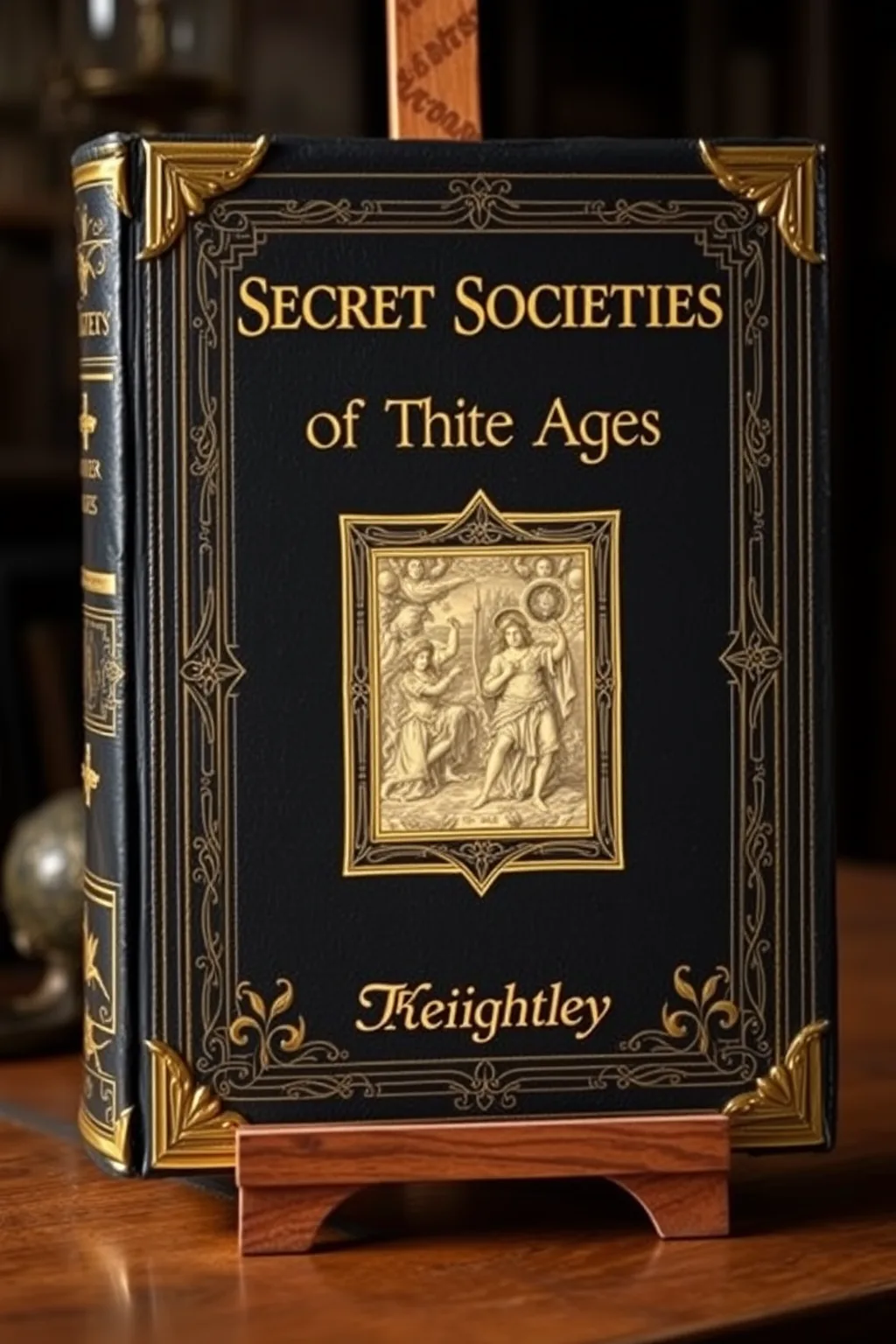
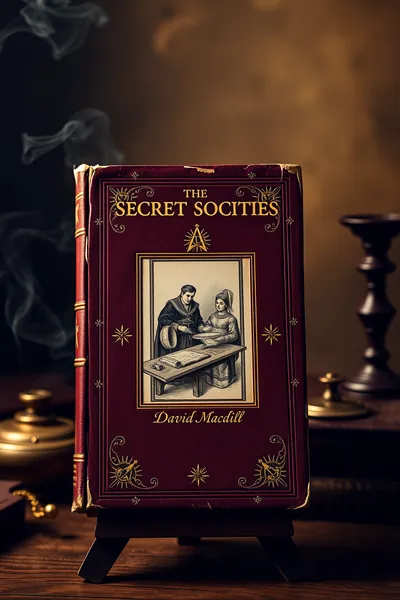
'Secret Societies of the Middle Ages' by Thomas Keightley is a must-read for anyone fascinated by the esoteric and occult. Published in 1789, this classic work provides an in-depth look at the secretive brotherhoods that operated during the Middle Ages, offering a wealth of historical context and detailed analysis. Keightley's writing is both scholarly and engaging, making complex subjects accessible to a wide audience. The book's exploration of Freemasonry and other secret societies is particularly enlightening, shedding light on rituals, beliefs, and the influence these groups had on medieval society. For modern esoteric seekers, this text serves as an invaluable resource, providing a historical foundation for understanding contemporary occult practices. Keightley's meticulous research and clear prose make 'Secret Societies of the Middle Ages' a standout work in the field of esoteric literature.
📝 Description
69
Thomas Keightley's 1838 book examines the historical reality and folklore of medieval secret societies.
Thomas Keightley's 'Secret Societies of the Middle Ages,' published in 1838, investigates groups often relegated to legend and rumor. The work aims to separate historical fact from popular myth concerning clandestine organizations of the medieval period. Keightley addresses various societies, from the Knights Templar to lesser known fraternities, scrutinizing their alleged rituals, doctrines, and influence. He grounds his analysis in the available historical evidence and contemporary accounts, while also acknowledging the persistent folklore surrounding them.
The book details the symbolic language and purported philosophies attributed to these groups. Keightley considers how their secrecy fueled speculation and shaped popular perception through the centuries. His research covers the intellectual and spiritual currents of the Middle Ages that may have given rise to such societies. The result is a historical survey that attempts to understand these groups without resorting to pure fantasy.
Published in 1838, Keightley's work predates much of the 19th century's occult revival, yet it engages with themes that would become central to esoteric studies. It grapples with the historical evidence for groups whose secrecy and perceived hidden knowledge resonated with later occult traditions. By examining the intersection of historical fact, apocryphal lore, and the human fascination with mystery, the book touches upon the very nature of hidden knowledge and tradition that esotericists seek. Keightley's sober approach contrasts with later, more speculative works but provides a valuable historical baseline for understanding the origins of these narratives.
✍️ Author
Keightley, Thomas
Thomas Keightley (17 October 1789 – 4 November 1872) was an Irish writer known for his works on mythology and folklore, particularly Fairy Mythology (1828), later reprinted as The World Guide to Gnomes, Fairies, Elves, and Other Little People (1978, 2000, e…
💡 Why Read This Book?
Reading 'Secret Societies of the Middle Ages' today offers a unique opportunity to explore the hidden histories and mystical traditions that have shaped our world. This book provides valuable insights into the esoteric practices of the Middle Ages, helping readers understand the roots of modern occult beliefs and rituals. Whether you are a scholar, a practitioner of the occult, or simply curious about the mysteries of the past, this text will enrich your knowledge and deepen your appreciation for the esoteric. By delving into the secrets of medieval secret societies, you will gain a broader perspective on the enduring fascination with the occult and its continued relevance in contemporary society.
⭐ Reader Reviews
Honest opinions from readers who have explored this book.
❓ Frequently Asked Questions
What are the main themes of 'Secret Societies of the Middle Ages'?
The main themes include the exploration of medieval secret societies, their rituals, and their influence on society. Keightley delves into the origins and practices of groups like the Freemasons and Knights Templar, providing a comprehensive overview of esoteric traditions.
Is this book suitable for beginners in esoteric studies?
Yes, Keightley's clear and engaging writing style makes this book accessible to both beginners and experienced esoteric seekers. It serves as an excellent introduction to the world of medieval secret societies and their occult practices.
What historical context does the book provide?
The book offers a detailed historical context for the Middle Ages, focusing on the secretive brotherhoods that operated during this period. Keightley's research provides insights into the societal influences and mystical traditions that defined the era.
🔮 Key Themes & Symbolism
Esoteric Symbolism
Keightley studies the strong symbolism of medieval secret societies, uncovering the hidden meanings behind their rituals and practices. This theme is crucial for understanding the mystical underpinnings of these groups and their influence on modern occult traditions.
Hidden Knowledge
The book reveals the secret knowledge that was guarded by medieval secret societies, offering readers a glimpse into the esoteric wisdom that has been passed down through the ages. This theme is essential for anyone interested in the occult and hermetic traditions.
Philosophical Significance
Keightley explores the philosophical beliefs and practices of medieval secret societies, providing insights into their worldviews and the mystical experiences they sought to achieve. This theme is important for understanding the deeper meaning behind these societies' rituals and symbols.
💡 Key Ideas
Editorial paraphrase of the work's core concepts — not direct quotes.
The secrets of the Middle Ages are not merely historical curiosities, but living traditions that continue to influence the mystical and occult world today.
This quote underscores the enduring relevance of medieval secret societies and their esoteric practices.
Symbols are the language of the soul, and the secret societies of the Middle Ages spoke this language fluently.
This passage highlights the importance of symbolism in understanding the mystical traditions of the medieval era.
The hidden knowledge of the Middle Ages is a valuable collection of esoteric wisdom, waiting to be discovered by those who seek it.
This quote emphasizes the value of exploring the secret knowledge guarded by medieval secret societies.
The rituals and practices of medieval secret societies were designed to lead their members to a deeper understanding of the divine.
This passage underscores the philosophical significance of these societies' mystical experiences.
The Middle Ages were a time of both darkness and enlightenment, where secret societies flourished in the shadows.
This quote captures the dual nature of the medieval era, where occult and esoteric traditions thrived alongside mainstream religion.
🌙 Esoteric Significance
Tradition
This book belongs to the hermetic and occult traditions, exploring the esoteric practices and beliefs of medieval secret societies. It studies the mystical undercurrents of the era, providing insights into the rituals and symbols that have influenced modern occult practices.
Symbolism
Key symbols in this book include alchemical emblems, astrological symbols, and mystical sigils, each with its own hidden meaning. These symbols were used by secret societies to convey esoteric knowledge and guide their members on a spiritual journey.
Modern Relevance
The esoteric practices and beliefs explored in this book continue to influence modern occult and spiritual traditions. Practitioners today still draw on the wisdom of medieval secret societies, using their rituals and symbols to achieve mystical experiences and deeper understanding of the divine.
👥 Who Should Read This Book
Beginners interested in the occult will find this book an accessible introduction to the mystical traditions of the Middle Ages. Scholars of esoteric studies will appreciate its thorough research and clear insights into the symbolism and hidden knowledge of secret societies. Spiritual seekers will be inspired by the philosophical significance of these societies' beliefs and practices. Practitioners of the occult will find valuable resources and inspiration for their own esoteric journeys.
📜 Historical Context
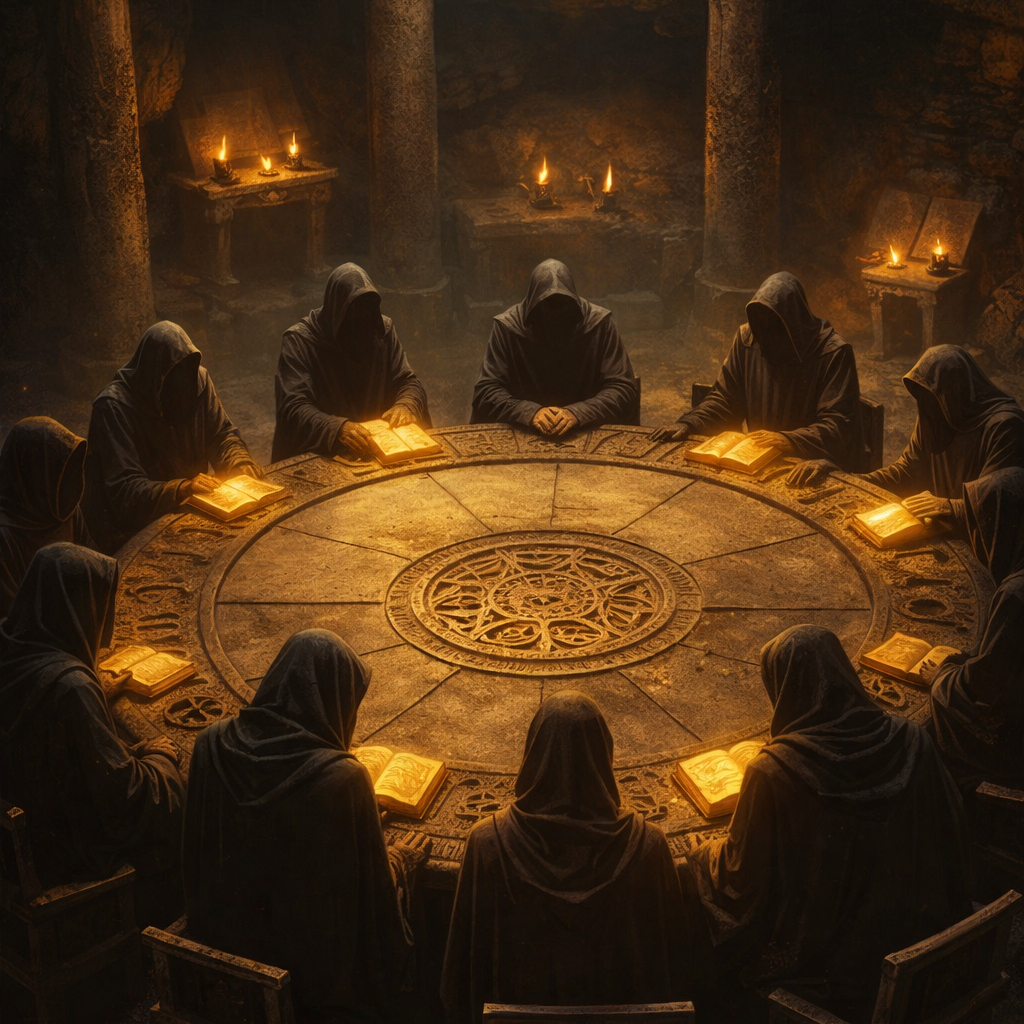
The Middle Ages were a time of both darkness and enlightenment, where secret societies flourished in the shadows of mainstream religion. These societies, often shrouded in mystery and intrigue, guarded esoteric knowledge and practiced occult rituals that have captivated scholars and seekers for centuries. Keightley's book provides a comprehensive overview of these secret societies, shedding light on their rituals, symbols, and philosophical underpinnings. Written during a time when interest in the occult was growing, 'Secret Societies of the Middle Ages' has influenced modern studies of esoteric traditions and continues to be a valuable resource for those interested in the mystical and hermetic arts.
📔 Journal Prompts
Reflect on the symbolism used by medieval secret societies and how it might relate to your own spiritual journey.
Consider the hidden knowledge guarded by these societies and what esoteric wisdom you might uncover in your own life.
Explore the philosophical beliefs of medieval secret societies and how they might influence your understanding of the divine.
Think about the rituals and practices of these societies and how they might be adapted for modern spiritual seekers.
Contemplate the dual nature of the Middle Ages, where darkness and enlightenment coexisted, and how this might apply to your own spiritual path.
🗂️ Glossary
Esoteric
Relating to knowledge that is hidden or secret, often involving mystical or occult practices.
Hermetic
Relating to the writings and teachings of Hermes Trismegistus, a legendary figure associated with alchemy and mysticism.
Occult
Relating to supernatural or mystical beliefs and practices, often involving secret knowledge and rituals.
Symbolism
The use of symbols to represent abstract ideas or qualities, often in a mystical or esoteric context.
Mystical
Relating to experiences or beliefs that are beyond the physical and empirical, often involving a sense of the divine.
This book appears in 2 collections
🔮 Readers Also Liked
Browse all →

From the “Secret Societies” Collection
View all →



More Free Freemasonry & Secret Societies Books
View all →