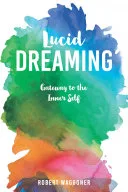
The Lucid Dreaming Pack
 76
76

The Lucid Dreaming Pack
Robert Waggoner’s The Lucid Dreaming Pack offers a refreshingly direct approach to a subject often shrouded in mystique. Unlike more academic or esoteric texts, Waggoner’s 2016 publication prioritizes actionable steps for the novice. The inclusion of a dream journal, a tangible element often missing from purely theoretical guides, is a significant strength. It grounds the practice in consistent personal experience. However, the "amazing starter kit" blurb, while aiming for enthusiasm, undersells the depth that can be achieved. The pack’s primary limitation lies in its introductory nature; while excellent for beginners, those with prior experience in lucid dreaming might find the techniques familiar. A passage discussing the 'False Awakening' phenomenon, detailing how to recognize and leverage this common dream event for lucidity, exemplifies the pack’s practical focus. Ultimately, it's a solid, no-frills manual for anyone taking their first steps into conscious dreaming.
📝 Description
76
Robert Waggoner's 2016 book, The Lucid Dreaming Pack, provides a practical guide to conscious dreaming.
This pack aims to introduce individuals to the practice of lucid dreaming, the state of being aware within a dream. It offers techniques and insights intended to make achieving lucidity accessible to a broader audience. Typically included is a guide detailing methods for recognizing dream states and a dream journal for tracking experiences. The goal is to demystify the process and present lucid dreaming as an attainable skill.
Individuals new to lucid dreaming will find this resource especially helpful. It appeals to those interested in exploring their subconscious, fostering creativity, or gaining personal understanding through dreams. Practitioners of mindfulness and meditation may also use it to extend their practices into sleep. Anyone curious about the mind's potential and seeking a structured approach to engaging with dreams will find this a useful starting point.
The practice of lucid dreaming connects to a long history of consciousness exploration found across various traditions. While ancient cultures used dreams for insight and guidance, modern psychological approaches often focused on interpretation. Waggoner's work places lucid dreaming within this continuum, focusing on the active, conscious engagement with the dream state itself. It draws parallels to early investigations into the mind's hidden capacities.
💡 Why Read This Book?
• Gain practical techniques for recognizing you are dreaming, such as consistent 'reality checks,' a core practice detailed in the guide that directly addresses the challenge of maintaining awareness during sleep. • Improve your ability to recall dreams upon waking by employing specific memory-enhancing strategies discussed, allowing for deeper analysis of your subconscious landscape. • Learn methods for stabilizing your dream state, as outlined in the text, enabling you to remain conscious and exert control within the dream environment for extended periods.
⭐ Reader Reviews
Honest opinions from readers who have explored this book.
❓ Frequently Asked Questions
What is lucid dreaming according to Robert Waggoner?
Robert Waggoner defines lucid dreaming as the state of becoming aware that you are dreaming while the dream is still in progress. His 2016 pack focuses on techniques to achieve and maintain this state of conscious awareness within the dream.
Is The Lucid Dreaming Pack suitable for absolute beginners?
Yes, The Lucid Dreaming Pack is specifically designed as a starter kit. It provides foundational knowledge and practical tools, like a dream journal, to help individuals new to the concept begin their journey into lucid dreaming.
How does the dream journal contribute to lucid dreaming?
The dream journal included in the pack is crucial for improving dream recall and identifying personal dream patterns. Regularly recording dreams, as suggested by Waggoner, helps train the mind to remember dream content and recognize the dream state.
What are 'reality checks' in the context of lucid dreaming?
Reality checks are simple actions performed consciously during waking life that train the mind to question reality. Waggoner's pack likely includes guidance on implementing these checks, which, when performed in a dream, can trigger lucidity.
When was Robert Waggoner's The Lucid Dreaming Pack first published?
The Lucid Dreaming Pack by Robert Waggoner was first published on October 11, 2016. This publication date places it within a period of renewed popular interest in consciousness studies and altered states.
Does this pack teach how to control dreams?
Yes, the primary goal of The Lucid Dreaming Pack is to teach individuals how to gain control within their dreams. By achieving lucidity, users can then learn techniques to influence the dream narrative and environment.
🔮 Key Themes & Symbolism
Conscious Awareness in Dreams
The central theme revolves around achieving and maintaining consciousness while dreaming, a state known as lucid dreaming. Waggoner emphasizes that this is not merely about remembering dreams but about becoming an active participant within them. The pack provides practical methodologies, such as consistent 'reality checks,' designed to cultivate the habit of questioning one's state of being, thereby increasing the likelihood of recognizing the dream environment as such. This deliberate cultivation of awareness is presented as the gateway to exploring the dream world with intention.
Dream Recall and Interpretation
A significant component of the pack focuses on enhancing the ability to remember dreams. Waggoner likely outlines specific techniques for improving dream recall upon waking, recognizing that vivid and consistent recall is foundational for any further dream work. This includes strategies for journaling and reflection, encouraging users to analyze recurring symbols, emotions, and narratives within their dreams. The interpretation aspect, while perhaps less emphasized than lucidity itself, is presented as a natural outgrowth of attentive dream recording and analysis.
Practical Application and Control
Beyond mere awareness, The Lucid Dreaming Pack aims to empower users with control over their dream experiences. This involves learning to stabilize the dream state to prevent premature waking or the loss of lucidity. Waggoner's approach likely guides readers through exercises that build confidence in influencing dream events, characters, and environments. The pack positions lucid dreaming not just as a curiosity but as a tool for personal growth, creativity, and self-discovery, accessible through structured practice.
The Dream Journal as a Tool
The inclusion of a dream journal is presented as a critical element for success. This physical or digital record serves multiple purposes: it acts as a memory aid, a diagnostic tool for identifying personal dream triggers and patterns, and a logbook for tracking progress in achieving lucidity. Waggoner likely stresses the importance of consistent journaling as a discipline that reinforces the intention to become lucid and aids in the systematic application of learned techniques.
💬 Memorable Quotes
Direct passages from the work, attributed to the author.
“Recognize the dream state while it's happening.”
— This concise statement captures the core objective of lucid dreaming: achieving self-awareness within the dream. It highlights the active, present-moment nature of lucidity, distinguishing it from passive dream recall or interpretation.
“Regular reality checks train the mind for dream awareness.”
— This concept underscores the importance of consistent practice. By performing specific actions during waking life, one conditions the mind to question reality, thereby increasing the probability of this critical habit extending into the dream state.
“Your dream journal is your map.”
— This metaphor emphasizes the practical and analytical function of dream recording. The journal serves as a guide, helping the dreamer work through the often-unfamiliar territory of their subconscious and track their progress toward lucidity.
“Stabilize the dream to maintain lucidity.”
— This points to a crucial technical skill in lucid dreaming. Once lucidity is achieved, techniques are needed to prevent the dream from collapsing or the dreamer from waking, ensuring the experience can be fully explored.
“Become an explorer of your own mind.”
— This framing encourages an active, curious, and empowering stance towards dreaming. It suggests that the dream world is a landscape to be discovered and understood, with the dreamer as the primary agent of exploration.
🌙 Esoteric Significance
Tradition
Waggoner's work fits within the modern esoteric lineage of consciousness exploration, particularly its practical application through altered states. While not strictly tied to ancient Hermeticism or Gnosticism, it shares a lineage with traditions that explore the inner worlds and the potential of the human mind beyond ordinary perception. It draws parallels to practices found in some shamanic traditions and modern Western occultism that utilize altered states for insight and spiritual development, albeit with a secularized, psychological framing.
Symbolism
While The Lucid Dreaming Pack is primarily practical, the inherent symbolism within dreams is acknowledged. Recurring symbols within dreams, such as flying (often representing freedom or new perspectives), falling (anxiety or loss of control), or encountering familiar yet altered figures (aspects of the self or unresolved issues), are implicitly recognized as significant. Waggoner encourages the use of a dream journal to identify and interpret these symbols, viewing them as messages from the subconscious that can be understood once lucidity is achieved.
Modern Relevance
The principles outlined in The Lucid Dreaming Pack remain highly relevant today. Contemporary practices in mindfulness, biofeedback, and virtual reality design often touch upon themes of conscious awareness and reality perception, echoing Waggoner's focus. Thinkers and practitioners in fields ranging from transpersonal psychology to digital consciousness explore the potential of simulated and internal realities, finding resonance with the techniques for navigating and influencing dream states that Waggoner makes accessible.
👥 Who Should Read This Book
• Aspiring lucid dreamers seeking a structured introduction, who will benefit from Waggoner's clear techniques and the included dream journal for consistent practice. • Individuals interested in personal growth and self-discovery through exploring their subconscious mind, gaining direct access to inner landscapes. • Mindfulness practitioners looking to extend their awareness practices into sleep, transforming their dream experiences into opportunities for insight and creativity.
📜 Historical Context
Published in 2016, Robert Waggoner's The Lucid Dreaming Pack emerged during a period of resurgent popular interest in consciousness studies, meditation, and altered states, fueled by accessible online resources and a growing body of scientific research into sleep and dreaming. While figures like Sigmund Freud and Carl Jung had established dream analysis as a key component of 20th-century psychology, their focus was primarily interpretive. Waggoner's work aligns more with the tradition of practical dream exploration, building on the groundwork laid by early lucid dreaming pioneers like Stephen LaBerge, who extensively researched and popularized techniques for inducing lucidity starting in the late 1970s and early 1980s. Waggoner’s approach, however, offers a more simplified, kit-based entry point compared to the more detailed scientific methodologies often presented by LaBerge. The pack’s accessibility contrasts with the more academic or philosophical treatments of dreams prevalent in earlier esoteric traditions, positioning it as a modern, self-help oriented guide.
📔 Journal Prompts
Reflect on the concept of 'reality checks' and how consistently performing them might alter your waking perception.
Analyze a recent dream from your journal: what symbols or themes appeared, and how might they relate to your waking life?
Consider the 'dream stabilization' techniques discussed; how could you apply them if you became lucid tonight?
Describe a recurring dream element and brainstorm potential interpretations based on Waggoner's emphasis on self-exploration.
How can the practice of improved 'dream recall' contribute to a deeper understanding of your subconscious mind?
🗂️ Glossary
Lucid Dreaming
The state of being aware that one is dreaming while the dream is still occurring. This awareness allows for potential control over the dream's narrative and environment.
Reality Check
A technique performed during waking life, intended to cultivate a habit of questioning one's reality, thereby increasing the likelihood of recognizing a dream state.
Dream Recall
The ability to remember the content of one's dreams upon waking. Effective recall is considered fundamental for dream analysis and lucid dreaming practice.
Dream Stabilization
Methods used within a lucid dream to maintain awareness and prevent the dream from ending prematurely or the dreamer from losing lucidity.
Dream Journal
A logbook or digital record used to write down dreams upon waking, aiding in memory, pattern recognition, and the development of lucid dreaming skills.
False Awakening
A type of dream where the dreamer believes they have woken up, but are still asleep. Recognizing a false awakening can be a trigger for lucidity.
Subconscious Mind
The part of the mind of which we are not fully aware but that influences our actions and feelings. Dreams are often seen as a pathway to accessing its contents.